Mumbai – The City of Dreams, Heritage and Endless Energy
Located on the Konkan coast of Maharashtra, Mumbai is India's financial capital and one of the country's most vibrant cities. Surrounded by the Arabian Sea on three sides, the city is known for its iconic skyline, historic architecture, bustling markets, diverse communities and extraordinary cultural energy.
From the majestic Gateway of India and UNESCO-listed Chhatrapati Shivaji Maharaj Terminus to Marine Drive, Elephanta Caves, Juhu Beach and the colourful neighbourhoods of South Mumbai, the city offers an extraordinary combination of history, culture, food, entertainment, business and modern urban life.
Often called the City of Dreams, Mumbai attracts travellers, entrepreneurs, artists, students and professionals from across India and the world. It is also the heart of the Indian film industry, making it one of the country's most recognisable cultural destinations.
History of Mumbai
The history of Mumbai stretches back thousands of years and is closely connected with its original seven islands, coastal communities, maritime trade and successive periods of Indian, Portuguese and British rule.
- The original seven islands were inhabited by indigenous communities, particularly the Koli fishing communities.
- Mumbai was associated with the Mauryan Empire during the 3rd century BCE.
- The Shilahara dynasty ruled the region for several centuries during the medieval period.
- In 1534, the Portuguese took control of the islands and referred to the settlement as Bombaim.
- In 1661, the islands were transferred to the British Crown as part of the marriage settlement between Catherine of Braganza and King Charles II.
- In 1668, Mumbai was leased to the East India Company.
- The Hornby Vellard reclamation project helped connect the seven islands and significantly expanded the city's land area.
- In 1853, India's first passenger railway service began between Bombay and Thane.
- Mumbai became an important centre of the cotton and textile industries during the 19th century.
- The Indian National Congress was founded in Mumbai in 1885.
- The city played an important role in the Indian independence movement, including the Quit India Movement of 1942.
- In 1960, Mumbai became the capital of the newly formed state of Maharashtra.
- In 1995, Bombay was officially renamed Mumbai, reflecting the city's Marathi cultural identity and connection with the goddess Mumbadevi.
Today, Mumbai's historic districts, colonial buildings, railway stations, markets, temples and waterfront landmarks preserve the story of a city that evolved from seven coastal islands into one of the world's major metropolitan centres.
Geography of Mumbai
Mumbai is situated on the western coast of India along the Arabian Sea. The Mumbai City district occupies the southern portion of the metropolitan area and is surrounded by water on three sides, while Mumbai Suburban district lies to the north.
Mumbai's geography is defined by:
The Arabian Sea along its western and southern sides
Thane Creek and the surrounding waterways
Coastal plains and reclaimed land that helped shape the modern city
Low hills and rocky formations in several parts of the city
Urban neighbourhoods, beaches and waterfronts stretching across the metropolitan landscape
Mangroves, wetlands and green spaces that remain important parts of Mumbai's natural environment
The city's coastal location has played a major role in its development as a port, commercial centre and global financial city. Its geography also contributes to Mumbai's distinctive combination of beaches, waterfront promenades, dense urban neighbourhoods and green spaces.
Culture and Traditions of Mumbai
Mumbai's culture is one of the most diverse in India. People from different parts of Maharashtra and other regions of India have made the city their home, creating a unique combination of Marathi traditions, regional cultures, religions, cuisines, languages, arts and modern urban lifestyles.
Traditional Lifestyle
Mumbai is a fast-paced city, but traditional communities and neighbourhoods continue to preserve their cultural identities. The Koli community, one of Mumbai's oldest communities, retains strong connections with fishing and the sea.
At the same time, areas such as South Mumbai, Girgaon, Dadar, Lalbaug and several suburban neighbourhoods preserve traditions through temples, community organisations, local markets and annual festivals.
Language and Traditions
Marathi is the principal regional language, while Hindi and English are widely spoken. Mumbai's diverse population means that Gujarati, Tamil, Telugu, Bengali, Konkani, Urdu and several other Indian languages can also be heard across the city.
This linguistic diversity has helped create a distinctive urban culture where different traditions coexist and influence one another.
Music, Dance and Arts
Mumbai is one of India's major centres for film, theatre, music, visual arts and literature. The city is home to major cultural institutions, art galleries, cinemas and performance spaces.
The Kala Ghoda district is particularly known for its galleries, museums and cultural events, while the city's film industry has given Mumbai an international cultural identity.
Bollywood and Popular Culture
Mumbai is widely regarded as the heart of Hindi cinema, popularly known as Bollywood. Film studios, production houses, actors, musicians and technicians have made the city one of the world's most important centres of popular entertainment.
For visitors, Mumbai's culture can be experienced through its food, festivals, neighbourhoods, markets, theatre, music, art and cinema.
Architecture of Mumbai
Mumbai has one of India's most distinctive urban architectural landscapes. Its buildings reflect centuries of Indian, Indo-Saracenic, Victorian Gothic, Art Deco, neoclassical and contemporary architecture.
Victorian Gothic Architecture
The historic Fort area contains several magnificent Victorian Gothic buildings. The most famous is Chhatrapati Shivaji Maharaj Terminus, whose elaborate design combines Victorian Gothic architecture with Indian architectural influences.
Indo-Saracenic Architecture
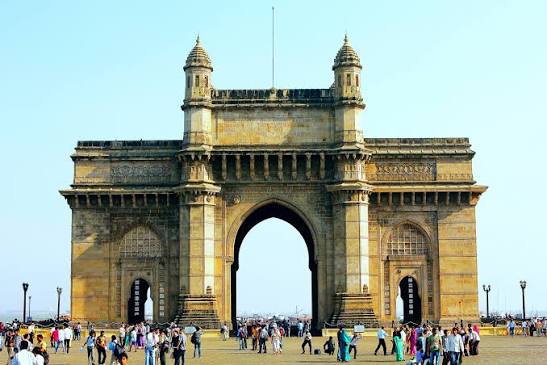
The Gateway of India is one of Mumbai's best-known examples of Indo-Saracenic architecture. Its grand arch facing the Arabian Sea has become one of the defining symbols of the city.
Art Deco Architecture
Mumbai is also famous for its remarkable collection of Art Deco buildings, particularly around Marine Drive and the Oval Maidan area. These structures form an important part of the city's modern architectural heritage.
Traditional Architecture
Older neighbourhoods such as Girgaon and parts of South Mumbai retain traditional residential structures, chawls, old mansions and community buildings. These spaces provide a glimpse into the city's social history and changing urban landscape.
Exploring Mumbai's architecture offers visitors a journey through colonial history, local traditions, modernism and contemporary urban development.
Famous Places in Mumbai
Mumbai is filled with historic monuments, museums, beaches, religious sites, markets and cultural landmarks. Here are some of the places worth exploring.
Gateway of India
The Gateway of India is one of Mumbai's most iconic landmarks. Located at Apollo Bunder in Colaba, the monumental arch overlooks the Arabian Sea and has become one of the city's most recognisable symbols.
The waterfront location also makes it a convenient starting point for exploring Colaba, the Taj Mahal Palace and Colaba Causeway.
Chhatrapati Shivaji Maharaj Terminus
Chhatrapati Shivaji Maharaj Terminus, formerly known as Victoria Terminus, is a UNESCO World Heritage Site and one of Mumbai's most impressive historic buildings. Its architecture combines Victorian Gothic design with Indian influences.
Marine Drive
Marine Drive is one of Mumbai's most famous waterfront promenades. The sweeping curve of the road and its illuminated buildings have earned it the nickname Queen's Necklace.
It is a favourite place for evening walks, sunsets, photography and enjoying views of the Arabian Sea.
Elephanta Caves
Located on Elephanta Island in Mumbai Harbour, the Elephanta Caves are a UNESCO World Heritage Site known for their magnificent rock-cut temples and sculptures dedicated primarily to Lord Shiva.
The famous Trimurti sculpture is one of the highlights of Cave 1. Ferries from Mumbai provide access to the island, making the caves a popular heritage excursion.
Chhatrapati Shivaji Maharaj Vastu Sangrahalaya
Formerly known as the Prince of Wales Museum, the Chhatrapati Shivaji Maharaj Vastu Sangrahalaya houses an extensive collection of archaeological artefacts, sculptures, paintings and decorative arts.
Juhu Beach
Juhu Beach is one of Mumbai's most popular beaches. It becomes particularly lively in the evening when locals and visitors gather to enjoy the sunset and famous Mumbai street food.
Haji Ali Dargah
The Haji Ali Dargah is an iconic religious landmark situated on a small islet off the Mumbai coast. Connected to the mainland by a causeway, the shrine attracts visitors from different communities and is known for its distinctive Indo-Islamic architecture.
Kala Ghoda
Kala Ghoda is one of Mumbai's major cultural districts, known for art galleries, museums, historic buildings, restaurants and cultural events. The area is particularly popular with art and architecture enthusiasts.
Banganga Tank
Located near the Walkeshwar Temple complex at Malabar Hill, Banganga Tank is an ancient sacred water tank surrounded by temples and traditional neighbourhoods. It offers a peaceful contrast to Mumbai's busy urban environment.
For travellers who enjoy history, architecture, culture, beaches, art and urban exploration, Mumbai offers an extraordinary range of experiences.
Famous Dishes of Mumbai
Mumbai's food culture is one of its greatest attractions. The city's culinary identity has been shaped by Marathi cuisine, coastal traditions, Gujarati influences, Muslim culinary traditions, South Indian food and migrant communities from across India.
Vada Pav
Vada Pav is arguably Mumbai's most famous street food. A spicy potato fritter is placed inside a soft pav and served with chutneys and spicy accompaniments. It is one of the city's most popular quick meals.
Pav Bhaji
Pav Bhaji consists of a spicy mashed vegetable preparation served with buttered pav. The dish became closely associated with Mumbai's working-class food culture and is now enjoyed throughout the city.
Bhel Puri
Bhel Puri is a popular Mumbai street snack made using puffed rice, vegetables, chutneys and crunchy ingredients. It is especially associated with the city's beaches and evening food culture.
Bombay Sandwich
The Bombay Sandwich is a popular local snack made with bread, vegetables, chutneys and spices. It is commonly found at street stalls and small food outlets across the city.
Misal Pav
Misal Pav is a spicy Maharashtrian dish prepared with sprouted lentils and a flavourful gravy, usually served with pav, onions and other accompaniments.
Bombil Fry
Bombil Fry, made from Bombay duck, reflects Mumbai's coastal culinary heritage. The fish is typically marinated, coated and fried to create a crisp exterior with a soft interior.
Modak
Modak is especially associated with Ganesh Chaturthi in Mumbai. Traditional steamed ukadiche modak are prepared using rice flour, coconut and jaggery and offered to Lord Ganesha during the festival.
For food lovers, exploring Mumbai's street stalls, traditional restaurants, Irani cafés and seafood establishments is an essential part of the city experience.
Famous Personalities of Mumbai
Mumbai has been home to and associated with an extraordinary number of influential personalities from cinema, business, politics, literature, music, sports and the arts.
Dadasaheb Phalke
Dadasaheb Phalke is widely regarded as the father of Indian cinema. His pioneering work in filmmaking laid the foundation for India's motion-picture industry, which later developed strongly in Mumbai.
Lata Mangeshkar
Lata Mangeshkar was one of India's most celebrated playback singers. Her extraordinary musical career was closely connected with Mumbai's film and music industry.
Sachin Tendulkar
Sachin Tendulkar, one of India's most celebrated cricketers, has deep associations with Mumbai. He trained at the city's cricket grounds and represented Mumbai cricket for many years.
Amitabh Bachchan
Amitabh Bachchan is one of India's most influential actors and a major figure in Hindi cinema. His long association with Mumbai has made him one of the city's most recognisable personalities.
M. F. Husain and the Arts Community
Mumbai has also been home to generations of influential artists, writers and cultural figures. Its galleries, museums, theatres and creative communities have helped establish the city as a major centre for Indian arts and culture.
The city's remarkable list of personalities reflects Mumbai's role as a national centre for cinema, sport, business, literature, music and creative expression.
Festivals of Mumbai
Festivals are an important part of Mumbai's cultural identity. The city celebrates religious and cultural occasions with remarkable enthusiasm, bringing together communities from different backgrounds.
Ganesh Chaturthi
Ganesh Chaturthi is Mumbai's most iconic festival. Elaborate Ganesha idols are installed in homes and community pandals, followed by prayers, cultural programmes and processions.
The celebrations culminate in Ganesh Visarjan, when idols are carried in large processions for immersion. The festival has become one of the defining cultural experiences of Mumbai.
Diwali
Diwali is celebrated across Mumbai with homes decorated with lights and rangoli, family gatherings, prayers, sweets and festive shopping.
Gudi Padwa
Gudi Padwa marks the Marathi New Year and is celebrated with traditional decorations, festive food, processions and cultural activities. The festival is particularly significant for Mumbai's Marathi community.
Holi
Holi brings colour, music and community celebrations across Mumbai. The festival is enjoyed by people from different communities and backgrounds.
Eid
Eid is celebrated enthusiastically across Mumbai, particularly in neighbourhoods such as Mohammed Ali Road and surrounding areas. Special prayers, food and community gatherings form an important part of the celebration.
Christmas
Christmas is celebrated across Mumbai with decorated churches, midnight masses, festive food and illuminated streets. Areas such as Bandra are particularly known for their festive atmosphere.
Mumbai International Film Festival and Kala Ghoda Arts Festival
Mumbai also hosts major cultural events such as film festivals and the Kala Ghoda Arts Festival, which brings together artists, performers, designers, writers and cultural organisations.
For visitors, experiencing Mumbai during a major festival can provide an unforgettable insight into the city's diverse communities, traditions and creative energy.
Things to Do in Mumbai
Mumbai offers an enormous variety of experiences, from heritage walks and museums to beaches, markets, food trails and cultural attractions.
Visit the Gateway of India
Start your Mumbai exploration at the Gateway of India and enjoy views of the Arabian Sea. The area is also close to Colaba Causeway and several important heritage buildings.
Take a Marine Drive Walk
Walk along Marine Drive during the evening and enjoy the sea breeze, sunset and illuminated skyline. The promenade is one of the best places to experience Mumbai's famous coastal atmosphere.
Explore Elephanta Caves
Take a ferry to Elephanta Island and explore its ancient rock-cut temples and sculptures. The excursion combines history, architecture and a scenic boat ride.
Explore South Mumbai Heritage
Walk through areas such as Fort, Kala Ghoda, Colaba and Churchgate to discover historic buildings, museums, galleries and architectural landmarks.
Visit Juhu Beach
Enjoy the sunset at Juhu Beach and try popular Mumbai snacks such as bhel puri and pav bhaji from local food stalls.
Explore Mumbai's Markets
Visit markets such as Colaba Causeway, Crawford Market and Chor Bazaar to shop for clothing, souvenirs, antiques, accessories, food products and everyday goods.
Experience Mumbai Street Food
Explore local food stalls and try iconic dishes such as vada pav, pav bhaji, bhel puri, misal pav and Bombay sandwiches.
Discover Bollywood
Explore Mumbai's connection with the Hindi film industry through film-related attractions, studio tours where available, cinema experiences and neighbourhoods associated with Bollywood personalities.
Visit Museums and Art Galleries
Spend time at museums and galleries across South Mumbai, particularly around Kala Ghoda and Fort, to discover Indian art, history and contemporary culture.
For travellers looking for history, food, architecture, culture, entertainment and urban adventure, Mumbai provides almost unlimited opportunities for exploration.
Where to Eat, Shop, and Stay in Mumbai
Mumbai has an enormous range of restaurants, street-food stalls, cafés, markets, hotels and shopping destinations. From luxury establishments to affordable local eateries, travellers can find options for almost every budget and preference.
Where to Eat
Popular areas for food include Colaba, Fort, Bandra, Juhu, Mohammed Ali Road, Dadar and Lower Parel. Visitors can explore everything from traditional Maharashtrian food and seafood to Gujarati thalis, South Indian dishes, international cuisine and Mumbai street food.
For street food, try local favourites such as vada pav, pav bhaji, bhel puri, misal pav and Bombay sandwiches.
Where to Shop
Mumbai is one of India's major shopping destinations. Visitors can explore:
Colaba Causeway for clothing, accessories, souvenirs and street shopping
Crawford Market for food products, household goods and local market experiences
Chor Bazaar for antiques, vintage items and collectibles
Linking Road and Hill Road for fashion and street shopping
High-street malls and luxury shopping districts for branded products
Where to Stay
Mumbai offers accommodation across a wide range of budgets and locations. Popular areas include:
Colaba and South Mumbai for heritage attractions and first-time visitors
Fort and Churchgate for business and cultural attractions
Bandra for restaurants, nightlife and modern city experiences
Juhu for beach access and a more relaxed atmosphere
Andheri for convenient transport connections and business travel
Lower Parel and Worli for luxury hotels, restaurants and modern commercial districts
Because Mumbai is a major business and tourism centre, travellers should book accommodation in advance, particularly during festivals, major events and peak travel periods.
What Is Mumbai Famous For?
Mumbai is famous for its financial importance, Bollywood film industry, historic architecture, beaches, street food, festivals and multicultural identity. It is one of India's most influential cities and a major global centre for business, entertainment and culture.
Mumbai is especially known for:
Gateway of India – one of the city's most recognisable historic landmarks.
Marine Drive – the iconic waterfront promenade known as the Queen's Necklace.
Chhatrapati Shivaji Maharaj Terminus – a UNESCO World Heritage Site and architectural masterpiece.
Elephanta Caves – ancient rock-cut temples and a UNESCO World Heritage Site.
Bollywood – the centre of India's Hindi-language film industry.
Ganesh Chaturthi – one of India's most spectacular urban festival celebrations.
Mumbai Street Food – famous for vada pav, pav bhaji, bhel puri and other local favourites.
Financial Districts – home to major businesses, banks, financial institutions and corporate headquarters.
Art and Culture – represented by museums, galleries, theatres, festivals and creative communities.
Beaches and Waterfronts – including Juhu Beach, Marine Drive and other coastal areas.
For visitors, Mumbai is more than a tourist destination. It is an opportunity to experience one of India's most dynamic cities, where history, ambition, culture and modern urban life meet.
Best Time to Visit Mumbai
The best time to visit Mumbai is generally from October to February, when the weather is relatively cooler and more comfortable for sightseeing, outdoor activities and exploring the city's attractions.
| Season | Months | Travel Experience |
|---|---|---|
| Winter | November–February | Comfortable weather and ideal for sightseeing |
| Summer | March–May | Hot and humid, but suitable for indoor attractions and evening outings |
| Monsoon | June–September | Heavy rainfall, dramatic coastal scenery and lush greenery |
| Post-Monsoon | October | Improving weather and a good time for exploring the city |
For comfortable sightseeing, November to February is generally preferred. The monsoon can also be an interesting time to experience Mumbai's dramatic rainy-season atmosphere, although heavy rainfall can occasionally affect transport and outdoor plans.
How to Reach Mumbai
Mumbai is one of India's best-connected cities and can be reached easily by air, rail and road. Its position as a major commercial centre means that regular transport services connect it with cities across India.
By Air
Chhatrapati Shivaji Maharaj International Airport is the primary airport serving Mumbai and the Mumbai Metropolitan Region. It operates domestic and international flights connecting the city with major destinations across India and the world.
Taxis, app-based cabs, buses and other local transport options are available from the airport.
By Train
Mumbai is connected to major cities across India by an extensive railway network. Chhatrapati Shivaji Maharaj Terminus, Mumbai Central, Dadar, Bandra Terminus and Lokmanya Tilak Terminus are among the important railway stations serving different routes.
The city's suburban railway network is also one of the main forms of everyday transportation for residents and visitors.
By Road
Mumbai is connected to other parts of Maharashtra and neighbouring states through national highways and major expressways. Long-distance buses, private cars and taxis provide road access to the city.
Within Mumbai, visitors can use local trains, metro services, buses, taxis and app-based cab services to move between different parts of the city.
Because Mumbai experiences significant traffic, travellers should allow extra time for road journeys, particularly during peak office hours.
Nearby Places to Visit from Mumbai
Mumbai's location on the Konkan coast makes it an excellent base for exploring several destinations in and around Maharashtra.
Elephanta Island
Located around 10 kilometres from Mumbai's coast, Elephanta Island is home to the famous Elephanta Caves. The island can be reached by ferry and makes an excellent half-day or full-day heritage excursion.
Sanjay Gandhi National Park
Sanjay Gandhi National Park offers a remarkable green escape within the Mumbai metropolitan region. The park is known for its forests, wildlife, Kanheri Caves and opportunities for nature exploration.
Alibaug
Alibaug is a popular coastal destination near Mumbai, known for beaches, forts, seafood and relaxed weekend experiences. It can be reached by road or ferry depending on the route and service availability.
Lonavala
Lonavala is a popular hill station in Maharashtra known for green valleys, viewpoints, waterfalls and pleasant monsoon landscapes. It is a favourite weekend destination for travellers from Mumbai.
Matheran
Matheran is a scenic hill station known for its forested landscape, viewpoints and vehicle-free environment. It provides a peaceful break from Mumbai's urban atmosphere.
Karjat
Karjat is a popular destination for nature lovers and adventure travellers. The region is known for hills, waterfalls, trekking routes and scenic landscapes, particularly during the monsoon.
These destinations can be included in a longer itinerary around Mumbai and Maharashtra, offering a mix of beaches, hills, heritage, wildlife and nature.
Best Duration for a Trip to Mumbai
A 3 to 4-day trip is a good starting point for experiencing Mumbai's major attractions. Travellers who want to explore museums, markets, neighbourhoods, food destinations and nearby excursions can comfortably plan five days or more.
A suggested itinerary could include:
Day 1: Explore Gateway of India, Colaba, Chhatrapati Shivaji Maharaj Vastu Sangrahalaya and Kala Ghoda.
Day 2: Visit Chhatrapati Shivaji Maharaj Terminus, Crawford Market, Marine Drive and nearby South Mumbai attractions.
Day 3: Explore Elephanta Caves or visit Juhu, Bandra and other western neighbourhoods.
Day 4: Experience Mumbai's food, markets, temples, museums and cultural attractions.
Day 5: Keep an additional day for Sanjay Gandhi National Park or a nearby destination.
Travellers who want only the major landmarks can cover Mumbai in three days, but 4 to 5 days is more comfortable for experiencing the city's history, food, culture and neighbourhoods without rushing.
Travel Tips for Mumbai
Mumbai is a huge and busy city, so a little preparation can make your trip much more comfortable.
Use public transport: Local trains and metro services can be faster than road travel for many routes, particularly during peak traffic hours.
Allow extra travel time: Mumbai traffic can be heavy, especially during morning and evening office hours.
Carry comfortable footwear: Exploring areas such as Colaba, Fort, Kala Ghoda and markets involves considerable walking.
Stay hydrated: Mumbai can be hot and humid, particularly outside the winter months.
Carry rain protection: During the monsoon, heavy rainfall can occur, so an umbrella or rain jacket is useful.
Respect religious places: Dress appropriately and follow local customs when visiting temples, mosques, churches and other religious sites.
Be careful in crowded areas: Markets, railway stations and major tourist attractions can become extremely busy, so keep your belongings secure.
Try local food carefully: Mumbai's street food is a major attraction, but choose clean and busy stalls, especially if you are not accustomed to local food.
Plan attractions by area: Group nearby attractions together to reduce travel time and avoid unnecessary journeys across the city.
Book accommodation in advance: Hotels can become expensive or fully booked during major festivals, events and business periods.
Use reliable transport: App-based taxis, licensed taxis, metro services and local trains are useful options for visitors.
With proper planning, Mumbai can offer a memorable experience filled with history, culture, food, architecture, entertainment and unforgettable city energy.
Why Visit Mumbai?
Mumbai is a destination for travellers who want to experience the energy and diversity of modern India. Few cities combine colonial heritage, ancient caves, beaches, street food, cinema, business and multicultural communities on such a large scale.
Experience India's Financial Capital
Mumbai is one of India's most important financial and commercial centres. Its skyline, corporate districts, stock-market institutions and busy business neighbourhoods demonstrate the city's enormous economic importance.
Discover India's Film Capital
Mumbai is at the heart of Bollywood and India's Hindi-language entertainment industry. Cinema enthusiasts can explore the city's connection with film, television, music and popular culture.
Explore Extraordinary Heritage
From Gateway of India and CSMT to Elephanta Caves and Banganga Tank, Mumbai offers layers of history spanning ancient India, medieval traditions and the colonial era.
Taste Mumbai's Street Food
The city's food culture is reason enough to visit. From vada pav and pav bhaji to bhel puri, misal pav and seafood, Mumbai offers countless opportunities to discover local flavours.
Enjoy the Arabian Sea
Marine Drive, Juhu Beach and other waterfront areas offer a chance to experience Mumbai's relationship with the Arabian Sea. Sunset and evening walks along the coast are among the city's simplest and most memorable experiences.
Experience a City of Many Cultures
Mumbai brings together communities from across India. Its languages, festivals, food, neighbourhoods and traditions reflect an extraordinary level of cultural diversity.
Feel the Energy of the City
Mumbai is famously fast-paced and ambitious. Its trains, markets, offices, studios, restaurants and streets create an atmosphere that is difficult to experience anywhere else.
If you enjoy history, architecture, food, cinema, shopping, beaches, culture and vibrant city life, Mumbai is a destination that can offer something new at every turn.
Conclusion
Mumbai is much more than India's financial capital or the home of Bollywood. It is a city where ancient heritage, colonial architecture, modern skyscrapers, traditional communities and contemporary culture exist side by side.
From the magnificent Gateway of India and historic Chhatrapati Shivaji Maharaj Terminus to the peaceful Elephanta Caves, vibrant markets, iconic Marine Drive and colourful festivals, Mumbai offers an extraordinary range of experiences.
Its food, people, architecture, cinema, beaches and never-ending energy make it one of India's most fascinating cities. If you are ready to experience a destination where history meets ambition and tradition meets modernity, Mumbai is a city that deserves to be explored slowly and experienced fully.
"Travel is the only thing you buy that makes you richer."