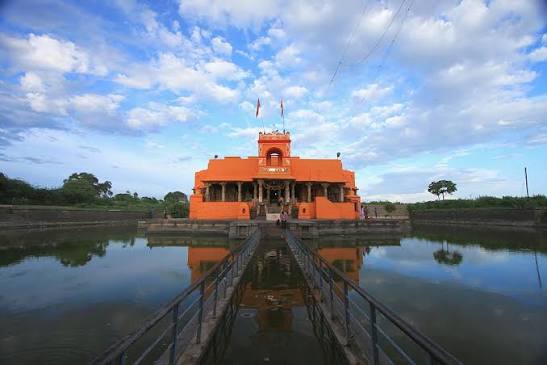
Beed – Where History, Spirituality and the Natural Beauty of Marathwada Meet
Located in the Marathwada region of Maharashtra, Beed is a historic city and the administrative headquarters of Beed district. Known for its ancient temples, historic forts, traditional water structures, waterfalls and religious destinations, Beed offers travellers an opportunity to discover a quieter and lesser-explored side of Maharashtra.
From the beautiful Kankaleshwar Temple and historic Dharur Fort to the sacred Parli Vaijnath Jyotirlinga, Yogeshwari Mata Temple in Ambajogai and scenic waterfalls such as Sautada and Kapildhar, the district brings together history, spirituality, architecture, culture and nature.
Beed is particularly appealing to travellers who enjoy heritage sites, pilgrimage destinations, local traditions and peaceful natural surroundings. The district's combination of ancient monuments, rural landscapes and religious heritage makes it an interesting destination for exploring the cultural character of Marathwada.
History of Beed
The history of Beed dates back many centuries and is closely connected with the political history of the Deccan and Marathwada. Archaeological evidence indicates that the region was inhabited and developed under several dynasties and ruling powers.
- Archaeological evidence places the history of Beed as far back as the 12th century.
- The region was associated with the Yadavas of Devagiri, whose capital was located at present-day Daulatabad.
- Several accounts and local traditions exist regarding the origin and early name of Beed.
- The region later came under the influence of various Deccan Sultanates.
- Historic forts and monuments in the district reflect its strategic importance during the medieval period.
- Beed later became associated with the administration of the Nizam of Hyderabad.
- The Maratha and Nizam periods left a lasting influence on the architecture, religious traditions and political history of the region.
- During the British period, Beed remained part of the Hyderabad State under the Nizam.
- Following India's independence and the integration of Hyderabad State, Beed became part of the Indian Union.
- After the reorganisation of states, Beed became part of Maharashtra in 1960.
Today, the city's historic temples, forts, stepwells and surrounding heritage sites preserve the story of a region shaped by Yadava, Deccan Sultanate, Maratha and Nizam-era influences.
Geography of Beed
Beed is situated in the central part of Maharashtra's Marathwada region. The district forms part of the Deccan Plateau and is characterised by agricultural plains, rocky terrain, low hills, seasonal streams and river valleys.
Beed's geography is defined by:
Deccan Plateau terrain with gently undulating and rocky landscapes
Bindusara River and other seasonal waterways around the city and district
Agricultural plains surrounding the urban settlements
Low hills and rocky formations across several parts of the district
Seasonal waterfalls that become particularly attractive during and after the monsoon
Dams, reservoirs and traditional water structures that support agriculture and local communities
Dry and semi-arid landscapes that characterise much of Marathwada
The geographical character of Beed changes considerably during the monsoon, when the normally dry landscape becomes greener and waterfalls such as Sautada and Kapildhar become more impressive.
This combination of plateau landscapes, historic settlements, water bodies and seasonal natural attractions makes Beed suitable for heritage tourism, pilgrimage, nature exploration and photography.
Culture and Traditions of Beed
The culture of Beed reflects the traditions of Marathwada and Maharashtra. Marathi language, Maharashtrian customs, religious traditions, rural lifestyles and agricultural practices form an important part of the region's identity.
Traditional Lifestyle
Beed combines a developing urban environment with traditional rural communities. Agriculture continues to influence the economy and lifestyle of the surrounding villages.
Local markets, temples, community institutions and traditional festivals remain important parts of everyday life and provide visitors with an opportunity to experience the authentic character of Marathwada.
Language and Traditions
Marathi is the principal language spoken in Beed. Hindi and other regional languages are also understood and spoken by different communities.
Local traditions are expressed through religious festivals, temple fairs, devotional music, folk performances and community celebrations.
Music, Dance and Folk Culture
The broader Marathwada region has a rich tradition of Lavani, Powada, devotional singing and folk performances. These traditions are often presented during festivals, religious fairs and cultural programmes.
Local storytelling and devotional music continue to play an important role in preserving the cultural history of the region.
Religious Heritage
Beed district has a diverse collection of Hindu temples, historic monuments and spiritual centres. Destinations such as Parli Vaijnath and Yogeshwari Mata Temple attract pilgrims from across Maharashtra and other parts of India.
For visitors, Beed offers an opportunity to experience a destination where spirituality, rural traditions, history and modern Maharashtra exist side by side.
Architecture of Beed
Beed's architectural heritage reflects the influence of medieval Deccan kingdoms, Maratha traditions and Nizam-era construction. Temples, forts and historic water structures provide some of the city's most interesting architectural experiences.
Kankaleshwar Temple
Kankaleshwar Temple is one of Beed's most distinctive historic landmarks. Dedicated to Lord Shiva, the temple is known for its intricate stone architecture and its location within a large water tank.
The temple is considered an important example of the region's historic architectural craftsmanship and provides a peaceful setting for visitors interested in both spirituality and heritage.
Dharur Fort
Dharur Fort is an important historic fort in Beed district. Its strategic location and defensive structures reflect the military importance of the region during earlier periods.
The fort is particularly appealing to travellers interested in Deccan history, fort architecture and photography.
Khajana Bawadi
Khajana Bawadi is a historic stepwell that demonstrates the sophisticated water-management techniques used in earlier periods. Its design reflects the importance of water conservation in the semi-arid Deccan landscape.
Temple Architecture
Several temples in Beed and the surrounding region display traditional Maharashtrian and Hemadpanthi-influenced stone architecture. Their carvings, stonework and structural designs provide insight into the artistic traditions of medieval Maharashtra.
Exploring Beed's architecture offers visitors a journey through religious heritage, medieval fortification and traditional water engineering.
Famous Places in Beed
Beed district offers a diverse range of temples, forts, waterfalls, dams and historic attractions. Many of these sites combine spiritual significance with architectural or natural beauty.
Kankaleshwar Temple
Kankaleshwar Temple is one of the most recognisable attractions in Beed city. Dedicated to Lord Shiva, the ancient temple stands within a large water tank, creating a distinctive and peaceful setting.
The temple's detailed stonework and historic character make it an important destination for both pilgrims and heritage enthusiasts.
Parli Vaijnath Temple
Parli Vaijnath is one of the twelve revered Jyotirlinga shrines dedicated to Lord Shiva. Located in Parli in Beed district, the temple is one of Maharashtra's most important pilgrimage destinations.
The stone temple stands on a hill and is known for its grand entrance, fortified complex and significant religious traditions. The temple attracts large numbers of devotees throughout the year, particularly during Mahashivratri and Shravan.
Yogeshwari Mata Temple, Ambajogai
Yogeshwari Mata Temple is an important spiritual destination in Ambajogai. Dedicated to Goddess Yogeshwari, the temple has a strong connection with the religious and cultural heritage of the town.
Ambajogai is also associated with important figures in Marathi literature and spiritual traditions, adding further cultural significance to the destination.
Dharur Fort
Dharur Fort is a historic fortification that reflects Beed's strategic importance during the medieval and early modern periods.
The fort's remains and elevated surroundings make it an interesting destination for visitors interested in history, architecture and photography.
Sautada Waterfall
Sautada Waterfall is one of the district's scenic natural attractions. During the monsoon and post-monsoon seasons, water flows over the rocky landscape and creates an impressive natural setting surrounded by greenery.
The waterfall is popular with nature lovers, photographers and visitors looking for a peaceful outdoor experience.
Kapildhar Waterfall
Kapildhar Waterfall is another picturesque attraction in Beed district. Located near Kapildhar Temple, the waterfall is surrounded by rocky terrain and seasonal greenery.
The monsoon season is generally the most attractive period to experience the waterfall and its surroundings.
Bindusara Dam
Bindusara Dam, located close to Beed city, is an important water-storage structure and a popular local outdoor destination. The reservoir, hills and surrounding greenery create a peaceful environment for visitors.
Kapildhar Temple
Kapildhar Temple is located near the Kapildhar waterfall and provides a peaceful spiritual setting surrounded by nature.
Khajana Bawadi
Khajana Bawadi is a historic stepwell and an interesting example of traditional water-management architecture. It is particularly appealing to travellers interested in engineering, history and heritage.
Shivaji Maharaj Chowk
Shivaji Maharaj Chowk is an important public landmark in Beed and reflects the continuing cultural influence of Chhatrapati Shivaji Maharaj in Maharashtra.
For travellers interested in spirituality, history, architecture, waterfalls and local culture, Beed provides a diverse collection of attractions.
Famous Dishes of Beed
The food of Beed reflects the culinary traditions of Marathwada and Maharashtra. Local cuisine uses grains, pulses, vegetables, peanuts, spices and seasonal ingredients, with both vegetarian and non-vegetarian dishes available.
Bhakri
Bhakri is a traditional Maharashtrian flatbread commonly prepared using jowar or bajra. It is often served with vegetables, dal, chutney or spicy curries.
Pithla Bhakri
Pithla Bhakri is one of Maharashtra's most popular traditional meals. Pithla is made using gram flour and spices and is served with freshly prepared bhakri.
Misal Pav
Misal Pav is a popular Maharashtrian preparation made using sprouted legumes, spicy gravy, onions and farsan, generally served with pav.
Vada Pav
Vada Pav is a classic Maharashtrian street food made with a spiced potato fritter served inside pav with chutneys and other accompaniments.
Poha
Poha is a popular breakfast and snack prepared from flattened rice, onions, peanuts and spices. It is widely enjoyed across Maharashtra.
Sabudana Khichdi
Sabudana Khichdi is prepared using tapioca pearls, peanuts, potatoes and spices. It is especially popular during fasting periods and religious festivals.
Marathwada-Style Curries
Local restaurants also serve spicy Maharashtrian and Marathwada-style curries, often accompanied by bhakri, rice and traditional chutneys.
Visitors can explore local eateries and traditional restaurants to experience the simple, rustic and flavourful cuisine of Marathwada.
Famous Personalities of Beed
Beed and the wider district have been associated with several personalities from spirituality, literature, social reform, politics and public life.
Sant Mukundraj
Sant Mukundraj is an important figure in Marathi literary and spiritual history and is closely associated with Ambajogai. He is traditionally regarded as one of the early Marathi literary figures.
His association with Ambajogai adds to the town's reputation as an important centre of Marathi spiritual and literary heritage.
Sant Dasopant
Sant Dasopant was a Marathi saint, poet and spiritual figure associated with Ambajogai. His literary and devotional contribution forms an important part of the cultural heritage of the region.
Ahilyabai Holkar
Ahilyabai Holkar has an important connection with the religious heritage of Maharashtra through her patronage and restoration of temples and pilgrimage sites. Her contribution to religious architecture and public works is remembered across the state.
Local Saints and Cultural Contributors
The wider Beed region has been associated with numerous saints, poets, teachers, social workers and community leaders who have contributed to Marathi literature, devotional traditions and regional culture.
These personalities highlight Beed's longstanding role as a centre of spirituality, literature and cultural traditions.
Festivals of Beed
Festivals are an important part of Beed's cultural life. Religious celebrations, temple fairs and traditional Maharashtrian festivals bring communities together throughout the year.
Mahashivratri
Mahashivratri is one of the most important festivals in Beed district, particularly at Parli Vaijnath. Thousands of devotees visit the temple for special prayers, rituals, night-long worship and devotional celebrations.
Shravan
The month of Shravan is considered especially sacred for Lord Shiva. Temples across the district receive large numbers of devotees during this period, with special pujas and religious activities.
Ganesh Chaturthi
Ganesh Chaturthi is celebrated across Beed with decorated idols, prayers, community gatherings, cultural programmes and processions.
Gudi Padwa
Gudi Padwa marks the Marathi New Year and is celebrated with traditional decorations, family gatherings, festive food and cultural activities.
Diwali
Diwali is celebrated with lamps, rangoli, prayers, sweets and family gatherings. Markets across Beed become particularly vibrant during the festive period.
Navratri
Navratri is celebrated with prayers, devotional activities and cultural programmes at temples and community spaces throughout the district.
Local Temple Fairs and Yatras
Temples across Beed district organise annual yatras, jatras and religious fairs. These events often feature processions, devotional music, traditional food and community gatherings.
For visitors, attending a local festival provides a wonderful opportunity to experience Beed's spiritual traditions, music, food and community culture.
Things to Do in Beed
Beed offers a variety of experiences for travellers interested in history, spirituality, nature and local culture.
Visit Kankaleshwar Temple
Explore the historic Kankaleshwar Temple and admire its stone architecture and peaceful setting within the surrounding water tank.
Experience Parli Vaijnath
Visit Parli Vaijnath Temple and experience one of Maharashtra's most important Jyotirlinga pilgrimage destinations.
Explore Dharur Fort
Discover Dharur Fort and learn about the region's military and political history while enjoying views of the surrounding landscape.
Visit Yogeshwari Mata Temple
Travel to Ambajogai and visit Yogeshwari Mata Temple to experience one of the important spiritual centres of Beed district.
Enjoy Sautada Waterfall
Visit Sautada Waterfall during the monsoon or post-monsoon season to enjoy the waterfall, greenery and surrounding natural landscape.
Explore Kapildhar Waterfall
Combine a visit to Kapildhar Temple with the nearby waterfall for a peaceful blend of spirituality and nature.
Visit Bindusara Dam
Spend time near Bindusara Dam and enjoy its reservoir, surrounding hills and greenery. It is suitable for relaxed outings and photography.
Discover Khajana Bawadi
Explore Khajana Bawadi to understand the traditional water-management techniques used in the semi-arid Deccan.
Try Local Food
Food lovers can taste traditional Marathwada and Maharashtrian dishes, including bhakri, pithla, misal pav and other local preparations.
Enjoy Heritage Photography
Beed's temples, forts, stepwells, water bodies and waterfalls provide excellent opportunities for architecture, heritage and landscape photography.
For travellers looking beyond Maharashtra's most famous tourist cities, Beed offers a chance to discover the spiritual, historical and natural character of Marathwada.
Where to Eat, Shop, and Stay in Beed
Beed is a developing regional city with a range of restaurants, local markets, hotels and accommodation options. Travellers can find choices ranging from local eateries and budget accommodation to modern hotels and restaurants.
Where to Eat
Restaurants in Beed serve Maharashtrian, Marathwada, North Indian, South Indian and multi-cuisine food.
Visitors should try traditional Maharashtrian and Marathwada-style meals, especially bhakri, pithla, misal and local curries.
Local snack shops also offer poha, vada pav, samosa, bhaji and traditional sweets.
Where to Shop
Beed's local markets are suitable for shopping for clothing, household products, traditional items, groceries, snacks and everyday essentials.
Festival periods such as Diwali, Ganesh Chaturthi and Navratri bring additional activity to local markets.
Where to Stay
Travellers can find different types of accommodation in Beed, including:
Budget hotels and lodges
Mid-range hotels
Guesthouses
Business-oriented accommodation
Hotels close to the city centre and transport areas
For visitors planning excursions to Parli, Ambajogai, Dharur or nearby waterfalls, staying in Beed can provide a convenient base depending on the itinerary.
During major festivals and pilgrimage periods, it is advisable to book accommodation in advance.
What Is Beed Famous For?
Beed is famous for its historic temples, Jyotirlinga pilgrimage sites, forts, waterfalls, traditional water structures and cultural heritage.
Beed is especially known for:
Parli Vaijnath – one of the twelve revered Jyotirlinga shrines dedicated to Lord Shiva.
Kankaleshwar Temple – a historic Shiva temple known for its distinctive stone architecture and surrounding water tank.
Dharur Fort – an important historic fort reflecting the military heritage of the region.
Yogeshwari Mata Temple – an important spiritual destination in Ambajogai.
Sautada Waterfall – a scenic seasonal waterfall that becomes particularly attractive during the monsoon.
Kapildhar Waterfall – a picturesque natural attraction located near Kapildhar Temple.
Bindusara Dam – a major local water body and scenic outdoor destination near Beed city.
Khajana Bawadi – a historic stepwell demonstrating traditional water-management techniques.
Marathwada Culture – reflected in local language, food, festivals, religious traditions and rural lifestyles.
For visitors, Beed is more than a district headquarters. It is a destination where spirituality, history, architecture, nature and traditional Maharashtra come together.
Best Time to Visit Beed
The best time to visit Beed is generally from October to February, when the weather is cooler and more comfortable for sightseeing, temple visits and outdoor activities.
| Season | Months | Travel Experience |
|---|---|---|
| Winter | October–February | Pleasant weather and ideal for sightseeing and outdoor activities |
| Summer | March–May | Hot and dry; outdoor sightseeing is better during mornings and evenings |
| Monsoon | June–September | Green landscapes and attractive waterfalls, with possible heavy rainfall |
| Post-Monsoon | October | Comfortable weather and good conditions for exploring the district |
October to February is generally the most comfortable period for sightseeing. However, travellers interested in waterfalls such as Sautada and Kapildhar may prefer the monsoon and post-monsoon months, when the surrounding landscape becomes greener and the waterfalls are more active.
Pilgrims who want to experience the major religious celebrations can also consider visiting during Mahashivratri or Shravan, although these periods can be considerably more crowded.
How to Reach Beed
Beed is connected to major cities and towns of Maharashtra by road, while nearby railway stations and airports provide additional options for longer-distance travel.
By Air
Beed does not have a major commercial airport within the city. Travellers can use nearby airports such as Chhatrapati Sambhajinagar Airport depending on flight availability and then continue towards Beed by road.
Nanded Airport and other regional airports may also be considered depending on the traveller's route and available services.
By Train
Rail connectivity to the wider district is available through nearby railway stations, with Parli Vaijnath Railway Station being particularly important for travellers visiting the southern part of Beed district.
Parli has rail connections with several cities in Maharashtra and other parts of India, making it a useful rail gateway for pilgrimage travel.
By Road
Road travel is one of the most convenient ways to reach Beed. State transport buses, private buses, taxis and private vehicles connect the city with several major towns and cities in Maharashtra.
Beed can be reached by road from destinations such as Chhatrapati Sambhajinagar, Latur, Parli, Ambajogai, Nanded and Pune.
Within the city, travellers can use auto-rickshaws, local buses, taxis and private vehicles to travel between attractions.
Nearby Places to Visit from Beed
Beed is an excellent base for exploring several religious, historical and natural destinations in Marathwada.
Parli Vaijnath
Parli Vaijnath is one of the most important pilgrimage destinations in the district and is home to one of the twelve Jyotirlingas dedicated to Lord Shiva.
Ambajogai
Ambajogai is known for Yogeshwari Mata Temple and its connections with Marathi literary and spiritual traditions. It is an excellent destination for travellers interested in religion, literature and history.
Dharur
Dharur is known for its historic fort and surrounding landscapes. It provides an interesting combination of heritage and rural Maharashtra.
Sautada
Sautada is known for its scenic waterfall and green surroundings during the monsoon and post-monsoon periods.
Kapildhar
Kapildhar combines a temple and waterfall, making it a suitable destination for travellers interested in both spirituality and nature.
Parli and Nearby Pilgrimage Circuit
Travellers can combine Parli Vaijnath with other important pilgrimage destinations in the wider region, creating a longer Marathwada spiritual itinerary.
Nanded
Nanded is an important religious destination associated with Sikh heritage and is home to the famous Hazur Sahib Gurudwara. It can be included in a longer journey through eastern Marathwada.
Chhatrapati Sambhajinagar
Chhatrapati Sambhajinagar is an important historic city located within travelling distance of Beed and provides access to major attractions such as Ellora Caves, Bibi Ka Maqbara and Daulatabad Fort.
These destinations can be combined into a longer journey through Beed and Marathwada, offering a mixture of pilgrimage, history, architecture, nature and local culture.
Best Duration for a Trip to Beed
A 1 to 2-day trip is generally sufficient to explore Beed city and some of its main attractions. Travellers who want to visit Parli, Ambajogai, Dharur and the waterfalls should plan three or four days.
A suggested itinerary could include:
Day 1: Explore Kankaleshwar Temple, Khajana Bawadi, Bindusara Dam and local markets.
Day 2: Visit Dharur Fort and nearby heritage attractions.
Day 3: Travel to Ambajogai and visit Yogeshwari Mata Temple.
Day 4: Visit Parli Vaijnath and explore the surrounding pilgrimage attractions.
If travelling during the monsoon, an additional day can be kept for Sautada or Kapildhar Waterfall.
Travellers focusing only on Beed city can cover the major attractions in one or two days, while 3 to 4 days is more comfortable for exploring the wider district.
Travel Tips for Beed
Beed is relatively easy to explore, but a little planning can make your journey more comfortable.
Plan outdoor visits carefully: Summers can be very hot, so visit forts and outdoor attractions during the morning or late afternoon.
Carry drinking water: Keep water with you, especially when travelling to waterfalls, forts and rural areas.
Wear comfortable footwear: Forts, temples, stepwells and waterfalls may involve walking on uneven surfaces.
Carry sun protection: Sunscreen, sunglasses and a hat can be useful during the hotter months.
Check monsoon conditions: Heavy rainfall can affect roads and access to waterfalls and rural attractions.
Respect religious places: Dress appropriately and follow local customs when visiting temples and pilgrimage sites.
Expect crowds during festivals: Parli Vaijnath can become extremely busy during Mahashivratri and Shravan.
Plan transport for nearby attractions: A private vehicle or reliable taxi is often more convenient when visiting multiple destinations across the district.
Carry some cash: Small shops and rural establishments may not always accept digital payments.
Try local cuisine: Explore traditional Maharashtrian and Marathwada food at local eateries.
Check attraction timings: Confirm current access arrangements before travelling to temples, forts and protected natural areas.
Book accommodation early: Hotels can become busy during major pilgrimage festivals and holiday periods.
With proper planning, Beed can offer a memorable experience filled with history, spirituality, architecture, waterfalls, food and the authentic character of Marathwada.
Why Visit Beed?
Beed is a destination for travellers who want to explore a lesser-known but culturally rich part of Maharashtra. Its combination of ancient temples, forts, traditional water structures, pilgrimage centres and seasonal waterfalls makes it different from the state's more heavily visited tourist destinations.
Discover Ancient Heritage
Beed's historic temples, forts and stepwells provide an opportunity to explore the architectural and cultural heritage of medieval Marathwada.
Experience a Jyotirlinga Pilgrimage
Parli Vaijnath is one of the most important reasons pilgrims visit the district. Its religious significance and historic temple architecture make it a major destination in Maharashtra.
Explore Temple Architecture
Kankaleshwar Temple and Yogeshwari Mata Temple offer visitors an opportunity to discover the region's spiritual traditions and historic architectural craftsmanship.
Discover Historic Forts
Dharur Fort provides a glimpse into the strategic and military history of the Deccan while offering scenic views of the surrounding landscape.
Enjoy Waterfalls and Nature
Sautada and Kapildhar Waterfalls become particularly attractive during the monsoon and provide refreshing natural escapes for visitors.
Explore Traditional Water Architecture
Khajana Bawadi demonstrates how communities in the semi-arid Deccan developed sophisticated methods of storing and managing water.
Taste Marathwada Cuisine
Food lovers can experience traditional dishes such as bhakri, pithla, misal pav, poha and regional curries.
Experience an Offbeat Maharashtra Journey
For travellers looking beyond Mumbai, Pune and Maharashtra's most popular destinations, Beed provides an opportunity to experience spirituality, history, rural culture and natural beauty at a slower pace.
If you enjoy temples, forts, waterfalls, history, local food, photography and regional culture, Beed is a destination worth adding to your Maharashtra travel itinerary.
Conclusion
Beed is a fascinating destination that offers a glimpse into the history, spirituality and natural beauty of Marathwada. Its ancient temples, historic fortifications, traditional water structures and scenic waterfalls give the district a distinctive character.
From the sacred Parli Vaijnath Jyotirlinga and architectural beauty of Kankaleshwar Temple to the historic Dharur Fort, Yogeshwari Mata Temple, Khajana Bawadi and seasonal waterfalls such as Sautada and Kapildhar, Beed offers a diverse range of experiences.
If you are looking to explore beyond Maharashtra's most famous tourist destinations and discover a place where faith, history, architecture, nature and authentic Marathwada culture come together, Beed is a destination worth discovering.
"Travel is the only thing you buy that makes you richer."