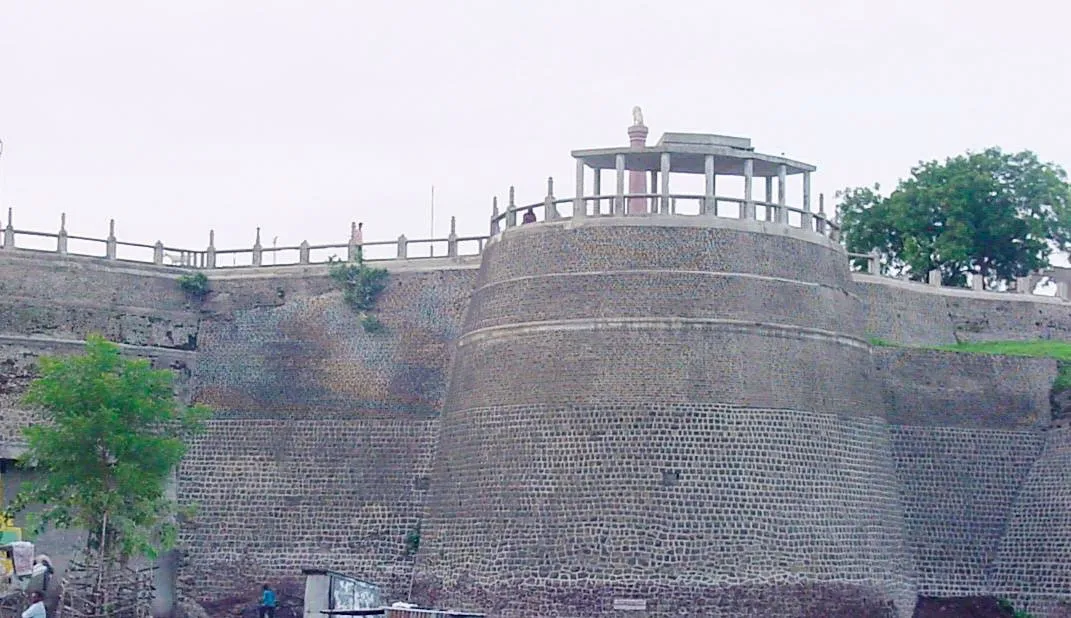
Akola – Where History, Culture and Vidarbha's Heritage Come Together
Located in the Vidarbha region of Maharashtra, Akola is an important city known for its history, cotton production, educational institutions, temples, forts and connection with the wider cultural heritage of eastern Maharashtra. Situated on the banks of the Morna River, the city serves as the administrative headquarters of Akola district.
From the historic Akola Fort and Narnala Fort to the scenic Katepurna region, traditional temples and lively local markets, Akola offers travellers a combination of history, culture, agriculture, nature and everyday Maharashtrian life.
With its strategic location in Vidarbha and its long association with the Berar region, Akola is an interesting destination for travellers who want to explore a less-commercialised side of Maharashtra while experiencing the region's rich heritage and local traditions.
History of Akola
The history of Akola is closely connected with the ancient and medieval history of the Berar region. Over the centuries, the area came under the influence of different dynasties and political powers before becoming part of the Nizam's dominions and later British-administered Berar.
- The region has a long history associated with the Berar and Vidarbha areas of central India.
- Local traditions associate the origin of the city's name with a Rajput chief named Akolsingh.
- The area came under the influence of the Nizam Shahi and other Deccan powers during the medieval period.
- The historic Akola Fort and Asadgad Fort reflect the region's military importance.
- The present Akola district became part of the Nizam's dominion before being assigned to the East India Company in the 19th century.
- Akola became an important administrative centre of West Berar during British rule.
- The region was reorganised administratively several times during the British period and after Indian independence.
- In 1956, Akola became part of the reorganised Bombay State.
- In 1960, the district became part of the newly formed state of Maharashtra.
- On 1 July 1998, Akola district was divided to create the separate Washim district.
Today, the city's historic forts, temples and surrounding heritage sites preserve the story of Berar's political, military and cultural evolution.
Geography of Akola
Akola is situated in the eastern-central part of Maharashtra and forms part of the Amravati administrative division. The city is located on the banks of the Morna River and is surrounded by the agricultural landscapes of Vidarbha.
Akola's geography is defined by:
Deccan Plateau terrain with generally flat and gently undulating landscapes
Morna River flowing through the city
Agricultural plains surrounding the urban area
Cotton-growing regions that contribute significantly to the local economy
Gavilgad and Satpura hill ranges towards the northern parts of the wider district
Forests and wildlife areas around destinations such as Narnala and Katepurna
The district experiences a generally hot and dry climate, with the monsoon bringing seasonal greenery and improved water levels in rivers and reservoirs.
Its combination of agricultural plains, historic hills, forests and waterways makes Akola a useful base for exploring the natural and cultural landscapes of Vidarbha.
Culture and Traditions of Akola
The culture of Akola reflects the traditions of Vidarbha and Maharashtra, with Marathi language and Maharashtrian customs forming the foundation of local life. Agriculture, community celebrations, religious traditions and regional food play an important role in the city's cultural identity.
Traditional Lifestyle
Akola combines a modern urban lifestyle with the traditions of the surrounding agricultural communities. Cotton farming and other agricultural activities have historically influenced the economy and everyday life of the region.
Traditional markets, temples, neighbourhoods and community institutions continue to provide a connection with the city's cultural roots.
Language and Traditions
Marathi is the principal language spoken in Akola, while Hindi and English are also widely understood. The city's diverse population has contributed to a cultural environment where different regional traditions coexist.
Traditional customs are expressed through festivals, religious ceremonies, folk performances, local food and community gatherings.
Music, Dance and Folk Culture
The broader Vidarbha region has a rich tradition of folk music, devotional performances, Powada, Lavani and community celebrations. Folk performances and cultural programmes are often organised during festivals and local events.
Traditional music and storytelling have historically played an important role in preserving local history and community identity.
Rural and Agricultural Culture
The surrounding villages remain closely connected with agriculture. Festivals such as Pola, which celebrates the importance of bulls and farming communities, reflect the strong relationship between local traditions and rural life.
For visitors, Akola provides an opportunity to experience a side of Maharashtra where urban development, agriculture, festivals and traditional Vidarbha culture come together.
Architecture of Akola
Akola's architectural character is shaped by its medieval forts, temples, historic religious structures and traditional buildings. The wider district contains several monuments that reflect the military and cultural history of Berar.
Akola Fort
Akola Fort, also known as Asadgad Fort in connection with the historic fortification complex, reflects the city's strategic importance. The fortifications and remaining structures provide an insight into the military history of the region.
Narnala Fort
Narnala Fort, also known as Shahnoor Fort, is one of the most important historic structures in the Akola district. Situated in the Satpura hills, the vast fort complex combines different architectural influences accumulated under several dynasties.
Its gates, bastions, water tanks, mosques and defensive structures demonstrate the advanced military planning used by its builders.
Temple Architecture
Akola and its surrounding areas are home to several temples reflecting traditional Maharashtrian religious architecture. Local shrines and temple complexes continue to function as important centres of community life.
Traditional Homes and Urban Heritage
Older neighbourhoods of Akola include traditional homes and commercial buildings that reflect the city's development during the late colonial and early modern periods.
Exploring Akola's architecture offers visitors an opportunity to understand the connection between fortification, religion, agriculture and urban development in Vidarbha.
Famous Places in Akola
Akola and the surrounding district offer a variety of forts, temples, wildlife areas, reservoirs and scenic landscapes.
Narnala Fort
Narnala Fort is one of the most important historical attractions near Akola. Perched in the Satpura hills, the fort covers a large area and contains numerous gates, bastions, water tanks and historic structures.
Also known as Shahnoor Fort, Narnala has witnessed the rule of several dynasties, including the Yadavas, Bahmani rulers, Imad Shahis, Mughals and Marathas.
The fort's elevated location also provides spectacular views of the surrounding forest and countryside.
Akola Fort and Asadgad
The historic fortifications of Akola are among the city's important heritage landmarks. The structures reflect the strategic importance of Akola during the medieval and early modern periods.
Balapur Fort
Located approximately 26 kilometres from Akola, Balapur Fort stands near the confluence of the Man and Mhais rivers. The fort is an important example of medieval military architecture and is one of the prominent historical attractions of the district.
Katepurna Wildlife Sanctuary
Katepurna Wildlife Sanctuary is a natural attraction in Akola district known for its dry deciduous vegetation and diverse plant and animal life. The sanctuary provides an opportunity to experience the natural environment of Vidarbha.
Maa Kalanka Devi Temple
Maa Kalanka Devi Temple at Barshitakli is an important religious destination in the district. The temple attracts devotees and is associated with local religious traditions and festivals.
Salasar Balaji Temple
The Salasar Balaji Temple in Akola is a comparatively modern religious attraction dedicated to Lord Hanuman. The temple attracts devotees throughout the year.
Shri Rajeshwar Temple
Shri Rajeshwar Temple is one of the prominent religious landmarks in Akola city. Dedicated to Lord Shiva, the temple is an important centre of local devotion and religious activity.
Katepurna Reservoir
The Katepurna Reservoir is an important water resource in the region and also contributes to the scenic landscape around the wildlife sanctuary.
For travellers interested in history, forts, temples, wildlife and offbeat destinations, Akola offers a varied selection of attractions.
Famous Dishes of Akola
The food of Akola reflects the flavours of Vidarbha and traditional Maharashtrian cuisine. Local cooking commonly uses grains, pulses, vegetables, peanuts, spices and seasonal ingredients.
Varhadi Saoji
Saoji cuisine is one of Vidarbha's most distinctive culinary traditions. Saoji dishes are known for their bold flavours and generous use of spices, especially in meat preparations.
Saoji Chicken
Saoji Chicken is a popular regional preparation made with chicken cooked in a strongly spiced gravy. It is particularly popular among visitors who enjoy spicy Maharashtrian food.
Saoji Mutton
Saoji Mutton is another well-known Vidarbha speciality. The meat is cooked with a complex blend of roasted spices to create a rich and intensely flavoured curry.
Bhakri
Bhakri is an important part of traditional Maharashtrian food and is commonly prepared using jowar or bajra. It is served with vegetables, dal, chutney or spicy curries.
Pithla Bhakri
Pithla Bhakri is a simple and traditional Maharashtrian meal. Pithla is made from gram flour and spices and is generally served with freshly prepared bhakri.
Poha
Poha is a popular breakfast and snack across Maharashtra. Flattened rice is cooked with onions, peanuts, spices and other ingredients to create a light and flavourful meal.
Varhadi Snacks and Sweets
Local food culture also includes a variety of Maharashtrian snacks and sweets prepared during festivals and family occasions. Seasonal ingredients and traditional cooking methods remain important to regional cuisine.
For food lovers, exploring Akola's local eateries is an excellent way to experience the spicy, rustic and distinctive flavours of Vidarbha.
Famous Personalities of Akola
Akola and the wider district have been associated with several influential personalities from agriculture, education, politics, social reform and public life.
Dr. Panjabrao Deshmukh
Dr. Panjabrao Deshmukh was an influential agricultural leader and former Union Agriculture Minister of India. He played an important role in promoting agricultural education and the development of farming communities.
His legacy is strongly associated with Akola, where Dr. Panjabrao Deshmukh Krishi Vidyapeeth was established and continues to play an important role in agricultural education and research.
Local Agricultural and Educational Leaders
Akola has also produced numerous teachers, agricultural scientists, social workers, political leaders and community contributors who have played important roles in the development of Vidarbha.
The city's identity as an agricultural and educational centre has helped shape a strong community of researchers, farmers and professionals.
Cultural Contributors
Artists, writers, performers and local cultural organisations have contributed to preserving the traditions of Vidarbha through music, literature, theatre, folk art and community festivals.
The people associated with Akola reflect the city's importance as a regional centre for agriculture, education, culture and public life.
Festivals of Akola
Festivals in Akola reflect the cultural traditions of Maharashtra and the diverse communities living in Vidarbha. Religious festivals, agricultural celebrations and local fairs bring the city and surrounding villages to life throughout the year.
Ganesh Chaturthi
Ganesh Chaturthi is celebrated enthusiastically across Akola with decorated idols, prayers, cultural programmes, community gatherings and processions.
Gudi Padwa
Gudi Padwa marks the Marathi New Year and is celebrated with traditional decorations, festive food, family gatherings and cultural activities.
Diwali
Diwali is celebrated with lamps, rangoli, prayers, sweets and family gatherings. Local markets become particularly lively during the festive season.
Pola Festival
Pola is an important agricultural festival in Maharashtra, particularly significant in rural communities. Farmers decorate and honour their bulls as a celebration of their contribution to agriculture.
Holi
Holi is celebrated with colours, music and community gatherings. Cultural programmes and local events add to the festive atmosphere.
Navratri and Dussehra
Navratri and Dussehra are observed with prayers, cultural programmes and religious celebrations across the city and surrounding villages.
Local Temple Fairs and Yatras
Several temples across Akola district organise annual jatra, yatra and religious fairs. These events often include devotional music, traditional food, processions and community gatherings.
For visitors, attending a local festival can be a memorable way to experience Akola's traditions, agricultural heritage and community spirit.
Things to Do in Akola
Akola offers a range of activities for travellers interested in history, nature, spirituality and local culture.
Explore Narnala Fort
Visit Narnala Fort and explore its historic gates, bastions, water tanks, ancient structures and panoramic hilltop surroundings.
Discover Akola's Historic Forts
Explore the remaining fortifications of Akola and Asadgad to learn more about the military history of the city.
Visit Balapur Fort
Take a short excursion to Balapur Fort and explore its historic architecture near the meeting point of the Man and Mhais rivers.
Explore Katepurna Wildlife Sanctuary
Nature lovers can visit Katepurna Wildlife Sanctuary to experience dry deciduous forests, wildlife and the natural landscape of Vidarbha.
Visit Local Temples
Explore religious landmarks such as Maa Kalanka Devi Temple, Shri Rajeshwar Temple and Salasar Balaji Temple to experience the spiritual traditions of the region.
Try Saoji Cuisine
Food lovers should try traditional Varhadi-Saoji cuisine, particularly spicy chicken and mutton preparations, along with bhakri and other Maharashtrian dishes.
Explore Local Markets
Visit Akola's markets to experience everyday life, shop for clothing and household goods and discover regional food products.
Enjoy Nature and Photography
The forts, hills, forests, reservoirs and rural landscapes around Akola offer excellent opportunities for landscape, wildlife and heritage photography.
For travellers looking beyond Maharashtra's major tourist cities, Akola offers an opportunity to explore Vidarbha's history, culture and natural landscapes at a relaxed pace.
Where to Eat, Shop, and Stay in Akola
Akola is an established regional city with a wide range of restaurants, markets, hotels and shopping areas. Travellers can find options ranging from local eateries and budget hotels to modern restaurants and business accommodation.
Where to Eat
Akola has restaurants serving Maharashtrian, Saoji, North Indian, South Indian, Chinese and multi-cuisine food.
Visitors should especially look for traditional Saoji restaurants to experience the distinctive flavours of Vidarbha.
Local eateries also offer snacks such as poha, vada pav, misal pav and bhaji.
Where to Shop
Shopping in Akola includes local markets, textile stores, clothing shops, jewellery stores, grocery markets and modern retail outlets.
Because the district is known for cotton production, visitors may also come across cotton textiles and locally produced fabrics.
Local markets become particularly lively during Diwali, Ganesh Chaturthi and other major festivals.
Where to Stay
Akola offers accommodation across different budgets. Depending on your requirements, travellers can find:
Budget hotels and lodges
Mid-range hotels
Business hotels
Guesthouses
Hotels near the railway station and major commercial areas
For travellers planning excursions to Narnala, Katepurna or Balapur, staying in Akola city can provide a convenient base.
During festivals, events and peak travel periods, it is advisable to book accommodation in advance.
What Is Akola Famous For?
Akola is famous for its cotton production, historic forts, agricultural heritage, educational institutions, temples and connection with Vidarbha's culture.
Akola is especially known for:
Narnala Fort – a historic hill fortress with extensive fortifications, gates and panoramic views.
Akola Fort and Asadgad – historic fortifications reflecting the strategic importance of the city.
Balapur Fort – a medieval fort situated near the confluence of the Man and Mhais rivers.
Katepurna Wildlife Sanctuary – a protected natural area known for dry deciduous forests and wildlife.
Cotton Production – Akola is an important cotton-growing and agricultural region in Vidarbha.
Dr. Panjabrao Deshmukh Krishi Vidyapeeth – a major agricultural university associated with the city.
Varhadi-Saoji Cuisine – known for its bold, spicy flavours and distinctive meat preparations.
Marathi Culture – expressed through festivals, food, folk traditions and community celebrations.
Temples and Religious Heritage – including Maa Kalanka Devi Temple and other important local shrines.
For visitors, Akola is more than a commercial centre. It is a destination where agriculture, history, education, culture and the natural heritage of Vidarbha come together.
Best Time to Visit Akola
The best time to visit Akola is generally from October to February, when the weather is more comfortable for sightseeing, outdoor activities and exploring the surrounding attractions.
| Season | Months | Travel Experience |
|---|---|---|
| Winter | October–February | Pleasant weather and ideal for sightseeing and outdoor activities |
| Summer | March–May | Very hot and dry; outdoor visits are better in the morning or evening |
| Monsoon | June–September | Green landscapes, improved water levels and attractive natural surroundings |
| Post-Monsoon | October | Comfortable weather and good conditions for exploring forts and nature |
For comfortable sightseeing, October to February is generally preferred. The monsoon can also be an attractive period for visitors interested in green landscapes, reservoirs and the natural surroundings of Narnala and Katepurna.
How to Reach Akola
Akola is well connected with major cities across Maharashtra and India by air, rail and road. Its location in Vidarbha makes it an important transportation centre in the region.
By Air
Akola Airport, also known as Shivani Airport, is located around 7 kilometres from the city. Depending on current flight operations, travellers can also use Dr. Babasaheb Ambedkar International Airport in Nagpur as a major alternative airport.
From the airport, visitors can continue towards the city by taxi or private vehicle.
By Train
Akola Railway Station is an important railway station with connections to several major cities in India. Trains connect Akola with cities including Mumbai, Nagpur, Delhi, Pune, Ahmedabad, Hyderabad and other major destinations.
The railway network makes Akola one of the more convenient cities in Vidarbha for long-distance travel.
By Road
Akola is well connected by road with cities across Maharashtra and neighbouring states. State transport buses, private buses, taxis and private vehicles provide road access to the city.
Major cities such as Nagpur, Amravati, Washim, Buldhana, Aurangabad and Mumbai can be reached by road from Akola.
Within the city, travellers can use auto-rickshaws, buses, taxis and private vehicles to reach different attractions.
Nearby Places to Visit from Akola
Akola is a useful base for exploring several historical, religious and natural destinations in Vidarbha and the wider Maharashtra region.
Narnala
Narnala is one of the most important nearby destinations, known for its historic hill fort and surrounding wildlife landscape. It is ideal for travellers interested in history, trekking and nature.
Balapur
Balapur is located around 26 kilometres from Akola and is known for its historic fort situated near the confluence of the Man and Mhais rivers.
Katepurna Wildlife Sanctuary
Katepurna Wildlife Sanctuary offers an opportunity to experience the dry deciduous forests and wildlife of Vidarbha. The sanctuary is particularly attractive to nature lovers and photographers.
Patur
Patur is a town in Akola district surrounded by agricultural landscapes and historic and religious sites. It can be included in a wider exploration of the district.
Washim
Washim is a neighbouring district headquarters with a long religious and historical heritage. It can be visited as part of a broader Vidarbha itinerary.
Amravati
Amravati is one of the important cities of the Vidarbha region and serves as the divisional headquarters. It offers additional temples, markets and cultural attractions for travellers exploring eastern Maharashtra.
Melghat
Melghat, located farther north in the Satpura landscape, is known for forests, wildlife and scenic hills. It can be included in a longer Vidarbha nature itinerary.
These destinations can be combined into a longer journey through Akola and Vidarbha, offering a mixture of forts, wildlife, temples, agriculture and regional culture.
Best Duration for a Trip to Akola
A 2 to 3-day trip is generally sufficient to explore Akola city and some of the major nearby attractions. Travellers interested in Narnala, wildlife and surrounding destinations can extend their trip to four days or more.
A suggested itinerary could include:
Day 1: Explore Akola city, Akola Fort, local temples and markets.
Day 2: Visit Narnala Fort and explore the surrounding natural landscape.
Day 3: Visit Balapur Fort and Katepurna Wildlife Sanctuary, depending on travel conditions and opening arrangements.
Day 4: Keep additional time for nearby villages, religious attractions or a longer excursion into Vidarbha.
Travellers focusing only on the city's major attractions can cover Akola in two days, but 3 days is more comfortable for experiencing the city's heritage, food and surrounding attractions.
Travel Tips for Akola
Akola is an easy city to explore, but a little preparation can make your journey more comfortable.
Plan outdoor visits carefully: Summers can be extremely hot, so visit forts and outdoor attractions during the morning or late afternoon.
Carry drinking water: Keep water with you, particularly when travelling to Narnala, Katepurna and other outdoor destinations.
Wear comfortable footwear: Forts and natural attractions can involve walking, uneven paths and steps.
Check weather conditions: Monsoon rainfall can affect roads and outdoor activities, while summer temperatures can be intense.
Respect religious places: Dress appropriately and follow local customs when visiting temples and other religious sites.
Carry sun protection: Sunscreen, sunglasses and a hat are useful during the hotter months.
Plan transport for nearby attractions: A private vehicle or taxi can be more convenient for visiting Narnala, Balapur and Katepurna.
Keep some cash: Small shops, local eateries and rural establishments may not always accept digital payments.
Try local cuisine: Do not miss the opportunity to taste authentic Varhadi-Saoji food during your visit.
Respect wildlife: Follow local rules and avoid disturbing animals when visiting protected areas such as Katepurna.
Check attraction timings: Confirm access and visiting arrangements before travelling to forts, sanctuaries and religious sites.
With proper planning, Akola can offer a memorable experience filled with history, wildlife, temples, food and the authentic cultural character of Vidarbha.
Why Visit Akola?
Akola is a destination for travellers who want to explore a lesser-known but culturally rich part of Maharashtra. Its combination of forts, agriculture, temples, wildlife and regional food makes it different from the state's more heavily visited tourist cities.
Discover Vidarbha's History
Akola's forts and surrounding historic sites provide an opportunity to explore the long history of the Berar region and the Deccan.
Explore Narnala Fort
The magnificent Narnala Fort offers a combination of history, architecture, trekking and panoramic views. Its enormous fort complex makes it one of the most rewarding attractions in the district.
Experience Vidarbha's Wildlife
Destinations such as Katepurna Wildlife Sanctuary provide opportunities to experience the natural landscapes and wildlife of eastern Maharashtra.
Taste Saoji Cuisine
Akola is an excellent destination for food lovers interested in bold and spicy Vidarbha cuisine. Saoji chicken and mutton are particularly worth trying.
Experience Agricultural Maharashtra
The city's connection with cotton production and agriculture provides visitors with an opportunity to understand the economic and cultural importance of farming in Vidarbha.
Discover Local Festivals
Ganesh Chaturthi, Pola, Diwali, Holi and local temple fairs offer opportunities to experience the region's traditional celebrations and community life.
Enjoy an Offbeat Maharashtra Experience
For travellers who want to move beyond Mumbai, Pune and other major tourist centres, Akola provides a more relaxed opportunity to discover Vidarbha's history, culture, food and natural landscapes.
If you enjoy forts, history, wildlife, local food, temples, photography and regional culture, Akola is a destination worth adding to your Maharashtra travel itinerary.
Conclusion
Akola is a city that offers an interesting introduction to the history, culture and landscapes of Vidarbha. Its connection with the historic Berar region, agricultural traditions and important educational institutions gives it a distinctive identity within Maharashtra.
From exploring the impressive Narnala Fort and historic fortifications of Akola to discovering Katepurna's natural surroundings, local temples and distinctive Saoji cuisine, the city offers a wide variety of experiences for curious travellers.
If you are looking to explore beyond Maharashtra's most popular tourist destinations and experience a place where history, agriculture, wildlife, spirituality and authentic regional culture come together, Akola is a destination worth discovering.
"Travel is the only thing you buy that makes you richer."