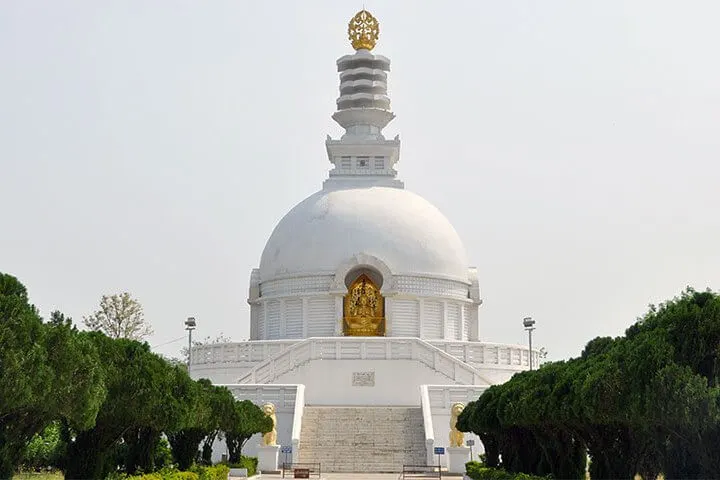
Wardha – Where Gandhian Heritage Meets Rural Maharashtra and Peace
Located in the heart of Maharashtra, Wardha is a culturally and historically significant destination known for its deep connection with Mahatma Gandhi, Gandhian philosophy, rural traditions and peaceful landscapes. The city and surrounding district played an important role in India's freedom movement and continue to attract visitors interested in history, spirituality, social thought and traditional village life.
Wardha is particularly famous for Sevagram Ashram, where Mahatma Gandhi lived and worked for many years, and Paunar, associated with Acharya Vinoba Bhave and the Bhoodan movement. With its ashrams, museums, temples, lakes, agricultural landscapes and peaceful surroundings, Wardha offers a distinctive experience for travellers exploring Maharashtra.
History of Wardha
The history of Wardha is closely connected with the broader history of Vidarbha, the Maratha region and India's freedom movement. The district's modern identity is particularly associated with Mahatma Gandhi and the development of Sevagram as an important centre of India's independence struggle.
- The Wardha region was historically influenced by several Deccan and central Indian powers.
- The area later became associated with the Maratha Empire and subsequently came under British administration.
- Sevagram became an important centre of Mahatma Gandhi's activities after he moved there in 1936.
- Wardha became an important meeting place for leaders, thinkers and social workers involved in India's freedom movement.
- The district also became associated with Acharya Vinoba Bhave and the Bhoodan movement through Paunar.
Wardha's historical importance therefore extends beyond monuments. Its ashrams and institutions preserve the ideas of non-violence, self-reliance, rural development, social reform and simple living that shaped an important chapter of modern Indian history.
Geography of Wardha
Wardha is located in the Vidarbha region of Maharashtra and lies within the broader Deccan landscape. The district is characterised by agricultural plains, seasonal rivers, rural settlements and gently undulating terrain.
Wardha's geography is defined by:
Wardha River, which forms an important geographical feature of the region
Agricultural landscapes dominated by cotton, soybean, pulses and other crops
Black cotton soil, which supports agriculture across much of the Vidarbha region
Open plains and rural villages surrounding the main urban settlements
Seasonal water bodies and reservoirs that contribute to the region's landscape and local livelihoods
The relatively peaceful rural environment around Wardha makes it especially suitable for travellers interested in history, spirituality, village life, agriculture and slow travel.
Culture and Traditions of Wardha
The culture of Wardha reflects the traditions of Vidarbha and rural Maharashtra, while its association with Gandhian institutions gives the district a distinctive intellectual and social character.
Traditional Lifestyle
Traditional life in Wardha has historically been connected with agriculture, cotton cultivation, village crafts and community-based living. Rural settlements around the city continue to preserve many aspects of traditional Maharashtrian life.
The influence of Gandhian thought can also be seen in the emphasis on khadi, handicrafts, self-reliance and village-based development.
Language and Traditions
Marathi is the principal language of the region, while Hindi and English are also commonly understood. Local traditions are expressed through festivals, religious ceremonies, folk customs, food and community gatherings.
Music, Dance and Festivals
Traditional Maharashtrian folk music, devotional performances and cultural programmes are part of local life. Festivals such as Ganesh Chaturthi, Gudi Padwa, Diwali, Holi and Mahashivratri are celebrated across the district.
Wardha's cultural identity also includes the legacy of Gandhian institutions and social movements, which continue to attract researchers, students and visitors interested in India's social history.
The culture of Wardha therefore combines traditional Vidarbha life with the enduring legacy of social reform, rural development and Gandhian philosophy.
Architecture of Wardha
Wardha's architectural identity is different from destinations known for grand palaces or monumental forts. Its most distinctive architecture is found in ashrams, simple rural structures, temples and institutions associated with Gandhian and Vinoba Bhave's philosophies.
Sevagram Ashram
Sevagram Ashram is one of Wardha's most important landmarks. The simple structures, open surroundings and modest living spaces reflect the principles of simplicity and self-reliance associated with Mahatma Gandhi.
Paunar Ashram
The Paunar Ashram, associated with Acharya Vinoba Bhave, reflects the simple architectural character of an ashram environment. The peaceful surroundings and understated structures complement the area's spiritual and social significance.
Gitai Mandir
Located at Paunar, Gitai Mandir is a distinctive open-air monument associated with Vinoba Bhave's work. Instead of conventional idols, the walls display verses from the Gitai, Vinoba Bhave's Marathi rendering of the Bhagavad Gita.
Traditional Rural Architecture
Villages around Wardha contain traditional homes and structures built using locally available materials. Courtyards, tiled roofs and simple functional layouts reflect the agricultural lifestyle of the region.
Wardha's architecture is therefore closely connected with simplicity, spirituality, rural life and social philosophy.
Famous Places in Wardha
Wardha offers a variety of attractions centred around Gandhian heritage, spirituality, history and the natural beauty of Vidarbha. Here are some of the places worth exploring.
Sevagram Ashram
Sevagram Ashram is the most famous attraction in Wardha. Mahatma Gandhi made Sevagram his home in 1936, and the ashram subsequently became an important centre for his work and the Indian freedom movement.
Visitors can explore the simple living spaces, prayer areas, museum exhibits and other facilities that help explain Gandhi's life and philosophy.
Gandhi Ashram Museum
The museum complex at Sevagram preserves photographs, objects, documents and information related to Mahatma Gandhi, the freedom movement and Gandhian philosophy. It offers visitors a deeper understanding of Gandhi's work and his connection with rural India.
Magan Sangrahalaya
Magan Sangrahalaya is associated with Gandhian ideas of rural industries, village development and self-reliance. The museum highlights traditional technologies, handicrafts and rural production methods.
Paunar
Paunar is a peaceful village near Wardha known for its association with Acharya Vinoba Bhave. The area became an important centre for his spiritual and social work.
Brahma Vidya Mandir
Brahma Vidya Mandir at Paunar is associated with Vinoba Bhave's spiritual and social philosophy. The peaceful environment makes it an interesting destination for visitors exploring the intellectual and spiritual history of Wardha.
Gitai Mandir
Gitai Mandir is a unique open-air temple at Paunar. The walls carry the verses of the Gitai, making the site both a spiritual and literary landmark.
Laxmi Narayan Temple
The Laxmi Narayan Temple in Wardha is historically significant because it is associated with the social reform efforts of Mahatma Gandhi and the movement for greater social equality in temple access.
Bor Dam
Bor Dam is a scenic destination surrounded by greenery and open landscapes. It is particularly attractive during and after the monsoon when the surrounding countryside becomes greener.
Bor Wildlife Sanctuary
The Bor Wildlife Sanctuary is located in Wardha district and provides habitat for a variety of wildlife and bird species. The sanctuary is particularly interesting for nature lovers and wildlife enthusiasts.
Kelzar Ganpati Temple
The Kelzar Ganpati Temple is located near Wardha and is an important religious destination surrounded by natural landscapes. The temple attracts devotees throughout the year.
These attractions make Wardha an interesting destination for travellers interested in Gandhian history, spirituality, rural culture, wildlife and peaceful landscapes.
Famous Dishes of Wardha
The food of Wardha reflects the traditional flavours of Vidarbha and Maharashtra. Local cuisine often features jowar, wheat, lentils, vegetables, peanuts and bold spices.
Saoji Cuisine
Saoji cuisine is one of the most distinctive food traditions of the Vidarbha region. Known for its spicy and aromatic gravies, Saoji dishes often feature chicken, mutton or other ingredients cooked with a complex blend of spices.
Jowar Bhakri
Jowar bhakri is a traditional staple across Vidarbha and Maharashtra. The millet flatbread is commonly served with vegetables, curries, chutneys and other regional preparations.
Pithla Bhakri
Pithla bhakri is a simple and traditional Maharashtrian meal made with gram flour and served with bhakri. It remains popular in rural areas and traditional households.
Varhadi-Style Curries
Varhadi and Vidarbha-style curries are known for their bold use of spices and chilli. These preparations are particularly popular among travellers interested in regional Maharashtrian cuisine.
Tarri Poha
Poha is a popular Maharashtrian breakfast, and the Vidarbha region also has versions served with spicy tarri, creating a more robust and flavourful meal.
Bhakri and Thecha
Traditional bhakri served with spicy thecha is a simple yet flavourful combination commonly enjoyed across Maharashtra.
Puran Poli
Puran poli is a traditional Maharashtrian sweet flatbread prepared with a filling of lentils, jaggery and spices. It is especially popular during festivals and family celebrations.
Food lovers visiting Wardha should explore local eateries to experience the spicy, hearty and traditional flavours of Vidarbha.
Famous Personalities of Wardha
Wardha's greatest association with famous personalities comes from the Gandhian movement, India's freedom struggle and social reform movements. The district became a meeting place for several important thinkers and activists.
Mahatma Gandhi
Mahatma Gandhi is the personality most closely associated with Wardha. He moved to Sevagram in 1936, and the ashram became an important centre for his work, writings, meetings and experiments in rural development and self-reliance.
Kasturba Gandhi
Kasturba Gandhi lived and worked alongside Mahatma Gandhi and was closely associated with the Gandhian movement. Her presence at Sevagram forms an important part of the site's history.
Acharya Vinoba Bhave
Acharya Vinoba Bhave was a major spiritual leader and social reformer associated with Paunar near Wardha. He is especially remembered for the Bhoodan movement, which encouraged landowners to voluntarily donate land to landless people.
Jamnalal Bajaj
Jamnalal Bajaj was an industrialist, freedom fighter and close associate of Mahatma Gandhi. He played an important role in supporting Gandhian institutions and constructive programmes in the Wardha region.
J. C. Kumarappa
J. C. Kumarappa, an economist and Gandhian thinker, contributed significantly to ideas around rural economics, sustainable development and village industries. His work was closely connected with the wider Gandhian movement centred around Wardha.
These personalities helped make Wardha an important centre for India's freedom movement, rural development, social reform and Gandhian thought.
Festivals of Wardha
Festivals in Wardha combine traditional Maharashtrian customs, religious celebrations and community gatherings. The district's ashrams and temples also hold events connected with spiritual and cultural traditions.
Gandhi Jayanti
Gandhi Jayanti is especially significant in Wardha because of the city's deep connection with Mahatma Gandhi. Sevagram becomes an important place for commemorative programmes, prayer meetings and discussions around Gandhian philosophy.
Vinoba Bhave Jayanti
Events associated with Acharya Vinoba Bhave are observed at Paunar and other institutions connected with his life and work. These programmes often focus on his ideas of non-violence, spirituality and social reform.
Ganesh Chaturthi
Ganesh Chaturthi is celebrated throughout Wardha with household and community installations, devotional programmes, cultural events and traditional festive food.
Gudi Padwa
Gudi Padwa, the Maharashtrian New Year, is celebrated with traditional decorations, festive meals, religious ceremonies and community gatherings.
Diwali
Diwali brings together families and communities through traditional sweets, lamps, decorations, festive shopping and religious ceremonies.
Mahashivratri
Mahashivratri is observed at Shiva temples across the district with prayers, devotional programmes and religious gatherings.
These festivals provide visitors with an opportunity to experience the traditional religious and cultural life of Vidarbha.
Things to Do in Wardha
Wardha is ideal for travellers interested in history, spirituality, culture, nature and peaceful experiences. Some of the best things to do include:
Visit Sevagram Ashram
Explore the historic Sevagram Ashram and learn about Mahatma Gandhi's life, philosophy and work. The peaceful setting makes it an especially reflective experience.
Explore Gandhi's Living Spaces
Visitors can explore the simple spaces associated with Gandhi and the people who lived and worked at Sevagram. The experience provides an insight into the principles of simplicity and self-reliance.
Visit Paunar
Travel to Paunar to explore the legacy of Acharya Vinoba Bhave and the spiritual and social institutions established around his work.
Explore Gitai Mandir
Visit the unique open-air Gitai Mandir and see the verses of the Gitai inscribed around the monument.
Discover Gandhian Museums
Explore museums such as Magan Sangrahalaya to learn about village industries, khadi, rural technology and Gandhian ideas of self-sufficiency.
Visit Bor Wildlife Sanctuary
Nature lovers can explore the Bor Wildlife Sanctuary and observe its forests, grasslands and wildlife habitats.
Enjoy Rural Landscapes
Drive through the countryside surrounding Wardha to experience agricultural fields, traditional villages, cotton-growing areas and the peaceful landscape of Vidarbha.
Try Vidarbha Cuisine
Experience local dishes such as Saoji preparations, jowar bhakri, pithla, tarri poha and traditional Maharashtrian sweets.
Wardha is particularly rewarding for travellers who enjoy slow travel, historical learning, spirituality and authentic regional culture.
Where to Eat, Shop, and Stay in Wardha
Wardha offers a mix of local restaurants, small eateries, hotels, guesthouses and accommodation options around the city and major tourist areas.
Where to Eat
Local restaurants in Wardha serve Maharashtrian, Vidarbha and North Indian cuisine. Visitors should try traditional Saoji preparations and local meals featuring bhakri, pithla, spicy chutneys and regional vegetables.
Near Sevagram and other major attractions, travellers can find simple eateries and restaurants suitable for visitors exploring the area.
Where to Shop
Wardha is closely associated with khadi and Gandhian handicrafts. Visitors can explore local shops and institutions selling khadi clothing, handloom products, handicrafts and village-made goods.
Other useful purchases include:
- Khadi clothing
- Handloom textiles
- Traditional handicrafts
- Local agricultural products
- Maharashtrian snacks and food products
- Books related to Gandhi and Vinoba Bhave
Where to Stay
Wardha offers accommodation ranging from budget hotels and guesthouses to comfortable mid-range properties.
Popular areas to consider include:
Wardha city – convenient for restaurants, markets and transport connections.
Sevagram – suitable for travellers primarily interested in Gandhian heritage.
Paunar – useful for visitors exploring Vinoba Bhave's legacy and nearby attractions.
Travellers visiting during major events or festival periods should consider booking accommodation in advance.
What Is Wardha Famous For?
Wardha is famous for its Gandhian heritage, Sevagram Ashram, Acharya Vinoba Bhave, Paunar, khadi, rural development movements and peaceful Vidarbha landscape.
Wardha is especially known for:
Sevagram Ashram – the historic ashram where Mahatma Gandhi lived and worked from 1936.
Mahatma Gandhi's Legacy – Wardha became an important centre for Gandhi's philosophy of non-violence, self-reliance and rural development.
Paunar – associated with Acharya Vinoba Bhave and the Bhoodan movement.
Gitai Mandir – a distinctive open-air monument associated with Vinoba Bhave's interpretation of the Bhagavad Gita.
Khadi and Village Industries – reflecting Gandhian ideas of self-reliance and rural employment.
Bor Wildlife Sanctuary – a natural destination offering opportunities for wildlife and nature experiences.
Vidarbha Cuisine – especially spicy Saoji-style food, bhakri and traditional Maharashtrian preparations.
Freedom Movement Heritage – Wardha served as an important centre for leaders and activities connected with India's independence movement.
For visitors, Wardha represents a unique combination of history, philosophy, spirituality, rural culture and nature.
Best Time to Visit Wardha
The best time to visit Wardha is generally from October to February, when the weather is more comfortable for sightseeing, heritage exploration and outdoor activities.
| Season | Months | Travel Experience |
|---|---|---|
| Winter | October–February | Pleasant weather, ideal for sightseeing and heritage tours |
| Summer | March–May | Hot and dry; outdoor sightseeing is better during mornings and evenings |
| Monsoon | June–September | Greener landscapes and occasional pleasant weather |
October to February is generally the most comfortable period for visiting Sevagram, Paunar and the other attractions around Wardha.
The monsoon season can also be enjoyable for travellers interested in greener landscapes and rural scenery, while summer temperatures can be high.
How to Reach Wardha
Wardha is well connected with major cities of Maharashtra and other parts of India through rail and road networks. Its location in Vidarbha makes it an accessible destination for travellers exploring central Maharashtra.
By Air
The nearest major airport with extensive connectivity is Dr. Babasaheb Ambedkar International Airport in Nagpur. From Nagpur, travellers can continue to Wardha by road or train.
By Train
Wardha Junction is an important railway station with connections to major cities across Maharashtra and India. Rail travel is one of the most convenient ways to reach Wardha.
Trains connect Wardha with cities such as Nagpur, Mumbai, Pune, Hyderabad and other major destinations.
By Road
Wardha is connected by road with Nagpur, Amravati, Yavatmal and other cities in Maharashtra. Buses, taxis and private vehicles provide convenient options for reaching the city and exploring nearby attractions.
Road travel is particularly useful for visitors planning to combine Wardha with Sevagram, Paunar, Bor Wildlife Sanctuary and other rural destinations.
Nearby Places to Visit from Wardha
Wardha's location in Vidarbha makes it a convenient starting point for exploring several historical, religious and natural destinations.
Nagpur
Nagpur is located relatively close to Wardha and is known for attractions such as Deekshabhoomi, Sitabuldi Fort, Futala Lake and the Orange City heritage. It can easily be combined with a Wardha trip.
Paunar
Paunar is one of the most important nearby destinations and is associated with Acharya Vinoba Bhave. The ashram and Gitai Mandir make it an important stop for visitors interested in spirituality and social history.
Bor Wildlife Sanctuary
Located in Wardha district, Bor Wildlife Sanctuary offers opportunities for wildlife observation, nature exploration and photography.
Ramtek
Ramtek, near Nagpur, is known for its historic temple, fort and connection with the literary tradition associated with Kalidasa. It can be included in a broader Vidarbha heritage itinerary.
Amravati
Amravati is an important city in Vidarbha known for temples, cultural attractions and access to natural destinations such as Chikhaldara.
Chikhaldara
Chikhaldara is a scenic hill station in Vidarbha known for forests, viewpoints, waterfalls and cooler temperatures. It offers a contrasting mountain experience compared with Wardha's agricultural plains.
Sevagram and Surrounding Villages
The villages around Sevagram provide opportunities to explore traditional agriculture, rural landscapes, khadi-related activities and the social history of the Gandhian movement.
These destinations can be combined with Wardha to create a broader Vidarbha itinerary covering history, spirituality, wildlife and rural culture.
Best Duration for a Trip to Wardha
A 2 to 3-day trip is generally sufficient to explore Wardha's main attractions. Travellers interested in nearby wildlife and heritage destinations can extend the trip to 4 to 5 days.
A suggested itinerary could include:
Day 1: Explore Sevagram Ashram, Gandhi Ashram Museum and Magan Sangrahalaya.
Day 2: Visit Paunar, Gitai Mandir and Brahma Vidya Mandir.
Day 3: Explore Bor Dam or Bor Wildlife Sanctuary and experience the surrounding countryside.
Day 4: Take a longer excursion towards Nagpur or Ramtek.
Day 5: Explore local markets, purchase khadi and regional products and enjoy traditional Vidarbha cuisine before departure.
A weekend is suitable for visitors focusing on Wardha's Gandhian heritage, while a longer itinerary provides more time for nature, wildlife and nearby destinations.
Travel Tips for Wardha
Plan heritage visits: Check opening hours and visiting arrangements for ashrams, museums and heritage institutions before travelling.
Carry sun protection: Wardha can be hot, particularly during summer, so sunscreen, sunglasses and a hat are useful.
Stay hydrated: Carry drinking water when visiting rural and outdoor attractions.
Dress respectfully: Many attractions are associated with temples, ashrams and spiritual traditions, so modest clothing is recommended.
Try local cuisine: Explore Saoji-style preparations, jowar bhakri, pithla, tarri poha and traditional Maharashtrian food.
Explore khadi products: Wardha's Gandhian heritage makes khadi and village-industry products meaningful souvenirs.
Plan wildlife visits: Check local entry rules, safari timings and weather conditions before visiting Bor Wildlife Sanctuary.
Carry some cash: Digital payments are common in urban areas, but cash can still be useful in smaller shops and rural locations.
Respect ashram spaces: Maintain silence and follow local guidelines when visiting places associated with Gandhi and Vinoba Bhave.
Allow extra time for rural travel: Roads to villages and natural attractions may take longer than expected.
With thoughtful planning, Wardha can offer a meaningful journey through India's freedom movement, Gandhian philosophy, rural traditions and the natural landscape of Vidarbha.
Why Visit Wardha?
Wardha is a destination for travellers who want to explore a different side of Maharashtra — one shaped by history, social reform, spirituality, rural development and peaceful landscapes.
Discover Gandhian Heritage
Sevagram offers a unique opportunity to explore the life and work of Mahatma Gandhi in the setting where he lived and developed many of his ideas about rural India and self-reliance.
Explore Vinoba Bhave's Legacy
Paunar provides an opportunity to learn about Acharya Vinoba Bhave, his spiritual philosophy and the Bhoodan movement.
Experience Rural Maharashtra
The agricultural landscapes, villages and traditional food of Wardha provide visitors with a chance to experience the everyday cultural life of Vidarbha.
Discover Khadi and Village Industries
Wardha's association with khadi, handicrafts and village industries makes it an interesting destination for travellers interested in traditional craftsmanship and sustainable rural practices.
Enjoy Nature and Wildlife
Destinations such as Bor Wildlife Sanctuary and Bor Dam offer opportunities to experience the natural environment surrounding the district.
Experience a Peaceful Destination
The simple surroundings of Sevagram and Paunar create an atmosphere of reflection and calm, making Wardha particularly suitable for slow travel, historical exploration and spiritual journeys.
Conclusion
Wardha is a destination where India's freedom movement, Gandhian philosophy, rural traditions and natural landscapes come together. From the historic Sevagram Ashram and the peaceful surroundings of Paunar to the wildlife of Bor and the traditional flavours of Vidarbha, the district offers a distinctive travel experience.
Its connection with Mahatma Gandhi, Acharya Vinoba Bhave and the wider Gandhian movement gives Wardha a historical importance that goes far beyond conventional tourism.
Whether you are interested in history, spirituality, social thought, rural culture, wildlife or traditional Indian craftsmanship, Wardha offers an opportunity to slow down and discover an important chapter of Maharashtra and India's modern history.
"Travel is the only thing you buy that makes you richer."