Parbhani – Where Spiritual Heritage, History and Deccan Culture Meet
Located in the Marathwada region of Maharashtra, Parbhani is a culturally rich city known for its temples, spiritual traditions, historical heritage and connection with the agricultural heartland of the Deccan. The city serves as an important administrative, educational and commercial centre of the region.
Parbhani is particularly known for the revered Shri Renuka Mata Temple at Parli Vaijnath in the surrounding region, the historic Jamb village associated with Samarth Ramdas, and its proximity to important religious destinations such as Parli Vaijnath, Aundha Nagnath and Nanded.
With its combination of spiritual landmarks, historical sites, traditional Maharashtrian culture, local cuisine and rural landscapes, Parbhani offers travellers an opportunity to explore a quieter and less-commercial side of Maharashtra.
History of Parbhani
Parbhani has a long history shaped by the different kingdoms and empires that ruled the Deccan. The region has witnessed the influence of the Satavahanas, Vakatakas, Chalukyas, Rashtrakutas, Yadavas, Delhi Sultanate, Bahmani Sultanate, Nizam's rule and the Marathas.
- Parbhani formed part of several important Deccan kingdoms throughout history.
- The region came under the influence of the Bahmani and later Deccan Sultanates.
- It subsequently became part of the territories ruled by the Nizams of Hyderabad.
- Parbhani became part of the Indian Union after independence and was later incorporated into Maharashtra.
- The district was historically part of the larger Marathwada region, which has a distinctive cultural and historical identity.
- The region is also connected with important figures and traditions of the Bhakti and Samarth traditions.
Today, temples, old settlements and nearby historical landmarks preserve the region's connection with its long Deccan history.
Geography of Parbhani
Parbhani lies in the central part of Maharashtra's Marathwada region. The landscape is primarily composed of agricultural plains, low hills, seasonal streams and fertile farming areas.
Parbhani's geography is defined by:
Deccan plateau landscapes stretching across the region
Agricultural plains supporting cotton, soybean, jowar and other crops
The Godavari River system influencing the broader region
Seasonal streams, reservoirs and rural water bodies
Open countryside and villages surrounding the city
Its location makes Parbhani a useful base for exploring several important religious, cultural and historical destinations across Marathwada.
Culture and Traditions of Parbhani
The culture of Parbhani reflects the distinctive character of Marathwada, where Maharashtrian traditions have developed alongside the historical influences of the Deccan Sultanates and the former Hyderabad State.
Traditional Lifestyle
Life around Parbhani has traditionally been connected with agriculture, livestock, local markets and village communities. Farming remains an important part of the region's economy and everyday life.
Language and Traditions
Marathi is the dominant language of the region, while Hindi, Urdu and other local languages are also understood and spoken. Traditional customs are reflected in religious ceremonies, family celebrations, village fairs and community gatherings.
Music, Dance and Festivals
Traditional Maharashtrian cultural forms such as Bhajan, Kirtan, Bharud and folk performances remain connected with religious and community celebrations. Music and devotional singing are particularly important around temples and pilgrimage centres.
The region's cultural identity is closely connected with Bhakti traditions and the spiritual heritage of Maharashtra.
Architecture of Parbhani
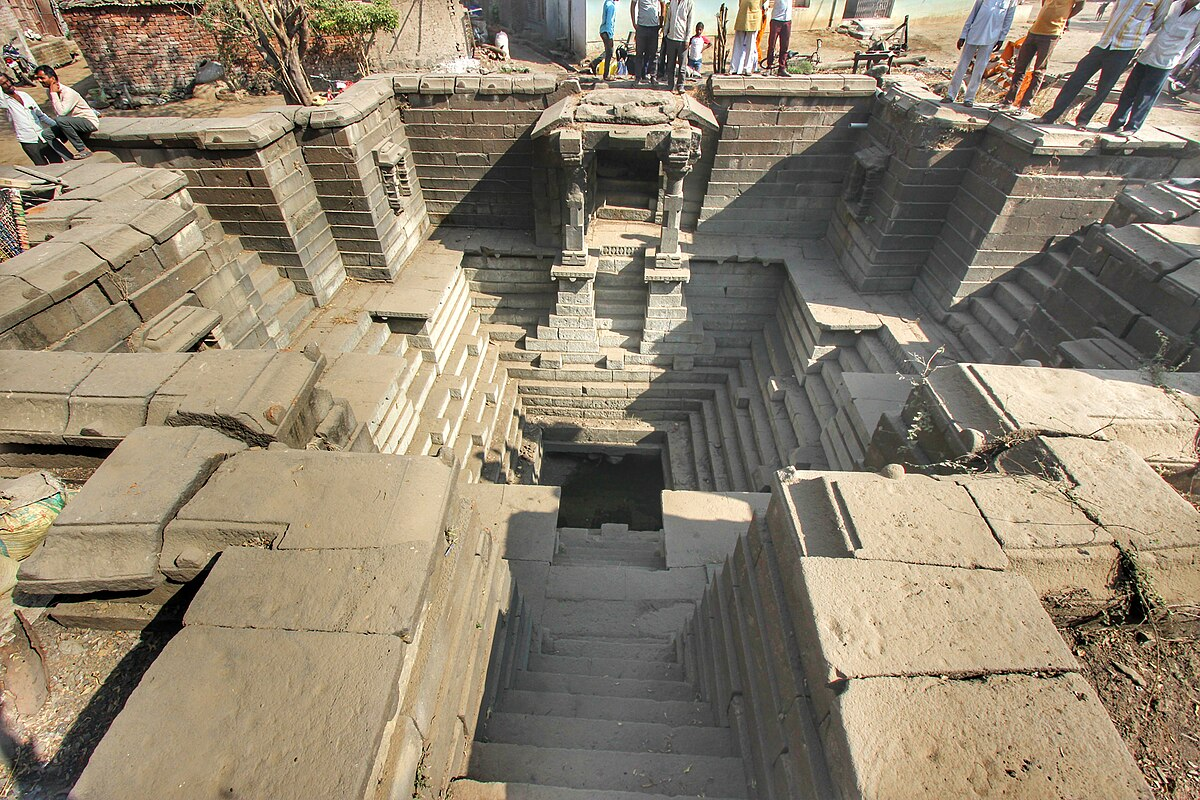
Parbhani's architectural character is largely expressed through its temples, traditional houses, religious structures and historic monuments. The surrounding Marathwada region also contains several examples of Deccan-era architecture.
Traditional Maharashtrian Architecture
Traditional homes and village structures in the region commonly use locally available materials and practical designs suited to the hot and dry Deccan climate.
Temple Architecture
Temples across Parbhani and its surrounding areas display a variety of Maharashtrian and Deccan architectural influences, with stone construction, carved elements, temple courtyards and traditional religious features.
Jamb Heritage
Jamb Samarth, associated with Saint Samarth Ramdas, has important spiritual and architectural significance. The village and its temple traditions attract devotees interested in Maharashtra's religious heritage.
Deccan Architectural Influence
The historical association of the Marathwada region with the Bahmani Sultanate, Deccan Sultanates and Hyderabad State has also influenced the architecture and cultural landscape of the wider area.
For travellers, exploring Parbhani's religious structures and nearby heritage sites provides insight into the region's layered history.
Famous Places in Parbhani
Parbhani and the surrounding region offer several destinations for travellers interested in spirituality, history, architecture and local culture.
Shri Renuka Mata Temple, Parbhani
Shri Renuka Mata Temple is an important religious destination in Parbhani and attracts devotees throughout the year. The temple is associated with the worship of Goddess Renuka and forms part of the city's spiritual landscape.
Jamb Samarth
Jamb Samarth is traditionally regarded as the birthplace of Samarth Ramdas, one of Maharashtra's most influential saints. The village is an important pilgrimage destination for followers of the Samarth tradition.
Parli Vaijnath
Located in the wider Marathwada region, Parli Vaijnath is one of the important Shiva pilgrimage centres associated with the Jyotirlinga tradition. The temple attracts devotees from Maharashtra and other parts of India.
Aundha Nagnath
Aundha Nagnath Temple is another major Shiva pilgrimage centre in the region and is traditionally associated with the Jyotirlinga tradition. Its historic temple architecture and religious importance make it a significant destination for pilgrims.
Nageshwar Temple
The temples around Parbhani and the surrounding Marathwada region reflect the area's long-standing Shaivite and Hindu religious traditions. Local temples provide opportunities to experience everyday devotional life away from larger tourist centres.
Gangakhed
Gangakhed, located on the banks of the Godavari River, is an important religious town in Parbhani district. It is associated with several temples and spiritual traditions and is a popular pilgrimage destination in the region.
Pathri
Pathri is an important town in Parbhani district with religious and historical significance. It is also associated with regional pilgrimage traditions and attracts visitors exploring the spiritual heritage of Marathwada.
Nanded
Located nearby, Nanded is one of the most important religious destinations in Maharashtra, particularly for Sikh pilgrims visiting Takht Sachkhand Shri Hazur Sahib. It can easily be included in a longer Parbhani itinerary.
Famous Dishes of Parbhani
The food of Parbhani reflects the flavours of Marathwada and traditional Maharashtrian cuisine. Local dishes often feature jowar, millet, lentils, vegetables and bold spices.
Bhakri
Bhakri is a traditional Maharashtrian flatbread commonly made from jowar or other grains. It is often served with vegetables, curries, chutneys or lentils.
Pithla Bhakri
Pithla Bhakri is a popular Maharashtrian combination made with a gram-flour-based preparation served alongside bhakri. It is a simple and comforting traditional meal.
Zunka Bhakri
Zunka Bhakri is another traditional Maharashtrian dish made from gram flour and spices, generally enjoyed with bhakri, onions and chutney.
Varan Bhaat
Varan Bhaat is a classic Maharashtrian meal of rice served with lightly seasoned lentils. It is often accompanied by ghee, pickle or vegetables.
Misal Pav
Misal Pav is a popular Maharashtrian street-food dish made with a spicy sprouted-legume preparation, farsan and pav. Different towns across Maharashtra have their own variations.
Sabudana Khichdi
Sabudana Khichdi is a popular fasting and breakfast dish made using tapioca pearls, peanuts, potatoes and spices. It is commonly enjoyed throughout Maharashtra.
Local Maharashtrian Sweets
Traditional sweets such as puran poli, shrikhand and ladoos are commonly prepared during festivals and special occasions.
Trying local Maharashtrian food is an excellent way to experience the everyday culinary culture of Parbhani and Marathwada.
Famous Personalities of Parbhani
Parbhani and its surrounding region have strong associations with saints, spiritual leaders, freedom fighters, writers and public figures.
Samarth Ramdas
Samarth Ramdas was one of Maharashtra's most influential saints, poets and spiritual thinkers. His association with Jamb Samarth makes the region an important destination for followers of his teachings.
Regional Saints and Spiritual Figures
The broader Marathwada region has been influenced by numerous saints and devotional traditions. Bhakti, Kirtan and spiritual teachings continue to form an important part of local cultural life.
Local Writers and Cultural Figures
Parbhani has also contributed to Marathi literature, education and public life through regional writers, teachers and cultural personalities who have helped preserve the heritage of Marathwada.
Festivals of Parbhani
Festivals in Parbhani reflect the strong religious and Maharashtrian cultural traditions of the region.
Ganesh Chaturthi
Ganesh Chaturthi is celebrated with great enthusiasm across Parbhani. Homes, temples and community groups organise prayers, cultural activities and processions.
Navratri
Navratri is celebrated through temple rituals, devotional programmes and community gatherings. Temples dedicated to various forms of the Goddess become important centres of activity.
Mahashivratri
Mahashivratri is especially significant in the region because of its many Shiva temples and proximity to major pilgrimage centres such as Parli Vaijnath and Aundha Nagnath.
Ram Navami
Ram Navami has special cultural significance in places associated with the Samarth tradition. Devotional programmes, Bhajans and religious gatherings are held in temples and communities.
Hanuman Jayanti
Hanuman Jayanti is celebrated at temples across the region with prayers, devotional singing and community events.
Gudi Padwa
Gudi Padwa marks the Marathi New Year and is celebrated with traditional decorations, festive food and cultural gatherings across Parbhani and surrounding villages.
Things to Do in Parbhani
Explore Local Temples
Visit the city's temples and nearby religious sites to experience the spiritual traditions and devotional culture of Marathwada.
Visit Jamb Samarth
Explore Jamb Samarth and learn about the life and teachings associated with Samarth Ramdas.
Take a Pilgrimage Tour
Parbhani is well placed for a spiritual circuit covering destinations such as Parli Vaijnath, Aundha Nagnath, Gangakhed and Nanded.
Explore Local Markets
Walk through Parbhani's local markets to experience everyday life, traditional products, clothing, food items and regional shopping.
Try Marathwada Cuisine
Sample local favourites such as bhakri, pithla, zunka, misal, sabudana khichdi and traditional sweets.
Experience Rural Maharashtra
Explore the villages and agricultural landscapes around the city to experience the quieter side of Marathwada's rural lifestyle.
Visit Nearby Heritage Destinations
Use Parbhani as a base for exploring nearby religious and historical attractions across the region.
Where to Eat, Shop, and Stay in Parbhani
Parbhani offers a practical mix of local restaurants, traditional eateries, markets, hotels, lodges and guesthouses. The city is more suitable for travellers seeking a comfortable base for exploring the surrounding region than for luxury resort tourism.
Where to Eat
Local restaurants and eateries serve Maharashtrian, North Indian, South Indian and vegetarian cuisine. Travellers should look for traditional Maharashtrian meals and local snacks to experience the regional flavours.
Street-food areas and local markets are also good places to try dishes such as misal pav, bhakri-based meals, sabudana khichdi and traditional snacks.
Where to Shop
Parbhani's local markets are suitable for purchasing traditional clothing, household products, local snacks, religious items and everyday goods.
Visitors can also look for locally produced agricultural products and regional food items depending on the season.
Where to Stay
Accommodation in Parbhani includes:
Budget hotels
Mid-range hotels
Guesthouses and lodges
Business hotels
Simple family-run accommodation
For travellers planning visits to surrounding pilgrimage centres, staying in Parbhani city can provide a convenient base, while destinations such as Nanded and Parli offer additional accommodation options.
What Is Parbhani Famous For?
Parbhani is famous for its religious heritage, Marathwada culture, agricultural landscape and proximity to important pilgrimage destinations.
Parbhani is especially known for:
Jamb Samarth – associated with the life and birthplace of Samarth Ramdas.
Marathwada Heritage – reflecting the region's distinctive history and cultural traditions.
Religious Tourism – with temples and pilgrimage destinations across Parbhani and neighbouring districts.
Traditional Maharashtrian Cuisine – including bhakri, pithla, zunka, misal and other regional dishes.
Agricultural Landscape – with farming forming an important part of the local economy and identity.
Proximity to Nanded – allowing travellers to combine Parbhani with the important Sikh pilgrimage centre of Hazur Sahib.
For visitors, Parbhani offers an opportunity to experience the spiritual, cultural and rural character of Maharashtra's Marathwada region.
Best Time to Visit Parbhani
The best time to visit Parbhani is generally from October to February, when the weather is more comfortable for sightseeing and visiting temples and nearby destinations.
| Season | Months | Travel Experience |
|---|---|---|
| Winter | October–February | Pleasant weather, ideal for sightseeing and pilgrimage trips |
| Summer | March–May | Hot and dry, better for shorter morning or evening visits |
| Monsoon | June–September | Greener landscapes and moderate to heavy rainfall |
| Post-Monsoon | October–November | Comfortable weather and refreshed countryside |
For a comfortable sightseeing and pilgrimage experience, October to February is generally the preferred period. The monsoon season can also be pleasant for travellers interested in seeing the surrounding countryside after the rains.
How to Reach Parbhani
Parbhani is well connected with several cities in Maharashtra through rail and road networks. Its location in Marathwada makes it a convenient access point for exploring the surrounding pilgrimage and cultural destinations.
By Air
Parbhani does not have a major commercial airport of its own. Travellers generally use nearby airports such as Chhatrapati Sambhajinagar Airport or other suitable regional airports and continue the journey by road or rail.
By Train
Parbhani Junction is an important railway station in Marathwada and provides rail connectivity with cities such as Nanded, Hyderabad, Mumbai, Pune, Aurangabad and other parts of Maharashtra and India.
By Road
Parbhani is connected by road with Nanded, Latur, Hingoli, Beed, Chhatrapati Sambhajinagar and other cities. State transport buses, private buses, taxis and private vehicles are commonly used to reach the city.
Road travel is particularly convenient for exploring nearby temples, villages and pilgrimage destinations.
Nearby Places to Visit from Parbhani
Parbhani is surrounded by several important destinations that can be included in a longer Marathwada travel itinerary.
Nanded
Nanded is one of the most important nearby destinations and is famous for Takht Sachkhand Shri Hazur Sahib, one of the most significant Sikh pilgrimage centres in India. The city can be combined with Parbhani for a spiritual and cultural trip.
Parli Vaijnath
Parli Vaijnath is an important Shiva pilgrimage destination and attracts devotees throughout the year. Its historic temple makes it one of the region's major religious attractions.
Aundha Nagnath
Aundha Nagnath is another major temple destination in the region and is associated with the Jyotirlinga tradition. It is an excellent addition to a spiritual circuit from Parbhani.
Gangakhed
Located along the Godavari River, Gangakhed is known for its temples and spiritual importance. Its riverside setting adds a peaceful element to a pilgrimage journey.
Pathri
Pathri is an important town in Parbhani district and can be included in an itinerary exploring the religious and cultural landscape of Marathwada.
Hingoli
Hingoli lies close to Parbhani and offers additional opportunities for exploring temples, local culture and the rural landscape of Marathwada.
Lonar
Lonar, located farther away in Buldhana district, is famous for its meteorite impact crater lake and unique natural landscape. It can be included in a longer Maharashtra itinerary.
Best Duration for a Trip to Parbhani
A 2 to 4-day trip is generally sufficient to explore Parbhani and some of its important nearby religious destinations.
A suggested itinerary could include:
Day 1: Arrive in Parbhani and explore local temples, markets and cultural attractions.
Day 2: Visit Jamb Samarth and explore nearby religious and historical sites.
Day 3: Take a day trip towards Aundha Nagnath or Gangakhed.
Day 4: Explore Nanded or another nearby destination before returning or continuing your journey.
Travellers interested primarily in pilgrimage can plan a shorter trip, while those wishing to explore Parbhani, Nanded and surrounding Marathwada destinations should consider three to four days.
Travel Tips for Parbhani
Parbhani is relatively easy to explore, but a few simple preparations can make your journey more comfortable.
Plan temple visits: Check temple timings and local festival schedules before visiting major religious destinations.
Carry comfortable footwear: Temple visits and sightseeing may involve considerable walking and standing.
Dress respectfully: Wear appropriate clothing when visiting temples and other religious sites.
Carry sun protection: Summers in the Marathwada region can be hot, so carry sunscreen, sunglasses and a hat.
Stay hydrated: Carry drinking water, especially when travelling between rural destinations.
Use local transport wisely: For remote temples and villages, check transport availability before starting your journey.
Keep some cash: Smaller shops, rural eateries and local markets may have limited digital payment facilities.
Try local food: Explore traditional Maharashtrian dishes such as bhakri, pithla, zunka and misal.
Respect local traditions: Ask permission before photographing people, religious ceremonies or private spaces.
Plan around the weather: Avoid long outdoor journeys during the hottest part of summer.
With thoughtful planning, Parbhani can provide a rewarding experience combining spirituality, culture, history and the rural charm of Marathwada.
Why Visit Parbhani?
Parbhani is an ideal destination for travellers who want to explore a lesser-known side of Maharashtra. Its importance lies not only in its city attractions but also in its location within a region filled with temples, spiritual traditions, historic villages and cultural experiences.
Discover Spiritual Heritage
Parbhani provides access to several important religious destinations, including Jamb Samarth, Parli Vaijnath, Aundha Nagnath and Gangakhed.
Explore Marathwada Culture
The city offers an opportunity to experience the distinctive food, traditions, festivals and lifestyle of Maharashtra's Marathwada region.
Experience Traditional Cuisine
Local Maharashtrian food provides a simple but flavourful culinary experience, from bhakri and pithla to misal and traditional sweets.
Visit Historic and Religious Villages
Destinations such as Jamb Samarth provide insight into the religious history and traditions that have shaped Maharashtra for centuries.
Explore the Rural Landscape
The agricultural plains and surrounding villages provide a glimpse into the traditional lifestyle and farming culture of the Deccan plateau.
Combine Parbhani with Nearby Destinations
Its location makes it easy to combine Parbhani with Nanded, Parli, Aundha Nagnath and other destinations for a broader Marathwada journey.
If you enjoy spiritual tourism, history, local food, culture and offbeat destinations, Parbhani offers an authentic and rewarding Maharashtra travel experience.
Conclusion
Parbhani is a city that reflects the spiritual, cultural and agricultural character of Maharashtra's Marathwada region. Its temples, traditional food, historic associations and proximity to major pilgrimage centres make it an interesting destination for travellers looking beyond Maharashtra's more popular tourist cities.
From exploring Jamb Samarth and experiencing local temple traditions to discovering the nearby religious centres of Parli Vaijnath, Aundha Nagnath and Nanded, a journey through Parbhani can become a meaningful exploration of Maharashtra's cultural heritage.
For travellers seeking a destination filled with spiritual traditions, local culture, history and authentic regional experiences, Parbhani offers a quieter and deeply rooted side of Maharashtra worth discovering.
"Travel is the only thing you buy that makes you richer."