Satara – Where Forts, Waterfalls and the Sahyadris Tell Stories
Located in the heart of the Sahyadri ranges of Maharashtra, Satara is a beautiful destination known for its historic forts, spectacular waterfalls, mountain landscapes, temples and rich Maratha heritage. The city and surrounding district offer a fascinating combination of history, spirituality, nature and traditional Maharashtrian culture.
Satara is particularly famous for landmarks such as Ajinkyatara Fort, Thoseghar Waterfalls, Kaas Plateau, Sajjangad and Chalkewadi. The region's green hills, valleys and seasonal waterfalls make it especially attractive to nature lovers, while its forts and temples appeal to travellers interested in Maharashtra's history and spirituality.
History of Satara
Satara has an important place in the history of Maharashtra and the Maratha Empire. The region's strategic location among the Sahyadris made it significant for centuries.
- The region was influenced by several Deccan dynasties before the rise of Maratha power.
- Ajinkyatara Fort became an important stronghold in the history of the Marathas.
- Satara became an important centre during the reign of Chhatrapati Shivaji Maharaj and the subsequent Maratha period.
- After the death of Shivaji Maharaj, Satara continued to play an important role in Maratha political history.
- The city later became associated with the Chhatrapatis of Satara.
- During the colonial period, Satara came under British administration.
- The district also played a role in India's freedom movement, including the activities of the Prati Sarkar during the Quit India Movement.
Today, Satara's history can be experienced through its forts, temples, historic sites and monuments spread across the surrounding hills and valleys.
Geography of Satara
Satara is situated in western Maharashtra and is surrounded by the Sahyadri mountain ranges. The district contains a varied landscape of mountains, plateaus, valleys, rivers, forests and agricultural land.
Satara's geography is defined by:
The rugged Sahyadri ranges
The scenic Kaas Plateau
The Krishna and Venna Rivers
Numerous waterfalls and mountain streams
Forested hills and biodiversity-rich landscapes
Fertile agricultural areas producing sugarcane, fruits and other crops
The varied terrain makes Satara an excellent destination for trekking, monsoon travel, photography, nature exploration and heritage tourism.
Culture and Traditions of Satara
The culture of Satara reflects the broader traditions of Maharashtra, with particularly strong influences from Maratha history, rural life, devotional traditions and the natural environment of the Sahyadris.
Traditional Lifestyle
Agriculture remains an important part of life in many parts of Satara district. Sugarcane cultivation, farming and dairy activities contribute significantly to the rural economy. Traditional village communities continue to preserve local customs and practices.
Language and Traditions
Marathi is the principal language spoken in Satara. Local traditions are reflected in religious ceremonies, village fairs, traditional food, family celebrations and community gatherings.
Music, Dance and Festivals
Traditional Maharashtrian forms of music and performance, including Lavani, Powada and devotional music, are part of the cultural landscape. Religious festivals and local fairs bring together communities from villages and towns across the district.
The strong connection between Satara's cultural traditions and Maratha history makes the region particularly interesting for travellers seeking to understand the heritage of western Maharashtra.
Architecture of Satara
Satara's architectural heritage is strongly influenced by Maratha fortification, temples, historic residences and traditional Maharashtrian structures.
Ajinkyatara Fort
Ajinkyatara Fort dominates the Satara skyline and represents one of the city's most important historic landmarks. Its elevated location provided a strong strategic advantage and offers panoramic views over Satara and the surrounding countryside.
Sajjangad
Sajjangad is both a historic fort and an important spiritual centre associated with Samarth Ramdas. The site combines defensive architecture with temples and religious structures.
Temples of Satara
Satara and its surrounding villages are home to numerous temples featuring traditional Maharashtrian architectural elements. These structures remain important centres of religious and community life.
Traditional Maharashtrian Homes
Older residential areas and villages around Satara preserve elements of traditional Maharashtrian architecture, including courtyards, wooden structures and practical layouts designed for the local climate.
Exploring Satara's architecture provides a window into the region's military history, spiritual traditions and traditional way of life.
Famous Places in Satara
Satara district is filled with historic forts, waterfalls, plateaus, temples and scenic viewpoints. Here are some of the most notable places to explore.
Ajinkyatara Fort
Ajinkyatara Fort is one of Satara's most recognisable landmarks. Situated on a hill overlooking the city, the fort has played an important role in Maratha history. The climb and elevated location provide beautiful panoramic views of Satara.
Sajjangad
Sajjangad is a historic fort and major spiritual destination associated with Samarth Ramdas, the revered saint and spiritual teacher. The peaceful surroundings and religious significance make it one of Satara's most important attractions.
Thoseghar Waterfalls
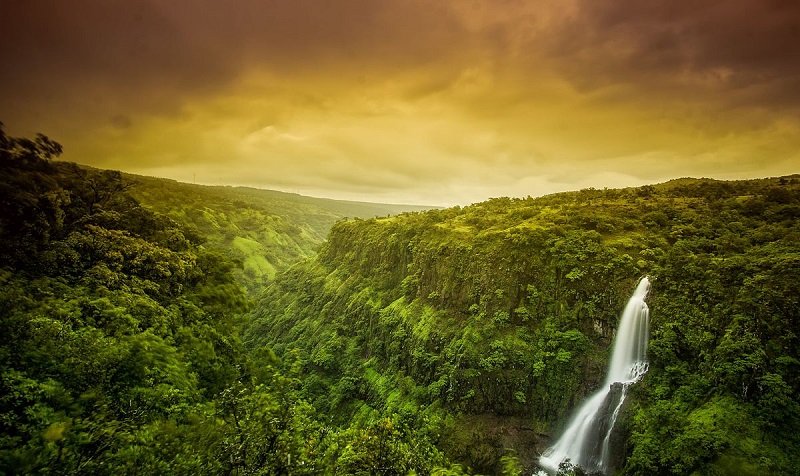
Thoseghar is one of the most famous natural attractions near Satara. During the monsoon, a series of waterfalls transforms the landscape into a spectacular display of flowing water surrounded by lush green hills.
Kaas Plateau
The Kaas Plateau, also known as the Valley of Flowers of Maharashtra, is a UNESCO World Heritage Site as part of the Western Ghats. During the flowering season, the plateau is covered with colourful seasonal wildflowers and supports a remarkable variety of plant life.
Vajrai Waterfall
Vajrai Waterfall is one of the most spectacular waterfalls in Maharashtra. Located near the Kaas region, the waterfall cascades down a dramatic cliff and is particularly impressive during the monsoon season.
Chalkewadi Windmill Farms
Chalkewadi is famous for its extensive windmill farms spread across the high plateau. The combination of rolling green hills and rows of wind turbines creates a distinctive landscape that is especially scenic during and after the monsoon.
Thoseghar Valley
The viewpoints around Thoseghar offer dramatic views of the valleys and surrounding Sahyadri landscape. The area is particularly popular with photographers and nature lovers during the rainy season.
Pratapgad Fort
Located in the wider Satara region, Pratapgad Fort is one of Maharashtra's most significant historic forts. It is strongly associated with Chhatrapati Shivaji Maharaj and is surrounded by the rugged landscapes of the Western Ghats.
Wai
Wai is a historic town situated along the Krishna River and is known for its temples, ghats and traditional architecture. Its riverside setting and cultural heritage make it a popular stop for travellers exploring the Satara region.
Menavali
Menavali is known for its historic Nana Phadnavis Wada and riverside temple complex. The peaceful setting along the Krishna River makes it an interesting heritage destination near Wai.
Kaas Lake
Kaas Lake is located near the famous plateau and provides a scenic setting surrounded by hills and greenery. It is particularly attractive during the monsoon and post-monsoon seasons.
Bamnoli
Bamnoli is a scenic village near Shivsagar Lake, surrounded by the Sahyadri hills. It is known for peaceful landscapes, boating opportunities and access to nearby natural attractions.
From forts and temples to waterfalls and flower-covered plateaus, Satara offers an impressive combination of heritage and natural beauty.
Famous Dishes of Satara
The cuisine of Satara reflects the traditional flavours of Maharashtra, with hearty meals, spicy preparations, grains, vegetables and festive sweets forming an important part of local food culture.
Bhakri and Pithla
Bhakri and Pithla are classic Maharashtrian dishes commonly enjoyed across the region. Bhakri is generally prepared using jowar or other grains and served with a spicy gram-flour preparation.
Misal Pav
Misal Pav is a popular Maharashtrian dish enjoyed throughout Satara. The spicy sprout-based preparation is topped with farsan, onions and other accompaniments and served with pav.
Thalipeeth
Thalipeeth is a savoury multigrain flatbread prepared with flour, spices and vegetables. It is commonly served with curd, chutney or butter.
Pithla Bhakri with Thecha
Thecha, a spicy preparation made from green chillies, garlic and other ingredients, is a popular accompaniment to traditional Maharashtrian meals. Combined with bhakri and pithla, it creates a simple but flavourful regional meal.
Puran Poli
Puran Poli is a traditional sweet flatbread prepared with a filling of lentils, jaggery and spices. It is especially popular during festivals and family celebrations.
Ukadiche Modak
Ukadiche Modak is a traditional steamed sweet made with rice flour and a filling of coconut and jaggery. It is particularly associated with Ganesh Chaturthi and Maharashtrian festive cuisine.
Local Maharashtrian Snacks
Local eateries and markets offer a variety of traditional snacks, breakfast dishes and sweets. Exploring these smaller food establishments can provide a more authentic taste of Satara's everyday cuisine.
For food lovers, Satara offers an opportunity to experience the simple, hearty and spicy flavours of traditional Maharashtrian cooking.
Famous Personalities of Satara
Satara has been associated with several important figures from Maratha history, spirituality, social reform and India's freedom movement.
Chhatrapati Shivaji Maharaj
Chhatrapati Shivaji Maharaj played a defining role in the history of Satara and the surrounding region. Several forts and historic locations across the district are associated with the Maratha kingdom established under his leadership.
Samarth Ramdas
Samarth Ramdas was a revered Marathi saint, spiritual teacher and author associated closely with Sajjangad. His teachings and literary works continue to have an important place in Maharashtra's devotional tradition.
Chhatrapati Shahu Maharaj of Satara
The Chhatrapatis of Satara continued the royal tradition established after the Maratha period and played an important role in the political history of the region.
Nana Phadnavis
Nana Phadnavis was one of the most influential statesmen of the later Maratha period. His historic residence at Menavali near Wai remains an important heritage attraction associated with his life.
Krantisinh Nana Patil
Krantisinh Nana Patil was a prominent freedom fighter associated with the Prati Sarkar movement in Satara during India's struggle for independence. The movement represented a form of parallel administration during the Quit India period.
The contributions of these personalities form an important part of Satara's historical, spiritual and cultural identity.
Festivals of Satara
Festivals in Satara combine religious traditions, folk culture, music, food and community celebrations. Temples, villages and towns become particularly lively during major festivals.
Ganesh Chaturthi
Ganesh Chaturthi is widely celebrated across Satara with prayers, decorations, cultural programmes and community gatherings. Traditional Maharashtrian customs form an important part of the celebrations.
Gudi Padwa
Gudi Padwa marks the Marathi New Year and is celebrated with traditional decorations, festive food, family gatherings and cultural rituals.
Diwali
Diwali is celebrated with lamps, rangoli, sweets, prayers and family gatherings. Traditional Maharashtrian delicacies are an important part of the festive season.
Navratri
Navratri is celebrated with devotional activities, temple ceremonies and cultural events across the district.
Ram Navami
Ram Navami is observed with religious ceremonies, devotional programmes and community gatherings at temples and spiritual centres.
Ashadhi Ekadashi
Ashadhi Ekadashi is an important festival in Maharashtra's Varkari tradition. Devotional activities and pilgrimages associated with Lord Vitthal are observed across the state.
Local Temple Fairs
Several villages and temples across Satara organise annual fairs and religious celebrations. These events offer visitors an opportunity to experience local traditions, folk performances and community life.
Experiencing a festival in Satara provides a deeper understanding of the region's religious traditions, rural culture and Maharashtrian heritage.
Things to Do in Satara
Satara offers plenty of activities for travellers interested in history, trekking, nature, spirituality, photography and local culture.
Explore Ajinkyatara Fort
Climb Ajinkyatara Fort and explore its historic remains while enjoying panoramic views of Satara city and the surrounding hills.
Visit Sajjangad
Explore the historic fort and spiritual centre associated with Samarth Ramdas. The peaceful mountain setting makes the experience particularly rewarding.
Witness Thoseghar Waterfalls
Visit Thoseghar during the monsoon to see the waterfalls at their most spectacular. The surrounding viewpoints provide beautiful views of the valley.
Explore Kaas Plateau
Visit Kaas during the flowering season to experience its remarkable seasonal wildflowers and unique biodiversity. Visitors should follow local guidelines designed to protect the fragile ecosystem.
Visit Vajrai Waterfall
Enjoy views of one of Maharashtra's most spectacular waterfalls and explore the surrounding Sahyadri landscape.
Explore Chalkewadi Windmill Farms
Drive through the high plateau landscape of Chalkewadi and enjoy the unusual combination of green hills and large wind turbines.
Go Trekking
The Sahyadri ranges around Satara provide opportunities for trekking, hiking and fort exploration. Several trails become particularly scenic during and after the monsoon.
Explore Wai and Menavali
Discover the historic temples, river ghats and heritage structures of Wai and Menavali while enjoying the peaceful Krishna River landscape.
Enjoy a Monsoon Road Trip
The roads around Satara, Kaas, Thoseghar, Chalkewadi and the surrounding Sahyadris become particularly scenic during the monsoon. Green valleys, mist and waterfalls create a memorable driving experience.
Experience Local Food
Try traditional Maharashtrian dishes such as misal, bhakri, pithla, thalipeeth, puran poli and modak while exploring local restaurants and markets.
Satara is especially rewarding for travellers who enjoy combining outdoor adventure with history and culture.
Where to Eat, Shop, and Stay in Satara
Satara city and its surrounding tourist areas offer a range of restaurants, local markets, hotels, resorts and homestays.
Where to Eat
Restaurants and local eateries in Satara serve Maharashtrian, North Indian, South Indian and other popular cuisines. Travellers should look for traditional local preparations and regional snacks.
For an authentic experience, try local favourites such as misal pav, bhakri-pithla, thalipeeth and traditional Maharashtrian sweets.
Where to Shop
Satara's markets offer everyday goods as well as regional food products, snacks, sweets and agricultural produce.
Depending on the season, visitors may also find strawberries, local fruits, honey, spices and traditional Maharashtrian products in markets around the district.
Where to Stay
Satara offers accommodation options for different budgets and travel styles.
Travellers can choose from:
Hotels in Satara city
Budget hotels and lodges
Resorts near scenic destinations
Homestays and farm stays
Nature-oriented accommodation near Kaas and surrounding areas
Travellers visiting during the Kaas flowering season, monsoon weekends or major holidays should consider booking accommodation in advance.
What Is Satara Famous For?
Satara is famous for its Maratha history, historic forts, waterfalls, Kaas Plateau, Sahyadri landscapes, temples and traditional Maharashtrian culture.
Satara is especially known for:
Ajinkyatara Fort – a historic fort overlooking Satara city.
Sajjangad – a historic fort and spiritual centre associated with Samarth Ramdas.
Kaas Plateau – a UNESCO World Heritage Site known for seasonal flowering and biodiversity.
Thoseghar Waterfalls – a spectacular monsoon attraction surrounded by the Sahyadris.
Vajrai Waterfall – one of the region's most impressive natural attractions.
Chalkewadi Windmill Farms – a distinctive high-altitude landscape filled with wind turbines.
Wai and Menavali – historic towns known for temples, river ghats and heritage structures.
Maratha Heritage – the district contains several forts and historic sites associated with the Maratha period.
Sahyadri Landscapes – offering trekking, photography, waterfalls and scenic road trips.
For travellers, Satara represents a fascinating combination of history, spirituality, mountains, waterfalls and traditional Maharashtrian culture.
Best Time to Visit Satara
The best time to visit Satara depends on the experience you want. October to February generally offers comfortable weather for sightseeing, while the monsoon season from June to September transforms the surrounding hills and waterfalls into lush green landscapes. The flowering season at Kaas is a particularly popular period for nature lovers.
| Season | Months | Travel Experience |
|---|---|---|
| Winter | November–February | Pleasant weather and comfortable conditions for sightseeing and trekking |
| Summer | March–May | Warm weather; suitable for selected hill and heritage destinations |
| Monsoon | June–September | Waterfalls, misty hills and lush green Sahyadri landscapes |
| Post-Monsoon | October | Fresh greenery and seasonal flowering around Kaas |
For waterfalls and lush landscapes, the monsoon is especially attractive. For comfortable sightseeing and fort exploration, the cooler months are generally more convenient. Visitors planning to see the flowers of Kaas should check the seasonal flowering period before travelling.
How to Reach Satara
Satara is well connected with major cities in Maharashtra through road and rail networks. Its location between Pune and Kolhapur makes it a convenient stop on journeys through western Maharashtra.
By Air
Pune International Airport is one of the most convenient major airports for travellers visiting Satara. From Pune, Satara can be reached by road or rail.
By Train
Satara Railway Station is connected to important destinations on the railway network. Trains provide connectivity with cities in Maharashtra and other parts of India, although travellers should check current schedules before planning their journey.
By Road
Satara is located along the important NH 48 corridor connecting Mumbai and Bengaluru. Regular buses, private vehicles and taxis connect Satara with Pune, Mumbai, Kolhapur and other cities.
Road travel is particularly convenient for visitors planning to explore the waterfalls, forts, plateaus and villages around Satara.
Nearby Places to Visit from Satara
Satara is surrounded by several historic, religious and natural destinations that can be included in a longer itinerary.
Mahabaleshwar
Mahabaleshwar is one of Maharashtra's most popular hill stations, known for its viewpoints, forests, waterfalls, strawberry farms and scenic valleys. It is a natural extension of a Satara trip.
Panchgani
Panchgani is a scenic hill station surrounded by the Sahyadris. It is known for its tableland, viewpoints, valleys and pleasant mountain environment.
Pratapgad
Pratapgad is a historic fort associated with Chhatrapati Shivaji Maharaj. Its dramatic mountain setting and important place in Maratha history make it a popular heritage destination.
Wai
Wai is known for its historic temples, river ghats and traditional architecture. Its location along the Krishna River makes it a peaceful cultural destination.
Menavali
Menavali is famous for the historic Nana Phadnavis Wada and riverside temple complex. The village offers a quiet combination of heritage and natural beauty.
Kaас Plateau and Bamnoli
The Kaas region and nearby Bamnoli offer opportunities to explore plateaus, forests, lakes and mountain landscapes. Bamnoli also provides access to the scenic Shivsagar Lake area.
Kolhapur
Kolhapur is a major cultural and religious destination known for the Mahalaxmi Temple, royal heritage, traditional cuisine and handicrafts. It can easily be combined with a Satara journey.
Thoseghar and Chalkewadi
These destinations can be explored together for a scenic day trip featuring waterfalls, viewpoints, mountain landscapes and windmill farms.
These nearby destinations make Satara a useful base for exploring western Maharashtra's forts, hill stations, temples and natural attractions.
Best Duration for a Trip to Satara
A 2 to 3-day trip is generally sufficient to explore Satara's major attractions. Travellers who want to include Kaas, Mahabaleshwar, Panchgani or additional forts can extend their journey to 4 or 5 days.
A suggested itinerary could include:
Day 1: Explore Ajinkyatara Fort, Satara city and local temples.
Day 2: Visit Sajjangad, Thoseghar Waterfalls and Chalkewadi Windmill Farms.
Day 3: Explore Kaas Plateau, Kaas Lake and Bamnoli, depending on the season and local conditions.
Travellers with additional time can extend the trip towards Wai, Menavali, Panchgani, Mahabaleshwar or Pratapgad.
Travel Tips for Satara
Satara is relatively easy to explore, but careful planning is particularly useful when visiting its mountain and waterfall destinations.
Plan according to the season: Kaas, Thoseghar and Vajrai offer very different experiences depending on rainfall and flowering periods.
Carry comfortable footwear: Forts, viewpoints and trekking areas may involve uneven or slippery terrain.
Be careful during the monsoon: Heavy rainfall can make trails, roads and viewpoints slippery. Follow local safety instructions.
Protect the Kaas ecosystem: Kaas is environmentally sensitive. Avoid picking flowers, littering or stepping into restricted areas.
Carry rain protection: An umbrella or rain jacket is useful during monsoon travel.
Carry sun protection: Sunglasses, sunscreen and a hat are useful during summer and daytime sightseeing.
Start early: Many attractions are spread across the district, so starting early helps maximise sightseeing time.
Try local cuisine: Don't miss misal, bhakri, pithla, thalipeeth and traditional Maharashtrian sweets.
Respect religious places: Dress appropriately and follow local customs at temples and spiritual sites.
Book accommodation early: Kaas season, monsoon weekends and holidays can increase demand for hotels and homestays.
Drive carefully: Mountain roads may be narrow and winding, particularly around the Sahyadri ranges.
With thoughtful planning, Satara can offer a memorable combination of mountain adventure, waterfalls, heritage, spirituality and Maharashtrian culture.
Why Visit Satara?
Satara is an ideal destination for travellers who want to experience the natural beauty and historical heritage of the Sahyadris. The district offers a balance of forts, temples, waterfalls, plateaus and peaceful countryside.
Discover Maratha Heritage
Forts such as Ajinkyatara and Pratapgad provide opportunities to explore the history of the Maratha period while enjoying spectacular mountain landscapes.
Experience the Beauty of the Sahyadris
The mountains, valleys, forests and plateaus around Satara create an impressive natural environment, particularly during the monsoon and post-monsoon seasons.
Explore Kaas Plateau
The seasonal flowering of Kaas transforms the plateau into a remarkable natural landscape and provides opportunities to observe the unique flora of the Western Ghats.
Witness Spectacular Waterfalls
Thoseghar and Vajrai are among the region's most impressive waterfalls, with the monsoon bringing them to life against a backdrop of green hills.
Experience Spiritual Traditions
Sajjangad and the region's many temples provide an opportunity to explore Maharashtra's rich devotional traditions and spiritual heritage.
Enjoy a Scenic Road Trip
The roads connecting Satara with Kaas, Thoseghar, Chalkewadi, Wai and the surrounding hills offer some of the most scenic driving experiences in western Maharashtra.
Taste Traditional Maharashtrian Food
Local dishes such as misal, bhakri, pithla, thalipeeth and puran poli provide a taste of the region's traditional culinary culture.
If you enjoy forts, trekking, waterfalls, temples, photography, road trips and regional culture, Satara offers a rewarding destination in the heart of Maharashtra's Sahyadris.
Conclusion
Satara is a destination where Maratha history, Sahyadri landscapes, spirituality and natural beauty come together. From the historic heights of Ajinkyatara and Sajjangad to the waterfalls of Thoseghar and Vajrai, the seasonal flowers of Kaas and the peaceful river landscapes of Wai, the region offers a diverse travel experience.
Whether you are planning a monsoon getaway, a heritage tour, a trekking adventure or a peaceful countryside escape, Satara provides plenty of opportunities to explore the unique character of western Maharashtra.
With its historic forts, spectacular waterfalls, UNESCO-recognised natural heritage, temples, traditional cuisine and mountain landscapes, Satara is an excellent destination for travellers looking to experience the history and natural beauty of the Sahyadris.
"Travel is the only thing you buy that makes you richer."