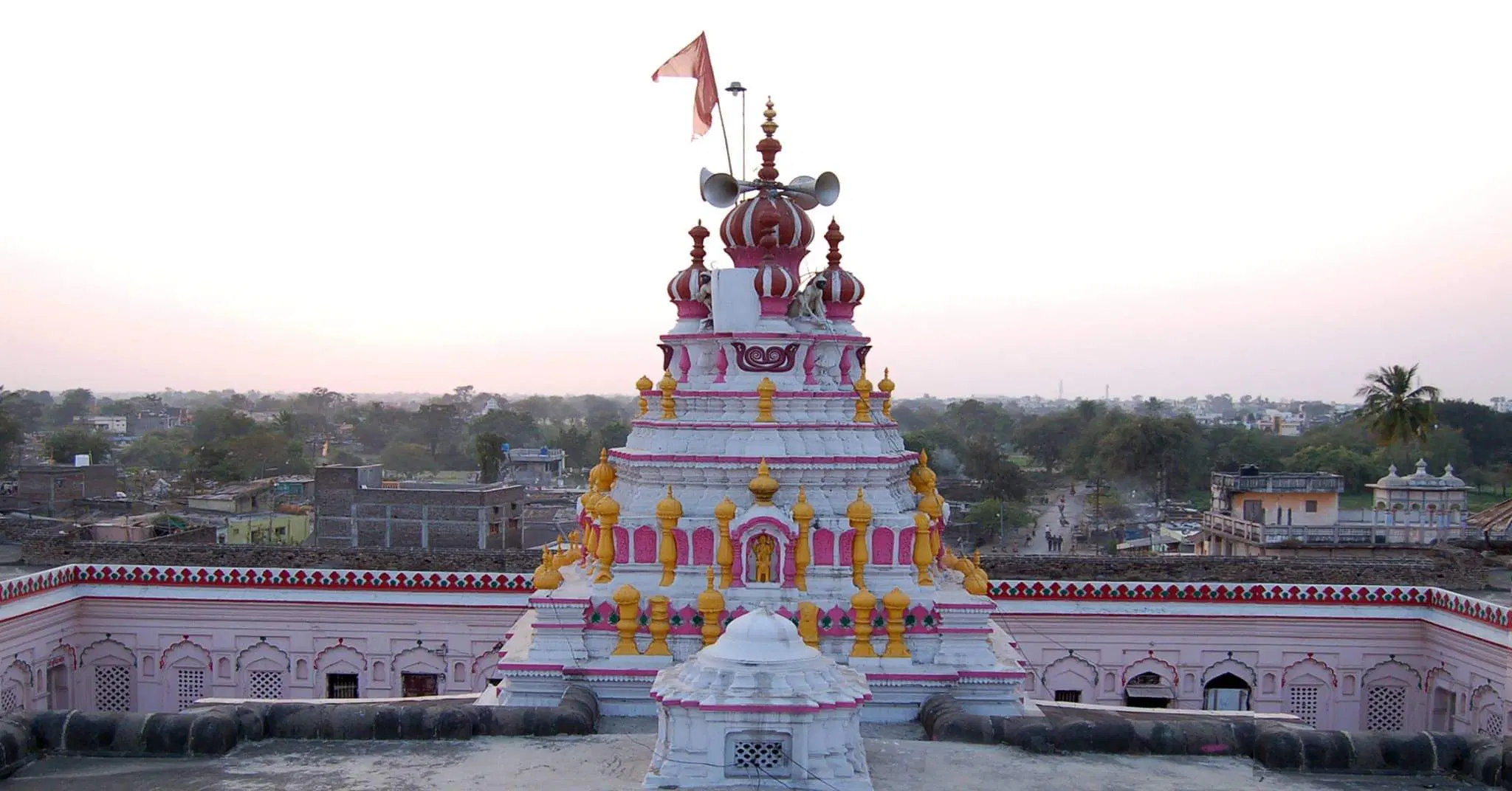
Washim – Where Ancient Heritage, Spirituality and Vidarbha Culture Come Together
Washim, located in the Vidarbha region of Maharashtra, is a destination where ancient history, spirituality, traditional culture and rural landscapes come together. Historically known as Vatsagulma, Washim was once an important capital of the Vakataka dynasty and has a rich connection with the ancient history of Maharashtra.
Today, Washim is known for its historic temples, sacred pilgrimage centres, traditional lifestyle, Banjara culture and peaceful surroundings. From the revered Balaji Temple and Padmatirtha to the spiritual centre of Poharadevi, the district offers travellers an opportunity to explore a quieter and culturally rich side of Maharashtra.
Whether you are interested in history, spirituality, architecture, local traditions or short cultural getaways, Washim offers a distinctive experience away from the more crowded tourist destinations of the state.
History of Washim
Washim has a history that dates back to ancient India. The region was historically known as Vatsagulma or Vatsulgram and became an important centre during the rule of the Vakataka dynasty. Sarvasena, a son of Pravarasena I, established the Vatsagulma branch of the Vakatakas and made Vatsagulma its capital.
The ancient kingdom played an important role in the political and cultural development of the Deccan. The Vakatakas were contemporaries of the Gupta dynasty and contributed significantly to literature, religion and art.
Over the centuries, Washim came under the influence of several ruling dynasties, including the Chalukyas and Yadavas. Its religious importance also continued to grow, with temples, sacred water bodies and pilgrimage centres developing throughout the region.
During the British period, Washim became an administrative centre but was later merged with Akola district during administrative reorganisation. On 1 July 1998, Washim was established as a separate district after being carved out of Akola.
Its ancient identity as Vatsagulma, combined with its temples and cultural traditions, continues to make Washim an important historical destination in Vidarbha.
Geography of Washim
Washim is situated in the eastern part of Maharashtra's Vidarbha region. The district is surrounded by Akola to the north, Amravati to the northeast, Yavatmal to the east, Hingoli to the south and Buldhana to the west.
The landscape of Washim consists of agricultural plains, low hills, seasonal streams, rivers, reservoirs and rural countryside. The Penganga River flows through parts of the district, while rivers such as the Arunavati and Katepurna originate in or around the region.
The geography is closely connected with agriculture and village life. During the monsoon, the countryside becomes greener, while the winter season offers comfortable conditions for sightseeing and visiting temples.
Culture and Traditions of Washim
Traditional Lifestyle
Washim reflects the traditional lifestyle of Vidarbha, where agriculture, village communities, religious practices and local customs remain important parts of everyday life. Rural markets, traditional occupations and seasonal festivals continue to contribute to the cultural identity of the district.
The district is also known for the strong cultural presence of the Banjara community, particularly around Poharadevi. Traditional clothing, music, dance, fairs and community celebrations form an important part of the local cultural landscape.
Language and Traditions
Marathi is the primary language spoken in Washim. Hindi and other regional languages are also understood in many parts of the district. Local dialects and expressions reflect the cultural influences of Vidarbha and neighbouring regions.
Religious traditions, temple rituals, village fairs and community gatherings remain deeply connected with the social life of Washim.
Music, Dance and Festivals
Traditional folk music and dance are particularly visible during fairs and religious festivals. Banjara cultural performances are an important part of celebrations around Poharadevi.
Religious festivals such as Navratri, Ram Navami, Hanuman Jayanti, Guru Purnima, Diwali and local temple fairs bring communities together and create colourful cultural experiences for visitors.
Architecture of Washim
Temple Architecture
Washim is known for its historic temples and religious architecture. Several temples reflect traditional forms of construction associated with different periods of Maharashtra's history.
The Balaji Temple is one of the most important examples in the city and combines religious significance with historical architectural value.
Hemadpanthi Influence
Traditional stone temple architecture can be found in different parts of Washim district. The region's historic religious structures reflect architectural traditions associated with the medieval Deccan.
Traditional Water Structures
Sacred ponds, tanks and water bodies have historically been associated with Washim's temples and pilgrimage centres. Dev Talav near the Balaji Temple is an example of the connection between religious architecture and traditional water management.
Modern Cultural Architecture
Modern cultural attractions such as the Banjara Virasat Nangara Museum at Poharadevi provide a contemporary space for showcasing traditional heritage, community history, art and cultural practices.
Famous Places in Washim
Balaji Temple
The Balaji Temple in Washim is one of the city's oldest and most respected religious landmarks. Dedicated to Lord Venkateshwar Balaji, the present temple was constructed by Bhavani Kalu in the eighteenth century. The temple complex, its historic setting and associated water tank make it an important attraction for both devotees and visitors interested in heritage.
Padmatirtha
Padmatirtha is an important sacred site associated with the religious history of Washim. The district is traditionally associated with numerous tirthas or sacred places, and Padmatirtha remains one of the notable pilgrimage attractions in the region.
Poharadevi Temple
Poharadevi is one of the most important cultural and religious destinations in Washim district. Revered as an important spiritual centre of the Banjara community, the site attracts devotees from different parts of India. The temple complex and surrounding cultural attractions make it an important place to experience the traditions of the Banjara community.
Banjara Virasat Nangara Museum
Located at Poharadevi, the Banjara Virasat Nangara Museum showcases the history, traditions, art and cultural heritage of the Banjara community. The museum provides visitors with a deeper understanding of the community's distinctive lifestyle and cultural identity.
Antariksha Parshwanath Jain Temple, Shirpur
The Antariksha Parshwanath Jain Temple at Shirpur is an important Jain pilgrimage site in Washim district. The temple is particularly known for its distinctive idol of Bhagwan Antariksha Parshwanath and its spiritual significance among Jain devotees.
Gurudatta Temple, Karanja Lad
The Gurudatta Temple at Karanja Lad is dedicated to Shri Nrusimha Saraswati Swami Maharaj, traditionally regarded as an incarnation of Lord Dattatreya. The temple is associated with his birthplace and is an important pilgrimage centre for followers of the Dattatreya tradition.
Murudeshwar Temple, Rithad
Located at Rithad in Risod taluka, the Murudeshwar Temple is a historic religious site associated with local traditions and legends. Its traditional temple architecture and spiritual importance make it an interesting stop for travellers exploring the district.
Sonal Dam
Sonal, also known as Sonala Dam, is located near Mangrulpir. Built on the Arun River, the reservoir and surrounding landscape provide a peaceful setting and are particularly attractive during and after the monsoon.
Kanifnath Maharaj Temple, Savargaon
The Kanifnath Maharaj Temple at Savargaon is another important religious attraction in Washim district. Located near the Mangrulpir-Manora route, it attracts devotees and visitors interested in the spiritual traditions of the region.
Famous Dishes of Washim
Varhadi Misal
Varhadi-style misal is a spicy and flavourful Maharashtrian preparation that reflects the bold food traditions of the Vidarbha region. It is commonly enjoyed as a breakfast or snack.
Saoji Cuisine
Saoji cuisine is known for its intense spice and distinctive masala. Mutton and chicken preparations are particularly popular among people who enjoy rich and spicy Vidarbha-style food.
Pithla Bhakri
Pithla served with bhakri is a traditional Maharashtrian combination commonly enjoyed across rural Maharashtra. Made using gram flour and spices, pithla is simple, hearty and strongly connected with local food traditions.
Bhakri and Zunka
Jowar or bajra bhakri with zunka is a traditional rural Maharashtrian meal. It is a simple yet satisfying combination that represents the agricultural lifestyle of Vidarbha.
Poha
Poha is one of Maharashtra's most popular breakfast dishes and is widely available in Washim. It is generally prepared with flattened rice, onions, peanuts, spices and fresh coriander.
Sabudana Khichdi
Sabudana khichdi is particularly popular during fasting days and religious occasions. Made with tapioca pearls, peanuts, potatoes and spices, it is a common food choice around pilgrimage centres.
Famous Personalities of Washim
Sarvasena
Sarvasena, the son of Vakataka ruler Pravarasena I, is one of the most historically significant personalities associated with ancient Washim. He established the Vatsagulma branch of the Vakataka dynasty and made Vatsagulma its capital.
Bhavani Kalu
Bhavani Kalu was an important historical figure associated with the construction of the present Balaji Temple in Washim. He served as a Diwan under the Bhosle rulers and played a significant role in establishing the historic temple.
Shri Guru Govind Maharaj
Shri Guru Govind Maharaj is closely associated with the spiritual traditions of Poharadevi and holds an important place in the religious and cultural traditions of the Banjara community.
Shri Nrusimha Saraswati
Shri Nrusimha Saraswati is an important spiritual figure associated with Karanja Lad. The Gurudatta Temple at Karanja is traditionally regarded as being located at his birthplace and remains a major pilgrimage centre.
Festivals of Washim
Navratri
Navratri is celebrated with devotion and enthusiasm across Washim. Temples become centres of worship, cultural programmes and community gatherings during the festival.
Ram Navami
Ram Navami is observed at temples across the district with religious ceremonies, devotional programmes and community celebrations.
Guru Purnima
Guru Purnima holds special significance at spiritual and pilgrimage centres such as Karanja. Devotees gather to offer prayers and participate in religious programmes.
Diwali
Diwali is celebrated throughout Washim with traditional rituals, lamps, sweets, family gatherings and festive markets.
Poharadevi Fair
The annual fair at Poharadevi is one of the important cultural gatherings in the district. Devotees and members of the Banjara community participate in religious ceremonies, cultural programmes and traditional celebrations.
Temple Fairs and Local Festivals
Several temples and religious centres across Washim organise annual fairs and local festivals. These events provide visitors with an opportunity to experience the district's traditional religious and community life.
Things to Do in Washim
Explore the Balaji Temple
Visit the historic Balaji Temple and explore its traditional architecture, religious atmosphere and surrounding heritage.
Discover the Heritage of Vatsagulma
Explore Washim's ancient identity and learn about its association with the Vakataka dynasty and the history of ancient Vidarbha.
Visit Poharadevi
Experience the spiritual and cultural atmosphere of Poharadevi, an important centre of Banjara heritage and religious tradition.
Explore Banjara Culture
Visit the Banjara Virasat Nangara Museum and discover the community's history, traditional art, cultural practices and heritage.
Visit Shirpur Jain Temple
Explore the Antariksha Parshwanath Jain Temple at Shirpur and experience its peaceful religious surroundings.
Explore Karanja Lad
Visit Karanja Lad and the Gurudatta Temple to explore one of the important spiritual destinations associated with the Dattatreya tradition.
Enjoy the Monsoon Landscape
During the monsoon, the countryside around Washim becomes greener and more scenic. The season is suitable for exploring rural landscapes, reservoirs and surrounding natural areas.
Try Local Vidarbha Cuisine
Enjoy traditional dishes such as pithla-bhakri, Varhadi preparations, Saoji-style food, poha and other Maharashtrian specialities.
Where to Eat, Shop, and Stay in Washim
Where to Eat
Washim has a variety of local restaurants, small eateries and traditional food outlets. Travellers can explore Maharashtrian and Vidarbha-style dishes, including bhakri, pithla, misal, poha and spicy Saoji preparations.
Near major pilgrimage centres, visitors can also find simple vegetarian food options suitable for families and devotees.
Where to Shop
Local markets in Washim are suitable for purchasing everyday goods, traditional Maharashtrian products, snacks, religious items and locally available handicrafts.
Visitors interested in Banjara culture can also explore traditional textiles, colourful embroidered items and cultural products associated with the community, particularly around Poharadevi.
Where to Stay
Washim city offers hotels, lodges and budget accommodation options suitable for short stays. Karanja, Mangrulpir and other nearby towns also provide accommodation options depending on the travel route.
For pilgrimage-focused trips, staying in Washim city or close to the major temple areas can make local sightseeing more convenient.
What Is Washim Famous For?
Washim is famous for its ancient Vatsagulma heritage, Vakataka history, Balaji Temple, Poharadevi pilgrimage centre, Banjara culture, Karanja's spiritual traditions and historic religious sites.
The district is also known for its traditional Vidarbha lifestyle, temples, sacred water bodies and peaceful rural landscapes.
Its combination of ancient history and living cultural traditions makes Washim different from many of Maharashtra's more commercial tourist destinations.
Best Time to Visit Washim
| Season | Duration | Weather & Travel Conditions |
|---|---|---|
| Winter | October – February | Cooler and more comfortable weather, making it ideal for temple visits, sightseeing and exploring the district. |
| Summer | March – May | Hot and dry conditions can make afternoon sightseeing uncomfortable. Early morning and evening visits are preferable. |
| Monsoon | June – September | Green landscapes and pleasant surroundings after rainfall, although heavy rain may occasionally affect travel. |
October to February is generally the most comfortable period for exploring Washim. The cooler weather makes it easier to visit temples, heritage attractions and surrounding areas.
The monsoon season can also be attractive for travellers who enjoy green landscapes and quieter rural surroundings.
How to Reach Washim
By Air
The nearest airport commonly used for reaching Washim is Nanded Airport, located approximately 106 km away. Depending on flight availability and the starting city, travellers may also consider other airports in the wider Vidarbha and Marathwada region.
By Train
Washim has its own railway station, Washim Railway Station (WHM), providing rail connectivity with other parts of Maharashtra and connecting routes. Rail travel can be a convenient option for travellers visiting the city from nearby regions.
By Road
Washim is connected by road with important cities and towns of Maharashtra. Maharashtra State Road Transport Corporation buses and private buses operate between Washim and destinations such as Akola, Amravati, Yavatmal, Hingoli, Nanded and other nearby towns.
Road travel is particularly convenient for exploring multiple attractions across Washim district because several temples and cultural destinations are located outside the main city.
Nearby Places to Visit from Washim
Karanja Lad
Karanja Lad is an important spiritual destination known for the Gurudatta Temple and its association with Shri Nrusimha Saraswati.
Poharadevi
Poharadevi is a major pilgrimage and cultural destination known for its religious significance and Banjara heritage.
Shirpur Jain
Shirpur is home to the Antariksha Parshwanath Jain Temple, an important Jain pilgrimage site in the district.
Mangrulpir
Mangrulpir is a town in Washim district with several religious and cultural attractions in and around the area.
Risod
Risod is another important town in the district and provides access to religious sites such as the historic Murudeshwar Temple at Rithad.
Akola
Located to the north of Washim, Akola is an important commercial and transportation centre and can be combined with a longer Vidarbha travel itinerary.
Shegaon
Shegaon in neighbouring Buldhana district is a major pilgrimage destination known for the Gajanan Maharaj Temple and can be included in a wider spiritual circuit.
Best Duration for a Trip to Washim
One-Day Washim Trip
Begin with the Balaji Temple and explore the historic and religious attractions within Washim city. Depending on time, visit Padmatirtha and enjoy local Maharashtrian food.
Two-Day Washim Trip
Spend the first day exploring Washim's temples and heritage. On the second day, visit Poharadevi, explore the Banjara Virasat Nangara Museum and continue towards other cultural or religious attractions in the district.
Three-Day Washim and Nearby Heritage Trip
With three days, travellers can explore Washim, Karanja Lad, Poharadevi and Shirpur Jain while allowing additional time for local markets, food experiences and rural landscapes.
Travel Tips for Washim
- Plan temple visits according to local opening hours and religious schedules.
- Winter is generally more comfortable for sightseeing and outdoor exploration.
- Carry sufficient drinking water, especially when travelling between rural attractions.
- Dress respectfully when visiting temples and pilgrimage centres.
- Keep some cash available because smaller towns and rural areas may have limited digital payment facilities.
- Start sightseeing early during the summer months to avoid the afternoon heat.
- Check local weather conditions before travelling during the monsoon.
- Keep additional time in your itinerary if visiting multiple attractions spread across the district.
- Respect local customs and traditions, particularly during religious festivals and community events.
- Try regional Maharashtrian and Vidarbha cuisine during your visit.
Why Visit Washim?
Ancient Vakataka Heritage
Washim's identity as ancient Vatsagulma makes it an interesting destination for travellers fascinated by the early history of Maharashtra and the Deccan.
Historic Temples
The Balaji Temple and other historic religious sites offer opportunities to explore Maharashtra's spiritual and architectural traditions.
Banjara Culture
Poharadevi and the Banjara Virasat Nangara Museum provide a valuable introduction to the heritage, traditions and cultural identity of the Banjara community.
Spiritual Experiences
From Balaji Temple and Padmatirtha to Karanja's Gurudatta Temple and Shirpur's Jain temple, Washim offers a diverse range of pilgrimage experiences.
Peaceful Rural Landscapes
Washim's countryside provides a quieter travel experience, with agricultural fields, reservoirs, villages and open landscapes surrounding its cultural attractions.
Authentic Vidarbha Cuisine
Travellers can experience traditional Maharashtrian and Vidarbha flavours, including bhakri, pithla, misal and spicy Saoji preparations.
A Less Crowded Maharashtra Experience
For travellers looking beyond Maharashtra's famous metropolitan and hill-station destinations, Washim offers an opportunity to discover history, spirituality and regional culture at a slower pace.
Conclusion
Washim is a destination where the ancient history of Vatsagulma meets the living traditions of Vidarbha. Its association with the Vakataka dynasty, historic Balaji Temple, sacred Padmatirtha, spiritual Karanja, Jain heritage at Shirpur and the cultural importance of Poharadevi give the district a distinctive identity.
Beyond its religious attractions, Washim offers peaceful rural landscapes, traditional food, colourful cultural traditions and an opportunity to experience a less-explored side of Maharashtra.
Whether you are a history enthusiast, spiritual traveller, culture lover or someone looking for a quiet regional getaway, Washim offers a meaningful journey through the heritage and traditions of Vidarbha.
"Travel is the only thing you buy that makes you richer."