Solapur – Where Spiritual Heritage Meets Textiles, History and Deccan Culture
Located in southeastern Maharashtra, Solapur is a culturally rich city known for its spiritual heritage, textile industry, historic landmarks, traditional food and strong connection with the Deccan region. Situated close to the borders of Karnataka and Telangana, Solapur has developed as an important commercial, industrial and cultural centre.
The city is particularly famous for the revered Siddheshwar Temple, the traditional Solapuri Chaddar and towels, the historic Akkalkot Swami Samarth Temple, and the distinctive blend of Marathi, Kannada and Deccan influences found across the region.
From religious destinations and historic forts to wildlife, traditional markets and local cuisine, Solapur offers travellers an interesting combination of heritage, spirituality, craftsmanship and regional culture.
History of Solapur
Solapur has a long and fascinating history shaped by several dynasties, regional kingdoms and the changing political landscape of the Deccan. Its location made it an important centre connecting Maharashtra with Karnataka and the southern Deccan.
- The region was influenced by several important Deccan powers over different periods.
- The area around Solapur was associated with the Bahmani, Adil Shahi and later Maratha political traditions.
- The city developed as an important centre of trade, agriculture and textile production.
- Solapur became an important location during India's freedom movement and played a notable role in the history of the national struggle.
- The city is also remembered for the Solapur flag incident and the freedom movement of 1930.
The historical identity of Solapur can still be experienced through its temples, old neighbourhoods, forts, monuments and traditional industries.
Geography of Solapur
Solapur lies in the Deccan Plateau region of Maharashtra. The landscape around the city is generally dry and semi-arid, with agricultural areas, open plains and seasonal water bodies forming an important part of the surrounding geography.
The district is located close to the borders of Karnataka and Telangana, giving Solapur a distinctive cultural character influenced by multiple neighbouring regions.
The geography of Solapur is characterised by:
Deccan plateau landscapes with relatively flat and dry terrain
Bhima River and its surrounding basin, which plays an important role in the wider region
Agricultural lands producing crops such as sugarcane, jowar, wheat and other regional crops
Seasonal lakes, grasslands and rural landscapes surrounding the urban centre
Dry tropical climate with hot summers and comparatively pleasant winters
This geographical setting has influenced Solapur's agriculture, lifestyle, architecture and traditional occupations.
Culture and Traditions of Solapur
The culture of Solapur reflects its position at the meeting point of Maharashtra, Karnataka and the wider Deccan region. Marathi is widely spoken, while Kannada and other regional linguistic influences can also be experienced in different parts of the district.
Traditional Lifestyle
Traditional life in and around Solapur has historically been connected with agriculture, weaving, textile production, trade and religious traditions. Local markets and neighbourhoods continue to reflect the city's connection with traditional craftsmanship.
Language and Traditions
Marathi is the principal language of the region, while the city's proximity to Karnataka has created a strong Kannada cultural influence. Traditional customs are reflected in festivals, temple celebrations, local food and community gatherings.
Music, Dance and Festivals
Religious celebrations, folk performances and traditional music form an important part of Solapur's cultural life. Festivals associated with temples attract devotees and visitors from across Maharashtra and neighbouring states.
The city is particularly known for the grand celebrations associated with the Siddheshwar Temple and Siddheshwar Yatra, one of the important cultural events of the region.
Solapur's culture is therefore a distinctive combination of Marathi traditions, Deccan heritage, spirituality, textile craftsmanship and rural customs.
Architecture of Solapur
The architectural heritage of Solapur includes historic temples, forts, traditional houses and structures connected with the city's religious and commercial history.
Siddheshwar Temple
The Siddheshwar Temple is one of Solapur's most important landmarks. Located around a lake, the temple complex creates a peaceful spiritual atmosphere and is closely associated with the city's identity and annual festivities.
Solapur Fort
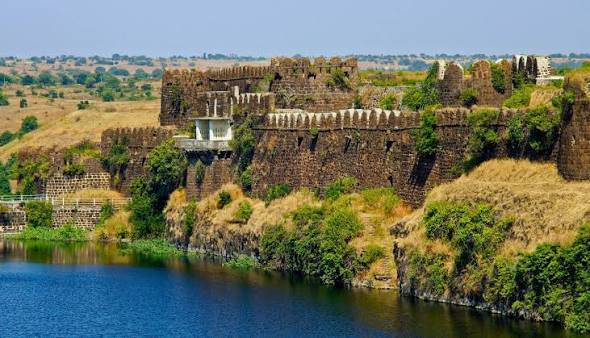
Also known as Bhuikot Fort, Solapur Fort is a historic land fort with strong defensive walls and traditional Deccan architectural elements. Unlike many hill forts of Maharashtra, its relatively flat setting reflects the strategic requirements of the region.
Akkalkot Temple Architecture
The religious architecture of Akkalkot reflects the spiritual importance of the region. The temple complex associated with Swami Samarth attracts large numbers of devotees throughout the year.
Traditional Solapur Houses
Older residential areas of Solapur contain traditional homes and neighbourhoods that reflect the lifestyle and architectural practices of the Deccan. Courtyards, wooden details and locally suitable construction methods can be seen in older structures.
Exploring these sites provides visitors with an understanding of the relationship between religion, defence, trade and everyday life in Solapur's history.
Famous Places in Solapur
Solapur and its surrounding region offer a variety of attractions, including temples, forts, wildlife areas, lakes and historic destinations.
Siddheshwar Temple
The Siddheshwar Temple is the spiritual heart of Solapur. Dedicated to Lord Siddheshwar, the temple is situated on an island-like area surrounded by water and is especially vibrant during the annual Siddheshwar Yatra.
Siddheshwar Lake
Located around the Siddheshwar Temple, the lake provides a peaceful environment in the middle of the city. It is particularly attractive during the early morning and evening when the surroundings become calm and scenic.
Solapur Fort
Solapur Fort, also called Bhuikot Fort, is an important historic landmark. The fort's massive walls and historic structures offer visitors a glimpse into the region's military and political past.
Hutatma Garden
Hutatma Garden is a popular recreational space in Solapur and is associated with the city's memory of the freedom movement. It provides a green space for visitors and local residents.
Great Indian Bustard Sanctuary
The Great Indian Bustard Sanctuary, spread across parts of the Solapur region, protects grassland ecosystems and is associated with the conservation of the endangered Great Indian Bustard. It is of particular interest to birdwatchers and wildlife enthusiasts.
Akkalkot
Located near Solapur, Akkalkot is one of Maharashtra's important pilgrimage destinations. It is closely associated with Shri Swami Samarth and attracts devotees throughout the year.
Swami Samarth Temple
The temple complex at Akkalkot is one of the region's most important spiritual destinations. Devotees visit the site to pay their respects to Swami Samarth and experience the peaceful atmosphere of the pilgrimage centre.
Barshi
Barshi is a historic town in Solapur district known for its temples and cultural heritage. The Bhagwant Temple is one of its major attractions and an important religious site in the region.
Bhagwant Temple, Barshi
The Bhagwant Temple is dedicated to Lord Vishnu and is considered an important pilgrimage site in Barshi. Its traditional architecture and religious significance make it worth visiting while exploring the district.
Hipparga Lake
Hipparga Lake is a historic water body near Solapur and is associated with the city's water management history. The area can provide a quieter experience away from the busy urban centre.
Nannaj
Nannaj is closely associated with the Great Indian Bustard conservation landscape. The grasslands around the area are important for birdlife and provide opportunities for nature and wildlife enthusiasts.
These attractions make Solapur suitable for travellers interested in spirituality, history, wildlife, architecture and regional culture.
Famous Dishes of Solapur
Solapur's food culture reflects its location in the Deccan and its connection with traditional Maharashtrian cuisine. Local food often features jowar, spicy masalas, lentils, vegetables and traditional Maharashtrian preparations.
Solapuri Chutney
Solapuri Chutney is one of the city's most famous food specialities. Traditionally prepared using dry red chillies, garlic, peanuts and spices, it is known for its bold and spicy flavour.
Jowar Bhakri
Jowar bhakri is an important traditional food of the Deccan region. The millet flatbread is commonly served with vegetables, curries, chutneys and other local preparations.
Shengadana Chutney
Peanut-based chutneys are popular across the region and are often served alongside bhakri and traditional Maharashtrian meals. They add a rich and nutty flavour to simple local dishes.
Misal Pav
Misal pav is a popular Maharashtrian dish that can be found across Solapur. The spicy sprouted-legume preparation is served with pav, onions and other accompaniments.
Pithla Bhakri
Pithla bhakri is a traditional Maharashtrian meal consisting of a gram-flour preparation served with bhakri. It is simple, hearty and closely associated with rural food traditions.
Solapuri Bhadang
Bhadang is a spicy puffed-rice snack commonly enjoyed in Maharashtra. Local versions can feature peanuts, spices and other ingredients that create a crunchy and flavourful snack.
Traditional Maharashtrian Sweets
Visitors can also explore traditional sweets such as puran poli, ladoos and other festive preparations available in local sweet shops and markets.
Food lovers visiting Solapur should especially explore the city's traditional spicy chutneys, bhakri-based meals and Maharashtrian snacks.
Famous Personalities of Solapur
Solapur has contributed to Maharashtra's political, social, literary and cultural history. Several notable personalities have been associated with the city and the wider district.
Hutatma Mallappa Dhanshetty
Mallappa Dhanshetty was one of the prominent freedom fighters associated with Solapur. He was executed by the British along with other revolutionaries following the events of the freedom movement in Solapur in 1930.
Hutatma Jagannath Shinde
Jagannath Shinde was another freedom fighter associated with the Solapur movement of 1930. His name is remembered among the martyrs who became symbols of the city's contribution to India's independence struggle.
Hutatma Kurban Hussain
Kurban Hussain was one of the four Solapur martyrs executed during the British period. His contribution remains part of the city's freedom movement heritage.
Hutatma Shrikisan Sarda
Shrikisan Sarda was another prominent figure associated with the Solapur freedom movement and is remembered as one of the city's martyrs.
The legacy of these freedom fighters forms an important part of Solapur's modern historical identity.
Festivals of Solapur
Festivals in Solapur combine religious traditions, community celebrations and regional cultural practices. Some celebrations are particularly important because of the city's famous temples.
Siddheshwar Yatra
The Siddheshwar Yatra is one of Solapur's most important annual religious and cultural events. It is held in connection with the Siddheshwar Temple and attracts large numbers of devotees and visitors.
Makar Sankranti
Makar Sankranti is celebrated with traditional customs, sesame-based sweets, family gatherings and community activities. The festival is especially colourful in Maharashtra.
Ganesh Chaturthi
Ganesh Chaturthi is celebrated enthusiastically throughout Solapur with household and community installations, devotional programmes, cultural events and processions.
Navratri
Navratri is marked by temple celebrations, devotional programmes and community gatherings. Several religious sites in and around Solapur become especially active during the festival.
Diwali
Diwali is celebrated with traditional sweets, lamps, family gatherings, decorations and festive shopping. Local markets become particularly lively during the festival season.
Mahashivratri
Mahashivratri is observed with special prayers and religious ceremonies at Shiva temples across Solapur and the surrounding region.
These celebrations provide visitors with an opportunity to experience the religious and community traditions of the Deccan region.
Things to Do in Solapur
Solapur offers a combination of spiritual, historical, cultural and nature-based experiences. Some of the best things to do include:
Visit Siddheshwar Temple
Explore the city's most famous temple, admire the peaceful surroundings and learn about the religious traditions associated with Siddheshwar.
Explore Solapur Fort
Walk through Bhuikot Fort and explore its walls, gateways and historic structures while learning about the region's past.
Visit Akkalkot
Take a short trip from Solapur to Akkalkot and visit the sacred sites associated with Swami Samarth.
Explore Barshi
Visit Barshi and explore the historic Bhagwant Temple and the town's traditional cultural atmosphere.
Discover Solapuri Textiles
Visit local markets and textile shops to explore the famous Solapuri Chaddar, towels and other cotton products that have made the city famous across India.
Try Local Maharashtrian Food
Sample Solapuri chutney, jowar bhakri, pithla, misal pav and traditional snacks at local eateries and markets.
Explore Wildlife Around Nannaj
Nature lovers can explore the grassland ecosystem around Nannaj and learn about the conservation of the Great Indian Bustard.
Shop in Local Markets
Explore traditional markets for textiles, spices, snacks, handicrafts, religious items and other regional products.
Solapur's attractions make it particularly suitable for travellers who enjoy heritage, spirituality, shopping, food and regional culture.
Where to Eat, Shop, and Stay in Solapur
Solapur has a wide range of accommodation and dining options, from budget hotels and traditional eateries to modern restaurants and comfortable stays.
Where to Eat
The city has numerous restaurants serving Maharashtrian, South Indian, North Indian and local Deccan cuisine. For an authentic local experience, visitors should look for traditional eateries serving jowar bhakri, pithla, spicy chutneys, misal and regional snacks.
Local markets and food streets are also useful places to discover traditional snacks and sweets.
Where to Shop
Solapur is particularly famous for its textile products. Visitors can shop for:
- Solapuri Chaddar
- Solapuri towels
- Cotton bedsheets
- Traditional textiles
- Local spices and chutneys
- Regional snacks and sweets
- Religious items and souvenirs
Shopping for Solapuri textiles is one of the best ways to take home a practical reminder of the city's traditional craftsmanship.
Where to Stay
Solapur offers accommodation ranging from budget hotels and guesthouses to business hotels and comfortable mid-range properties.
Popular areas to consider include:
Central Solapur – convenient for shopping, restaurants and city attractions.
Railway Station area – useful for travellers arriving by train and those looking for convenient transport connections.
Near Hotgi Road – offers access to several modern hotels and commercial areas.
Akkalkot – suitable for travellers visiting primarily for pilgrimage and spiritual tourism.
During major festivals and pilgrimage periods, booking accommodation in advance is recommended.
What Is Solapur Famous For?
Solapur is famous for its textile industry, Solapuri Chaddar, Siddheshwar Temple, Akkalkot pilgrimage, Bhuikot Fort and rich Deccan culture.
Solapur is especially known for:
Solapuri Chaddar – traditional cotton bedcovers known for their practical design and distinctive weaving tradition.
Solapuri Towels – another well-known textile product associated with the city's weaving industry.
Siddheshwar Temple – one of the city's most important spiritual landmarks.
Siddheshwar Yatra – a major annual religious and cultural celebration.
Akkalkot – an important pilgrimage destination associated with Swami Samarth.
Solapur Fort – a historic fort reflecting the city's strategic importance.
Solapuri Chutney – a famous spicy local food speciality.
Great Indian Bustard Sanctuary – an important grassland conservation landscape near Nannaj.
Freedom Movement Heritage – Solapur is remembered for the role of its freedom fighters and the events of 1930.
The combination of textiles, spirituality, history and regional food gives Solapur a distinctive identity within Maharashtra.
Best Time to Visit Solapur
The best time to visit Solapur is generally from October to February, when temperatures are more comfortable for sightseeing and exploring nearby destinations.
| Season | Months | Travel Experience |
|---|---|---|
| Winter | October–February | Pleasant weather, ideal for sightseeing, temples and local exploration |
| Summer | March–May | Hot and dry; sightseeing is more comfortable during mornings and evenings |
| Monsoon | June–September | Moderate rainfall, greener surroundings and occasional pleasant weather |
October to February is generally the most comfortable period for exploring Solapur, especially if you plan to combine the city with Akkalkot, Barshi or nearby nature destinations.
Travellers interested in experiencing the Siddheshwar Yatra should plan their trip according to the festival calendar, as dates vary each year.
How to Reach Solapur
Solapur is well connected with major cities across Maharashtra, Karnataka and other parts of India through rail, road and air connections.
By Air
Solapur Airport is located near the city and serves as the local airport. Flight connectivity can vary, so travellers should check current schedules before planning their journey.
Depending on flight availability, travellers may also consider airports in Pune or other nearby major cities and continue the journey by road or rail.
By Train
Solapur railway station is an important railway junction with connections to several major cities across Maharashtra, Karnataka and other parts of India.
Rail travel is one of the most convenient options for reaching Solapur from major cities such as Mumbai, Pune, Hyderabad, Bengaluru and other destinations.
By Road
Solapur is well connected by road with Pune, Mumbai, Kolhapur, Hyderabad, Vijayapura and other cities. State highways and national highways provide convenient road access to the city.
Road travel is particularly useful for visitors planning to explore Akkalkot, Barshi, Nannaj and other nearby attractions during the same trip.
Nearby Places to Visit from Solapur
Solapur's location makes it a convenient base for exploring several religious, historical and natural destinations in Maharashtra and neighbouring states.
Akkalkot
Akkalkot is one of the most important pilgrimage destinations near Solapur and is closely associated with Swami Samarth. The town attracts devotees from Maharashtra and neighbouring states.
Barshi
Barshi is known for its historic Bhagwant Temple and traditional cultural heritage. It is a suitable destination for travellers interested in religious and historical tourism.
Nannaj
Nannaj is known for its grassland ecosystem and connection with the conservation of the Great Indian Bustard. It can be included in an itinerary focused on wildlife and birdwatching.
Pandharpur
Pandharpur is one of Maharashtra's most important pilgrimage destinations and is famous for the Vitthal-Rukmini Temple. The town is deeply connected with the Warkari tradition and attracts large numbers of devotees.
Tuljapur
Tuljapur is home to the revered Tulja Bhavani Temple, one of Maharashtra's important Shakti pilgrimage centres. It can be combined with Solapur for a spiritual travel itinerary.
Vijayapura
Located across the Karnataka border, Vijayapura is famous for its remarkable Islamic-era architecture, including the iconic Gol Gumbaz. It offers a fascinating extension to a Deccan heritage journey.
Barshi and Surrounding Villages
The rural areas around Solapur offer opportunities to experience traditional agriculture, village life, local temples and the cultural landscape of the Deccan plateau.
These destinations allow visitors to combine Solapur with a broader itinerary covering pilgrimage, history, architecture, wildlife and regional culture.
Best Duration for a Trip to Solapur
A 2 to 3-day trip is generally sufficient to explore the major attractions of Solapur city. A longer 4 to 5-day itinerary allows travellers to include Akkalkot, Pandharpur, Tuljapur, Nannaj and other nearby destinations.
A suggested itinerary could include:
Day 1: Explore Siddheshwar Temple, Siddheshwar Lake, Solapur Fort and the city's important markets.
Day 2: Visit Akkalkot and explore the spiritual heritage associated with Swami Samarth.
Day 3: Explore Nannaj or Barshi and experience the surrounding regional landscape.
Day 4: Take a longer excursion to Pandharpur or Tuljapur.
Day 5: Explore local markets, purchase Solapuri textiles and enjoy traditional Maharashtrian food before departure.
A shorter city break is suitable for travellers mainly interested in Solapur's temples, fort, markets and food, while a longer stay is better for exploring the surrounding pilgrimage and heritage destinations.
Travel Tips for Solapur
Plan around the weather: Summers can be very hot, so schedule outdoor sightseeing during mornings and evenings.
Carry sun protection: Sunscreen, sunglasses, a hat and sufficient drinking water are useful, especially during warmer months.
Dress respectfully at temples: Many important attractions around Solapur are religious sites, so modest clothing is recommended.
Try local food: Do not miss Solapuri chutney, jowar bhakri, pithla, misal and other regional specialities.
Shop for local textiles: Solapuri Chaddars and towels are among the city's best-known traditional products.
Plan pilgrimage visits: Akkalkot, Pandharpur and Tuljapur can become very busy during important religious festivals.
Check wildlife timings: If visiting Nannaj or other wildlife areas, check local access rules and visiting conditions in advance.
Keep some cash: Although digital payments are widely accepted, cash can still be useful in smaller shops and rural areas.
Use local transport: Auto-rickshaws, taxis and buses can be useful for getting around the city and reaching nearby attractions.
Respect local traditions: Follow temple rules, avoid littering and respect local communities while exploring rural areas.
Why Visit Solapur?
Solapur offers a different side of Maharashtra, combining Deccan history, spiritual traditions, textile craftsmanship and regional cuisine. It is particularly appealing to travellers who enjoy destinations with strong local identities.
Discover Spiritual Heritage
From Siddheshwar Temple to the pilgrimage centre of Akkalkot, Solapur provides several opportunities to experience the spiritual traditions of Maharashtra and the Deccan.
Explore Deccan History
Historic landmarks such as Solapur Fort reveal the region's strategic importance and offer insights into its changing political history.
Experience Traditional Textiles
Solapur's famous Chaddars and towels showcase the city's long-standing textile heritage and provide visitors with an opportunity to explore local craftsmanship.
Taste Authentic Maharashtrian Food
The city's spicy chutneys, bhakri, pithla, misal and traditional snacks offer an authentic taste of the Deccan food culture.
Explore Wildlife and Grasslands
The Nannaj region provides opportunities to learn about grassland ecosystems and the conservation of the Great Indian Bustard.
Experience a Cultural Crossroads
Solapur's location near Karnataka and its historical connections with the wider Deccan have created a distinctive cultural landscape where Marathi, Kannada and Deccan traditions meet.
Conclusion
Solapur is a destination where spirituality, history, textiles, food and Deccan culture come together. From the peaceful Siddheshwar Temple and historic Bhuikot Fort to the pilgrimage town of Akkalkot and the traditional textile markets, the city offers a variety of experiences for curious travellers.
The flavours of Solapuri chutney and Maharashtrian cuisine, the craftsmanship behind Solapuri Chaddars, the legacy of the freedom movement and the surrounding grasslands add depth to the city's identity.
Whether you are planning a spiritual journey, a heritage trip, a food-focused visit or a cultural exploration of the Deccan, Solapur offers an authentic and distinctive travel experience in Maharashtra.
"Travel is the only thing you buy that makes you richer."