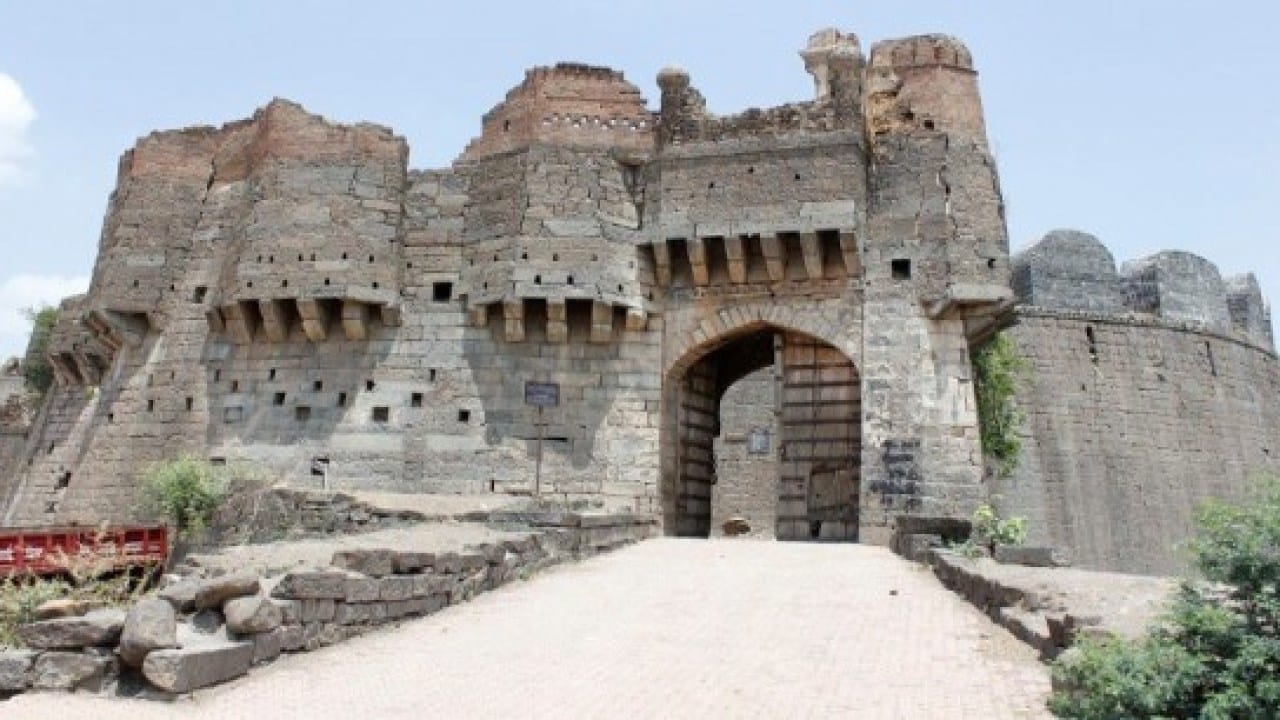
Latur, Maharashtra – A Complete Travel Guide to History, Culture, Temples and Heritage
Located in the heart of the Marathwada region of Maharashtra, Latur is a city where ancient history, spirituality, traditional culture and modern development come together. Known for its connection with the Rashtrakuta dynasty, historic forts, distinctive architecture, religious landmarks and vibrant markets, Latur offers travellers an interesting glimpse into an often less-explored side of Maharashtra.
From the unique circular layout of Ganj Golai and the ancient Siddheshwar-Ratneshwar Temple to the historic Udgir Fort, Ausa Fort and fascinating Kharosa Caves, Latur has attractions for history lovers, pilgrims and curious travellers alike.
The city's identity is also shaped by its colourful festivals, traditional Marathi culture, local food and the diverse communities that have contributed to its character over the centuries.
Whether you are planning a short city break, a heritage-focused journey or a wider Marathwada road trip, Latur, Maharashtra is a destination worth discovering.
1. History of Latur
Latur has a rich historical background and is traditionally associated with the Rashtrakuta dynasty. The city is believed to have been developed by King Amoghvarsha, and the Rashtrakutas referred to the region as Lattalut, identifying it with their native place.
The region later came under the influence of several Deccan powers, and its strategic location made it part of the changing political landscape of medieval Maharashtra and the Deccan.
Latur's surrounding areas preserve traces of different historical periods through forts, temples, inscriptions, caves and traditional settlements. The historic Udgir Fort, for example, dates back to the pre-Bahamani period and later became associated with the famous Battle of Udgir and the Treaty of Udgir.
The region also played a role in the events surrounding the integration of Hyderabad State into independent India. Today, Latur serves as an important administrative, educational, commercial and cultural centre of the Marathwada region.
2. Geography of Latur
Latur is situated in the Marathwada region of Maharashtra, close to the state's border with Karnataka. The district lies on the Balaghat Plateau, with elevations generally ranging between approximately 540 and 638 metres above sea level.
The district is traversed by the Manjara River and its tributaries, including the Terna, Tawarja and Gharni rivers. Its landscape combines agricultural plains, low hills, villages and seasonal greenery.
Latur's geographical location also makes it a useful base for exploring destinations across southern Marathwada and neighbouring Karnataka.
Geographical Highlights
- Located in the Marathwada region of Maharashtra
- Situated on the Balaghat Plateau
- Close to the Maharashtra-Karnataka border
- Influenced by the Manjara River and its tributaries
- Known for agriculture and fertile surrounding areas
- Surrounded by historic towns, forts and cultural destinations
3. Culture and Traditions of Latur
Latur's culture reflects the diverse heritage of Marathwada. Marathi is the dominant language, while the city's traditions have been shaped by Hindu, Muslim, Jain and Christian communities.
Traditional devotional music and folk performances remain an important part of local culture. Forms such as Bhajans, Abhangas, Gondhal, Lavani, Povadas and Dhangari Gaja contribute to the cultural character of the district.
Religious Diversity
Latur has several temples, mosques, dargahs and Jain religious institutions. The presence of different faith traditions is particularly visible around historic areas of the city.
Traditional Fairs
Religious fairs and annual festivals bring together local communities through devotional activities, traditional food, music and cultural performances.
Local Lifestyle
The city's markets, traditional eateries and busy commercial streets provide a glimpse into everyday life in Marathwada. Visitors can experience this local atmosphere most clearly by exploring central Latur on foot.
4. Architecture of Latur
Latur's architecture is a fascinating combination of ancient religious structures, medieval forts and early modern urban planning.
Ganj Golai
Ganj Golai is perhaps Latur's most distinctive architectural landmark. The circular market structure was built in 1917 and forms the centre of a radial street layout. Multiple roads converge around the central structure, creating a wheel-like pattern that makes Ganj Golai unique among Indian urban markets.
At the centre is the Jagdamba Devi Temple, making Ganj Golai both a religious landmark and a major commercial centre.
Siddheshwar-Ratneshwar Temple
This historic temple is known for its stone construction and intricate carvings depicting mythological figures. The temple is associated with the spiritual heritage of Lord Siddharameshwar.
Udgir Fort
The architecture of Udgir Fort reflects its military importance. Its deep defensive trench, underground areas, palaces, observation points and inscriptions demonstrate the strategic character of medieval Deccan fortifications.
Kharosa Caves
The rock-cut Kharosa Caves provide another architectural highlight. Dating to around the 6th century, the caves contain sculptures and religious imagery associated with Hindu and Buddhist traditions.
5. Famous Places to Visit in Latur
Latur and its surrounding district offer a diverse selection of historical, religious and cultural attractions.
1. Ganj Golai
Ganj Golai is the heart of Latur and one of its most recognisable landmarks. Built in 1917, its circular design and radial streets make it a fascinating example of early 20th-century urban planning. The surrounding market is also ideal for experiencing the city's commercial energy.
2. Siddheshwar and Ratneshwar Temple
Located around 2 km from Latur city, this historic temple is dedicated to Lord Siddharameshwar. Its stone carvings, peaceful surroundings and religious importance make it one of the city's notable attractions.
3. Udgir Fort
Located in Udgir, this historic fort dates to the pre-Bahamani period and is strongly associated with the Battle of Udgir. Visitors can explore its defensive structures, underground areas and historic inscriptions while learning about the region's medieval history.
4. Ausa Fort
Ausa Fort is another important historical attraction in Latur district. Its strategic position in a natural depression provided defensive advantages during conflicts between the Deccan Sultanates.
5. Kharosa Caves
Located approximately 45 km from Latur city, the Kharosa Caves date to around the 6th century. The group includes 12 caves featuring sculptures and religious imagery, including representations associated with Shiva, Parvati, Vishnu and other traditions.
6. Shri Ashtavinayak Mandir
This temple complex combines religious significance with landscaped surroundings. It features a large statue of Lord Shiva along with eight representations of Lord Ganesha, creating a peaceful place for prayer and reflection.
7. Shri Virat Hanuman Mandir
Known for its impressive 25-foot Hanuman statue, the temple complex also features gardens and a distinctive water feature that adds to the atmosphere.
8. Surat Shawali Dargah
Located in Latur city, Surat Shawali Dargah was constructed in 1939 in memory of Saint Saif Ulla Shah Sardari. Its annual fair is regarded as an expression of communal harmony and attracts devotees from different communities.
9. Udgir Hattibet-Deverjan
Located near Udgir, Hattibet-Deverjan is known for its hill landscape, caves, carvings, temples and spiritual traditions. The area includes a Datta temple and the samadhi of Gangaram Maharaj and is visited by devotees from surrounding regions.
10. Vrindavan Park, Chakur
Located in Chakur, Vrindavan Park is another recreational attraction in Latur district and can be included in a wider family-oriented itinerary.
6. Famous Dishes of Latur
Food in Latur reflects the robust flavours of Maharashtrian and Marathwada cuisine. Traditional meals often use millet, pulses, vegetables, spices and locally available ingredients.
Popular Foods to Try
- Bhakri – A traditional flatbread commonly prepared using jowar or bajra.
- Pithla-Bhakri – A classic Maharashtrian combination of spiced gram-flour curry and bhakri.
- Misal Pav – A spicy Maharashtrian favourite served with pav.
- Poha – A popular breakfast dish made from flattened rice.
- Sabudana Khichdi – A traditional preparation particularly popular during fasting days.
- Vada Pav – One of Maharashtra's most popular street foods.
- Kothimbir Vadi – A savoury snack made primarily with coriander and gram flour.
- Puran Poli – A sweet stuffed flatbread traditionally prepared during festivals.
Visitors should also explore local markets and smaller eateries to experience everyday Maharashtrian flavours rather than limiting their food experience to larger restaurants.
7. Famous Personalities Associated with Latur
Latur and the wider Marathwada region have contributed personalities to politics, social reform, education, literature and public life.
Vilasrao Deshmukh
Vilasrao Deshmukh, a prominent Indian politician and former Chief Minister of Maharashtra, was born in Latur district. He played an important role in Maharashtra's political life and remained strongly associated with the region.
Udayanraje Bhosale and Maratha Heritage
The wider Marathwada region has maintained strong connections with Maratha history and traditions, reflected in its forts, festivals and cultural practices.
Local Cultural Contributors
Latur has also produced educators, writers, artists, sportspersons and social contributors whose work has helped shape the region's modern cultural identity.
8. Festivals Celebrated in Latur
Festivals in Latur combine religious devotion, fairs, music, food and community celebrations.
- Navratri – One of the most important festivals at Ganj Golai's Jagdamba Temple, celebrated with great enthusiasm.
- Shri Siddheshwar Fair – An important annual religious celebration associated with the Siddheshwar-Ratneshwar Temple.
- Mahashivratri – Celebrated with special religious activities at Shiva temples across the district.
- Diwali – Celebrated with traditional rituals, lights, sweets and family gatherings.
- Ganesh Chaturthi – Marked by prayers, decorations and community celebrations.
- Ram Navami – Celebrated at temples and across local communities.
- Urs at Surat Shawali Dargah – The annual five-day fair is an important expression of local religious harmony.
- Latur Festival – A cultural platform highlighting local art, traditions and performances.
9. Things to Do in Latur
Latur is best experienced slowly, combining historical sightseeing with local food, markets and religious attractions.
- Explore Ganj Golai and admire its unusual circular architecture.
- Visit Jagdamba Temple at the centre of Ganj Golai.
- Explore Siddheshwar-Ratneshwar Temple and its historic stone carvings.
- Take a heritage trip to Udgir Fort and learn about the Battle of Udgir.
- Visit Ausa Fort to explore another important Deccan fortification.
- Discover Kharosa Caves and their ancient rock-cut sculptures.
- Visit Surat Shawali Dargah and experience one of the city's diverse religious landmarks.
- Explore local markets around Ganj Golai and central Latur.
- Try traditional Maharashtrian food at local eateries.
- Visit Hattibet-Deverjan for its temples, hill landscape and spiritual atmosphere.
- Plan a wider Marathwada road trip using Latur as one of the stops.
10. Where to Eat, Shop, and Stay in Latur
Where to Eat
Latur has restaurants, family eateries, street-food stalls and local food outlets serving Maharashtrian, North Indian and other popular cuisines.
For an authentic local experience, look for traditional meals featuring bhakri, pithla, spicy curries, misal and Maharashtrian snacks.
Where to Shop
Ganj Golai Market is one of the best places to experience Latur's commercial culture. Its radial streets are lined with shops selling a wide range of goods, including jewellery, textiles, footwear and everyday products.
- Traditional clothing
- Footwear
- Jewellery
- Maharashtrian snacks and sweets
- Local food products
- Traditional household items
Where to Stay
Latur offers hotels, lodges, guesthouses and other accommodation options across different budgets.
For convenient sightseeing, visitors can consider staying around central Latur, Ganj Golai or areas close to the railway station and main roads.
11. What is Latur Famous For?
Latur is famous for its Rashtrakuta heritage, Ganj Golai, historic forts, Kharosa Caves, religious landmarks and vibrant Marathwada culture.
The city and district are particularly known for:
- Ganj Golai Market and Jagdamba Temple
- Rashtrakuta historical connections
- Siddheshwar-Ratneshwar Temple
- Udgir Fort
- Ausa Fort
- Kharosa Caves
- Hattibet-Deverjan
- Traditional Marathwada culture
- Religious diversity and community festivals
- Maharashtrian and Marathwada cuisine
12. Best Time to Visit Latur
The best time to visit Latur, Maharashtra is generally between October and March, when temperatures are more comfortable for exploring forts, temples, caves and outdoor attractions. Maharashtra Tourism specifically recommends this period for sightseeing and outdoor activities.
| Period | Weather & Experience | Best For |
|---|---|---|
| October–November | Pleasant after the monsoon | Temples, forts and sightseeing |
| December–February | Cooler and comfortable | Heritage exploration and outdoor trips |
| March | Warmer but manageable | Short sightseeing trips |
| April–May | Hot summer conditions | Early-morning and indoor activities |
| June–September | Monsoon season | Green landscapes and scenic drives |
13. How to Reach Latur
By Air
Latur Airport provides air connectivity for the city and is located close to the urban centre. Depending on flight availability and origin, travellers may also consider larger airports such as Hyderabad, Pune or Chhatrapati Sambhajinagar.
By Train
Latur is connected by rail through Latur Railway Station, Latur Road Railway Station and Harangul Railway Station. Rail connections link the district with cities including Mumbai, Pune, Nanded and Hyderabad.
By Road
Latur is well connected by road with several cities and towns in Maharashtra and neighbouring Karnataka. Regular Maharashtra State Road Transport Corporation buses, private buses, taxis and private vehicles are available for road travel.
National Highway 62 passes through Ausa Taluka in Latur district, further supporting road connectivity.
| Mode | Travel Option |
|---|---|
| Air | Latur Airport; larger nearby airports can also be considered |
| Rail | Latur Railway Station, Latur Road and Harangul |
| Road | MSRTC buses, private buses, taxis and private vehicles |
14. Nearby Places to Visit from Latur
Latur is a convenient starting point for exploring several historical and cultural destinations across the surrounding region.
- Udgir – Known for Udgir Fort, historic heritage and Hattibet-Deverjan.
- Ausa – Home to the historic Ausa Fort and religious attractions.
- Kharosa – Famous for its ancient rock-cut caves.
- Chakur – Known for Vrindavan Park and rural landscapes.
- Nanded – An important pilgrimage destination known for Hazur Sahib.
- Bidar, Karnataka – A historic city known for its fort and Deccan heritage.
- Beed – A neighbouring district offering additional historic and religious attractions.
- Dharashiv – Known for its caves, temples and regional heritage.
- Chhatrapati Sambhajinagar – A major Marathwada destination and gateway to Ajanta and Ellora.
15. Best Duration for a Latur Trip
A 1–2 day trip is generally sufficient to experience the main attractions in Latur city. If you want to explore Udgir, Ausa, Kharosa Caves and other attractions across the district, adding another day makes the journey more comfortable.
| Trip Duration | Suggested Experience |
|---|---|
| 1 Day | Ganj Golai, Siddheshwar Temple, local markets and major city attractions |
| 2 Days | City sightseeing plus Ausa Fort or Kharosa Caves |
| 3 Days | Latur, Udgir Fort, Hattibet-Deverjan and Kharosa Caves |
| 4–5 Days | Latur combined with a wider Marathwada road trip |
16. Travel Tips for Visiting Latur
- Plan outdoor sightseeing during the cooler months whenever possible.
- Carry drinking water, especially during summer.
- Wear comfortable footwear when visiting forts and caves.
- Carry sun protection for daytime sightseeing.
- Carry rain protection if travelling during the monsoon.
- Dress respectfully when visiting temples, dargahs and other religious places.
- Start early when planning trips to Kharosa Caves, Udgir or Ausa.
- Check local festival dates if you want to experience fairs and religious celebrations.
- Keep some cash available for smaller shops and local eateries.
- Explore Ganj Golai's market to experience the local commercial culture.
- Try regional Maharashtrian food at local eateries.
- Respect local traditions and religious practices during your visit.
17. Why Visit Latur?
Latur is an excellent destination for travellers who want to explore the history and cultural diversity of Marathwada without the crowds associated with Maharashtra's most famous tourist cities.
The city offers an unusual combination of urban history, ancient religious traditions, medieval forts and archaeological heritage. The distinctive circular design of Ganj Golai alone makes Latur different from many other destinations in the state.
History enthusiasts can explore Udgir Fort and Kharosa Caves, while spiritual travellers can visit Siddheshwar Temple, Jagdamba Temple and Surat Shawali Dargah.
Top Reasons to Visit Latur
- Discover the city's Rashtrakuta heritage
- Explore the unique Ganj Golai
- Visit the historic Udgir Fort
- Explore Ausa Fort
- Discover the ancient Kharosa Caves
- Experience Marathwada's religious diversity
- Enjoy authentic Maharashtrian cuisine
- Explore traditional markets and local shopping
- Experience local festivals and cultural traditions
- Use Latur as a base for a wider Marathwada journey
18. Conclusion
Latur, Maharashtra, is a destination where history and everyday life exist side by side. Its connection with the Rashtrakutas, historic forts, ancient caves, temples and distinctive Ganj Golai market provide plenty for travellers to discover.
From the circular streets of Ganj Golai to the ancient sculptures of Kharosa Caves and the imposing walls of Udgir Fort, the region offers a fascinating journey through the history of the Deccan.
At the same time, Latur's food, festivals, markets and religious diversity reveal the living culture of modern Marathwada.
For travellers interested in history, spirituality, architecture, local culture and offbeat Maharashtra experiences, Latur is a destination that deserves a place on the itinerary.
Quick Travel Snapshot – Latur
| Travel Element | Details |
|---|---|
| Location | Marathwada, Maharashtra |
| Known For | Ganj Golai, Rashtrakuta heritage, Udgir Fort, Ausa Fort and Kharosa Caves |
| Best Time | October to March |
| Ideal Duration | 1–2 days |
| Airport | Latur Airport |
| Railway Stations | Latur, Latur Road and Harangul |
| Major Attractions | Ganj Golai, Siddheshwar-Ratneshwar Temple, Udgir Fort, Ausa Fort, Kharosa Caves and Surat Shawali Dargah |
| Must-Try Food | Bhakri, Pithla-Bhakri, Misal, Poha, Sabudana Khichdi and Maharashtrian snacks |
| Best Experience | Heritage sightseeing, temples, local markets, food and Marathwada culture |
"Travel is the only thing you buy that makes you richer."