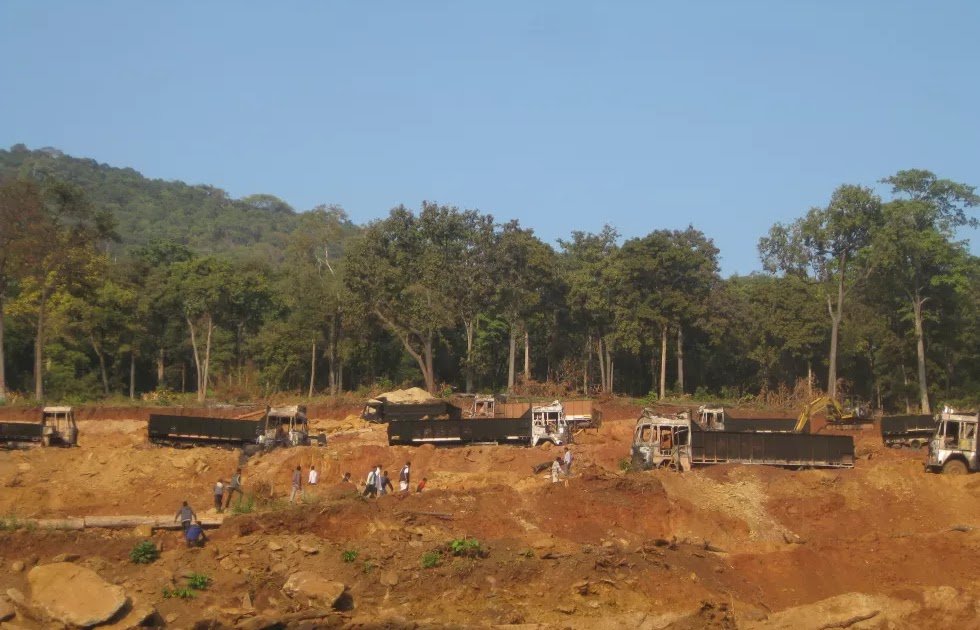
Gadchiroli – The Forest District of Maharashtra Where Tribal Culture, Rivers and Wildlife Come Together
Located in the northeastern part of Maharashtra, Gadchiroli is a fascinating district known for its dense forests, tribal culture, rivers, bamboo resources, wildlife and spiritual heritage. Often described as the “Forest District of Maharashtra”, Gadchiroli offers travellers a quieter and more natural side of the state, away from its heavily visited urban destinations.
From the ancient Markanda Deo Temple and the spiritual atmosphere of Chaprala to the forests of Bhamragarh, Chaprala and Kolamarka, Gadchiroli offers a distinctive combination of nature, tribal heritage, spirituality, rivers and rural traditions.
The district is particularly appealing to travellers interested in wildlife, forests, photography, rivers, tribal culture, temples and offbeat destinations. Its extensive forest cover and relatively untouched landscapes make it one of Maharashtra's most distinctive destinations for nature and cultural exploration. :contentReference[oaicite:0]{index=0}
History of Gadchiroli
Gadchiroli has a long historical connection with the wider Vidarbha and central Indian region. The area has witnessed the influence of several dynasties before becoming part of the administrative structure of modern Maharashtra.
- In ancient times, the region was ruled by the Rashtrakutas.
- The Chalukyas later controlled parts of the region.
- The region subsequently came under the influence of the Yadavas of Deogiri.
- Later, the Gond rulers of Gadchiroli and the surrounding region played an important role in its political and cultural history.
- In the 13th century, Khandkya Ballal Shah founded Chandrapur and shifted his capital from Sirpur to Chandrapur.
- The wider region subsequently came under Maratha rule.
- In 1853, Berar, including the former Chanda region, came under the control of the British East India Company.
- In 1905, the Gadchiroli tehsil was created through the transfer of zamindari areas from Chandrapur and Brahmapuri.
- After the reorganisation of Indian states in 1956, Chandrapur became part of Bombay State.
- Following the formation of Maharashtra in 1960, Chandrapur continued as a district of the new state.
- On 26 August 1982, Gadchiroli district was created by dividing the former Chandrapur district. :contentReference[oaicite:1]{index=1}
Gadchiroli's historical identity is closely connected with its Gond heritage, tribal communities, forests and traditional settlements. The district's history is not represented only through monuments; it continues through its communities, cultural traditions and relationship with the surrounding forests.
Geography of Gadchiroli
Gadchiroli is situated in the northeastern part of Maharashtra, with boundaries touching Telangana and Chhattisgarh. Its landscape is dominated by forests, hills, rivers and agricultural areas.
Gadchiroli's geography is defined by:
Extensive forests covering a large part of the district and supporting rich biodiversity
Godavari River forming an important southern boundary of the district
Pranhita River system created by the confluence of the Wardha and Wainganga rivers near Chaprala
Indravati River basin influencing the eastern and southeastern parts of the district
Hilly terrain around Bhamragad, Tipagad, Palasgad and Surjagad
Agricultural plains where paddy is an important crop
Bamboo and tendu-leaf forests that contribute to the district's forest-based economy
Rivers, streams and wetlands that support wildlife and local communities
The district's extensive forest cover is one of its defining geographical characteristics. The eastern parts around Dhanora, Etapalli, Aheri and Sironcha contain large forested areas. :contentReference[oaicite:2]{index=2}
This combination of forests, hills and rivers makes Gadchiroli particularly suitable for nature tourism, wildlife observation, photography, trekking and cultural exploration.
Culture and Traditions of Gadchiroli
Gadchiroli has one of the most distinctive cultural identities in Maharashtra because of its strong tribal heritage. Communities including the Gond, Madia and Korku have contributed significantly to the cultural traditions of the district. :contentReference[oaicite:3]{index=3}
Traditional Lifestyle
Life in many parts of Gadchiroli remains closely connected with forests, agriculture and natural resources. Paddy cultivation, bamboo work, tendu-leaf collection and other forest-based activities form important parts of rural life.
Traditional villages, weekly markets and community gatherings provide visitors with opportunities to understand the distinctive lifestyle of eastern Maharashtra.
Gond and Madia Heritage
The Gond and Madia communities have a strong historical and cultural presence in Gadchiroli. Their traditional customs, folklore, music, dance and relationship with the forest contribute to the district's unique identity.
Language and Traditions
Marathi, Gondi, Madiya, Hindi, Telugu and other regional languages are spoken across different communities of the district. The district administration notes a multilingual cultural environment that reflects its location near the borders of Telangana and Chhattisgarh. :contentReference[oaicite:4]{index=4}
Music, Dance and Folk Culture
Traditional tribal music and dance are important elements of community celebrations. Folk performances often feature traditional instruments, group dancing, colourful clothing and storytelling.
These traditions are especially visible during festivals, village gatherings and cultural events.
Bamboo Craft
Bamboo is one of Gadchiroli's most important natural resources. Traditional communities have long used bamboo for household products, agricultural tools, baskets and other practical items.
Religious Heritage
Gadchiroli also has an important Hindu religious heritage, particularly around Markanda Deo and Chaprala. Ancient temples and riverside pilgrimage sites attract devotees from Maharashtra and neighbouring regions.
For visitors, Gadchiroli offers an opportunity to experience a destination where tribal traditions, spirituality, forests and rural Maharashtra come together.
Architecture of Gadchiroli
Gadchiroli's architectural heritage is primarily represented by its ancient temples, historic religious structures and traditional village architecture. The district's temple architecture reflects the influence of medieval Deccan traditions.
Markanda Deo Temple
Markanda Deo Temple is one of Gadchiroli's most important architectural and religious landmarks. Located on the bank of the Wainganga River, the temple is dedicated to Lord Shiva and is known for its historic character and sculptural details. :contentReference[oaicite:5]{index=5}
The temple complex contains traditional stone architecture and intricate sculptures that attract both pilgrims and heritage enthusiasts.
Chaprala Temple Complex
Chaprala, also known as Prashant Dham, contains a group of temples dedicated to deities including Shiva, Sai Baba, Hanuman and Durga. The temple complex was established around 1935 by Kartik Swami Maharaj. :contentReference[oaicite:6]{index=6}
Traditional Tribal Architecture
In forest and rural areas, traditional homes and community structures reflect the practical relationship between local communities and the surrounding environment. Bamboo and locally available materials have historically played an important role in rural construction.
Exploring Gadchiroli's architecture provides an opportunity to discover its religious traditions, indigenous culture and connection with natural materials.
Famous Places in Gadchiroli
Gadchiroli district offers a diverse range of natural, spiritual, cultural and heritage attractions.
Markanda Deo Temple
Markanda Deo is a major religious destination situated on the bank of the Wainganga River. The temple is dedicated to Lord Shiva and is known for its historic architecture and sculptures. :contentReference[oaicite:7]{index=7}
The village is approximately 40 km from Gadchiroli and can be reached by road through Chamorshi. :contentReference[oaicite:8]{index=8}
Chaprala Wildlife Sanctuary
Chaprala Wildlife Sanctuary is one of Gadchiroli's important wildlife destinations. It contains dense forests, grasslands and a rich riparian ecosystem along the Pranhita River.
The sanctuary supports wildlife including tigers, leopards, jungle cats, sloth bears, wild dogs, deer and sambar, along with diverse birdlife. :contentReference[oaicite:9]{index=9}
Bhamragarh Wildlife Sanctuary
Bhamragarh Wildlife Sanctuary is located in the forested landscape of southern Gadchiroli. Its dense greenery, rivers and diverse wildlife make it attractive to nature lovers and adventure travellers. :contentReference[oaicite:10]{index=10}
Kolamarka Wildlife Sanctuary
Kolamarka Wildlife Sanctuary is an important protected area near the Indravati River. It is particularly significant for the conservation of the endangered Asiatic wild buffalo and supports a variety of other wildlife and bird species. :contentReference[oaicite:11]{index=11}
Surjagad
Surjagad is a prominent hill and cultural landscape in Gadchiroli. The surrounding area is associated with tribal communities and traditional practices and offers a striking combination of hills and forests.
Binagunda
Binagunda-Kuokodi is a cluster of historic villages in the Bhamragarh area associated with the Bada Madia community. The settlement is surrounded by forest and represents an important example of the district's indigenous cultural landscape. :contentReference[oaicite:12]{index=12}
Somnur Sangam
Somnur Sangam in Sironcha is a scenic river confluence where the Godavari and Indravati rivers meet. The meeting of the rivers creates an attractive natural setting for visitors interested in river landscapes and photography. :contentReference[oaicite:13]{index=13}
British-Era Rest House, Sironcha
The British-era Rest House at Sironcha is a historic structure that was used as a Collector's bungalow during the British period. It provides a glimpse into the administrative history of the region. :contentReference[oaicite:14]{index=14}
Wadadham Fossils Park
Wadadham Fossils Park near Wadadham village in Sironcha taluka is an interesting destination for visitors interested in geology and prehistoric natural history. :contentReference[oaicite:15]{index=15}
Glory of Allapalli
Glory of Allapalli is located in the Allapalli Forest Range and highlights the remarkable forest resources and biodiversity of Gadchiroli. :contentReference[oaicite:16]{index=16}
Lok Biradari Prakalp, Hemalkasa
Lok Biradari Prakalp at Hemalkasa is a renowned social initiative associated with the Maharogi Sewa Samiti. The project includes a hospital and community-oriented work among tribal communities and is an important destination for visitors interested in social service and rural development. :contentReference[oaicite:17]{index=17}
Pushkar Kumbh Mela at Sironcha
Sironcha is associated with the Pushkar Kumbha Mela, which is celebrated on the Pranhita River every 12 years. The event adds an important religious and cultural dimension to the district's tourism landscape. :contentReference[oaicite:18]{index=18}
For travellers interested in forests, tribal culture, spirituality, rivers, wildlife and offbeat heritage, Gadchiroli offers a distinctive range of experiences.
Famous Dishes of Gadchiroli
The cuisine of Gadchiroli reflects the broader traditions of Vidarbha and tribal Maharashtra. Rice, seasonal vegetables, pulses and locally available forest produce form important parts of traditional meals.
Rice-Based Meals
Rice is an important staple because paddy is the district's primary agricultural product. Traditional meals often combine rice with dal, vegetables and regional preparations.
Bhakri
Bhakri is a traditional Maharashtrian flatbread commonly prepared using jowar or bajra. It is often served with vegetables, dal, chutney and spicy curries.
Pithla Bhakri
Pithla Bhakri is a classic Maharashtrian meal prepared with gram flour and spices and served with freshly made bhakri.
Varhadi-Style Curries
The wider Vidarbha region is known for bold and spicy flavours. Local eateries may offer traditional curries prepared with regional spice blends and served with rice or bhakri.
Poha
Poha is a popular breakfast and snack made using flattened rice, onions, peanuts and spices.
Sabudana Khichdi
Sabudana Khichdi is made using tapioca pearls, peanuts, potatoes and spices and is particularly popular during fasting periods.
Local Forest Produce
Traditional communities in the forest regions of Gadchiroli have long used locally available seasonal ingredients and forest produce as part of their food traditions.
Visitors should explore local eateries to experience the simple, hearty and regional flavours of eastern Maharashtra.
Famous Personalities of Gadchiroli
Gadchiroli's public and cultural identity has been shaped by social workers, tribal leaders, spiritual figures, administrators and community contributors.
Prakash Amte
Dr. Prakash Amte is closely associated with Lok Biradari Prakalp at Hemalkasa. Along with his family, he has contributed extensively to healthcare and community development among tribal populations in the region.
Mandakini Amte
Dr. Mandakini Amte has also played a significant role in the work of Lok Biradari Prakalp and community healthcare in Hemalkasa.
Khandkya Ballal Shah
Khandkya Ballal Shah is an important historical figure connected with the wider region. He founded Chandrapur in the 13th century and shifted his capital there from Sirpur. :contentReference[oaicite:19]{index=19}
Gond Rulers
The Gond rulers played an important role in shaping the political and cultural history of the region. Their legacy remains visible through local traditions and historical landscapes.
Local Tribal Leaders and Cultural Contributors
The district's cultural heritage has also been preserved through the work of tribal leaders, artists, teachers, social workers and community figures.
These personalities reflect Gadchiroli's distinctive connection with tribal culture, social service and indigenous traditions.
Festivals of Gadchiroli
Festivals in Gadchiroli reflect the district's combination of Hindu traditions, tribal culture and agricultural life.
Polā
Polā is an important agricultural festival in Maharashtra. Rural communities celebrate the festival by decorating and honouring cattle that play an important role in farming.
Ganesh Chaturthi
Ganesh Chaturthi is celebrated across towns and villages with prayers, decorated idols, cultural programmes and processions.
Gudi Padwa
Gudi Padwa marks the Marathi New Year and is celebrated with traditional decorations, family gatherings and festive food.
Diwali
Diwali is celebrated with lamps, rangoli, prayers, sweets and family gatherings.
Mahashivratri
Mahashivratri is particularly significant at Shiva temples such as Markanda Deo and attracts devotees for prayers and special rituals.
Tribal Festivals
Gond and Madia communities maintain their own traditional festivals and community celebrations featuring folk music, dance, traditional dress and rituals.
Pushkar Kumbh Mela
The Pushkar Kumbh Mela at Sironcha takes place every 12 years on the Pranhita River and is an important religious gathering in the district. :contentReference[oaicite:20]{index=20}
Local Temple Fairs
Temple fairs and religious gatherings at places such as Markanda Deo and Chaprala bring together devotees, local markets, traditional food and cultural activities.
For visitors, local festivals offer a unique opportunity to experience the religious and tribal traditions of eastern Maharashtra.
Things to Do in Gadchiroli
Gadchiroli offers a variety of experiences for travellers interested in wildlife, forests, spirituality, rivers and tribal culture.
Visit Markanda Deo Temple
Explore the historic Markanda Deo Temple on the bank of the Wainganga River and admire its traditional architecture and sculptures. :contentReference[oaicite:21]{index=21}
Explore Chaprala Wildlife Sanctuary
Visit Chaprala Wildlife Sanctuary to experience dense forests, river ecosystems, birdlife and diverse wildlife. :contentReference[oaicite:22]{index=22}
Discover Bhamragarh
Explore the forest landscapes around Bhamragarh and learn about the region's rich tribal heritage.
Explore Kolamarka
Nature enthusiasts can learn about the conservation importance of Kolamarka, particularly its role in protecting the Asiatic wild buffalo and other wildlife. :contentReference[oaicite:23]{index=23}
Visit Hemalkasa
Visit Lok Biradari Prakalp at Hemalkasa to understand the social-service and healthcare initiatives developed for tribal communities.
Explore Somnur Sangam
Visit Somnur Sangam to see the meeting of the Godavari and Indravati rivers and enjoy the surrounding river landscape. :contentReference[oaicite:24]{index=24}
Discover Sironcha
Explore Sironcha and discover its riverside landscape, British-era heritage and religious significance.
Visit Wadadham Fossils Park
Explore Wadadham Fossils Park for an unusual geological and educational experience. :contentReference[oaicite:25]{index=25}
Explore Allapalli Forests
Discover the forest landscapes around Allapalli and experience the natural environment that defines Gadchiroli.
Enjoy Nature Photography
The district's forests, rivers, hills, temples and rural landscapes provide excellent opportunities for landscape, wildlife and cultural photography.
Experience Tribal Culture
Travellers interested in indigenous heritage can learn about Gond and Madia traditions, crafts, music and community life through responsible cultural experiences.
For travellers looking for an offbeat Maharashtra experience, Gadchiroli offers a rare combination of forests, wildlife, spirituality, rivers and tribal heritage.
Where to Eat, Shop, and Stay in Gadchiroli
Gadchiroli town provides basic accommodation, restaurants and local markets, while travellers exploring remote areas may need to plan accommodation and transport more carefully.
Where to Eat
Restaurants in Gadchiroli generally serve Maharashtrian, Vidarbha-style, North Indian and South Indian food.
Visitors can try traditional rice-based meals, bhakri, pithla, poha and regional curries.
Local markets and food stalls also offer popular snacks such as vada pav, samosa, jalebi and other Indian snacks.
Where to Shop
Local markets are suitable for shopping for clothing, household products, agricultural goods, food items and everyday essentials.
Visitors interested in local culture can look for bamboo products and traditional forest-based crafts where available.
Where to Stay
Accommodation options in the district include:
Budget hotels and lodges
Guesthouses
Mid-range accommodation
Government or institutional accommodation where available
Local hotels in Gadchiroli, Aheri and other major towns
Travellers exploring remote forest areas should plan their accommodation carefully and confirm availability before travelling.
For wildlife and remote-area trips, it is advisable to arrange transport and accommodation in advance.
What Is Gadchiroli Famous For?
Gadchiroli is famous for its dense forests, tribal culture, bamboo, tendu leaves, paddy cultivation, rivers and wildlife.
Gadchiroli is especially known for:
Dense Forests – a defining feature of the district and an important habitat for wildlife.
Tribal Culture – particularly the traditions of Gond, Madia and other indigenous communities.
Markanda Deo Temple – a historic Shiva temple located beside the Wainganga River. :contentReference[oaicite:26]{index=26}
Chaprala Wildlife Sanctuary – a forest and river ecosystem supporting diverse wildlife. :contentReference[oaicite:27]{index=27}
Bhamragarh Wildlife Sanctuary – a protected forest landscape rich in biodiversity. :contentReference[oaicite:28]{index=28}
Kolamarka Wildlife Sanctuary – an important conservation area for Asiatic wild buffalo and other wildlife. :contentReference[oaicite:29]{index=29}
Bamboo – one of the district's important forest resources.
Tendu Leaves – another important forest-based product associated with the local economy.
Hemalkasa – known for the Lok Biradari Prakalp and its social-service legacy. :contentReference[oaicite:30]{index=30}
Sironcha – known for its river confluences, religious events and British-era heritage.
For visitors, Gadchiroli is a destination where nature, tribal heritage, spirituality and rivers come together.
Best Time to Visit Gadchiroli
The best general time to visit Gadchiroli is from October to February, when temperatures are more comfortable for sightseeing, nature exploration and cultural visits. Maharashtra Tourism also identifies October to February as the ideal period. :contentReference[oaicite:31]{index=31}
| Season | Months | Travel Experience |
|---|---|---|
| Winter | October–February | Pleasant weather and ideal for sightseeing, temples and nature exploration |
| Summer | March–May | Hot weather; some wildlife areas can offer good animal sightings near water |
| Monsoon | June–September | Green forests, fuller rivers and scenic landscapes, although heavy rain may affect travel |
| Post-Monsoon | October–November | Green surroundings and comfortable conditions for outdoor exploration |
October to February is generally the most comfortable period for exploring Gadchiroli.
For Chaprala Wildlife Sanctuary, the district administration recommends the period between February and May for wildlife visits. :contentReference[oaicite:32]{index=32}
Visitors should check local conditions and access restrictions before travelling to remote forest areas.
How to Reach Gadchiroli
Gadchiroli is connected with major towns in Maharashtra primarily by road. Rail connectivity is limited within the district, so travellers generally use nearby railway stations and continue by road.
By Air
The nearest major airport is Dr. Babasaheb Ambedkar International Airport in Nagpur. For Markanda Deo, the official district tourism information identifies Nagpur as the nearest airport at approximately 220 km. :contentReference[oaicite:33]{index=33}
From Nagpur, travellers can continue towards Gadchiroli by bus, taxi or private vehicle.
By Train
Rail connectivity within Gadchiroli is limited. For destinations such as Markanda Deo, the district administration identifies Mul railway station in Chandrapur district as the nearest railway station. :contentReference[oaicite:34]{index=34}
Travellers can continue by road from nearby railway stations.
By Road
Road travel is the most practical way to reach and explore Gadchiroli.
The district is connected with Nagpur, Chandrapur, Bhandara, Gondia and other parts of eastern Maharashtra.
State transport buses, private buses, taxis and private vehicles provide access to the district headquarters and major towns.
Within the district, travellers exploring remote forest and rural attractions should consider using a reliable private vehicle or locally arranged transport.
Nearby Places to Visit from Gadchiroli
Gadchiroli provides access to several natural, spiritual, cultural and historical destinations across eastern Maharashtra.
Markanda Deo
Markanda Deo is one of the district's most important religious destinations and is located approximately 40 km from Gadchiroli. :contentReference[oaicite:35]{index=35}
Chaprala Wildlife Sanctuary
Chaprala Wildlife Sanctuary is around 44 km from the Gadchiroli district headquarters and offers forests, river landscapes and wildlife experiences. :contentReference[oaicite:36]{index=36}
Bhamragarh
Bhamragarh is an important destination for exploring forests, wildlife and tribal cultural landscapes.
Hemalkasa
Hemalkasa is known for Lok Biradari Prakalp and is an important destination for visitors interested in social work and tribal community development. :contentReference[oaicite:37]{index=37}
Sironcha
Sironcha offers a combination of river landscapes, religious heritage and historic architecture.
Somnur Sangam
Somnur Sangam is a scenic confluence of the Godavari and Indravati rivers and is suitable for nature and photography enthusiasts. :contentReference[oaicite:38]{index=38}
Allapalli
Allapalli is surrounded by important forest landscapes and is associated with the Glory of Allapalli attraction.
Surjagad
Surjagad is a prominent hill and cultural landscape offering opportunities to experience the forests and indigenous traditions of the district.
Wadadham
Wadadham Fossils Park provides an unusual geological attraction in the Sironcha region. :contentReference[oaicite:39]{index=39}
These destinations can be combined into a broader Gadchiroli and eastern Maharashtra itinerary covering forests, wildlife, temples, rivers, tribal culture and social heritage.
Best Duration for a Trip to Gadchiroli
A 2 to 3-day trip can cover the main attractions around Gadchiroli town and nearby religious and natural sites. Travellers who want to explore remote wildlife areas, Hemalkasa, Bhamragarh or Sironcha should consider 4 to 5 days.
A suggested itinerary could include:
Day 1: Explore Gadchiroli town, local markets and nearby cultural attractions.
Day 2: Visit Markanda Deo and Chaprala, exploring the temple and surrounding river and forest landscapes.
Day 3: Explore Allapalli and surrounding forest areas.
Day 4: Travel towards Hemalkasa and Bhamragarh for a deeper experience of the region's tribal and social heritage.
Day 5: Explore Sironcha, Somnur Sangam or Wadadham, depending on road conditions and travel arrangements.
Travellers focusing mainly on the district headquarters and nearby attractions can cover the highlights in two days, while 4 to 5 days is more suitable for exploring Gadchiroli's wider natural and cultural landscape.
Travel Tips for Gadchiroli
Gadchiroli is an offbeat destination with many remote forest areas, so careful planning is important.
Plan remote travel in advance: Some attractions are located far from the district headquarters and may require several hours of road travel.
Check local access conditions: Roads and access to remote forest areas can change depending on weather and local administrative conditions.
Carry drinking water: Keep sufficient water with you when travelling through rural and forest areas.
Carry essential supplies: Mobile connectivity and commercial facilities may be limited in remote locations.
Wear comfortable footwear: Good walking shoes are useful for temples, hills and forest trails.
Carry sun and rain protection: Weather conditions can change quickly, particularly during the monsoon.
Respect tribal communities: Follow local customs and ask permission before photographing people or entering private/community spaces.
Follow forest regulations: Do not disturb wildlife, litter in forests or enter restricted areas.
Use reliable local transport: A local driver or experienced guide can be useful when travelling to remote attractions.
Carry cash: Smaller shops and remote establishments may not always accept digital payments.
Respect religious places: Dress appropriately and follow local temple customs.
Keep the environment clean: Avoid plastic waste and protect the rivers, forests and wildlife habitats.
Book accommodation ahead: Accommodation options become more limited as you travel farther from Gadchiroli town.
With careful planning and responsible travel, Gadchiroli can provide a memorable experience filled with forests, rivers, wildlife, spirituality and authentic tribal culture.
Why Visit Gadchiroli?
Gadchiroli is a destination for travellers who want to discover a lesser-known and deeply natural side of Maharashtra. Its extensive forests, tribal heritage, rivers and spiritual sites give it a character that is very different from the state's urban and heavily commercialised tourist destinations.
Experience the Forests of Maharashtra
Gadchiroli's extensive forest landscapes are its defining natural feature. They provide habitat for wildlife and create opportunities for nature photography and exploration.
Discover Tribal Culture
The district's Gond and Madia communities preserve distinctive traditions of music, dance, art, food and community life.
Explore Ancient Temple Heritage
Markanda Deo provides an opportunity to admire historic temple architecture while experiencing the spiritual atmosphere of a riverside pilgrimage centre. :contentReference[oaicite:40]{index=40}
Discover River Confluences
Places such as Chaprala and Somnur Sangam demonstrate the important role rivers play in the geography and cultural life of the district. :contentReference[oaicite:41]{index=41}
Explore Wildlife
Chaprala, Bhamragarh and Kolamarka offer opportunities to understand the biodiversity and conservation importance of Gadchiroli's forests. :contentReference[oaicite:42]{index=42}
Learn from Hemalkasa
Lok Biradari Prakalp at Hemalkasa provides an inspiring example of healthcare, community development and social service among tribal communities. :contentReference[oaicite:43]{index=43}
Enjoy Offbeat Travel
For travellers who prefer destinations away from crowded tourist circuits, Gadchiroli offers an opportunity to experience quiet forests, rural landscapes, traditional communities and lesser-known heritage sites.
Experience Authentic Vidarbha
From local food and village markets to traditional festivals and forest-based livelihoods, Gadchiroli offers a glimpse into the authentic cultural landscape of eastern Maharashtra.
If you enjoy forests, wildlife, temples, rivers, photography, tribal culture and offbeat destinations, Gadchiroli is a destination worth adding to your Maharashtra travel itinerary.
Conclusion
Gadchiroli is a distinctive destination where forests, tribal culture, spirituality, rivers and wildlife come together. Established as a separate district in 1982, it has developed a strong identity shaped by its natural resources, indigenous communities and rich cultural heritage. :contentReference[oaicite:44]{index=44}
From exploring the historic Markanda Deo Temple and the forests of Chaprala to discovering the tribal landscapes of Bhamragarh and Surjagad, visiting Hemalkasa and experiencing the river confluences around Sironcha, the district offers a diverse range of experiences.
If you are looking for a destination where dense forests, ancient temples, tribal traditions, rivers and authentic rural Maharashtra come together, Gadchiroli is a place worth discovering.
"Travel is the only thing you buy that makes you richer."