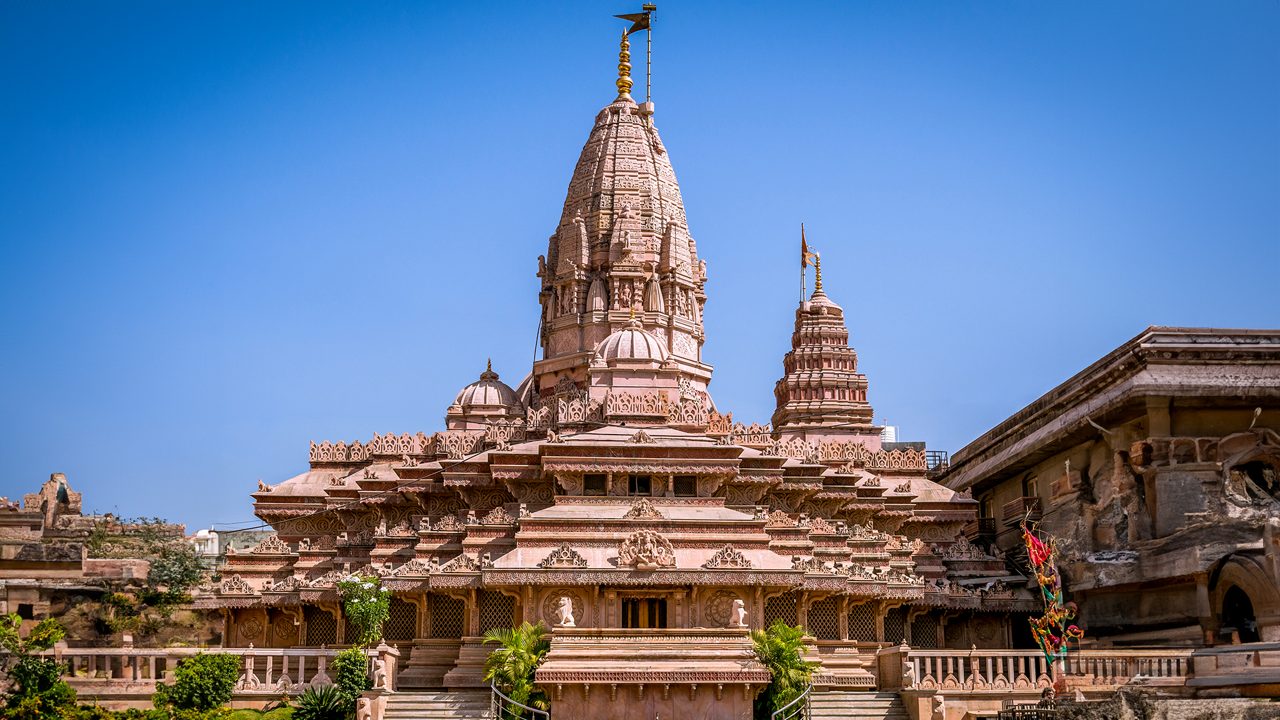
Amravati – Where Heritage, Spirituality and the Wild Beauty of Vidarbha Meet
Located in the heart of Vidarbha in Maharashtra, Amravati is an important city known for its ancient temples, historic heritage, educational institutions, agricultural importance and access to some of the region's most beautiful natural landscapes. The city serves as the administrative headquarters of Amravati district and is an important centre of western Vidarbha.
From the historic Ambadevi Temple and Chhatri Talao to the scenic landscapes of Chikhaldara, the historic Gawilgarh Fort and the forests of Melghat Tiger Reserve, Amravati offers a fascinating combination of history, spirituality, culture, wildlife and nature.
Often regarded as an important cultural and commercial centre of Vidarbha, Amravati is an ideal destination for travellers who want to explore a lesser-known side of Maharashtra while experiencing the region's traditional lifestyle, historic landmarks and natural beauty.
History of Amravati
The history of Amravati goes back many centuries and is closely connected with the ancient Berar region, the Yadavas of Devagiri, the Maratha period, the Nizam's administration and later British rule. The city has witnessed several political and cultural changes that have shaped its present identity.
- The ancient name of Amravati is associated with Udumbravati, which is believed to have evolved into Umravati and eventually Amravati.
- Historical evidence includes a stone inscription associated with a marble statue of Lord Adinath, indicating the presence of Jain religious activity in the region in 1097.
- In the 13th century, the region was associated with the Yadavas of Devagiri.
- In 1722, Chhatrapati Shahu Maharaj granted Amravati and Badnera to Ranoji Bhosale.
- The city subsequently became known as Bhosle ki Amravati and developed under the Bhosale administration.
- The region was influenced by the Nizam of Hyderabad and the Maratha Bhosales during the 18th and early 19th centuries.
- British forces captured the strategic Gawilgarh Fort in 1803.
- The British period brought further administrative and commercial development to the region.
- In 1853, the territory of present-day Amravati district became part of the Berar Province under British administration following an agreement with the Nizam of Hyderabad.
- Amravati became part of the reorganised state of Maharashtra in 1960.
Amravati's history can still be experienced through its temples, forts, lakes, old markets, religious sites and surrounding heritage landscapes. The city's development from an ancient settlement into a major regional centre reflects the changing political and commercial history of Vidarbha.
Geography of Amravati
Amravati city is situated at an elevation of approximately 340 metres above sea level and forms an important urban centre in eastern Maharashtra. The city lies in the western part of Vidarbha and is surrounded by agricultural landscapes, low hills and forested areas.
Amravati's geography is defined by:
Morna and other regional waterways contributing to the landscape around the city
Pohara and Chirodi hills located towards the eastern side of the city
Maltekdi Hill within the city, known for its elevated viewpoint and the statue of Chhatrapati Shivaji Maharaj
Chhatri Talao and Wadali Talao, two important water bodies in and around the city
Agricultural plains surrounding the urban area
Satpura hill landscapes and dense forests towards the Melghat region
Wildlife and protected forest areas including the Melghat Tiger Reserve
The geography of the wider district changes dramatically from relatively flat agricultural plains around Amravati to the forested hills and valleys of Melghat and Chikhaldara. This geographical diversity makes the district attractive to travellers interested in heritage, wildlife, hill stations, trekking and nature.
Culture and Traditions of Amravati
The culture of Amravati reflects the traditional identity of Vidarbha and Maharashtra. Marathi language and Maharashtrian customs form the foundation of local culture, while the city's long history has created a diverse social and religious environment.
Traditional Lifestyle
Amravati combines modern urban development with the traditional lifestyle of the surrounding agricultural communities. Farming, local markets, education, small businesses and religious institutions continue to play important roles in the region.
The surrounding villages retain strong connections with agriculture, seasonal festivals and community traditions, giving visitors an opportunity to experience the more traditional side of Vidarbha.
Language and Traditions
Marathi is the principal language spoken in Amravati, while Hindi and English are also widely understood. The city's diverse population has contributed to a cultural environment where different regional traditions coexist.
Local traditions are expressed through temple rituals, religious festivals, folk performances, family celebrations and community gatherings.
Music, Dance and Folk Culture
The broader Vidarbha region has a rich tradition of folk music, Powada, Lavani and devotional performances. Traditional music and storytelling continue to play a role during festivals and cultural programmes.
Community celebrations often include music, processions and cultural performances that help preserve the traditional identity of the region.
Religious Diversity
Amravati's cultural landscape includes Hindu temples, Jain heritage, Islamic religious sites and modern spiritual institutions. The historic evidence of different communities living in the region over centuries reflects the city's diverse cultural history.
For visitors, Amravati offers an opportunity to experience a side of Maharashtra where tradition, spirituality, agriculture, education and modern urban life come together.
Architecture of Amravati
Amravati's architectural identity is shaped by its ancient temples, historic water structures, forts, religious buildings and traditional urban heritage. The wider district also contains remarkable military architecture in the Melghat hills.
Ambadevi Temple
The historic Ambadevi Temple is one of Amravati's most important religious landmarks. Dedicated to Goddess Ambadevi, the temple has strong cultural and spiritual significance and is closely associated with the identity of the city.
Gawilgarh Fort
Gawilgarh Fort, located in the Chikhaldara region, is one of the most significant historic monuments in the district. Built in the rugged Satpura landscape, the fort contains defensive walls, gateways and other structures reflecting the military architecture of the Deccan.
Chhatri Talao
Chhatri Talao is a historic water body constructed in 1888. Originally developed as a water-supply structure, it has also become an important recreational and heritage landmark of Amravati.
Traditional Urban Architecture
Older parts of Amravati contain traditional houses, commercial buildings, religious structures and historic market areas that reflect the city's development during the Maratha, Nizam and British periods.
Exploring Amravati's architecture provides a glimpse into the relationship between religion, military history, water management and urban development in Vidarbha.
Famous Places in Amravati
Amravati and the wider district offer a fascinating variety of temples, lakes, forts, wildlife areas and hill destinations.
Ambadevi Temple
Ambadevi Temple is one of the most important religious landmarks in Amravati. Dedicated to Goddess Ambadevi, the temple is believed to have a very old history and remains an important centre of devotion.
The temple becomes particularly lively during Navratri and other religious celebrations, attracting devotees from Amravati and surrounding regions.
Ekvira Devi Temple
Ekvira Devi Temple is located in the Chikhaldara region and is associated with Goddess Ekvira. Its hill setting provides a peaceful spiritual environment surrounded by the natural beauty of the Satpura landscape.
Chhatri Talao
Chhatri Talao was constructed in 1888 and is one of the notable water bodies of Amravati. The lake provides a pleasant setting for visitors looking for a quiet outdoor experience close to the city.
Wadali Talao
Wadali Talao is another important water body near Amravati. Originally developed for water supply, the reservoir is now also used for recreation and family outings.
ISKCON Amravati
ISKCON Amravati is a modern spiritual landmark located in the city. The temple provides visitors with a peaceful environment for prayer and spiritual reflection.
Maltekdi
Maltekdi is a hill located within Amravati city. A statue of Chhatrapati Shivaji Maharaj stands at the top, making the location both a local landmark and a viewpoint over the surrounding cityscape.
Gawilgarh Fort
Gawilgarh Fort is located in the Chikhaldara hills and is one of the district's most important heritage attractions. Its hilltop location, forest surroundings and historic fortifications make it particularly appealing to history lovers and photographers.
Melghat Tiger Reserve
Melghat Tiger Reserve is one of the major wildlife destinations associated with Amravati district. The reserve covers a large forested landscape within the Satpura range and provides habitat for tigers, leopards, sloth bears, gaur and numerous bird species.
Melghat was declared a Tiger Reserve in 1974 and remains one of the important protected forest landscapes of Maharashtra.
Chikhaldara
Chikhaldara is Maharashtra's only hill station in the Vidarbha region and is surrounded by forests, valleys, viewpoints, waterfalls and coffee plantations.
Popular attractions around Chikhaldara include Sunset Point, Panchbol Point, Bhimkund, Shakkar Lake, Mozari Point, Prospect Point and various waterfalls.
Semadoh
Semadoh is a scenic settlement within the Melghat landscape, situated near the Sipna River. It is known for its forest environment, wildlife experiences and access to the surrounding protected areas.
For travellers interested in history, spirituality, wildlife, photography and hill landscapes, Amravati provides an impressive range of experiences.
Famous Dishes of Amravati
The food of Amravati reflects the culinary traditions of Vidarbha and Maharashtra. Local cuisine is known for its bold spices, rustic preparations, grains, pulses, vegetables and traditional Maharashtrian flavours.
Varhadi-Saoji Cuisine
Saoji cuisine is one of Vidarbha's best-known culinary traditions. It is particularly recognised for strong spices and rich flavours, especially in meat-based preparations.
Saoji Chicken
Saoji Chicken is prepared using chicken cooked in a strongly spiced gravy. The dish is popular among visitors who enjoy bold and spicy regional food.
Saoji Mutton
Saoji Mutton is another iconic Vidarbha preparation. The meat is cooked with a complex blend of roasted spices to create a rich and intensely flavoured curry.
Varhadi Bhakri
Bhakri is an important part of traditional Maharashtrian food. It is commonly prepared using jowar or other grains and served with vegetables, dal, chutney or spicy curries.
Pithla Bhakri
Pithla Bhakri is a traditional Maharashtrian meal made from gram flour and spices and served with freshly prepared bhakri.
Poha
Poha is a popular breakfast and snack across Maharashtra. Flattened rice is cooked with onions, peanuts and spices to create a simple and flavourful meal.
Sabudana Khichdi
Sabudana Khichdi is a popular Maharashtrian preparation made using tapioca pearls, peanuts, potatoes and spices. It is especially common during fasting periods and religious occasions.
For food lovers, exploring Amravati's local restaurants and traditional eateries is an excellent way to experience the bold and distinctive flavours of Vidarbha.
Famous Personalities of Amravati
Amravati and the wider region have been associated with several important personalities from politics, social reform, education, literature and public life.
Vamanrao Joshi
Vamanrao Joshi was an important freedom fighter, writer and social activist associated with Amravati. His contribution to India's freedom movement and public life remains part of the city's historical heritage.
Dr. Punjabrao Deshmukh
Dr. Punjabrao Deshmukh was a major agricultural leader and former Union Agriculture Minister of India. His work in agricultural education and rural development had a significant impact on Vidarbha.
His legacy is particularly important in the wider region through agricultural education and institutions dedicated to farming and rural development.
Dr. Shivajirao Patil Nilangekar and Regional Public Figures
The wider Vidarbha and Amravati region has produced several political and public figures who have contributed to Maharashtra's development through administration, education, agriculture and social initiatives.
Local Cultural Contributors
Amravati has also been shaped by teachers, writers, artists, social workers, agricultural scientists and community leaders whose contributions have strengthened the city's cultural and educational identity.
The personalities associated with Amravati reflect its role as an important centre of education, agriculture, public service and cultural activity.
Festivals of Amravati
Festivals are an important part of Amravati's cultural life. Religious celebrations, Maharashtrian traditions and community events bring the city and surrounding villages together throughout the year.
Navratri
Navratri is particularly significant in Amravati because of the importance of the Ambadevi Temple. Devotees gather for prayers, rituals and celebrations during the festival.
Ganesh Chaturthi
Ganesh Chaturthi is celebrated enthusiastically across Amravati with decorated idols, community pandals, prayers, cultural programmes and processions.
Gudi Padwa
Gudi Padwa marks the Marathi New Year and is celebrated with traditional decorations, family gatherings, festive food and cultural activities.
Diwali
Diwali is celebrated with lamps, rangoli, prayers, sweets and family gatherings. Markets and commercial areas become particularly lively during the festive season.
Holi
Holi brings colour, music and community celebrations to Amravati. Families and communities gather to celebrate the festival of colours.
Mahashivaratri
Mahashivaratri is celebrated at Shiva temples across the city and surrounding region with prayers, rituals and devotional gatherings.
Pola Festival
Pola is an important agricultural festival in Maharashtra and is particularly meaningful in farming communities. Farmers decorate and honour their bulls as part of the celebration.
Local Temple Festivals
Temples across Amravati district organise annual fairs, processions and religious celebrations. These events provide an opportunity to experience traditional music, devotional practices, local food and community life.
For visitors, attending a festival can be a memorable way to experience Amravati's spiritual traditions and the cultural character of Vidarbha.
Things to Do in Amravati
Amravati offers a variety of experiences for travellers interested in history, spirituality, wildlife, food and nature.
Visit Ambadevi Temple
Explore the historic Ambadevi Temple and experience one of the most important spiritual landmarks of Amravati.
Explore Chhatri Talao
Spend time around Chhatri Talao and enjoy its peaceful water-side environment. The historic reservoir provides an easy outdoor experience close to the city.
Visit Wadali Talao
Explore Wadali Talao for a relaxed family outing and enjoy the surrounding greenery and water landscape.
Explore Maltekdi
Visit Maltekdi to see the statue of Chhatrapati Shivaji Maharaj and enjoy elevated views of Amravati.
Discover Gawilgarh Fort
Travel towards Chikhaldara and explore the historic Gawilgarh Fort. The combination of fort architecture, forest and hill scenery makes it ideal for history lovers and photographers.
Explore Melghat Tiger Reserve
Nature and wildlife enthusiasts can visit Melghat Tiger Reserve to explore one of Maharashtra's important forest ecosystems and, where permitted, experience wildlife safaris and guided nature activities.
Enjoy Chikhaldara
Spend time at Chikhaldara and explore its viewpoints, lakes, waterfalls, forests and coffee-growing areas.
Try Varhadi-Saoji Cuisine
Food lovers should experience authentic Saoji chicken, Saoji mutton, bhakri and other traditional Vidarbha dishes.
Enjoy Nature and Photography
The forests, hills, lakes, waterfalls and historic monuments around Amravati provide excellent opportunities for landscape, wildlife and heritage photography.
For travellers looking beyond Maharashtra's major tourist centres, Amravati offers an opportunity to experience Vidarbha's history, spirituality, food and natural beauty.
Where to Eat, Shop, and Stay in Amravati
Amravati is a well-developed regional city with a variety of restaurants, markets, hotels and shopping areas. Travellers can find options ranging from local eateries and budget accommodation to modern restaurants and hotels.
Where to Eat
Restaurants across Amravati serve Maharashtrian, Varhadi-Saoji, North Indian, South Indian and multi-cuisine food.
Visitors should especially try traditional Saoji restaurants to experience the distinctive flavours of Vidarbha.
Local eateries also offer popular Maharashtrian snacks such as poha, vada pav, misal pav and bhaji.
Where to Shop
Amravati has a variety of local markets, shopping streets, textile stores, clothing shops and modern retail outlets.
Visitors can shop for clothing, traditional products, household items, local food products and everyday essentials.
Markets become particularly lively during Diwali, Ganesh Chaturthi, Navratri and other major festivals.
Where to Stay
Amravati offers accommodation across different budgets. Travellers can find:
Budget hotels and lodges
Mid-range hotels
Business hotels
Guesthouses
Hotels near major commercial areas and transport hubs
Travellers planning excursions to Chikhaldara or Melghat may also choose to stay closer to those destinations for easier access to the forests and hill areas.
During festivals, holidays and peak travel periods, it is advisable to book accommodation in advance.
What Is Amravati Famous For?
Amravati is famous for its ancient temples, Vidarbha culture, historic heritage, agricultural importance and access to Melghat and Chikhaldara.
Amravati is especially known for:
Ambadevi Temple – one of the city's most important and historic religious landmarks.
Chhatri Talao – a historic water body constructed in 1888.
Wadali Talao – a popular local water and recreation destination.
Gawilgarh Fort – a historic hill fort located in the Chikhaldara region.
Melghat Tiger Reserve – one of Maharashtra's important tiger and wildlife landscapes.
Chikhaldara – a scenic hill station known for forests, viewpoints, waterfalls and coffee plantations.
Varhadi-Saoji Cuisine – famous for bold and spicy flavours.
Vidarbha Culture – expressed through language, food, festivals and traditional customs.
Agriculture and Education – important parts of Amravati's regional economy and identity.
For visitors, Amravati is more than a regional administrative centre. It is a destination where history, spirituality, wildlife, agriculture and the natural beauty of Vidarbha come together.
Best Time to Visit Amravati
The best time to visit Amravati is generally from October to February, when the weather is more comfortable for sightseeing and outdoor activities. This period is also suitable for exploring Chikhaldara and the surrounding natural attractions.
| Season | Months | Travel Experience |
|---|---|---|
| Winter | October–February | Pleasant weather and ideal for sightseeing |
| Summer | March–May | Hot and dry; outdoor activities are better during mornings and evenings |
| Monsoon | June–September | Green landscapes and attractive hill scenery, with possible heavy rainfall |
| Post-Monsoon | October | Comfortable weather and excellent conditions for exploring nature |
For comfortable sightseeing, October to February is generally preferred. The monsoon can also be an attractive time to visit the surrounding hills and forests, although heavy rainfall can affect road travel and outdoor activities.
How to Reach Amravati
Amravati is well connected with major cities in Maharashtra and neighbouring states by road and rail. Its location in western Vidarbha makes it an important regional transportation centre.
By Air
Amravati Airport at Belora serves the region, while Dr. Babasaheb Ambedkar International Airport in Nagpur is an important alternative for travellers arriving by air.
From the airport, visitors can continue towards Amravati by taxi, private vehicle or other road transport.
By Train
Amravati Railway Station and Badnera Junction provide important railway connections for the region. Badnera is particularly important for long-distance rail services connecting Amravati with major cities across India.
Rail connections make Amravati accessible from cities such as Nagpur, Mumbai, Pune and other major destinations.
By Road
Amravati is connected by road with major cities and towns across Maharashtra. State transport buses, private buses, taxis and private vehicles provide convenient road access.
The city can be reached from Nagpur, Akola, Wardha, Yavatmal, Washim and other parts of Maharashtra.
Within the city, travellers can use auto-rickshaws, buses, taxis and private vehicles to reach different attractions.
Nearby Places to Visit from Amravati
Amravati is an excellent base for exploring several natural, historical and religious destinations across the district and wider Vidarbha region.
Chikhaldara
Chikhaldara is one of the most popular destinations near Amravati. The hill station is known for forests, viewpoints, lakes, waterfalls and coffee plantations.
Melghat Tiger Reserve
Melghat Tiger Reserve is one of Maharashtra's important protected forest landscapes. The reserve provides habitat for tigers, leopards, sloth bears, gaur and numerous bird species.
Gawilgarh Fort
Gawilgarh Fort is located in the Chikhaldara hills and offers a combination of historic architecture, hill landscapes and forest surroundings.
Semadoh
Semadoh is a scenic destination in the Melghat region, surrounded by dense forests and located near the Sipna River. It is particularly attractive to wildlife and nature enthusiasts.
Wadali Talao
Wadali Talao is close to Amravati city and is suitable for a relaxed outing surrounded by water and greenery.
Malkhed Dam
Malkhed Dam is located near Chandur and provides a scenic setting for outdoor activities, family outings and enjoying the surrounding landscape.
Chandur Railway
Chandur Railway and its surrounding region provide opportunities to explore local landscapes, reservoirs and rural Maharashtra.
These destinations can be combined into a longer journey through Amravati and Vidarbha, offering a mixture of wildlife, hill stations, forts, temples and scenic landscapes.
Best Duration for a Trip to Amravati
A 2 to 3-day trip is generally sufficient to explore Amravati city and some of its major attractions. Travellers who want to include Chikhaldara and Melghat should plan at least four days.
A suggested itinerary could include:
Day 1: Explore Ambadevi Temple, Maltekdi, Chhatri Talao and Wadali Talao.
Day 2: Visit local temples, ISKCON Amravati, markets and other city attractions.
Day 3: Travel towards Chikhaldara and explore its viewpoints, lakes and waterfalls.
Day 4: Explore Gawilgarh Fort and the surrounding Melghat landscape.
Day 5: Keep additional time for Semadoh, wildlife experiences or nearby destinations.
Travellers focusing mainly on the city can cover Amravati in two days, but 3 to 4 days is more comfortable for experiencing both the city and its surrounding attractions.
Travel Tips for Amravati
Amravati is an easy city to explore, but a little preparation can make your trip more comfortable.
Plan outdoor activities carefully: Summers can be very hot, so visit outdoor attractions during the morning or late afternoon.
Carry drinking water: Keep water with you when travelling to Chikhaldara, Melghat and other outdoor destinations.
Wear comfortable footwear: Forts, temples, viewpoints and natural attractions may involve walking and uneven surfaces.
Carry sun protection: Sunscreen, sunglasses and a hat are useful during the hotter months.
Check weather conditions: Monsoon rainfall can affect roads, particularly in the hilly and forested regions.
Respect religious places: Dress appropriately and follow local customs when visiting temples and spiritual centres.
Follow wildlife rules: When visiting Melghat Tiger Reserve, follow forest department instructions and maintain a safe distance from wildlife.
Plan transport for hill destinations: A private vehicle or reliable taxi can be more convenient for exploring Chikhaldara, Gawilgarh and Melghat.
Carry some cash: Small shops and rural establishments may not always accept digital payments.
Try local cuisine: Do not miss the opportunity to taste authentic Varhadi-Saoji food.
Book accommodation early: Hotels can become busy during festivals, holidays and the peak winter travel season.
Plan wildlife visits in advance: Check current entry arrangements, safari availability and forest regulations before visiting protected areas.
With proper planning, Amravati can offer a memorable experience filled with history, spirituality, wildlife, food and the natural beauty of Vidarbha.
Why Visit Amravati?
Amravati is a destination for travellers who want to explore a lesser-known but culturally rich side of Maharashtra. The city's historic temples and water bodies combine beautifully with the forests and hills of the surrounding district.
Discover Ancient Heritage
Amravati's history stretches back centuries, with evidence of ancient religious activity and a long association with the political history of Berar and Vidarbha.
Experience Spiritual Maharashtra
The Ambadevi and Ekvira Devi temples and other religious landmarks provide visitors with an opportunity to experience the strong spiritual traditions of the region.
Explore Wildlife
Melghat Tiger Reserve offers one of the most exciting wildlife experiences in the region, surrounded by the rugged forests and hills of the Satpura landscape.
Visit Chikhaldara
The scenic hill station of Chikhaldara provides a refreshing contrast to the urban environment of Amravati, with its viewpoints, lakes, waterfalls, forests and coffee plantations.
Discover Historic Forts
Gawilgarh Fort offers a fascinating combination of military history, architecture and natural beauty.
Taste Vidarbha Cuisine
Food lovers can discover the bold flavours of Varhadi-Saoji cuisine, along with traditional Maharashtrian dishes such as bhakri, pithla and poha.
Experience Local Culture
Festivals such as Navratri, Ganesh Chaturthi, Gudi Padwa, Diwali and Pola provide opportunities to experience the region's traditions and community life.
Enjoy an Offbeat Maharashtra Experience
For travellers who want to move beyond Mumbai, Pune and Maharashtra's better-known destinations, Amravati offers an opportunity to discover Vidarbha's history, spirituality, wildlife, food and natural landscapes.
If you enjoy temples, forts, wildlife, hill stations, local food, photography and regional culture, Amravati is a destination worth adding to your Maharashtra travel itinerary.
Conclusion
Amravati is a city that offers a fascinating introduction to the history, culture and natural beauty of Vidarbha. Its ancient temples, historic water bodies, cultural traditions and proximity to the forests and hills of Melghat give it a distinctive identity within Maharashtra.
From visiting the historic Ambadevi Temple and peaceful Chhatri Talao to exploring the magnificent Gawilgarh Fort, scenic Chikhaldara and the wildlife-rich Melghat Tiger Reserve, Amravati offers experiences for history lovers, pilgrims, nature enthusiasts and adventurous travellers alike.
If you are looking to explore beyond Maharashtra's most popular tourist destinations and experience a place where history, spirituality, wildlife, food and authentic Vidarbha culture come together, Amravati is a destination worth discovering.
"Travel is the only thing you buy that makes you richer."