Ajmer: Where Sufi Spirituality Meets Rajputana Heritage
Ajmer is one of Rajasthan's most fascinating destinations, known for its spiritual atmosphere, historic monuments, beautiful lakes and diverse cultural traditions. Surrounded by the rugged Aravalli Hills, the city is home to the world-famous Ajmer Sharif Dargah, the resting place of Sufi saint Khwaja Moinuddin Chishti. The shrine attracts devotees from different faiths and backgrounds, making Ajmer an important centre of pilgrimage and cultural harmony.
Beyond its religious significance, Ajmer offers a remarkable journey through Rajasthan's history. From the hilltop Taragarh Fort and the Indo-Islamic architecture of Adhai Din Ka Jhonpra to the peaceful shores of Ana Sagar Lake and the ornate Soniji Ki Nasiyan Jain Temple, the city offers a wide range of experiences. Its colourful bazaars, traditional Rajasthani food and close proximity to Pushkar make Ajmer an excellent destination for history lovers, pilgrims and curious travellers.
1. History of Ajmer
Ajmer has a rich history that dates back to the early medieval period. The city is traditionally associated with Raja Ajaypal Chauhan, who is credited with founding it in the 7th century in some accounts, although historical sources also associate its development with the Chauhan rulers of the 11th century. The name Ajmer is commonly linked to the expression Ajay Meru, often interpreted as an invincible hill.
Ajmer became an important political centre under the Chauhan dynasty. Taragarh Fort, positioned on a hill overlooking the city, reflects its strategic importance. The region became a battleground during the conflicts between Rajput rulers and expanding powers from northern India in the late 12th century.
In the centuries that followed, Ajmer came under different rulers, including the Delhi Sultanate and the Mughals. Emperor Akbar valued the city because of the revered shrine of Khwaja Moinuddin Chishti and visited it on pilgrimage. Mughal emperors also contributed to the city's religious and architectural heritage.
In 1616, the Mughal emperor Jahangir met the English ambassador Sir Thomas Roe in Ajmer, an event associated with the early diplomatic relations between the Mughal court and England. The city later came under Maratha influence before being ceded to the British in 1818.
During British rule, Ajmer-Merwara was administered separately from many princely states of Rajputana. Ajmer became part of Rajasthan in 1956. Today, the city is recognised for its religious importance, educational institutions, historical monuments and role as a gateway to nearby Pushkar.
2. Geography of Ajmer
Ajmer is located in central Rajasthan, surrounded by the hills of the Aravalli Range. Its setting between rocky hills and open plains gives the city a landscape distinct from Rajasthan's desert destinations.
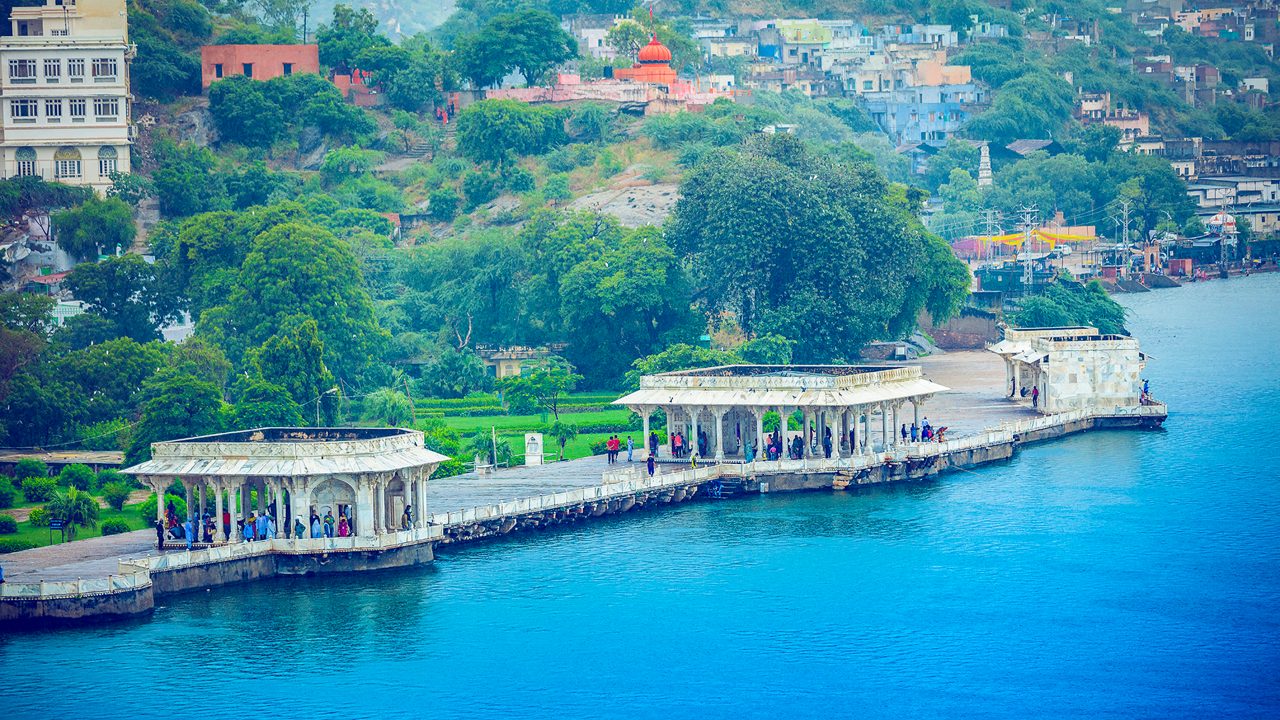
Ana Sagar Lake, an artificial lake built in the 12th century, is one of Ajmer's defining geographical features. The lake and its surrounding parks create a popular recreational area, while the nearby hills offer elevated views of the city.
The wider Ajmer region includes rocky terrain, dry deciduous vegetation, agricultural areas and settlements connected by road and rail. The landscape has influenced the location of forts, reservoirs and historic settlements.
Ajmer has a semi-arid climate, with hot summers, a monsoon season and cooler winters. Rainfall is seasonal, and summer afternoons can be extremely warm. The winter months are generally more comfortable for sightseeing and walking around the city's historic areas.
3. Culture and Traditions of Ajmer
Ajmer's culture reflects a distinctive blend of Sufi traditions, Rajput heritage, Jain religious life and wider Rajasthani customs. The city is especially known for the spiritual atmosphere surrounding Ajmer Sharif Dargah, where visitors from different communities come to offer prayers.
Qawwali, a form of devotional music associated with Sufi traditions, is an important part of the city's cultural identity. During religious gatherings, devotional singing and recitation contribute to the atmosphere around the shrine.
Rajasthani folk music, traditional clothing, handicrafts and regional cuisine can be experienced in Ajmer's markets and cultural events. The city's historic bazaars offer textiles, jewellery, embroidered items, religious goods and everyday merchandise.
Ajmer is also an educational centre, with institutions such as Mayo College contributing to its academic heritage. The presence of religious, educational and cultural institutions gives the city a varied social character.
Visitors can experience Ajmer's traditions by exploring the old city, attending public cultural events, trying local food and respectfully observing religious practices at the Dargah and other places of worship.
4. Architecture of Ajmer
Ajmer's architecture reflects several periods of Indian history, including Rajput fortification, Indo-Islamic design, Mughal craftsmanship, Jain temple art and colonial-era buildings.
Rajput Architecture
Taragarh Fort stands on a hill above the city and reflects the strategic importance of Ajmer under the Chauhan rulers. Its fortifications, gateways and elevated position provide insight into the military architecture of the region.
Indo-Islamic Architecture
Adhai Din Ka Jhonpra is one of Ajmer's most distinctive historic monuments. Its arched screens, carved pillars and combination of architectural elements make it an important example of Indo-Islamic architecture.
Mughal Architecture
The Ajmer Sharif Dargah complex includes gateways, courtyards, marble features and structures associated with different periods of patronage. The city's Akbari Fort and museum also preserve important elements of its Mughal-era history.
Jain Architecture
Soniji Ki Nasiyan, also known as the Red Temple, is famous for its ornate Jain architecture and elaborate representations of religious themes. Its decorative interiors make it one of Ajmer's most distinctive cultural landmarks.
Lakefront Architecture
The marble pavilions known as baradaris beside Ana Sagar Lake were added during the Mughal period. Their open arches and lakeside setting create a striking combination of architecture and landscape.
5. Famous Places to Visit in Ajmer
Ajmer Sharif Dargah
The Ajmer Sharif Dargah is the city's most famous landmark and one of India's most important Sufi pilgrimage destinations. It houses the tomb of Khwaja Moinuddin Chishti, a revered Sufi saint associated with the Chishti order. Visitors from different religious backgrounds come to offer prayers, flowers and traditional offerings. The shrine is especially busy during the annual Urs observances. Dress modestly and follow the site's rules regarding footwear, photography and entry.
Adhai Din Ka Jhonpra
Adhai Din Ka Jhonpra is a historic structure known for its impressive arched screen, carved pillars and Indo-Islamic architectural features. Traditionally associated with an earlier educational structure that was later converted into a mosque, the monument reflects the changing architectural and political history of Ajmer.
Ana Sagar Lake
Ana Sagar Lake is one of Ajmer's most popular places to relax. Built in the 12th century under Anaji Chauhan, it is surrounded by hills, parks and historic marble pavilions. The lakefront is especially attractive in the cooler hours of the day and is a popular place for evening walks and photography.
Taragarh Fort
Taragarh Fort rises above Ajmer and offers a glimpse into the region's Rajput military history. Its hilltop setting provides panoramic views of the city and surrounding Aravalli landscape. Reaching the fort involves an uphill journey, so wear comfortable shoes and check the current access conditions before visiting.
Soniji Ki Nasiyan
Soniji Ki Nasiyan is a celebrated Jain temple complex also known as the Red Temple. It is especially famous for its richly decorated interior and detailed artistic representations of Jain cosmology. Visitors interested in religious art, craftsmanship and architecture should include it in their itinerary.
Akbari Fort and Government Museum
Akbari Fort, also known as Akbari Fort and Museum, is a historic structure associated with Mughal rule. The museum displays collections of sculptures, inscriptions, historic objects and other artefacts. It is a useful stop for visitors who want to understand Ajmer's political and cultural history.
Daulat Bagh
Daulat Bagh is a historic garden beside Ana Sagar Lake, associated with the Mughal period. Its landscaped surroundings offer a pleasant place to walk and enjoy views of the lake and nearby hills.
Foy Sagar Lake
Foy Sagar Lake is another water body near Ajmer, constructed during the British period as a famine-relief project. Its quieter setting and surrounding landscape make it an option for visitors interested in scenic viewpoints and less crowded outdoor spaces. Check access and local conditions before visiting.
Prithviraj Smarak
Prithviraj Smarak is a memorial associated with the Rajput ruler Prithviraj Chauhan. Located on elevated terrain, it features a statue of the warrior king and provides views of the surrounding landscape. It is a useful stop for travellers interested in Rajput history.
Mayo College
Mayo College is one of India's historic educational institutions, established during the British period. Known for its campus and architectural character, it forms an important part of Ajmer's educational heritage. Access to the campus may be restricted, so confirm visitor permission before planning a visit.
6. Famous Dishes of Ajmer
Ajmer's food culture combines Rajasthani flavours with the culinary traditions of the wider North Indian region. The city's markets and eateries offer savoury snacks, traditional sweets, vegetarian meals and dishes associated with the Dargah's food traditions.
Sohan Halwa
Sohan halwa is a traditional sweet associated with Ajmer and other parts of North India. It is known for its rich texture and sweet flavour and is often purchased as a gift or edible souvenir.
Kachori
Kachori is a popular savoury snack available at local breakfast shops and street-food stalls. It is often served with spicy potato curry or chutneys and makes a filling start to the day.
Kadhi Kachori
Kadhi kachori combines crisp kachori with a tangy, spiced yoghurt-based curry. It is a satisfying local-style meal and can be found at selected eateries around the city.
Dal Baati Churma
Dal baati churma is one of Rajasthan's best-known traditional meals. It combines baked wheat baati, lentil dal and sweet churma. Visitors can look for it at restaurants serving Rajasthani cuisine.
Ghewar
Ghewar is a traditional Rajasthani sweet, particularly popular during festive occasions such as Teej and Raksha Bandhan. It has a distinctive honeycomb-like texture and is often topped with syrup, nuts or other garnishes.
Dargah Kheer
Kheer is associated with the charitable food traditions of Ajmer Sharif Dargah. Large ceremonial cauldrons, known as degs, are used to prepare food on special occasions. Visitors should follow the shrine's local arrangements and guidance when observing these traditions.
Rajasthani Thali
A Rajasthani thali may include dal, baati, churma, seasonal vegetables, breads, pickles and other regional preparations. It is a good way to sample several flavours in one meal.
Chai and Street Snacks
Tea stalls and snack shops are part of everyday life in Ajmer. Visitors can take a break with chai, samosas, kachori and other freshly prepared snacks while exploring the old city and its markets.
7. Famous Personalities Associated with Ajmer
Khwaja Moinuddin Chishti
Khwaja Moinuddin Chishti was a revered Sufi saint whose teachings emphasised compassion, service and devotion. His tomb at Ajmer Sharif Dargah has made the city one of India's most important centres of Sufi pilgrimage.
Raja Ajaypal Chauhan
Raja Ajaypal Chauhan is traditionally credited with founding Ajmer. His association with the city's early history connects Ajmer with the Chauhan dynasty and the development of Rajput power in the region.
Prithviraj Chauhan
Prithviraj Chauhan was a prominent ruler of the Chauhan dynasty, remembered in historical accounts and popular traditions for his role in northern India's medieval history. Ajmer's Rajput heritage and Taragarh Fort are closely associated with the dynasty.
Emperor Akbar
Emperor Akbar played an important role in Ajmer's Mughal-era history. His visits to the shrine of Khwaja Moinuddin Chishti and the development of Mughal structures helped strengthen the city's religious and political importance.
Emperor Jahangir
Jahangir, the Mughal emperor, spent time in Ajmer and met the English ambassador Sir Thomas Roe there in 1616. This meeting forms part of the city's historical connection with early diplomatic relations between the Mughal court and England.
Sir Thomas Roe
Sir Thomas Roe was an English diplomat sent to the Mughal court by King James I. His meeting with Jahangir in Ajmer is a notable event in the city's early modern diplomatic history.
8. Famous Festivals of Ajmer
Urs at Ajmer Sharif Dargah
The annual Urs commemorates the death anniversary of Khwaja Moinuddin Chishti and is one of Ajmer's most important religious events. Devotees arrive from across India and abroad to offer prayers and participate in religious observances. Qawwali, ceremonial traditions and charitable food distribution form part of the wider atmosphere. Dates follow the Islamic lunar calendar, so check the annual schedule before travelling.
Pushkar Fair Season
Although the famous Pushkar Camel Fair takes place in nearby Pushkar rather than Ajmer city, many visitors combine the two destinations. The event includes livestock trading traditions, cultural performances and festive activities. Confirm the dates for the relevant year before planning your trip.
Gangaur
Gangaur is an important Rajasthani festival dedicated to Gauri, a form of Goddess Parvati. It is associated with prayers, processions and traditional celebrations, particularly among women. Local observances vary across Rajasthan.
Teej
Teej is celebrated with traditional clothing, songs, prayers and seasonal festivities. The festival is associated with the monsoon and is an important part of Rajasthan's cultural calendar.
Diwali
Diwali brings lamps, decorations, sweets and family gatherings to Ajmer. Markets become lively as residents shop for gifts and festive food, while homes and religious sites are decorated for the occasion.
Holi
Holi is celebrated with colours, sweets and community gatherings. Visitors can experience the festive atmosphere across the city while respecting local customs and taking care in crowded areas.
Navratri
Navratri is marked by prayers and religious observances dedicated to the goddess. Temples may attract larger crowds during the festival, and visitors should check local timings if they plan to attend special events.
9. Things to Do in Ajmer
- Visit Ajmer Sharif Dargah: Experience one of India's best-known Sufi pilgrimage sites and learn about the legacy of Khwaja Moinuddin Chishti.
- Explore Adhai Din Ka Jhonpra: Admire the historic arches, carved pillars and Indo-Islamic architectural details.
- Walk beside Ana Sagar Lake: Enjoy the lakeside scenery and historic marble pavilions, especially during cooler hours.
- Discover Taragarh Fort: Explore Ajmer's hilltop heritage and take in views of the city, subject to current access conditions.
- Visit Soniji Ki Nasiyan: Appreciate the detailed craftsmanship of this important Jain temple.
- Explore Akbari Fort and Museum: Learn about the city's history through its collections and historic setting.
- Shop in the old city: Browse traditional markets for textiles, handicrafts, jewellery, religious items and local products.
- Try Rajasthani food: Sample dal baati churma, kachori, ghewar and other local favourites.
- Enjoy a lakeside sunset: Visit Ana Sagar Lake or another permitted viewpoint when conditions are suitable.
- Take a day trip to Pushkar: Explore Pushkar Lake, Brahma Temple and the town's markets.
- Experience qawwali traditions: If a public performance is available, observe the devotional music associated with Ajmer's Sufi heritage.
10. Where to Eat, Shop, and Stay in Ajmer
Where to Eat
Ajmer offers traditional eateries, sweet shops, casual restaurants and food stalls around its markets and main visitor areas. Try Rajasthani dishes such as dal baati churma, kachori and ghewar, along with local sweets and snacks. Food options near the Dargah may be particularly busy during pilgrimage periods.
Choose hygienic food outlets, drink safe water and check ingredient details if you have dietary restrictions. During large gatherings, allow extra time for meals and movement through crowded streets.
Where to Shop
Ajmer's traditional bazaars offer textiles, embroidered items, jewellery, handicrafts, religious goods and everyday products. Markets around the old city and the Dargah are especially lively and offer a closer look at local commercial life.
Visitors can also purchase traditional sweets such as sohan halwa from established shops. Compare quality and prices, check packaging for food items and ask for a receipt when purchasing higher-value goods.
Where to Stay
Ajmer has accommodation options ranging from budget guesthouses and lodges to mid-range hotels and more comfortable properties. Staying near the railway station or in a well-connected central area can be convenient for transport and sightseeing. Travellers visiting primarily for the Dargah may prefer accommodation within practical walking or short-ride distance of the shrine.
Book early during the annual Urs, major festivals and busy travel periods. If you plan to visit Pushkar as well, compare accommodation in both towns based on your itinerary and transport arrangements.
11. What Is Ajmer Famous For?
Ajmer is known for its spiritual heritage, Rajput history, Mughal architecture and scenic surroundings. Its most recognisable attractions and specialities include:
- Ajmer Sharif Dargah: The revered shrine of Sufi saint Khwaja Moinuddin Chishti.
- Ana Sagar Lake: A historic artificial lake with scenic surroundings and Mughal-era pavilions.
- Taragarh Fort: A hilltop fort associated with the Chauhan dynasty.
- Adhai Din Ka Jhonpra: A notable monument of Indo-Islamic architecture.
- Soniji Ki Nasiyan: A celebrated Jain temple known for its decorative interior.
- Akbari Fort and Museum: A historic structure preserving artefacts associated with Ajmer's past.
- Sufi qawwali: Devotional music associated with the city's spiritual identity.
- Rajasthani food: Local dishes, sweets such as sohan halwa and traditional snacks.
- Proximity to Pushkar: Ajmer is a convenient base for exploring the nearby pilgrimage town and its annual fair.
12. Best Time to Visit Ajmer
The most comfortable general period to visit Ajmer is October to March, when the weather is usually more suitable for exploring monuments, markets and outdoor attractions. The best time may also depend on whether you want to attend the Urs or visit nearby Pushkar during its annual fair.
Winter: October to March
Winter is generally suitable for sightseeing, walking around the old city and visiting Ana Sagar Lake. Days can be pleasant, while early mornings and evenings may be cool.
Summer: April to June
Summer temperatures can be very high, making outdoor exploration uncomfortable during the afternoon. If visiting during this period, plan sightseeing for early morning or evening, carry water and use sun protection.
Monsoon: July to September
The monsoon brings seasonal rainfall and can make the surrounding hills and lake areas look greener. Check the weather forecast before visiting outdoor attractions, particularly when planning an uphill walk or travelling on wet roads.
Travel recommendation: For a first-time visit, October to March is generally the most convenient season. If your main purpose is the Urs or the Pushkar Fair, plan around the officially announced dates and reserve accommodation early.
13. How to Reach Ajmer
By Train
Ajmer Junction is a major railway station with connections to cities including Delhi, Jaipur, Ahmedabad, Mumbai and other destinations. Rail is a convenient option for many travellers visiting Ajmer. Check the current timetable and confirm the station on your ticket before arranging onward transport.
By Road
Ajmer is connected by road to Jaipur, Pushkar and other cities across Rajasthan. State-run buses, private coaches, taxis and personal vehicles are common options. Travel times depend on traffic, weather and the selected route.
By Air
Kishangarh Airport is the closest airport serving the Ajmer region, although flight availability and routes may vary. Jaipur International Airport offers a wider range of connections and is another option. Check current flights and arrange onward transport before booking.
Local Transport
Auto-rickshaws, e-rickshaws, taxis and local buses can help visitors travel between the railway station, Dargah, Ana Sagar Lake, markets and other attractions. Some narrow streets near the Dargah are easier to explore on foot. Confirm fares before starting a journey and allow extra time during religious gatherings.
14. Nearby Places to Visit from Ajmer
Pushkar
Pushkar is approximately 15 to 17 kilometres from Ajmer and is one of the region's most popular pilgrimage destinations. It is known for Pushkar Lake, Brahma Temple, colourful markets and the annual Pushkar Camel Fair. The town makes an excellent half-day or full-day excursion.
Kishangarh
Kishangarh is known for its marble industry, historic heritage and distinctive Kishangarh painting tradition. Visitors interested in art and architecture may also explore the wider area around the town.
Jaipur
Jaipur, the capital of Rajasthan, is famous for its forts, palaces, markets and historic architecture. It can be combined with Ajmer as part of a longer Rajasthan itinerary.
Nagaur
Nagaur is a historic town known for its fort, traditional fairs and regional culture. It is a possible extension for travellers interested in exploring lesser-known historic destinations in Rajasthan.
Beawar
Beawar is a commercial town in the wider Ajmer region with local markets and a history connected with trade and administration. It may suit travellers exploring the surrounding towns.
Merta City
Merta City is associated with the devotional poet Meerabai and regional religious history. It offers a cultural excursion for visitors interested in Rajasthan's Bhakti traditions and historic settlements.
Chittorgarh
Chittorgarh is known for its vast hilltop fort, historic palaces and Rajput heritage. It is better suited to a longer road itinerary than a short day trip from Ajmer.
Travel distances and journey times depend on the route, traffic and transport mode. Confirm current road and rail connections before planning an excursion.
15. Best Duration for a Trip to Ajmer
The ideal duration depends on whether your visit focuses on the Dargah, historical monuments, local food or nearby destinations.
- 1 day: Visit Ajmer Sharif Dargah, Adhai Din Ka Jhonpra and Ana Sagar Lake, depending on timings and crowd levels.
- 2 days: Explore the Dargah, Taragarh Fort if accessible, Soniji Ki Nasiyan, Akbari Fort and local markets at a comfortable pace.
- 3 days: Add more time for the city's heritage and food, along with a day trip to Pushkar.
- 4 days or more: Consider a longer trip that includes Pushkar, Kishangarh or another destination in Rajasthan.
For most first-time visitors, two days in Ajmer is a good starting point. If you want to explore Pushkar as well, plan at least three days for a more relaxed experience.
16. Travel Tips for Ajmer
- Dress respectfully at the Dargah: Modest clothing is recommended, and visitors should follow local guidance on head coverings and footwear.
- Check Urs dates: The shrine can become exceptionally crowded during the annual Urs. Plan transport and accommodation well in advance.
- Respect religious customs: Follow photography restrictions, shrine rules and instructions from local authorities.
- Start sightseeing early: Morning visits can be more comfortable, particularly in warmer months.
- Wear comfortable footwear: Exploring the old city and walking uphill towards Taragarh Fort may involve uneven surfaces.
- Check fort access: Confirm current entry conditions before visiting Taragarh Fort.
- Prepare for the weather: Carry water and sun protection in summer and light warm clothing during winter.
- Use authorised transport: Agree on fares before taking local transport, especially near busy visitor areas.
- Shop carefully: Compare prices and quality when purchasing handicrafts, textiles and religious souvenirs.
- Choose hygienic food outlets: Try freshly prepared food and drink safe water.
- Book accommodation early: Demand can rise during the Urs, holidays and the Pushkar Fair season.
- Check local conditions: Rainfall and crowded streets may affect access to lakeside areas and hilltop attractions.
17. Why Visit Ajmer?
Ajmer is a rewarding destination for travellers who want to experience Rajasthan's spiritual and historical diversity. The Ajmer Sharif Dargah offers an important introduction to Sufi traditions, while Adhai Din Ka Jhonpra, Taragarh Fort and Akbari Fort reveal different periods of the city's political and architectural history.
The peaceful setting of Ana Sagar Lake, the artistic richness of Soniji Ki Nasiyan and the lively old-city markets add further variety to the visitor experience. The city's food culture provides another reason to explore, from traditional Rajasthani meals to local sweets and street snacks.
Ajmer is also an excellent base for visiting Pushkar, making it easy to combine spiritual landmarks, heritage, shopping and scenic surroundings in one itinerary. Whether you are travelling for pilgrimage, architecture, photography or cultural exploration, Ajmer offers experiences that extend well beyond its most famous shrine.
18. Conclusion
Ajmer is a city where Sufi spirituality, Rajput heritage, Mughal architecture and everyday Rajasthani life come together. From the revered Ajmer Sharif Dargah and historic Adhai Din Ka Jhonpra to Ana Sagar Lake, Taragarh Fort and Soniji Ki Nasiyan, the city offers a rich mix of cultural and historical experiences.
Its traditional food, vibrant markets and proximity to Pushkar make Ajmer an excellent addition to a Rajasthan travel itinerary. With attention to religious customs, seasonal weather, visitor timings and festival arrangements, travellers can enjoy a meaningful journey through one of Rajasthan's most distinctive destinations.
"Travel is the only thing you buy that makes you richer."