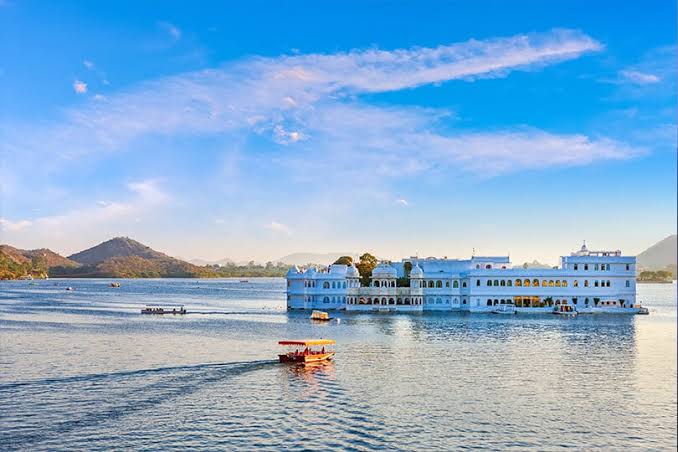
Udaipur is one of Rajasthan's most enchanting destinations, where shimmering lakes meet grand palaces, Aravalli hills and the living heritage of Mewar. Known as the City of Lakes, Udaipur combines royal architecture, colourful markets, traditional crafts, temples and romantic waterfronts in a remarkably compact travel experience.
Founded by Maharana Udai Singh II in 1553 as the new capital of Mewar, the city grew around Lake Pichola and a network of historic water bodies. Today, places such as the City Palace, Lake Pichola, Jag Mandir, Sajjangarh, Jagdish Temple and Saheliyon-ki-Bari make Udaipur one of Rajasthan's most recognizable heritage destinations.
Udaipur at a Glance
| Travel Detail | Information |
|---|---|
| State | Rajasthan |
| Region | Mewar, Southern Rajasthan |
| District Headquarters | Udaipur |
| City Population | Approximately 4.51 lakh (2011 Census) |
| Founded | 1553 |
| Founder | Maharana Udai Singh II |
| Historic Kingdom | Mewar |
| Landscape | Aravalli Hills, lakes and valleys |
| Major Lakes | Lake Pichola, Fateh Sagar, Udai Sagar, Doodh Talai and Jaisamand |
| Famous For | City Palace, Lake Pichola, Lake Palace, Jag Mandir, Mewar heritage and lakes |
| Best For | Heritage, architecture, lakes, photography, culture, food and romantic getaways |
History of Udaipur
Udaipur was founded in 1553 by Maharana Udai Singh II as the new capital of the Mewar Kingdom. The city was established in the fertile Girwa Valley southwest of Nagda, the earlier capital of Mewar.
The creation of Udaipur marked an important chapter in Mewar's long history. Its location among hills and lakes provided natural advantages and allowed the Mewar rulers to develop a new royal centre away from the exposed position of Chittorgarh.
Mewar and the Sisodia Dynasty
Udaipur became the seat of the Sisodia rulers of Mewar. The city's palaces, temples, lakes and monuments still preserve the legacy of this royal house.
Maharana Pratap and Mewar
Maharana Pratap remains one of the most celebrated figures in Mewar history. Although his famous Battle of Haldighati took place outside Udaipur, his legacy is deeply represented in the city's monuments, including the Pratap Memorial at Moti Magri.
Udaipur in the Modern Era
After India's independence, Udaipur became part of the modern state of Rajasthan. Its royal heritage was gradually transformed into museums, heritage hotels, cultural attractions and tourism destinations.
Geography of Udaipur
Udaipur lies in the Girwa Valley of the Aravalli Range in southern Rajasthan. Unlike the stereotypical desert landscape associated with parts of Rajasthan, the Udaipur region is characterized by hills, rocky terrain, vegetation and a remarkable network of lakes.
The city's historic development is closely linked with its water bodies. Lake Pichola, Fateh Sagar, Udai Sagar and Doodh Talai create much of the landscape that gives Udaipur its distinctive identity. Rajasthan Tourism also highlights Jaisamand among the important lakes around the city.
| Geographical Feature | Importance |
|---|---|
| Aravalli Hills | Create the scenic backdrop around the city |
| Lake Pichola | Historic lake surrounded by palaces and ghats |
| Fateh Sagar Lake | Popular lake with islands and waterfront views |
| Udai Sagar Lake | Historic reservoir associated with Maharana Udai Singh |
| Jaisamand Lake | Major historic man-made freshwater lake near Udaipur |
| Girwa Valley | Natural setting in which historic Udaipur developed |
Culture and Traditions of Udaipur
Udaipur's cultural identity is strongly connected with Mewari traditions, Rajput heritage, folk music, dance, crafts, festivals and religious customs.
Mewari Culture
The cultural character of Udaipur reflects centuries of Mewar traditions. Traditional clothing, folk performances, miniature paintings, handicrafts and religious festivals remain important parts of the city's cultural landscape.
Folk Music and Dance
Rajasthani folk music is commonly performed using instruments such as the dholak, sarangi, algoza and kamayacha. Traditional dances and storytelling performances can be experienced at cultural venues and during festivals.
Traditional Crafts
Udaipur is known for miniature paintings, textiles, leather products, pottery, jewellery and traditional handicrafts. Shilpgram provides a dedicated setting for experiencing the rural arts and crafts traditions of western India.
Mewari Language
Mewari is an important regional language variety of Rajasthan, while Hindi is widely used throughout the city. Travelers will also encounter English in hotels, tourist attractions and established restaurants.
Architecture of Udaipur
Udaipur's architecture is dominated by Rajput palace design, traditional havelis, temples, gardens and lakefront structures. White and pale-coloured buildings, ornate balconies, domes, courtyards and decorative stonework are common visual elements.
Rajput Palace Architecture
The City Palace is the finest expression of Udaipur's royal architecture. Its courtyards, balconies, towers, corridors and decorative interiors represent different phases of Mewar's royal building tradition.
Lakefront Architecture
Lake Pichola is surrounded by a remarkable collection of palaces and havelis. The relationship between architecture and water is one of the defining visual characteristics of Udaipur.
Temple Architecture
Jagdish Temple is an important example of Indo-Aryan temple architecture, with carved pillars, sculptural details and a three-storeyed structure. Rajasthan Tourism dates its construction to 1651 during the reign of Maharana Jagat Singh I.
Famous Places to Visit in Udaipur
City Palace
Udaipur City Palace is the city's most iconic architectural landmark. Built and expanded by successive rulers, the enormous complex contains courtyards, pavilions, terraces, balconies and palace buildings overlooking Lake Pichola. The palace museum preserves paintings, royal objects, weapons, costumes and decorative arts.
Lake Pichola
Lake Pichola is at the heart of Udaipur's historic landscape. Jagniwas and Jagmandir islands sit within the lake, while the City Palace rises along its eastern shore. A sunset boat ride offers views of the lake, palaces and surrounding hills.
Lake Palace
Lake Palace, originally known as Jag Niwas, stands on an island in Lake Pichola. Built between 1743 and 1746 as a summer palace, it is now a luxury heritage hotel and one of Udaipur's most recognizable waterfront landmarks.
Jag Mandir
Jag Mandir is another island palace in Lake Pichola. Construction began around 1620 and was completed around 1652. The palace served as a royal summer retreat and is associated with Prince Khurram, later Mughal emperor Shah Jahan, who is said to have received shelter here.
Jagdish Temple
Jagdish Temple is a major Vishnu temple located near the City Palace. Built in 1651, it is admired for its carved pillars, sculptural details and Indo-Aryan architectural style.
Fateh Sagar Lake
Fateh Sagar Lake lies north of Lake Pichola and is surrounded by hills and greenery. The lake includes Nehru Island and an island housing the Udaipur Solar Observatory.
Sajjangarh Monsoon Palace
Sajjangarh, or the Monsoon Palace, stands on the Bansdara hills overlooking Udaipur. Maharana Sajjan Singh built it as a monsoon retreat and originally envisioned it as an astronomical centre. Its elevated location provides sweeping views over the city and surrounding Aravallis.
Saheliyon-ki-Bari
Saheliyon-ki-Bari, or the Garden of the Maidens, was developed during the reign of Maharana Sangram Singh II as a garden for women. Marble elephants, fountains, kiosks and a lotus pool add to its appeal.
Bagore Ki Haveli
Bagore Ki Haveli stands beside Lake Pichola at Gangaur Ghat. Built in the 18th century by Amar Chand Badwa, the haveli contains numerous rooms displaying costumes, decorative objects and artworks. Its evening cultural performances provide an introduction to Rajasthan's folk traditions.
Gangaur Ghat
Gangaur Ghat sits on Lake Pichola near Bagore Ki Haveli. It is particularly important during Gangaur and Jal-Jhulni Ekadashi and is also a popular location for sunrise and sunset photography.
Shilpgram
Shilpgram is a rural arts and crafts complex located around 7 km west of Udaipur near Fateh Sagar. Spread over about 70 acres, it showcases traditional lifestyles, arts and crafts from western India.
Moti Magri
Moti Magri houses the Pratap Memorial, including a prominent bronze statue of Maharana Pratap mounted on his horse Chetak. The hill overlooks Fateh Sagar Lake.
Ahar Archaeological Museum
Ahar Museum is located near an important cluster of Mewar cenotaphs. Its collection includes pottery, sculptures and archaeological discoveries, including finds dating back to around 1700 BCE.
Gulab Bagh
Gulab Bagh is one of Udaipur's historic gardens. The garden is associated with Navalakha Mahal and the city's literary and cultural heritage. Maharishi Dayanand stayed at Navalakha Mahal in 1882 and completed his work Satyarth Prakash there.
Doodh Talai
Doodh Talai is a small lake surrounded by hillocks and gardens. The surrounding parks offer elevated viewpoints toward Lake Pichola and the City Palace.
Famous Dishes to Try in Udaipur
Dal Baati Churma
Dal Baati Churma is one of Rajasthan's signature meals. It combines lentils, baked wheat baati and sweet churma, commonly served with ghee and spicy garlic chutney.
Gatte Ki Sabzi
Gatte Ki Sabzi uses gram-flour dumplings cooked in a spiced yoghurt-based gravy. It is a classic Rajasthani preparation and an easy dish to find in Udaipur.
Gatte Ki Khichdi
Gatte Ki Khichdi combines rice with spiced gram-flour dumplings and is a traditional Rajasthani rice dish.
Laal Maas
Laal Maas is a spicy meat curry traditionally associated with Rajasthani cuisine. Its strong chilli-and-spice profile makes it popular with travelers looking to try regional non-vegetarian food.
Ker Sangri
Ker Sangri combines desert berries and beans with spices. It is a distinctive regional preparation that reflects Rajasthan's traditional adaptation to an arid environment.
Mirchi Vada
Mirchi Vada is a popular Rajasthani snack made by stuffing and batter-frying large green chillies. It is commonly enjoyed with chutney.
Ghevar
Ghevar is a traditional Rajasthani sweet with a distinctive honeycomb-like texture. It is particularly associated with festive occasions.
Famous Personalities Associated with Udaipur and Mewar
Maharana Udai Singh II
Maharana Udai Singh II founded Udaipur in 1553 and established it as the new capital of Mewar. The city bears his name and his decision shaped the future development of Udaipur.
Maharana Pratap
Maharana Pratap is one of the most prominent historical figures associated with Mewar. His resistance against Mughal forces and his connection with the Battle of Haldighati have made him an enduring figure in Rajasthan's historical memory.
Maharana Sajjan Singh
Maharana Sajjan Singh was the Mewar ruler associated with the construction of Sajjangarh, now popularly called the Monsoon Palace. The palace remains one of Udaipur's most recognizable hilltop landmarks.
Maharana Jagat Singh I
Maharana Jagat Singh I is associated with the construction of Jagdish Temple in 1651. The temple remains one of Udaipur's most important religious and architectural landmarks.
Festivals of Udaipur
Mewar Festival
Mewar Festival is one of Udaipur's signature cultural celebrations and is held around the time of Gangaur to welcome spring. Processions featuring Isar and Gangaur idols, folk music, cultural performances and celebrations around Lake Pichola form important parts of the festival.
Gangaur
Gangaur is an important Rajasthani festival dedicated to Gauri/Parvati and is particularly significant for women. In Udaipur, its celebrations are closely connected with the Mewar Festival and lakefront processions.
Shilpgram Festival
The Shilpgram Festival celebrates traditional arts, crafts, music and cultural traditions. Rajasthan Tourism describes the annual event as a ten-day festival held from around 21 to 30 December. Dates can vary, so travelers should verify the year's official schedule before planning.
Holi
Holi brings colour, music and community celebrations to Udaipur. The festival is particularly lively around the city's historic neighbourhoods and markets.
Diwali
Diwali transforms Udaipur's palaces, markets, homes and lakeside areas with lamps and decorations, creating a striking evening atmosphere.
Jal-Jhulni Ekadashi
Jal-Jhulni Ekadashi is another important religious occasion associated with Gangaur Ghat and the waterfront cultural landscape of Udaipur.
Things to Do in Udaipur
- Take a sunset boat ride on Lake Pichola.
- Explore City Palace and its museum collections.
- Visit Jagdish Temple for architecture and religious heritage.
- Explore Jag Mandir on Lake Pichola.
- Watch the sunset from Sajjangarh Monsoon Palace.
- Walk around Gangaur Ghat for lake views and photography.
- Watch a folk performance at Bagore Ki Haveli.
- Explore traditional crafts at Shilpgram.
- Shop for handicrafts around Hathi Pol and local markets.
- Visit Saheliyon-ki-Bari for gardens and historic architecture.
- Explore Moti Magri and the Maharana Pratap Memorial.
- Enjoy traditional Mewari and Rajasthani food.
- Take a day trip to Kumbhalgarh or Chittorgarh.
Where to Eat, Shop, and Stay in Udaipur
Where to Eat
Udaipur has everything from traditional Rajasthani restaurants and rooftop dining spaces to cafés and international cuisine. For a local food experience, try restaurants serving dal baati churma, gatte ki sabzi, ker sangri, laal maas and traditional sweets.
Where to Shop
Hathi Pol is one of the city's best-known shopping areas for handicrafts, clothing, shoes and traditional Rajasthani products. Jagdish Chowk, Ghanta Ghar, Bapu Bazaar and Shilpgram offer additional shopping opportunities.
Where to Stay
Udaipur offers a wide range of accommodation, from budget hotels and guesthouses to heritage havelis, boutique hotels and luxury palace properties.
| Stay Type | Best For |
|---|---|
| Budget Hotels | Backpackers and short city stays |
| Mid-range Hotels | Families, couples and leisure travelers |
| Heritage Havelis | Travelers seeking traditional architecture |
| Luxury Palace Hotels | Premium and royal-style experiences |
| Lakefront Hotels | Travelers prioritizing views and atmosphere |
What is Udaipur Famous For?
Udaipur is especially famous for:
- City of Lakes identity
- City Palace
- Lake Pichola
- Lake Palace and Jag Mandir
- Mewar royal heritage
- Sajjangarh Monsoon Palace
- Jagdish Temple
- Maharana Pratap and Mewar history
- Rajasthani and Mewari cuisine
- Miniature paintings and handicrafts
- Shilpgram
- Mewar Festival and Gangaur
Best Time to Visit Udaipur
The most comfortable period for exploring Udaipur is generally October to March. Winter provides pleasant conditions for walking through the old city, visiting monuments, enjoying boat rides and exploring nearby destinations.
March–April is particularly interesting for travelers who want to experience Gangaur and the Mewar Festival, while the monsoon season can give the surrounding hills and lakes a greener appearance.
| Season | Travel Experience |
|---|---|
| October–November | Comfortable weather and good sightseeing conditions |
| December–February | Cool weather and excellent heritage-tourism season |
| March–April | Festivals including Gangaur and Mewar Festival |
| May–June | Hot afternoons; plan outdoor sightseeing around mornings and evenings |
| July–September | Monsoon greenery, fuller lakes and dramatic landscapes |
How to Reach Udaipur
By Air
Maharana Pratap Airport, also known as Udaipur Airport, provides air connectivity for the city. Domestic flights connect Udaipur with major Indian cities, with routes varying by season and airline schedules.
By Train
Udaipur City Railway Station is the principal railway station serving the city. Rail services connect Udaipur with major destinations in Rajasthan and other parts of India.
By Road
Udaipur is well connected by national and state highways. Regular buses, private coaches, taxis and self-drive options make road travel practical from cities such as Ahmedabad, Jaipur, Jodhpur, Kota and Chittorgarh.
| Transport | Best For |
|---|---|
| Flight | Fastest option from distant Indian cities |
| Train | Comfortable long-distance travel |
| Bus | Budget-friendly regional travel |
| Car/Taxi | Flexible Rajasthan road trips |
Nearby Places to Visit from Udaipur
Kumbhalgarh
Kumbhalgarh Fort lies in the Aravalli hills north of Udaipur. It is one of the six forts included in UNESCO's Hill Forts of Rajasthan World Heritage property.
Chittorgarh
Chittorgarh Fort is another UNESCO-listed component of the Hill Forts of Rajasthan. The massive fort is closely connected with the history of Mewar and its earlier capital.
Haldighati
Haldighati is a historic mountain pass associated with the 1576 Battle of Haldighati between Maharana Pratap and Mughal forces. Rajasthan Tourism places it around 40 km from Udaipur.
Nathdwara
Nathdwara is a major pilgrimage destination famous for the Shrinathji Temple and its devotional art traditions.
Eklingji
Eklingji is an important Shiva temple complex north of Udaipur and has a strong connection with the religious traditions of Mewar.
Ranakpur
Ranakpur is renowned for its intricately carved Jain temples and can be combined with Udaipur on a longer Rajasthan road trip.
Jaisamand Lake
Jaisamand Lake is a major historic freshwater reservoir near Udaipur and a popular destination for a scenic day excursion. Rajasthan Tourism identifies it as the second-largest artificial freshwater lake in Asia.
Best Duration for a Udaipur Trip
3 days and 2 nights is a comfortable starting point for experiencing Udaipur's major landmarks without rushing.
| Duration | Suggested Plan |
|---|---|
| 1 Day | City Palace + Jagdish Temple + Lake Pichola + sunset |
| 2 Days | City Palace + Lake Pichola + Jag Mandir + Sajjangarh + local markets |
| 3 Days | Major Udaipur attractions + Shilpgram + Moti Magri + cultural experiences |
| 4–5 Days | Udaipur + Kumbhalgarh/Chittorgarh/Haldighati/Nathdwara excursions |
Travel Tips for Udaipur
- Start heritage sightseeing early: Morning is more comfortable for walking around the old city.
- Reserve time for Lake Pichola: A sunset boat ride is one of the city's signature experiences.
- Wear comfortable footwear: Palace complexes, markets and old-city streets involve considerable walking.
- Carry sun protection: Rajasthan's sunlight can be strong outside winter.
- Dress respectfully at temples: Keep shoulders and knees appropriately covered when required.
- Compare prices when shopping: Especially for handicrafts, textiles, jewellery and souvenirs.
- Book popular heritage accommodation early: Peak winter and festival periods can be busy.
- Plan sunset viewpoints in advance: Sajjangarh and lakefront areas can become crowded around sunset.
- Keep extra time for photography: Udaipur's lakes, palaces and Aravalli landscapes offer excellent photo opportunities.
- For day trips, start early: This is especially useful when combining Udaipur with Kumbhalgarh, Chittorgarh or Haldighati.
Why Visit Udaipur?
Udaipur stands apart because its heritage is closely integrated with lakes, hills and everyday city life. Instead of experiencing palaces as isolated monuments, visitors can see them reflected across the water, explore old neighbourhoods around them and experience traditional culture in markets and performance spaces.
Top Reasons to Visit
- Explore the magnificent City Palace.
- Experience a sunset over Lake Pichola.
- Discover centuries of Mewar history.
- Visit Jag Mandir and Lake Palace.
- Explore traditional Rajasthani culture at Shilpgram.
- Watch folk performances at Bagore Ki Haveli.
- Enjoy authentic Mewari and Rajasthani cuisine.
- Shop for local handicrafts and traditional products.
- Use Udaipur as a base for Kumbhalgarh, Chittorgarh, Haldighati and Nathdwara.
Conclusion
Udaipur brings together the romance of lakes, the grandeur of Rajput architecture and the enduring cultural identity of Mewar. From the enormous City Palace and serene waters of Lake Pichola to the hilltop Monsoon Palace, historic temples, colourful markets and traditional festivals, the city offers layers of experiences for every traveler.
Whether you are planning a heritage holiday, romantic getaway, family trip, photography tour or Rajasthan road trip, Udaipur provides a memorable introduction to the royal and cultural landscape of southern Rajasthan.
"Travel is the only thing you buy that makes you richer."