Sikar – Where Shekhawati Heritage Comes Alive
Sikar is a historic city in Rajasthan and an important part of the famous Shekhawati region. Known for its grand havelis, colourful frescoes, old temples, fortified gates and traditional markets, Sikar offers a fascinating combination of history, art and everyday Rajasthani life.
The city is also an excellent base for exploring nearby attractions such as Khatu Shyam Ji Temple, Jeen Mata Temple, Harshnath Temple, Fatehpur, Nawalgarh and Laxmangarh. Whether you enjoy heritage walks, temple visits, architecture, photography or traditional food, Sikar provides a memorable Rajasthan experience.
Quick Facts About Sikar
| Category | Details |
|---|---|
| State | Rajasthan |
| Region | Shekhawati |
| Known For | Havelis, frescoes, temples and heritage |
| Historic Identity | Former major Thikana of Jaipur State |
| Major Attractions | Sikar Fort area, Gopinath Ji Temple, Government Museum, Harshnath Temple and nearby heritage towns |
| Nearby Pilgrimage | Khatu Shyam Ji and Jeen Mata |
| Best Time | October to March |
History of Sikar
Sikar has a long historical association with the Shekhawati region of Rajasthan. The area also contains archaeological evidence connected with ancient settlements, including sites around Ganeshwar and Bageshwar.
The early name of the settlement was Veer Bhan Ka Bas. In 1687, Rao Daulat Singh, associated with Kasli Thikana, laid the foundation of the Sikar Thikana and built a fort. His son Rao Shiv Singh later developed the settlement further, completing important fort and palace structures and contributing to the city's religious and architectural heritage.
Sikar became one of the major Thikanas under Jaipur State. Successive rulers added forts, temples, public buildings and other structures, helping shape the historic city that visitors see today.
The city was also surrounded by fortified walls and several historic gates. Government sources record seven traditional gates associated with the old fortified city: Bawari Gate, Fatehpuri Gate, Nani Gate, Surajpole, Dujod Gate Old, Dujod Gate New and Chandpole.
Geography of Sikar
Sikar lies in the north-eastern part of Rajasthan and forms an important part of the Shekhawati landscape. The wider district is bordered by Jhunjhunu, Churu, Nagaur and Jaipur districts and also reaches the Haryana border.
The eastern part of the district includes sections of the Aravalli ranges, while other areas consist of undulating plains and semi-arid landscapes.
The region has a generally dry climate. The southwest monsoon normally reaches the district around the end of June and continues into September.
| Geographical Feature | Details |
|---|---|
| Region | North-eastern Rajasthan |
| Landscape | Semi-arid plains and Aravalli hills |
| Major Natural Feature | Aravalli range |
| Climate | Generally dry, with monsoon rainfall |
Culture and Traditions of Sikar
Sikar reflects the distinctive culture of Shekhawati. Traditional Rajasthani customs, colourful clothing, folk music, religious traditions and local fairs remain an important part of everyday life.
The region is particularly known for its painted havelis and fresco art. Many historic buildings feature murals depicting religious themes, royal scenes, animals, people, everyday life and historical influences.
Hindi and regional Rajasthani dialects are commonly used in daily communication. Festivals bring together traditional music, devotional activities, colourful processions and community celebrations.
Shekhawati Fresco Tradition
One of Sikar's strongest cultural identities comes from the artistic tradition of Shekhawati havelis. The painted walls and ceilings provide visitors with a visual record of the region's history, lifestyle and changing artistic influences.
Architecture of Sikar
Sikar's architecture combines Rajput, Shekhawati and traditional Rajasthani styles. Historic forts, temples, havelis, gates and public buildings create a distinctive architectural character.
Sikar Fort and Old Fortified City
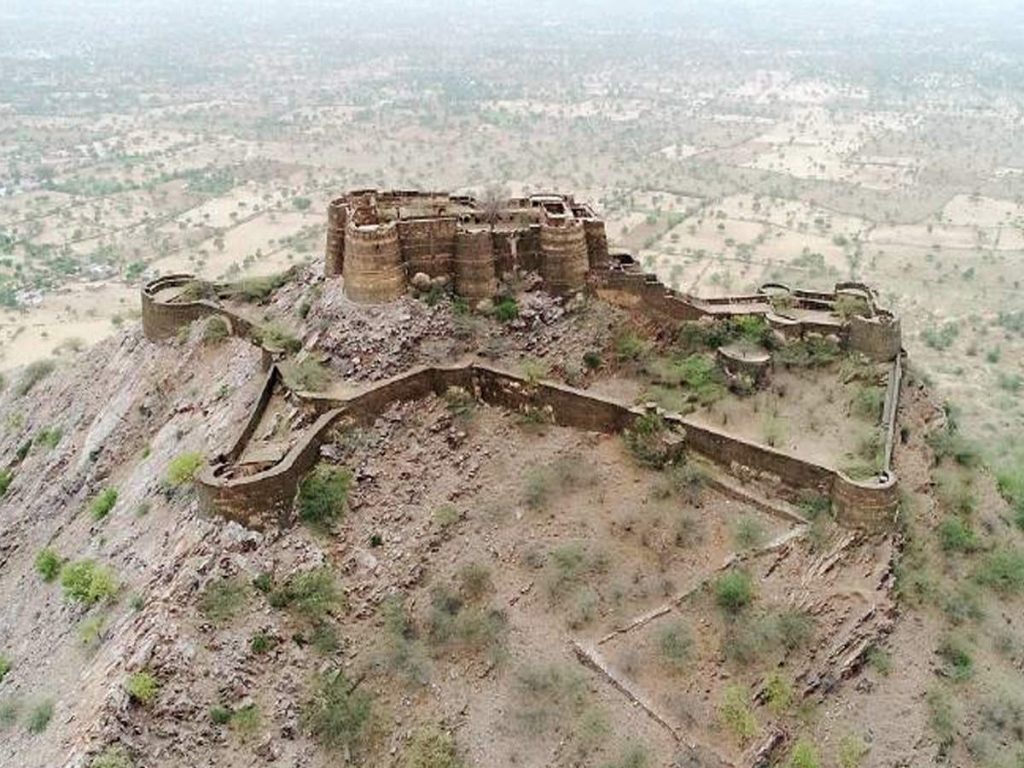
The historic fort and fortified settlement represent the early development of Sikar as a major Thikana. The old city gates provide an important reminder of its defensive past.
Gopinath Ji Temple
The Gopinath Ji Temple is associated with Rao Shiv Singh and forms part of Sikar's historic religious architecture. Its traditional design and fresco work reflect the artistic character of the old city.
Historic Havelis
Sikar and the wider Shekhawati region are known for richly decorated havelis. Their frescoes, courtyards, decorative facades and painted interiors make them particularly interesting for architecture and photography enthusiasts.
Famous Places in Sikar
1. Government Museum, Sikar
The Government Museum in Sikar displays archaeological remains, sculptures associated with Harshnath Temple and artworks connected with the Shekhawati region. It provides useful historical context before exploring the city and surrounding heritage sites.
2. Sikar Fort and Old City
The historic fort area and old city provide a glimpse into Sikar's development as a major Thikana. The old gates and traditional buildings are especially interesting for heritage walks and photography.
3. Gopinath Ji Temple
This historic temple is associated with the rule of Rao Shiv Singh. Its traditional architecture and decorative artwork make it an important heritage stop within the city.
4. Harshnath Temple
Located on the Harshnath Hills near Sikar, the ancient Harshnath Temple is an important religious and archaeological attraction. The site combines hill scenery with historic temple architecture.
5. Jeen Mata Temple
Jeen Mata Temple is an important pilgrimage destination near Sikar. The ancient temple is associated with the goddess Jeen Mata and attracts large numbers of devotees, especially during Navratri fairs.
6. Khatu Shyam Ji Temple
One of Rajasthan's major pilgrimage destinations, Khatu Shyam Ji Temple lies in Sikar district. The white-marble temple attracts devotees throughout the year and becomes especially busy during the annual Phalguna fair.
7. Fatehpur Shekhawati
Fatehpur is one of the important heritage towns of Shekhawati. Established by Kayamkhani Nawab Fateh Mohammad in 1508, it is known for historic buildings, havelis and impressive frescoes.
8. Nawalgarh
Nawalgarh is famous for its beautifully painted havelis and is one of the most interesting places to explore the fresco tradition of Shekhawati. It is particularly suitable for heritage walks and photography.
9. Laxmangarh
Laxmangarh is known for its impressive fort and historic townscape. The fort stands on a hill and provides a different perspective on the architectural heritage of the Shekhawati region.
Famous Dishes of Sikar
Sikar's food reflects the wider culinary traditions of Rajasthan, with dishes designed around locally available ingredients and the region's dry climate.
Dal Baati Churma
Dal Baati Churma is one of Rajasthan's most recognised traditional meals. Baked baati is served with dal and sweet churma, often accompanied by ghee and other traditional accompaniments.
Pyaaz Kachori
Pyaaz Kachori is a popular Rajasthani snack made with a crisp pastry shell and spicy onion filling. It is commonly enjoyed with chutneys or other accompaniments.
Gatte Ki Sabzi
Gatte Ki Sabzi features gram-flour dumplings cooked in a spiced gravy, often prepared with curd. It is a familiar part of traditional Rajasthani meals.
Ker Sangri
Ker Sangri is a traditional Rajasthani preparation made using locally available desert beans and berries. Its distinctive flavour makes it an interesting dish to try while exploring Rajasthan's regional cuisine.
Ghevar
Ghevar is a famous Rajasthani sweet with a characteristic honeycomb-like texture. It is especially associated with festive occasions such as Teej and other celebrations.
Famous Personalities Connected with Sikar
Jamnalal Bajaj
Jamnalal Bajaj, the industrialist and freedom movement supporter, was born in the Sikar region. He later became closely associated with Mahatma Gandhi and played an important role in India's freedom movement.
Swami Keshwanand
Swami Keshwanand was a social reformer and educationist associated with Rajasthan. His work contributed to education and social development in the region.
Bhairon Singh Shekhawat
Bhairon Singh Shekhawat, a prominent Indian political figure and former Vice President of India, was associated with Rajasthan and the wider Shekhawati region.
Festivals of Sikar
Shekhawati Festival
The Shekhawati Festival celebrates the art, heritage and traditions of the Shekhawati region. Events can include heritage walks, cultural performances, traditional competitions, painting, mehendi and other activities.
Khatu Shyam Ji Fair
The annual Khatu Shyam Ji Fair is one of the major religious gatherings in Sikar district. Devotees travel to Khatu in large numbers, particularly around the Phalguna season.
Jeen Mata Navratri Fair
The Jeen Mata fairs are held around Navratri and attract devotees from different parts of Rajasthan and neighbouring regions. The celebrations combine religious rituals with the atmosphere of a traditional local fair.
Gangaur
Gangaur is one of Rajasthan's important traditional festivals. It is associated with the worship of Gauri and Shiva and is celebrated with prayers, traditional dress, songs and community activities.
Teej
Teej is a colourful monsoon festival associated with traditional songs, rituals, decorated swings and festive gatherings. It is an important part of Rajasthan's cultural calendar.
Things to Do in Sikar
- Explore the old city and historic gates.
- Visit the Government Museum.
- Admire traditional Shekhawati frescoes.
- Visit historic temples such as Gopinath Ji.
- Take a heritage-focused day trip to Fatehpur or Nawalgarh.
- Visit Khatu Shyam Ji Temple.
- Visit Jeen Mata Temple.
- Explore the landscape around Harshnath Hills.
- Try traditional Rajasthani food and sweets.
- Shop for local handicrafts, textiles, traditional items and regional sweets.
- Capture the colourful architecture and frescoes through photography.
Where to Eat, Shop, and Stay in Sikar
Where to Eat
The central market areas and busy commercial parts of Sikar are convenient for trying local snacks, sweets and traditional Rajasthani meals.
Visitors should look for kachori, samosa, lassi, dal baati churma, gatte ki sabzi and traditional sweets while exploring the city.
Where to Shop
Sikar's traditional markets are useful for shopping for Rajasthani textiles, traditional clothing, handicrafts, jewellery, decorative items and sweets.
Where to Stay
| Stay Type | Suitable For |
|---|---|
| Budget Hotels | Short stays and economical trips |
| Mid-Range Hotels | Families and comfortable city stays |
| Heritage Properties | Travellers looking for a traditional Rajasthan experience |
For temple visits, staying in or around the relevant pilgrimage town can also be convenient, particularly during major fairs.
What is Sikar Famous For?
Sikar is particularly known for:
- Shekhawati heritage and frescoes
- Historic havelis and old buildings
- Fortified old-city gates
- Gopinath Ji Temple
- Harshnath Temple
- Khatu Shyam Ji Temple
- Jeen Mata Temple
- Traditional Rajasthani cuisine
- Shekhawati Festival
- Nearby heritage towns such as Fatehpur and Nawalgarh
Best Time to Visit Sikar
The most comfortable period for exploring Sikar is generally October to March. The weather is more suitable for heritage walks, sightseeing and temple visits than the hotter months.
| Season | Travel Experience |
|---|---|
| October–November | Comfortable for sightseeing and heritage exploration |
| December–February | Cooler weather; good for outdoor sightseeing |
| March | Warmer but useful for cultural events and festivals |
| April–June | Very hot; outdoor sightseeing can be tiring |
| July–September | Monsoon period with occasional rain and greener surroundings |
How to Reach Sikar
By Air
Sikar does not have regular commercial air service. Jaipur International Airport is the practical major airport for visitors arriving by air, followed by a road or rail journey to Sikar.
By Train
Sikar Junction is an important railway station in the region. The railway network connects Sikar with major destinations including Jaipur and Delhi, making train travel a practical option.
By Road
Sikar is well connected by road with Jaipur, Delhi, Bikaner and other cities of Rajasthan. Bus and taxi services can be used for reaching the city and exploring nearby destinations.
| Mode | Recommended Route/Option |
|---|---|
| Air | Jaipur International Airport + road/train |
| Train | Sikar Junction |
| Road | Bus, taxi or private vehicle |
Nearby Places to Visit from Sikar
Khatu Shyam Ji
A major pilgrimage destination located in Sikar district, famous for its white-marble temple and annual fair.
Jeen Mata
An ancient religious site surrounded by a natural setting and visited especially during Navratri.
Harshnath
An ancient temple site situated in the Harshnath Hills, combining archaeological interest with a hill setting.
Fatehpur Shekhawati
A heritage town known for historic havelis, frescoes and traditional Shekhawati architecture.
Nawalgarh
A major fresco town of Shekhawati with beautifully painted havelis and museums.
Laxmangarh
Known for its impressive fort, elevated setting and historic townscape.
Ramgarh Shekhawati
A heritage town associated with old havelis, temples, cenotaphs and painted architecture.
Best Duration for a Sikar Trip
| Duration | Suggested Plan |
|---|---|
| 1 Day | Sikar old city, museum, temples, local markets and food |
| 2 Days | Sikar heritage + Harshnath or Jeen Mata + nearby sightseeing |
| 3 Days | Sikar + Khatu Shyam Ji + Fatehpur/Nawalgarh heritage circuit |
Recommended: 2 to 3 days are suitable for travellers who want to experience Sikar along with some of the major attractions of the surrounding Shekhawati region.
Travel Tips for Sikar
- Plan outdoor sightseeing during the cooler months whenever possible.
- Carry sunscreen, sunglasses, water and comfortable footwear.
- Keep extra time for visiting temples during major festivals and fairs.
- Dress respectfully when visiting religious places.
- Start heritage walks early in the day during warmer seasons.
- Try local Rajasthani snacks and traditional sweets from established shops.
- Carry some cash for smaller shops, local transport and market purchases.
- Keep a camera ready for the colourful frescoes and historic architecture.
- Confirm temple timings and local arrangements before travelling during major fairs.
- If visiting several Shekhawati towns, plan the route in advance to avoid unnecessary travel.
Why Visit Sikar?
Sikar offers a different side of Rajasthan from the large palace destinations. It brings together the artistic character of Shekhawati, the history of a former princely-era Thikana, traditional temples, colourful frescoes and lively local markets.
It is especially appealing to travellers interested in heritage, architecture, photography, religious tourism, traditional food and Rajasthan's local culture.
The city's location also makes it useful as a base for exploring several important destinations across the Shekhawati region.
Conclusion
Sikar is a fascinating destination for discovering the heritage of Rajasthan beyond its better-known royal cities. From historic forts and gates to painted havelis, ancient temples and vibrant markets, the city offers a rich combination of architecture, culture and tradition.
With attractions such as Harshnath, Jeen Mata and Khatu Shyam Ji nearby, Sikar can also become part of a wider Shekhawati heritage and pilgrimage circuit. A visit here offers an opportunity to experience the art, history, food and everyday character of one of Rajasthan's most distinctive regions.
"Travel is the only thing you buy that makes you richer."