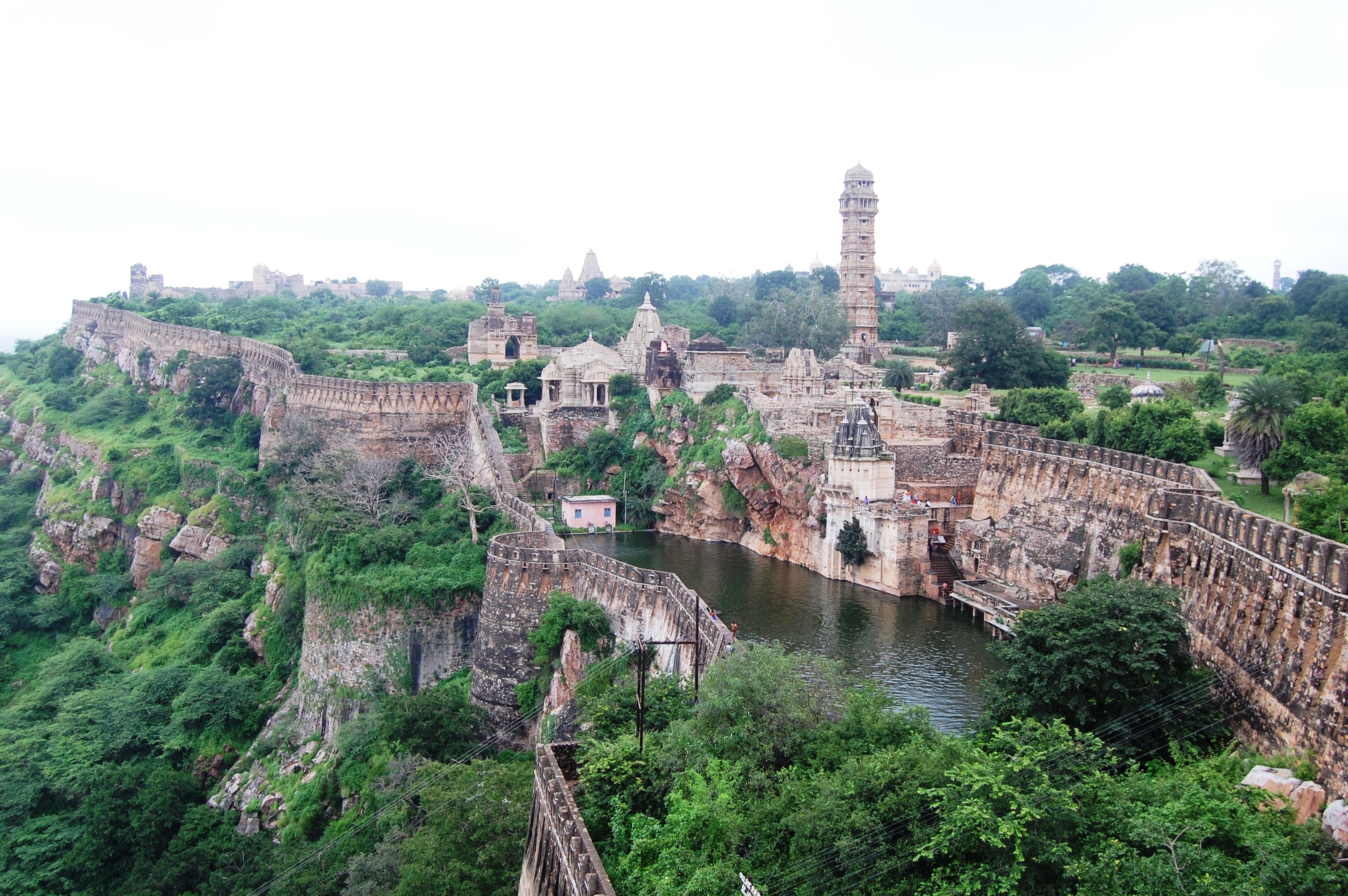
Chittorgarh: Explore Rajasthan’s Legendary Forts, Rajput Valour and Royal Heritage
Located in southern Rajasthan, Chittorgarh is a historic city celebrated for its magnificent fort, tales of Rajput courage and the rich legacy of the Mewar kingdom. Its identity is closely connected with Chittorgarh Fort, a vast hilltop complex filled with palaces, temples, memorials, reservoirs and towering monuments that reflect centuries of history.
From the impressive Vijay Stambh and Kirti Stambh to Rana Kumbha Palace, Rani Padmini’s Palace and the temples associated with Meera Bai, Chittorgarh offers an unforgettable journey through Rajasthan's royal and spiritual heritage. The city also invites visitors to discover traditional Rajasthani cuisine, colourful festivals, local markets and nearby natural attractions.
1. History of Chittorgarh
Chittorgarh has played a significant role in the history of Rajasthan. It was one of the most important strongholds of the Mewar kingdom and became a lasting symbol of Rajput resistance, sacrifice and cultural identity.
Ancient Origins
The origins of Chittorgarh Fort are associated with the early medieval period. Historical accounts commonly connect its development with the Mori or Maurya rulers, while local legends link its foundation to Bhima of the Mahabharata. These traditions reflect the many stories surrounding the fort's beginnings.
The Mewar Kingdom
Chittorgarh became a major centre of Mewar, a historic Rajput kingdom in southern Rajasthan. Its rulers strengthened the fort, developed temples and palaces, and established a legacy that continues to shape the region's cultural identity.
The Three Famous Sieges
The fort is remembered for three major attacks. Alauddin Khalji besieged Chittorgarh in 1303, the Gujarat Sultan Bahadur Shah attacked it in 1535, and Mughal emperor Akbar captured it in 1568. These conflicts profoundly influenced the fort's history and the stories of sacrifice associated with it.
Jauhar and Rajput Traditions
Chittorgarh is closely associated with the historical and traditional accounts of jauhar, in which women are said to have chosen death rather than capture during periods of defeat. The stories of courage and sacrifice connected with the sieges remain central to local historical memory. Individual legends, including those surrounding Rani Padmini, should be understood in the context of historical debate and literary tradition.
Chittorgarh in Modern Rajasthan
Although the political centre of Mewar later shifted to Udaipur, Chittorgarh retained its historical importance. Today, its fort and associated monuments attract visitors from India and abroad, offering insight into the military, religious and artistic heritage of Rajasthan.
2. Geography of Chittorgarh
Chittorgarh is situated in southern Rajasthan, within a landscape of rocky hills, plains, rivers and agricultural settlements. The historic fort rises prominently above the surrounding area and remains the city's most recognisable geographical feature.
The Chittorgarh Fort Hill
Chittorgarh Fort occupies a large hill overlooking the surrounding landscape. Its elevated position provided strategic advantages for defence and surveillance, while the extensive complex contains palaces, temples, reservoirs and historic gateways.
Rivers and Water Bodies
The Gambhiri River and other regional waterways form part of the wider landscape. Inside the fort, historic reservoirs and water structures demonstrate how residents and rulers managed water supplies in a dry climate.
Climate and Natural Surroundings
Chittorgarh experiences hot summers, a monsoon season and relatively cool winters. The surrounding landscape includes rocky terrain, cultivated fields and patches of woodland. Outdoor sightseeing is generally more comfortable during the cooler months.
3. Culture and Traditions of Chittorgarh
Chittorgarh reflects the traditions of Mewar and the wider cultural heritage of Rajasthan. Rajput history, devotional music, folk performances, traditional clothing and regional cuisine remain important parts of its identity.
Mewari Heritage
The city is closely connected with Mewari traditions, including folk songs, storytelling, local customs and celebrations. Stories of the rulers and warriors of Mewar continue to influence cultural programmes and heritage tourism.
Rajput Valour and Hospitality
Chittorgarh is widely associated with courage, honour and sacrifice in Rajput historical memory. Visitors may encounter these themes through museum displays, guided tours, monuments and local accounts of the fort's past.
Devotional Traditions
The temples of Chittorgarh reflect Hindu religious traditions, particularly the worship of Lord Shiva, Lord Vishnu and Lord Krishna. The Meera Bai Temple is especially associated with devotional poetry and the life of the celebrated Krishna devotee.
Folk Music and Dance
Traditional Rajasthani folk music and dance forms are part of the wider cultural heritage of the region. Performances featuring local instruments, colourful clothing and stories of heroic figures may be encountered at cultural events and selected tourist venues.
4. Architecture of Chittorgarh
Chittorgarh is renowned for its Rajput military architecture, historic palaces, intricately carved temples and monumental towers. The fort's combination of defensive structures and religious buildings makes it one of Rajasthan's most significant heritage destinations.
Rajput Fort Architecture
The fort's massive walls, seven principal historic gateways, elevated location and defensive layout demonstrate the importance of military planning. The route through the gates leads visitors toward the main monuments and historic quarters.
Vijay Stambh
Vijay Stambh, or the Tower of Victory, was commissioned by Maharana Kumbha in the fifteenth century. Its multiple levels and detailed carvings depicting Hindu deities and figures make it one of the finest architectural landmarks within the fort.
Kirti Stambh
Kirti Stambh, or the Tower of Fame, is associated with Jain religious traditions and dedicated to Adinath, the first Jain Tirthankara. Its sculptural details and vertical design reflect the craftsmanship of the period.
Palace Architecture
Rana Kumbha Palace, Ratan Singh Palace and Rani Padmini's Palace represent different aspects of the fort's royal architectural heritage. Their surviving structures, courtyards and water features provide insight into palace life and historical building practices.
Temple Architecture
The fort contains several important temples featuring carved pillars, sculptural panels and traditional religious layouts. Kumbha Shyam Temple, Meera Bai Temple, Kalika Mata Temple and the Jain temples are among the most notable examples.
5. Famous Places in Chittorgarh
Chittorgarh Fort
Chittorgarh Fort is the city's defining attraction and a UNESCO World Heritage Site as part of the Hill Forts of Rajasthan. Spread across a vast hilltop complex, it contains historic gateways, palaces, temples, memorials and reservoirs. Visitors should allow several hours to explore its major landmarks.
Vijay Stambh
Vijay Stambh is one of Chittorgarh's most recognisable monuments. Commissioned by Maharana Kumbha in the fifteenth century to commemorate a military victory, the tower is decorated with detailed stone carvings. Its architecture makes it a highlight for history and photography enthusiasts.
Kirti Stambh
Kirti Stambh is a historic Jain monument dedicated to Adinath. Its sculpted figures and distinctive tower form make it an important stop for visitors interested in Jain heritage and traditional Indian architecture.
Rana Kumbha Palace
Rana Kumbha Palace is a major historic complex within the fort. Although much of the structure survives as ruins, its remaining walls, courtyards and architectural layout provide a sense of the scale of royal life in medieval Mewar.
Rani Padmini’s Palace
Rani Padmini's Palace is associated with the legends of Queen Padmini and the siege of 1303. The palace is known for its setting beside water and its place in the popular stories of Chittorgarh. The historical details of the Padmini narrative remain debated, so visitors can appreciate the site as both a monument and a place of cultural memory.
Fateh Prakash Palace Museum
Fateh Prakash Palace has been converted into a museum displaying historical objects, sculptures, weapons, crafts and other items associated with the region. It is a useful stop for visitors who want to learn more about the art and material culture of Mewar. Confirm current opening hours before visiting.
Meera Bai Temple
The Meera Bai Temple is associated with the celebrated poet-saint Meera Bai, who devoted her life to Lord Krishna. The temple offers visitors an opportunity to explore the devotional traditions connected with her life and poetry.
Kumbha Shyam Temple
Kumbha Shyam Temple is an important religious and architectural landmark within the fort. Its traditional design and sculptural details reflect the artistic heritage of the Mewar period.
Kalika Mata Temple
Kalika Mata Temple is one of the fort's prominent religious sites. The structure is believed to have originated as a sun temple before being rededicated to Goddess Kali. It remains an important place of worship and a key stop on the fort circuit.
Gaumukh Reservoir
Gaumukh Reservoir is a sacred water tank supplied by a spring emerging from a rock formation resembling a cow's mouth. It is a peaceful and historically significant site within the fort, offering visitors a closer look at traditional water management.
Ratan Singh Palace
Ratan Singh Palace is a historic royal structure overlooking a lake. Although parts of the palace are in ruins, its location and remaining architectural features make it an interesting stop for those exploring the fort's royal history.
Jaimal and Patta Memorial
This memorial honours Jaimal and Patta, two figures remembered for their resistance during the 1568 siege of Chittorgarh. Their story remains an important part of the fort's legacy of courage and sacrifice.
Bhamashah Ki Haveli
Bhamashah Ki Haveli is associated with Bhamashah, the trusted minister and supporter of Maharana Pratap. He is remembered for providing financial assistance to help sustain the Mewar ruler's resistance. The haveli offers another perspective on the people who supported the kingdom beyond the battlefield.
Baroli Temples
The Baroli temple complex, located near Rawatbhata in the wider region, is known for its historic Hindu temples and carved stonework. The complex is particularly interesting for travellers who appreciate early medieval temple architecture. Check the route and travel time before planning a visit from Chittorgarh city.
6. Famous Dishes of Chittorgarh
Chittorgarh's food reflects the wider culinary traditions of Rajasthan, where hearty meals, gram flour, lentils, millet, dairy products and regional spices are commonly used. Local restaurants serve traditional Rajasthani dishes alongside familiar North Indian meals.
Dal Baati Churma
Dal baati churma is one of Rajasthan's best-known traditional meals. It combines baked wheat baati with lentil dal and sweet churma. The dish is filling and is often served at traditional restaurants and during festive occasions.
Gatte Ki Sabzi
Gatte ki sabzi is prepared using gram-flour dumplings cooked in a spiced yoghurt-based gravy. It is a popular Rajasthani dish that can be enjoyed with roti or rice.
Ker Sangri
Ker sangri is a traditional desert-region preparation made from ker berries and sangri beans. Cooked with spices, it reflects Rajasthan's long-standing culinary adaptation to arid conditions.
Bajra Roti
Bajra roti is a millet-based flatbread commonly associated with Rajasthani cooking. It is often served with vegetables, garlic chutney or other regional accompaniments.
Rajasthani Kachori
Kachori is a popular snack available in many markets and eateries. Different fillings and spice blends are used, making it a convenient choice for breakfast or a quick bite while sightseeing.
Mirchi Vada
Mirchi vada is a spicy snack made by filling large chillies, coating them in gram-flour batter and frying them. It is widely enjoyed across Rajasthan and is often served with chutney.
Ghevar and Malpua
Ghevar and malpua are traditional sweets associated with Rajasthan's festive food culture. They are especially worth looking for during festival periods and at established sweet shops.
Chaas and Lassi
Chaas and lassi are traditional dairy-based drinks that can provide refreshment during warm weather. Visitors should choose freshly prepared drinks from hygienic establishments.
7. Famous Personalities of Chittorgarh
Chittorgarh is connected with rulers, warriors, poets and supporters of the Mewar kingdom whose stories have shaped the region's historical memory.
Maharana Kumbha
Maharana Kumbha was one of the most prominent rulers of Mewar during the fifteenth century. He is associated with major building and cultural projects, including Vijay Stambh, and is remembered for strengthening the kingdom's political and artistic legacy.
Maharana Pratap
Maharana Pratap is celebrated as a major figure in Mewar's history for resisting Mughal expansion. Although his rule was centred on the later history of Mewar rather than the city alone, Chittorgarh's legacy forms an important part of the historical tradition associated with his kingdom.
Rani Padmini
Rani Padmini, also known as Padmavati in later literary traditions, is one of the most famous figures associated with Chittorgarh. Her story is central to popular accounts of the 1303 siege, although historians debate the relationship between later literary narratives and verifiable historical evidence.
Meera Bai
Meera Bai was a celebrated devotional poet and devotee of Lord Krishna. Her songs and poetry remain influential in the Bhakti tradition. Chittorgarh's Meera Bai Temple preserves the local association with her life and spiritual legacy.
Bhamashah
Bhamashah was a minister, warrior and trusted supporter of Maharana Pratap. He is remembered for contributing his wealth to help finance the Mewar ruler's continued resistance, making him an important figure in the history of the kingdom.
Jaimal and Patta
Jaimal Rathore and Patta Sisodia are remembered for their defence of Chittorgarh during Akbar's siege in 1568. Their bravery is commemorated through monuments and stories preserved in the fort's historical tradition.
8. Festivals Celebrated in Chittorgarh
Festivals in Chittorgarh combine religious devotion, Rajput cultural traditions, folk performances and community gatherings. The city's temples and historic setting provide a memorable backdrop for seasonal celebrations.
Jauhar Mela
Jauhar Mela commemorates the stories of sacrifice associated with Chittorgarh's sieges. The event reflects the importance of historical memory and Rajput heritage in the region. Visitors should check current local announcements for dates and programmes.
Maharana Pratap Jayanti
Maharana Pratap Jayanti honours the celebrated Mewar ruler. Cultural programmes, commemorative activities and community gatherings may take place in Rajasthan, including locations associated with Mewar's history.
Gangaur
Gangaur is a major Rajasthani festival associated with Goddess Gauri and traditions of marital happiness and prosperity. Celebrations may include processions, decorated images, folk songs and traditional clothing.
Teej
Teej is celebrated with devotion, music and seasonal festivities. Women may participate in traditional gatherings, wear colourful attire and observe customary rituals associated with the festival.
Navratri and Durga Puja
Navratri is observed with prayers and worship of the Goddess. Temples and community spaces may host special programmes, while local celebrations vary from year to year.
Diwali
Diwali brings lights, decorations, prayers and family gatherings to Chittorgarh. Markets become lively as residents purchase sweets, gifts and festive supplies.
Holi
Holi is celebrated with colours, music and community gatherings. Visitors should respect local customs and seek permission before photographing people during festivities.
9. Things to Do in Chittorgarh
- Explore Chittorgarh Fort: Walk through historic gates, palaces, temples and memorials within the vast fort complex.
- Admire Vijay Stambh: Study the detailed carvings and learn about Maharana Kumbha's legacy.
- Visit Kirti Stambh: Discover the Jain heritage represented by the Tower of Fame.
- Explore Rana Kumbha Palace: Learn about royal architecture and the history of Mewar.
- Visit Meera Bai Temple: Discover the devotional traditions associated with the poet-saint.
- See Gaumukh Reservoir: Explore the sacred spring-fed water tank and the fort's historic water system.
- Visit the Fateh Prakash Palace Museum: Explore collections of historic objects, sculptures and weapons, subject to current opening arrangements.
- Enjoy Rajasthani food: Try dal baati churma, gatte ki sabzi, ker sangri and traditional sweets.
- Explore local markets: Shop for textiles, handicrafts, souvenirs and regional products.
- Take a regional excursion: Consider the Baroli temples or other nearby heritage sites after checking travel time.
- Attend a cultural event: Look for local folk performances and festival programmes when available.
10. Where to Eat, Shop, and Stay in Chittorgarh
Where to Eat
Chittorgarh has local restaurants, sweet shops and eateries serving Rajasthani and North Indian cuisine. Look for traditional dishes such as dal baati churma, gatte ki sabzi, bajra roti and ker sangri. Restaurants around the main city and tourist areas can be convenient, but check menus, opening hours and food hygiene before choosing a place.
Where to Shop
Local markets offer traditional textiles, jewellery, handicrafts, miniature paintings and souvenirs inspired by Rajasthan's heritage. Visitors can look for embroidered fabrics, decorative items and locally made products. Compare quality and prices before purchasing higher-value goods.
Where to Stay
Accommodation options in Chittorgarh include budget hotels, mid-range stays and selected heritage-style properties in the wider region. Staying in the city can make it easier to reach the fort, railway station and restaurants. If your main purpose is exploring the fort, choose accommodation with convenient transport access.
Shopping Near the Fort
Small shops and vendors around tourist areas may sell souvenirs, handicrafts and refreshments. Ask about materials and workmanship when buying handmade items, and keep purchases secure while exploring crowded places.
11. What Is Chittorgarh Famous For?
Chittorgarh is known for its imposing fort, Rajput history, victory towers, historic temples and connection with the Mewar kingdom.
- Chittorgarh Fort: A UNESCO-listed hill fort and one of Rajasthan's most important historic sites.
- Vijay Stambh: The Tower of Victory commissioned by Maharana Kumbha.
- Kirti Stambh: A historic Jain tower dedicated to Adinath.
- Rani Padmini's Palace: A monument associated with the famous Padmini legends.
- Rana Kumbha Palace: A major palace complex within the fort.
- Meera Bai Temple: A religious site associated with the celebrated Krishna devotee.
- Rajput heritage: Stories of courage, resistance and sacrifice associated with the Mewar kingdom.
- Rajasthani cuisine: Traditional dishes such as dal baati churma, gatte ki sabzi and ker sangri.
12. Best Time to Visit Chittorgarh
The best general time to visit Chittorgarh is October to March, when the weather is usually more comfortable for walking through the fort and exploring outdoor attractions.
Winter: October to March
Winter is generally the most comfortable season for heritage sightseeing. Visitors can spend more time exploring the fort, temples and palaces without the intense heat of summer. Mornings and evenings may be cool.
Summer: April to June
Summer can be extremely hot, especially on exposed sections of the fort. Start sightseeing early, carry plenty of drinking water, wear sun protection and take breaks in shaded areas.
Monsoon: July to September
The monsoon can bring rain and change the appearance of the surrounding landscape. Wet stone surfaces may become slippery, so wear suitable footwear and check local weather conditions before exploring the fort.
Best Time for Photography
Early mornings and late afternoons can offer softer light for photographing the fort, towers and surrounding landscape. Follow any restrictions around monuments and religious sites, and avoid entering closed or unsafe structures.
13. How to Reach Chittorgarh
Chittorgarh is connected to several cities in Rajasthan and neighbouring states by rail and road. Its railway station and bus facilities make it accessible for travellers planning a heritage-focused trip.
By Train
Chittorgarh Junction is an important railway station with connections to destinations including Udaipur, Jaipur, Ajmer, Kota and other cities, depending on the current timetable. Check train availability and journey times before booking.
By Road
Chittorgarh is accessible by road from Udaipur, Bhilwara, Kota and other regional centres. Buses, taxis and private vehicles are available depending on the route. Travel time varies with traffic and road conditions.
By Air
Maharana Pratap Airport at Dabok, near Udaipur, is a commonly used airport for visitors travelling to Chittorgarh. From there, travellers can continue by road. Confirm current flight schedules, airport transfers and journey times before finalising your itinerary.
Getting Around the City
Auto-rickshaws, taxis and other local transport options can help visitors reach the fort and attractions around the city. Because the fort complex is extensive, arranging transport between its main landmarks can save time, although walking is useful for exploring individual sections.
14. Nearby Places to Visit
Chittorgarh can be combined with other heritage and nature destinations across southern Rajasthan. Check travel times and road conditions before planning several stops in one day.
Udaipur
Udaipur is famous for its lakes, palaces, historic streets and royal heritage. City Palace, Lake Pichola and the surrounding scenic viewpoints make it a popular extension to a Chittorgarh trip.
Bassi Wildlife Sanctuary
Bassi Wildlife Sanctuary is located in the wider Chittorgarh region and is known for its woodland habitats and wildlife. Visitors interested in nature should check current access arrangements, permits and seasonal conditions before planning a visit.
Baroli Temples
The Baroli temple complex near Rawatbhata is known for its early medieval temple architecture and detailed stone carvings. It is a rewarding excursion for visitors interested in historic temples and regional craftsmanship.
Menal Waterfall and Temples
Menal is known for its waterfall, river gorge and historic temple complex. The scenery is particularly striking during and after the monsoon, although visitors should exercise caution around slippery surfaces and strong water flows.
Bhainsrorgarh
Bhainsrorgarh is known for its historic fort and dramatic setting near the Chambal and Brahmani rivers. It is a possible addition for travellers interested in heritage architecture and river landscapes, subject to transport and access arrangements.
Nagari
Nagari is an archaeological site near Chittorgarh associated with ancient settlements and historical remains. It can be of interest to travellers who want to explore the region's earlier history beyond the famous fort.
Kota
Kota is a major city in Rajasthan known for its riverfront, palaces and regional cultural attractions. It can be included in a longer itinerary through southeastern Rajasthan.
15. Best Duration for a Trip to Chittorgarh
The ideal duration depends on how deeply you want to explore the fort and whether you plan to visit nearby attractions.
- One day: Explore the major landmarks inside Chittorgarh Fort, including Vijay Stambh, Kirti Stambh, Rana Kumbha Palace and selected temples.
- Two days: Spend more time inside the fort, visit the museum and explore local markets and restaurants.
- Three days: Add an excursion to Nagari, Bassi Wildlife Sanctuary or the Baroli temples, depending on your interests and travel arrangements.
- Four to five days: Combine Chittorgarh with Udaipur or other destinations in southern Rajasthan.
For most first-time visitors, two days provide a comfortable balance between exploring the fort and experiencing the city's food and local culture.
16. Travel Tips for Visiting Chittorgarh
- Start early: The fort is extensive, and morning visits are generally more comfortable during warmer months.
- Wear comfortable shoes: Exploring the complex involves walking on uneven stone surfaces and uphill routes.
- Carry water and sun protection: Many sections of the fort are exposed to direct sunlight.
- Allow enough time: Avoid trying to cover every monument in a short visit.
- Check monument access: Opening hours, entry rules and access to individual structures may change.
- Respect religious sites: Follow local customs and any photography restrictions inside temples.
- Use a knowledgeable guide: A reliable guide can help explain the fort's architecture, history and local legends.
- Be careful on stone steps: Surfaces can be slippery during the monsoon and after rain.
- Shop thoughtfully: Compare prices and ask about the origin of handicrafts before buying higher-value items.
- Plan transport: Arrange how you will reach the fort and return to your accommodation, especially if travelling late in the day.
17. Why Visit Chittorgarh?
Chittorgarh is an essential destination for travellers interested in Rajasthan's history, architecture and cultural traditions. Its immense fort complex brings together defensive gateways, royal palaces, Jain and Hindu temples, memorials and water structures in one remarkable landscape.
The city also offers more than monuments. Stories associated with Maharana Kumbha, Meera Bai, Bhamashah, Jaimal and Patta connect visitors with the political, artistic and devotional history of Mewar. Local markets and traditional Rajasthani food add another dimension to the experience, while nearby destinations provide opportunities for nature excursions and wider heritage exploration.
18. Conclusion
Chittorgarh is one of Rajasthan's most compelling heritage destinations, celebrated for its grand fort, historic towers, royal palaces and stories of Rajput courage. From Vijay Stambh and Kirti Stambh to Rana Kumbha Palace, Rani Padmini's Palace and Meera Bai Temple, the city offers a rich journey through history, architecture and spirituality.
Plan your visit during the cooler months, allow sufficient time to explore the fort and check current access arrangements before travelling. Whether you are passionate about history, fascinated by traditional architecture or eager to experience Rajasthan's culture and cuisine, Chittorgarh offers a memorable introduction to the legacy of Mewar.
"Travel is the only thing you buy that makes you richer."