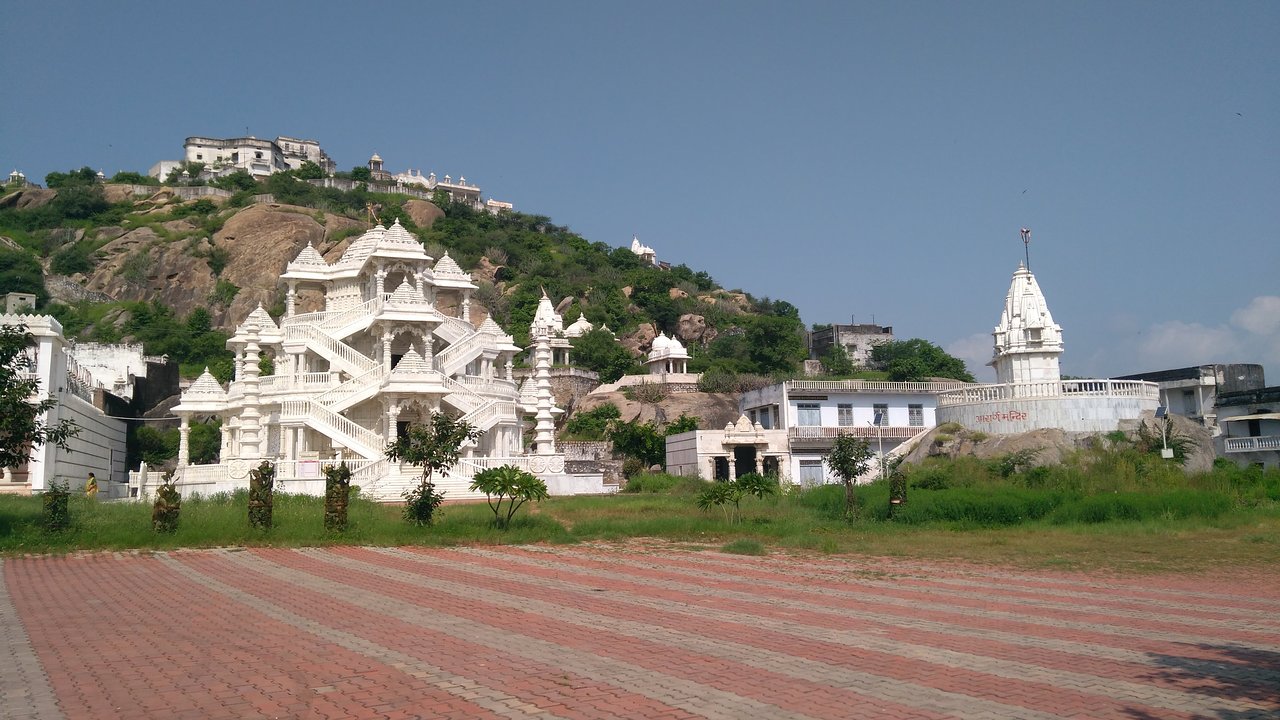
Sirohi, Rajasthan: Where Aravalli Landscapes Meet Rajput Heritage
Sirohi is a historic city in south-western Rajasthan, set against the rugged landscape of the Aravalli Range. As the headquarters of Sirohi district, the city carries a distinctive heritage shaped by the Deora Chauhan dynasty, ancient temples, hill settlements and centuries-old religious traditions.
The wider Sirohi region is also home to Mount Abu, Rajasthan's only hill station, along with the celebrated Dilwara Jain Temples, Guru Shikhar, Achalgarh and Mount Abu Wildlife Sanctuary. This combination of history, spirituality and mountain scenery makes Sirohi an interesting base for exploring south-western Rajasthan.
Travel Snapshot
| Detail | Information |
|---|---|
| State | Rajasthan |
| Region | South-Western Rajasthan |
| District | Sirohi |
| District Headquarters | Sirohi City |
| City Population | 39,229 (2011 Census) |
| District Population | 1,036,346 (2011 Census) |
| Historic Dynasty | Deora Chauhans |
| Historic Setting | Siranwa Hills and Aravalli Range |
| Major Nearby Destination | Mount Abu |
| Famous For | Rajput heritage, temples, Aravalli landscapes and Mount Abu region |
| Best For | History, temples, nature, pilgrimage and heritage travel |
City Banner Title
Sirohi – Where Aravalli Hills Meet Rajput Heritage
City Banner Description
Discover Sirohi, Rajasthan, a historic city nestled around the Aravalli landscape, known for Deora Chauhan heritage, ancient temples, scenic hills, traditional culture and its gateway to the famous Mount Abu region.
A City Shaped by Hills, Heritage and the Deora Chauhans
Sirohi has a long history associated with the Deora Chauhan rulers. According to Rajasthan government historical material, Rao Sobha Ji founded the settlement of Shivpuri in 1405 on the eastern slope of Siranwa Hill.
His son Sehastramal later founded the present city of Sirohi on the western slope and laid the foundation of the Sirohi fort in 1425 AD. The city subsequently became the capital of the Deora rulers.
The region later became part of the political transition that followed Indian Independence. Sirohi State ultimately became part of Rajasthan in the post-Independence reorganisation period.
Geography of Sirohi
Sirohi lies in south-western Rajasthan, close to the Gujarat border. The district is surrounded by Pali to the north-east, Udaipur to the east, Gujarat's Banaskantha district to the south and Jalore to the west and north-west.
The city itself is situated on the western slope of the Siranwa Hills, while the wider district contains some of the most important mountain landscapes of the Aravalli Range.
- Location: South-western Rajasthan
- City Latitude: Approximately 24°53'N
- City Longitude: Approximately 72°53'E
- Landscape: Hills, plains, forests and valleys
- Major Mountain Region: Aravalli Range
- Nearest Major Hill Destination: Mount Abu
Culture and Traditions
Sirohi's culture combines Rajput traditions, Rajasthani customs and strong Hindu and Jain religious influences. The district has long been an important pilgrimage and temple region.
Traditional fairs, temple celebrations, local crafts, folk music and village customs remain an important part of the cultural identity of the region.
- Rajput heritage and traditions
- Hindu and Jain pilgrimage culture
- Traditional Rajasthani festivals
- Temple fairs and religious gatherings
- Local handicrafts and traditional products
- Folk music and community celebrations
Architecture of Sirohi
Sirohi's architectural heritage reflects its history as a Rajput-ruled region. Fort remains, historic temples, stone structures and traditional buildings can be found across the district.
The wider region is particularly famous for the extraordinary marble craftsmanship of the Dilwara Jain Temples at Mount Abu. Built between the 11th and 13th centuries, the five-temple complex is celebrated for its intricate marble carvings and detailed interiors.
Temple architecture across the Sirohi region demonstrates the importance of religious patronage and skilled stone craftsmanship in the Aravalli area.
Famous Places to Visit in Sirohi
Siranwa Hills
The Siranwa Hills are closely connected with the history of Sirohi city. The historic settlement developed around these hills, giving the city its distinctive geographical character.
Mount Abu
Mount Abu is Rajasthan's only hill station and one of the most important destinations in Sirohi district. Situated at around 1,722 metres above sea level, it combines forests, lakes, viewpoints, temples and mountain scenery.
Dilwara Jain Temples
The Dilwara Jain Temples are among the most celebrated architectural attractions in the region. The five marble temples were built between the 11th and 13th centuries and are renowned for their extraordinarily detailed carvings, ceilings, pillars and ornamental interiors.
Guru Shikhar
Guru Shikhar rises to approximately 1,722 metres and is the highest point of the Aravalli Range. A temple dedicated to Guru Dattatreya stands at the summit, which also provides panoramic mountain views.
Achalgarh Fort
Achalgarh Fort is a historic hill fort near Mount Abu. Originally associated with the Paramara rulers, it was later renovated and renamed by Maharana Kumbha in 1452 CE.
Achaleshwar Mahadev Temple
Located close to Achalgarh Fort, Achaleshwar Mahadev Temple is an important Shiva shrine. Local traditions associate the temple with a naturally occurring Shiva symbol and the footprint of Lord Shiva.
Nakki Lake
Nakki Lake is one of Mount Abu's most popular attractions. Surrounded by hills, the lake is associated with local legends and offers boating and scenic views.
Mount Abu Wildlife Sanctuary
The Mount Abu Wildlife Sanctuary covers approximately 288 square kilometres and protects forest habitats in the Aravalli hills. The sanctuary supports a variety of wildlife and bird species.
Peace Park
Peace Park lies between Guru Shikhar and Achalgarh and provides a peaceful environment with gardens, plants, meditation spaces and scenic surroundings.
Famous Food of Sirohi
Sirohi's food culture reflects the broader culinary traditions of Rajasthan, with hearty vegetarian dishes, millet-based preparations, dairy products and traditional spices forming an important part of local cuisine.
Dal Baati Churma
The iconic Rajasthani combination of dal, baati and churma remains one of the region's most recognizable traditional meals.
Gatte Ki Sabzi
Gram-flour dumplings cooked in a spiced gravy are a familiar part of traditional Rajasthani cuisine and are widely enjoyed across the region.
Ker Sangri
Ker Sangri combines locally available desert berries and dried beans with spices to create one of Rajasthan's distinctive traditional preparations.
Bajra Roti
Bajra roti is a traditional millet bread that pairs well with vegetables, dal and other Rajasthani preparations.
Traditional Sweets
Local sweet shops offer familiar Rajasthani favourites such as malpua, ghewar and rabri, particularly around festivals and celebrations.
Famous Personalities and Historical Figures
Rao Sobha Ji
Rao Sobha Ji is an important historical figure in Sirohi's foundation story. He established Shivpuri in 1405 on the eastern slope of Siranwa Hill.
Sehastramal
Sehastramal, the son of Rao Sobha Ji, is associated with the foundation of the present city of Sirohi. He established the settlement on the western slope of Siranwa Hills and made it the capital of the Deora rulers.
Maharana Kumbha
Maharana Kumbha is connected with the wider heritage of the Mount Abu region through the renovation and renaming of Achalgarh Fort in 1452 CE.
Festivals and Local Celebrations
Mount Abu Summer Festival
The Mount Abu Summer Festival celebrates Rajasthani culture through folk performances, music, dance and community events. Activities have included Gair, Ghoomar, Daph, Qawwali, sporting events and boat races on Nakki Lake.
Guru Purnima
Guru Purnima is observed at temples and religious centres across the region, attracting devotees for prayers and traditional celebrations.
Mahashivratri
Shiva temples across Sirohi district and Mount Abu observe Mahashivratri with prayers, rituals and gatherings of devotees.
Jain Religious Festivals
The strong Jain heritage of Mount Abu and the Dilwara temples makes Jain religious festivals an important part of the wider cultural calendar.
Things to Do in Sirohi
- Explore the historic character of Sirohi city.
- Learn about the Deora Chauhan heritage of the region.
- Visit Mount Abu and its scenic viewpoints.
- Admire the intricate marble craftsmanship of the Dilwara Jain Temples.
- Climb or visit Guru Shikhar.
- Explore the historic Achalgarh Fort.
- Visit Achaleshwar Mahadev Temple.
- Enjoy boating and lakeside views at Nakki Lake.
- Explore the forests and wildlife of Mount Abu Wildlife Sanctuary.
- Visit Peace Park for a quiet nature experience.
- Try traditional Rajasthani food.
- Plan your trip around a local or Mount Abu cultural festival.
Where to Eat, Shop and Stay
Where to Eat
Sirohi and Mount Abu offer a mix of traditional Rajasthani food, North Indian meals, snacks and modern dining options. Local eateries are a good place to try dal baati churma, gatte, bajra roti and regional sweets.
Where to Shop
Visitors can explore local markets for Rajasthani handicrafts, textiles, traditional items, religious souvenirs and locally made products. Mount Abu also has several tourist-oriented markets around its central areas.
Where to Stay
Sirohi provides practical accommodation for travellers exploring the district, while Mount Abu offers a much wider selection of hotels, resorts, guesthouses and heritage-style stays.
What is Sirohi Famous For?
- Deora Chauhan heritage
- Siranwa Hills
- Mount Abu
- Dilwara Jain Temples
- Guru Shikhar
- Achalgarh Fort
- Achaleshwar Mahadev Temple
- Nakki Lake
- Mount Abu Wildlife Sanctuary
- Historic temples and pilgrimage traditions
- Aravalli landscapes and hill scenery
Best Time to Visit Sirohi
The most comfortable period for exploring Sirohi and the surrounding heritage and hill destinations is generally October to March. Mount Abu remains comparatively pleasant and can also be visited during warmer months because of its elevation.
| Season | Travel Experience |
|---|---|
| October–November | Comfortable weather and good conditions for sightseeing |
| December–February | Cool weather, ideal for heritage and outdoor exploration |
| March | Generally pleasant, with temperatures beginning to rise |
| April–June | Hotter in the plains; Mount Abu remains relatively more comfortable |
| July–September | Monsoon can bring greener landscapes and pleasant hill scenery |
How to Reach Sirohi
By Air
The nearest major airport for reaching the Sirohi region is Maharana Pratap Airport, Udaipur. Ahmedabad is another important airport option depending on the travel route.
By Train
Sirohi Road Railway Station is the principal railhead serving the Sirohi area. It is located outside Sirohi town, and travellers can continue by road to reach the city.
By Road
Sirohi is well connected by road with destinations across Rajasthan and neighbouring Gujarat. Road travel is particularly useful for combining Sirohi with Mount Abu, Abu Road, Pindwara and other nearby destinations.
Nearby Places to Explore
| Destination | Why Visit |
|---|---|
| Mount Abu | Rajasthan's only hill station, lakes, temples and mountain scenery |
| Dilwara Jain Temples | Exceptional marble architecture and Jain heritage |
| Achalgarh | Historic fort and Achaleshwar Mahadev Temple |
| Guru Shikhar | Highest peak of the Aravalli Range |
| Abu Road | Important transport and access point for Mount Abu |
| Mount Abu Wildlife Sanctuary | Forest landscapes and wildlife |
Best Duration for Sirohi
A 1-day trip can cover the principal sights around Sirohi city, while 2 to 3 days works better for combining Sirohi with Mount Abu and its major attractions.
| Duration | Suggested Experience |
|---|---|
| 1 Day | Sirohi city, local heritage and nearby temples |
| 2 Days | Sirohi + Mount Abu highlights |
| 3 Days | Sirohi + Mount Abu + Dilwara, Guru Shikhar and Achalgarh |
| 4 Days+ | Relaxed exploration of the Sirohi district and surrounding Aravalli destinations |
Travel Tips for Sirohi
- Carry comfortable footwear for temple and hill exploration.
- Keep sun protection with you when travelling through the plains.
- Carry a light jacket during winter, particularly for Mount Abu.
- Respect dress codes and photography rules at religious sites.
- Start hill and viewpoint visits early for comfortable sightseeing.
- Keep sufficient time for road travel between Sirohi, Abu Road and Mount Abu.
- Check local opening hours before visiting heritage and religious attractions.
- Carry water during outdoor sightseeing and hill walks.
- Combine Sirohi with Mount Abu for a more complete itinerary.
Why Visit Sirohi?
Sirohi offers a different side of Rajasthan where rugged Aravalli landscapes replace the state's familiar desert imagery. The city and its surrounding district bring together Rajput history, ancient temples, Jain heritage, forests and one of India's distinctive hill-station landscapes.
For travellers interested in history, spirituality, architecture, nature and mountain escapes, Sirohi provides a strong starting point for exploring south-western Rajasthan.
- Explore Deora Chauhan history.
- Discover the Aravalli landscape.
- Visit Rajasthan's only hill station, Mount Abu.
- Admire the marble craftsmanship of Dilwara.
- Explore Achalgarh and Guru Shikhar.
- Experience temple and pilgrimage traditions.
- Enjoy nature and wildlife around Mount Abu.
Conclusion
Sirohi is a heritage-rich destination where Rajasthan's Rajput history meets the natural beauty of the Aravalli Range. Its connection with the Deora Chauhans, historic temples and hill landscapes gives the city and district a distinctive identity.
With Mount Abu, Dilwara Jain Temples, Guru Shikhar, Achalgarh and the Mount Abu Wildlife Sanctuary nearby, Sirohi is also a convenient gateway to some of the most memorable cultural and natural attractions of south-western Rajasthan.
For travellers looking beyond Rajasthan's conventional forts and desert destinations, Sirohi offers a rewarding combination of heritage, spirituality, mountains and nature.
"Travel is the only thing you buy that makes you richer."