Pali: Where Jain Heritage, Aravalli Landscapes & Marwari Culture Meet
Pali is a historic city in Rajasthan that brings together trade, temples, wildlife and the distinctive culture of the Marwar region. Once an important centre of merchant activity, Pali today serves as the headquarters of Pali district and provides access to some of southern Rajasthan's most interesting destinations.
The wider Pali region is especially known for the magnificent Ranakpur Jain Temples, the wildlife-rich landscapes around Jawai Dam, ancient Shiva temples, Aravalli scenery and traditional Rajasthani culture. It is a destination where heritage and nature can easily be combined in one trip.
History
Pali has been an important settlement in the Marwar region for centuries. Its location along traditional trade routes helped it develop as a centre for merchants, commerce and local markets.
The city was historically associated with the former Jodhpur State. Its surrounding region contains a mixture of Rajput-era heritage, Jain religious sites, old temples and settlements that reflect the long history of western Rajasthan.
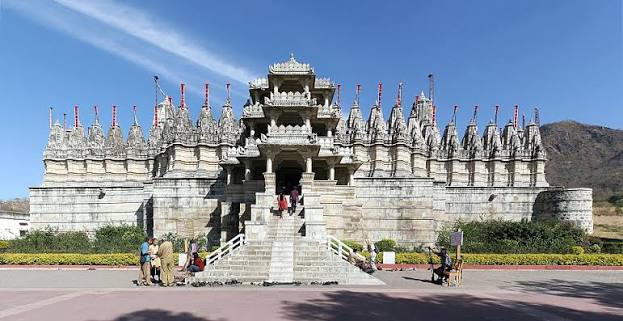
The wider district also contains Ranakpur, whose celebrated Jain temple complex dates to the 15th century and was built with the support of Mewar ruler Rana Kumbha. The temple complex remains one of the most important Jain pilgrimage and architectural sites in Rajasthan.
Pali's Historical Importance
- Important historic trading centre of western Rajasthan
- Strong association with the former Jodhpur State
- Important Jain heritage in the wider region
- Several historic Hindu temples and pilgrimage sites
- Traditional connection with Marwari commerce and culture
Geography
Pali lies in central-western Rajasthan and occupies a landscape where the Aravalli hills meet the drier plains of Marwar. The district shares boundaries with several Rajasthan districts, including Jodhpur, Nagaur, Ajmer, Rajsamand, Udaipur, Sirohi, Jalore and Barmer.
The district covers approximately 12,387 sq km. Its landscape varies from dry plains and agricultural areas to rocky hills, forest patches, reservoirs and the dramatic granite landscape around Jawai.
The Luni River system and its tributaries play an important role in the region's geography. Jawai Dam is one of the major water bodies and has also become an important habitat for birds and wildlife.
Pali Geography in Numbers
| Category | Details |
|---|---|
| District Area | 12,387 sq km |
| District Population | 2,037,573 – Census 2011 |
| Population Density | 164 persons per sq km – Census 2011 |
| Sex Ratio | 987 females per 1,000 males – Census 2011 |
| Urban Population | 460,006 – Census 2011 |
| Rural Population | 1,577,567 – Census 2011 |
| District Literacy | Approximately 62.4% – Census 2011 |
Demographic figures above refer to the district unless specifically stated and are based on Census 2011.
Culture and Traditions
Pali reflects the cultural character of Marwar and Rajasthan, with colourful clothing, traditional jewellery, folk music, religious celebrations and strong merchant traditions.
Marwari is widely associated with everyday cultural life in the region, while Hindi and other Rajasthani speech varieties are also used. Jain traditions have a particularly strong presence around the region's important temple centres.
Traditional fairs and festivals bring together rural communities, pilgrims, traders and visitors. The cultural experience becomes especially interesting around Ranakpur, Jawai and the historic temple towns.
- Strong Marwari cultural influence
- Traditional Rajasthani clothing and jewellery
- Folk music and dance during celebrations
- Jain religious traditions
- Rajput and Marwar heritage
- Traditional fairs and village festivals
Architecture
Pali's architecture ranges from intricately carved Jain temples to traditional Hindu shrines and old regional buildings. The most spectacular example is the Ranakpur Jain Temple complex, famous for its detailed marble carving.
Ranakpur Jain Temple
The 15th-century Ranakpur Jain Temple is built largely in marble and is dedicated to Adinath, the first Jain Tirthankara. The principal Chaumukha Temple is renowned for its intricate carving, numerous pillars and multiple domes.
The Rajasthan Tourism Department describes the complex as containing 1,444 intricately carved pillars, making it one of the great examples of Indian temple architecture.
Sun Temple, Ranakpur
The Surya Narayan Temple at Ranakpur is another important architectural attraction. Its walls feature detailed carvings of horses, warriors and celestial figures in a traditional temple style.
Traditional Temple Architecture
Temples such as Parshuram Mahadev and Nimboka Nath offer a different architectural experience, combining religious importance with dramatic natural surroundings.
Famous Places
Ranakpur Jain Temples
Ranakpur Jain Temples are the signature heritage attraction of Pali. Built in the 15th century in the Aravalli hills, the complex is dedicated principally to Adinath and is celebrated for its extraordinary marble craftsmanship.
Jawai Dam
Jawai Dam was constructed across a tributary of the Luni River during the Jodhpur State period. Today, its reservoir and rocky surroundings are famous for migratory birds, crocodiles and the leopard population of the Jawai landscape.
Jawai Leopard Safari
The Jawai region has become an important wildlife experience in Rajasthan because leopards live among the distinctive granite hills surrounding the reservoir. Jeep safaris with local guides provide opportunities to observe wildlife while exploring the unusual rocky landscape.
Parshuram Mahadev Temple
Parshuram Mahadev Temple is a cave temple dedicated to Lord Shiva. The temple is situated in the Aravalli hills and is reached through a scenic route involving steps through the rocky landscape.
Nimboka Nath Temple
Nimboka Nath Temple is a Shiva temple located along the Falna-Sanderav route. Local traditions connect the site with Kunti and the Pandavas, and the temple also hosts religious fairs.
Sun Temple, Ranakpur
The Sun Temple at Ranakpur is known for its white limestone construction and elaborate carvings. Its east-facing design and detailed sculptural work make it an important architectural stop near the Jain temple complex.
Ranakpur Dam
Ranakpur Dam offers a quieter natural experience close to the famous temple complex. Surrounded by hills and greenery, it is particularly attractive around sunrise and sunset.
Om Banna Dham
Om Banna Dham, popularly known as Bullet Baba Temple, is located on the Pali-Jodhpur highway. The shrine is associated with Om Banna and his Royal Enfield motorcycle following a fatal road accident in 1988. The site has become a distinctive roadside pilgrimage stop.
Samand Lake
Samand Lake is a scenic destination associated with the Sardar Samand Lake Palace area. The surrounding landscape offers opportunities for birdwatching and wildlife viewing.
Famous Dishes
Dal Baati Churma
Dal Baati Churma is one of Rajasthan's best-known traditional meals. Baked baati is served with spiced dal and sweet churma, making it a filling choice for visitors exploring local cuisine.
Ker Sangri
Ker Sangri combines dried desert berries and beans with traditional spices. The dish reflects Rajasthan's ability to create flavourful food from ingredients suited to its dry climate.
Gatte Ki Sabzi
Gatte ki sabzi uses gram-flour dumplings cooked in a spiced yoghurt-based or tomato-based gravy. It is commonly served with roti, bajra roti or rice.
Mirchi Bada
Mirchi Bada is a popular Rajasthani snack made using large chillies filled with spiced potato mixture and coated in gram-flour batter before frying.
Pyaaz Kachori
Pyaaz Kachori is a flaky fried pastry filled with a spicy onion mixture. It is a popular breakfast or snack option across Rajasthan and can be found in Pali's local markets.
Rajasthani Lassi
Traditional lassi is a refreshing accompaniment to spicy Rajasthani meals, particularly during the warmer months.
Famous Personalities
Meerabai
Meerabai, the famous Rajput-era poet and devotee of Lord Krishna, has a strong connection with the Pali region. She was born at Kudki, a village historically associated with the wider Pali area, and is remembered for her devotional poetry.
Maharaja Umaid Singh
Maharaja Umaid Singh of Jodhpur is connected with Pali through the construction of Jawai Dam. The dam was developed during his reign and became an important water resource for the surrounding region.
Traditional Jain and Rajasthani Artisans
Rather than being associated with a single modern personality, Pali's heritage is strongly connected with generations of Jain temple sculptors, craftsmen, traders and artisans who contributed to the region's architectural and commercial identity.
Festivals
Ranakpur Festival
The Ranakpur Festival is organised by Rajasthan Tourism and celebrates the region's culture and heritage. Activities have included cultural performances, yoga, nature walks, temple visits and outdoor activities.
The festival is traditionally associated with 21 and 22 December, although travellers should verify the current year's programme before planning their visit.
Mahashivratri
Mahashivratri is celebrated at Shiva temples throughout the Pali region, including Parshuram Mahadev and Nimboka Nath. Devotees gather for prayers and temple rituals.
Gangaur
Gangaur is one of Rajasthan's important traditional festivals. Women participate in rituals, processions and celebrations dedicated to Gauri, making it an important expression of regional culture.
Teej
Teej brings colourful processions, traditional songs, festive clothing and community celebrations. It is especially associated with women and monsoon-season traditions in Rajasthan.
Jain Festivals
Important Jain festivals and religious occasions are observed at the region's major Jain pilgrimage centres, especially around Ranakpur. These celebrations attract devotees from different parts of India.
Things to Do
- Explore Ranakpur Jain Temple: Spend time observing the marble pillars, domes and detailed carvings.
- Go on a Jawai Leopard Safari: Explore the granite hills and look for leopards and other wildlife with local guides.
- Birdwatch at Jawai Dam: Winter brings migratory birds to the reservoir and surrounding wetlands.
- Visit Parshuram Mahadev: Combine a temple visit with a scenic Aravalli experience.
- Visit Nimboka Nath: Explore one of the region's traditional Shiva pilgrimage sites.
- Explore the Sun Temple: Admire the detailed carvings at Ranakpur's Surya Narayan Temple.
- Visit Ranakpur Dam: Enjoy a peaceful stop surrounded by hills and greenery.
- Experience Om Banna Dham: Visit the distinctive roadside shrine on the Pali-Jodhpur highway.
- Try Rajasthani Food: Taste dal baati churma, ker sangri, gatte ki sabzi and local snacks.
- Enjoy Rural Rajasthan: Explore villages and landscapes around Jawai and the Aravalli foothills.
- Photography: Capture temples, wildlife, rocky hills, reservoirs, villages and traditional architecture.
Where to Eat, Shop, and Stay
Where to Eat
Pali city has local restaurants and eateries around the main market and commercial areas where travellers can find Rajasthani meals, North Indian food and popular snacks.
For the wider region, Ranakpur and Jawai have restaurants and resort dining options aimed at visitors exploring the surrounding attractions.
Where to Shop
- Pali Main Market: Everyday shopping, textiles, snacks and local products.
- Traditional Markets: Rajasthani clothing, jewellery and household items.
- Ranakpur Area: Religious souvenirs, handicrafts and locally made products.
- Jawai Region: Small local shops and rural products around tourism areas.
Where to Stay
- Budget: Hotels and guest houses in Pali city.
- Mid-range: Comfortable hotels around the city and major highways.
- Heritage: Heritage properties and traditional-style accommodation around the wider Pali region.
- Wildlife: Jawai has safari lodges, resorts and nature-focused stays.
- Ranakpur: Hotels and heritage-style accommodation are available around the temple area.
What is Pali Famous For?
Pali is famous for its combination of Jain heritage, wildlife, Aravalli landscapes and Marwari culture.
- Ranakpur Jain Temples – Intricately carved 15th-century Jain architecture
- Jawai Dam – Reservoir surrounded by rocky leopard habitat
- Jawai Leopard Safari – Wildlife experience in the granite hills
- Parshuram Mahadev Temple – Cave temple in the Aravalli landscape
- Nimboka Nath Temple – Historic Shiva pilgrimage site
- Sun Temple – Detailed temple architecture at Ranakpur
- Marwari Culture – Traditional food, clothing, trade and festivals
- Historic Trade – Long-standing merchant and commercial traditions
Best Time to Visit
October to March is generally the most comfortable period for exploring Pali. The cooler weather is suitable for temple visits, sightseeing, road trips and outdoor activities.
November to February is particularly useful for travellers visiting Jawai, as winter is a good period for birdwatching and wildlife experiences.
July to September can bring greener landscapes around the Aravalli hills and reservoirs, although outdoor plans should account for monsoon conditions.
| Season | What to Expect |
|---|---|
| October–November | Comfortable weather and greener post-monsoon landscapes |
| December–February | Cool weather; excellent for sightseeing and Jawai wildlife trips |
| March | Warmer days but still suitable for morning sightseeing |
| April–June | Hot summer; outdoor activities are better planned early or late |
| July–September | Monsoon greenery and scenic Aravalli landscapes |
How to Reach
By Air
Jodhpur Airport is the nearest major airport listed by Rajasthan Tourism for Pali, at approximately 77 km from the city. Udaipur Airport is another option for travellers combining Pali with southern Rajasthan destinations.
By Train
Pali is well connected by rail. Rajasthan Tourism notes regular trains linking Pali with Jodhpur and Beawar. Pali Marwar railway station is an important rail connection for the city and surrounding region.
By Road
Pali has good road connections with Jodhpur, Ajmer, Udaipur, Sirohi, Jalore and other parts of Rajasthan. National and state highways make road travel particularly useful for visitors planning trips to Ranakpur and Jawai.
| Mode | Travel Information |
|---|---|
| Air | Jodhpur Airport – approximately 77 km |
| Train | Pali Marwar railway station |
| Road | Good connections with Jodhpur, Ajmer, Udaipur and other Rajasthan cities |
Nearby Places
Jodhpur
Located around 83 km from Pali according to Rajasthan Tourism, Jodhpur is known for Mehrangarh Fort, blue-painted old-city neighbourhoods and Marwar's royal heritage.
Ajmer
Ajmer is approximately 172 km from Pali and offers major religious and historical attractions, including Ajmer Sharif and the surrounding heritage landscape.
Udaipur
Approximately 185 km away, Udaipur provides a natural extension to a Pali trip with lakes, palaces, gardens and Mewar heritage.
Mount Abu
Mount Abu offers a cooler hill-station experience, along with Dilwara Jain Temples, viewpoints, forests and Nakki Lake.
Ranakpur
Ranakpur is one of the most important destinations within Pali district itself. Its Jain temples, Sun Temple and Aravalli surroundings make it an essential extension of a Pali itinerary.
Jawai
Jawai is another major destination within Pali district, particularly attractive to wildlife enthusiasts interested in leopards, birds and the region's dramatic granite hills.
Best Duration for a Trip
2 to 3 days is a practical duration for experiencing Pali and its major attractions. Travellers interested in wildlife should consider adding an extra day for Jawai.
| Duration | Suggested Plan |
|---|---|
| 1 Day | Pali city, local markets and nearby temples |
| 2 Days | Pali + Ranakpur + Sun Temple + nearby attractions |
| 3 Days | Pali + Ranakpur + Jawai wildlife experience |
| 4 Days | Pali + Ranakpur + Jawai + additional temples and villages |
| 5+ Days | Combine Pali with Jodhpur, Udaipur, Mount Abu or other Rajasthan destinations |
Travel Tips
- Start early: Begin outdoor sightseeing early, particularly during warmer months.
- Book Jawai safaris: Wildlife trips should be arranged in advance, especially during the winter travel season.
- Carry sun protection: Sunglasses, sunscreen, a hat and drinking water are useful for daytime sightseeing.
- Dress appropriately: Wear modest clothing when visiting Jain and Hindu temples.
- Respect temple rules: Follow photography, footwear and entry restrictions wherever applicable.
- Carry comfortable footwear: Some temples and natural attractions involve walking and steps.
- Plan road trips: Distances between Pali, Ranakpur and Jawai can make a private vehicle or organised tour convenient.
- Wildlife etiquette: Follow safari-guide instructions and maintain a respectful distance from animals.
- Winter layers: Mornings and evenings around Jawai and the Aravalli region can be cool in winter.
- Check festival dates: Festival and fair dates can vary, so verify the current year's schedule before travelling.
- Try local food: Explore traditional Rajasthani dishes instead of limiting the trip to standard restaurant food.
Why Visit Pali?
Pali offers a different side of Rajasthan. Instead of focusing only on large royal palaces and forts, a trip here can combine Jain architecture, wildlife, temples, rural landscapes and traditional Marwari culture.
Architecture lovers can spend hours studying the carvings of Ranakpur. Wildlife enthusiasts can explore Jawai's leopard country, while spiritual travellers can visit ancient temples such as Parshuram Mahadev and Nimboka Nath.
Its location also makes Pali useful as a travel base or stopover between major Rajasthan destinations such as Jodhpur, Udaipur, Ajmer and Mount Abu.
Conclusion
Pali is a destination where Rajasthan's commercial history, religious heritage and natural landscapes come together. From the extraordinary marble craftsmanship of Ranakpur Jain Temple to the leopard-filled granite hills of Jawai, the region offers experiences that go well beyond conventional sightseeing.
Whether you are interested in architecture, wildlife, temples, food, photography or Marwari culture, Pali provides an opportunity to explore a quieter and richly varied side of Rajasthan.
"Travel is the only thing you buy that makes you richer."