Bundi: Discover Rajasthan’s Enchanting City of Stepwells, Palaces and Miniature Art
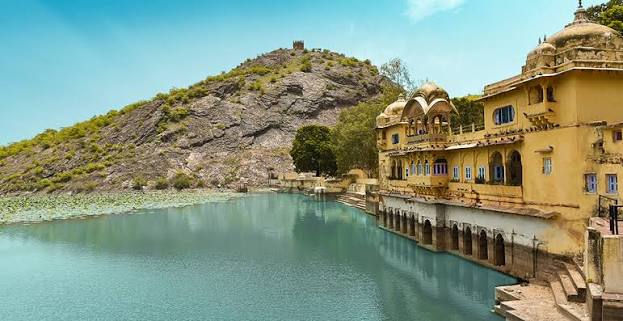
Nestled among the hills of southeastern Rajasthan, Bundi is a historic town where grand palaces, ancient stepwells, colourful murals and narrow heritage lanes preserve the charm of a bygone royal era. Often called the City of Stepwells, Bundi is famous for its remarkable water architecture, the hilltop Taragarh Fort and the magnificent Garh Palace overlooking the old town.
Unlike Rajasthan’s larger and busier tourist cities, Bundi offers a quieter atmosphere where visitors can explore traditional neighbourhoods, admire the celebrated Bundi school of miniature painting and experience the cultural traditions of the Hadoti region. From the intricately carved Raniji ki Baori to the peaceful waters of Jait Sagar Lake, every corner offers a glimpse into the town’s artistic and historical heritage.
Whether you love history, photography, architecture, local food or cultural festivals, Bundi is a rewarding destination for discovering a different side of Rajasthan.
1. History of Bundi
Bundi has a long history that includes early settlements, regional kingdoms and the rise of Rajput rule. Archaeological discoveries and historic remains from the wider region indicate that people lived here long before the establishment of the medieval princely state.
According to historical accounts, Bundi takes its name from Bunda, a Meena chieftain. Around the 14th century, Rao Deva, also known as Deva Singh Hada, established Hada Rajput rule in the region. Bundi subsequently developed as an important centre of the Hada Chauhan rulers and became closely associated with the history of Hadoti.
Over time, the ruling families constructed forts, palaces, temples, stepwells and other structures that shaped the town's distinctive character. In 1624, Kota separated from Bundi and developed as an independent princely state, changing the political balance of the region.
Following Indian independence, Bundi became part of the Indian Union and was integrated into Rajasthan. Today, its historic buildings, traditional streets and artistic heritage preserve the legacy of its former rulers.
2. Geography of Bundi
Bundi is located in southeastern Rajasthan, within the Hadoti region, approximately 35–36 kilometres from Kota by commonly cited road routes. The town lies in a valley surrounded by hills, creating a distinctive landscape of rocky slopes, lakes, agricultural fields and historic settlements.
The surrounding countryside includes cultivated land, seasonal water bodies and forested areas. The region's geography has influenced its traditional water-management systems, including the stepwells and reservoirs that once helped communities cope with dry periods.
Bundi experiences hot summers, a monsoon season and comparatively cooler winters. Its combination of hills, lakes and built heritage makes it particularly attractive to travellers interested in landscape photography and outdoor sightseeing.
3. Culture and Traditions of Bundi
Bundi's culture reflects the traditions of Rajasthan and the distinctive heritage of the Hadoti region. Hindi and Hadoti are used in everyday communication, while local customs, traditional clothing, religious celebrations and folk performances remain important parts of community life.
The town is especially known for its artistic traditions. The Bundi school of miniature painting developed a distinctive style featuring royal life, nature, gardens, hunting scenes, religious stories and finely detailed figures. The murals of Chitrashala are among the best-known examples of this artistic heritage.
Local markets, traditional sweets, regional cuisine and seasonal fairs also contribute to Bundi's cultural identity. Visitors can experience this heritage by exploring the old town on foot, visiting historic monuments and attending public festivals when they coincide with a trip.
Respect for local customs is important, particularly at religious sites and during community celebrations. Visitors should ask permission before photographing people or private ceremonies.
4. Architecture of Bundi
Bundi is celebrated for its combination of Rajput palaces, hilltop fortifications, carved stepwells, traditional havelis and painted interiors. Its architecture reflects both the practical needs of an old settlement and the artistic ambitions of its royal patrons.
Rajput Palace Architecture
The Garh Palace complex features ornate balconies, carved pillars, courtyards, arched gateways and decorative pavilions. Built and expanded by different rulers over several generations, the complex displays a variety of architectural details.
Stepwell Architecture
Bundi's baoris, or stepwells, were designed to provide access to stored water. Their descending staircases, carved columns and elaborate entrances combine practical engineering with decorative craftsmanship. Raniji ki Baori and Dabhai Kund are among the town's most notable examples.
Bundi Miniature Paintings
The murals and miniature paintings associated with Bundi are recognised for their rich colours, intricate details and depictions of royal life, nature and religious themes. Chitrashala, within the palace complex, is an important place to appreciate this tradition.
Traditional Havelis and Old Streets
Historic residential buildings, narrow lanes, painted façades and traditional balconies give parts of Bundi its distinctive old-town character. Walking through these neighbourhoods offers a closer look at the town's everyday architectural heritage.
5. Famous Places to Visit in Bundi
Taragarh Fort
Taragarh Fort is one of Bundi's most recognisable landmarks. Built in the 14th century, the hilltop fort overlooks the town and provides views of its surrounding hills, lakes and rooftops. Its historic walls, gateways and fortifications reflect the strategic importance of Bundi during the era of Rajput rule. Visitors should check current access conditions because parts of the site may be uneven or poorly maintained.
Garh Palace
Located below Taragarh Fort, Garh Palace is a historic royal complex built and expanded over several centuries. Its courtyards, ornate gateways, balconies and painted interiors reveal the artistic tastes of Bundi's rulers. It is one of the essential stops for anyone interested in the town's royal history and architecture.
Chitrashala
Chitrashala, also known as the painting gallery, is one of Bundi's most celebrated cultural attractions. Its murals depict scenes from mythology, royal life, courtly activities and nature. The detailed artwork makes it an important destination for visitors interested in traditional Indian painting. Confirm access arrangements before visiting.
Raniji ki Baori
Raniji ki Baori, meaning the Queen's Stepwell, was constructed in 1699 by Rani Nathavati Ji, the younger queen of Maharao Raja Anirudh Singh. This multi-storeyed stepwell is known for its carved pillars, high arched entrance and stone elephant sculptures. It is among Bundi's finest examples of historic water architecture.
Dabhai Kund
Also known as Jail Kund, Dabhai Kund is a striking stepwell recognised for its geometric design and descending flights of steps. The carefully arranged staircases and decorative stonework demonstrate how traditional water structures could also serve as impressive architectural landmarks.
Nagar Sagar Kund
Nagar Sagar Kund consists of two stepwells located near the old town's Chauhan Gate area. These historic water structures are associated with the need to provide water during periods of scarcity. Their symmetrical appearance makes them a distinctive stop on a heritage walk.
Nawal Sagar Lake
Nawal Sagar is an artificial lake in the heart of Bundi. It is known for reflections of the surrounding palaces, temples and historic buildings. A temple associated with Varuna, the Hindu deity of water, stands partially submerged in the lake. The area is particularly appealing for photography during suitable light conditions.
Jait Sagar Lake
Jait Sagar Lake is a scenic water body surrounded by hills and greenery near Bundi. Lotus flowers can be seen in suitable seasons, adding to its beauty. The lake is a pleasant place to enjoy the landscape and take a break from exploring the town's monuments.
Sukh Mahal
Sukh Mahal is a small historic palace beside Jait Sagar Lake. It served as a summer retreat for Bundi's rulers and is popularly associated with the English writer Rudyard Kipling, who visited Bundi and admired its architecture. The palace and its setting provide a quieter perspective on the town's royal heritage.
84 Pillared Cenotaph
The 84 Pillared Cenotaph, also known as Chaurasi Khambon ki Chhatri, is an impressive memorial supported by 84 pillars. Commissioned by Rao Anirudh Singh, it is associated with his beloved nurse, Deva. The structure features decorative carvings and is a significant example of Bundi's memorial architecture.
Shikar Burj
Shikar Burj was a hunting lodge associated with Bundi's former rulers. Located amid a wooded landscape, it is connected with the later life of ruler Umed Singh, who is said to have retreated there after giving up the throne. The site offers a glimpse into the recreational life of the royal family.
Kshar Bagh
Kshar Bagh, also known as Saar Bagh, contains memorial cenotaphs associated with the royal family of Bundi. The site provides an opportunity to observe the region's traditional memorial architecture and learn about its former rulers.
Phool Sagar Palace
Phool Sagar is a palace and artificial lake complex associated with Bundi's royal family. The property is noted for its gardens and historical art collection. Access may be restricted because parts of the complex are privately controlled, so visitors should arrange permission before planning a visit.
Government Museum, Bundi
The Government Museum at Sukh Mahal displays objects connected with the region's historical and artistic heritage. Collections have included stone sculptures, miniature paintings, weapons and archaeological material. Check current opening times, exhibits and entry arrangements before visiting.
Bhimlat Waterfall
Bhimlat Waterfall is a natural attraction in the wider Bundi region, known for its cascading water and surrounding landscape. It can be especially attractive during or after the monsoon, depending on rainfall. Water levels, road conditions and access can change, so take care near wet rocks and check local conditions before travelling.
6. Famous Dishes of Bundi
Bundi's food reflects the wider culinary traditions of Rajasthan and the Hadoti region. Meals often feature wheat or millet breads, lentils, gram flour, seasonal vegetables, yoghurt and locally used spices. Traditional dishes can be found in local restaurants, dhabas, markets and sweet shops.
Dal Baati Churma
Dal Baati Churma is one of Rajasthan's most recognisable meals. It combines lentils with baked wheat baati and churma, a sweet preparation made from crushed wheat. The dish is a popular choice for visitors wanting to experience traditional Rajasthani cuisine.
Gatte ki Sabzi
Gatte ki Sabzi features gram-flour dumplings cooked in a spiced gravy, often prepared with yoghurt. It is commonly served with roti or rice and is a familiar favourite across Rajasthan.
Ker Sangri
Ker Sangri is a traditional Rajasthani preparation made using desert berries and beans. Cooked with spices, it is often served alongside flatbreads as part of a regional meal.
Bajra Roti
Bajra roti, made from pearl millet flour, is a traditional staple in many parts of Rajasthan. It is usually served with vegetables, lentils, chutney or other accompaniments.
Kachori and Samosa
Kachori and samosa are popular savoury snacks available in Bundi's markets and local eateries. They make convenient choices for breakfast or an afternoon snack, often accompanied by chutney or tea.
Rajasthani Kadhi
Kadhi is a yoghurt-based curry seasoned with spices and sometimes prepared with gram-flour fritters. It is commonly eaten with rice or flatbread and is a comforting option for a traditional meal.
Jalebi and Local Sweets
Jalebi, laddoo and other traditional sweets are available at sweet shops around Bundi. During festivals and celebrations, sweets play an important role in family gatherings and hospitality. Availability and recipes vary between shops.
7. Famous Personalities of Bundi
Bundi's best-known cultural legacy is closely connected with its former rulers, miniature painters, architects and craftspeople. Rather than being associated with a long list of nationally famous modern personalities, the town is especially recognised for the artistic traditions that developed under royal patronage.
Rao Deva Hada
Rao Deva, also known as Deva Singh Hada, is traditionally credited with establishing Hada Rajput rule in Bundi during the 14th century. His role is an important part of the town's historical narrative and the development of the former princely state.
Rani Nathavati Ji
Rani Nathavati Ji, the younger queen of Maharao Raja Anirudh Singh, is remembered for commissioning Raniji ki Baori in 1699. The stepwell remains one of Bundi's most celebrated historic structures and an enduring example of royal investment in water infrastructure.
Rao Anirudh Singh
Rao Anirudh Singh was a ruler of Bundi associated with several important heritage structures. He is remembered in connection with the 84 Pillared Cenotaph, commissioned in honour of his beloved nurse, Deva.
Umed Singh
Umed Singh, a former ruler of Bundi, is associated with the development of the town's artistic heritage and with Shikar Burj. His period forms part of the history of Bundi's royal architecture and courtly traditions.
The Bundi School of Painters
The painters associated with the Bundi school of miniature art helped create one of Rajasthan's distinctive artistic traditions. Although many artists are not widely identified by individual names today, their detailed murals and paintings remain an important cultural legacy preserved in historic palaces and galleries.
8. Famous Festivals of Bundi
Kajli Teej
Kajli Teej is one of Bundi's signature festivals, celebrated during the monsoon season, generally around July or August. The event features a colourful procession, traditional clothing, music and community celebrations. A fair with food stalls and local products adds to the festive atmosphere. Dates vary each year, so confirm the schedule before travelling.
Bundi Utsav
Bundi Utsav celebrates the region's heritage, arts and traditions. Activities have included cultural performances, processions, handicraft displays, traditional competitions and music. It offers visitors an opportunity to experience the cultural identity of Bundi and the wider Hadoti region.
Gangaur
Gangaur is widely celebrated in Rajasthan and honours traditions associated with Goddess Gauri. Women dress in colourful attire, participate in prayers and take part in community gatherings. The festival brings a festive atmosphere to local streets and homes.
Diwali
Diwali is celebrated with lamps, decorations, prayers, sweets and family gatherings. Markets and homes are illuminated, and local sweet shops become especially lively during the festive period.
Holi
Holi marks the arrival of spring with colours, music and community celebrations. The festival is observed across Bundi, although customs and activities vary between neighbourhoods and families.
Kartik Purnima Celebrations
Kartik Purnima is an important religious occasion in Rajasthan, marked by prayers and visits to sacred places. In the wider Bundi region, the period may coincide with local fairs and religious gatherings, depending on the location and annual calendar.
9. Things to Do in Bundi
- Explore Taragarh Fort: Discover the historic fortifications and enjoy views across Bundi's old town.
- Visit Garh Palace: Admire the royal architecture, gateways, courtyards and historic interiors.
- Study miniature art: Visit Chitrashala to appreciate Bundi's celebrated murals and painting tradition.
- Discover historic stepwells: Explore Raniji ki Baori, Dabhai Kund and Nagar Sagar Kund to understand traditional water architecture.
- Walk around the old town: Explore narrow lanes, traditional façades, local shops and historic neighbourhoods.
- Enjoy lakeside scenery: Spend time around Nawal Sagar and Jait Sagar lakes and photograph the surrounding landscape.
- Visit Sukh Mahal: Learn about the town's royal retreats and its literary associations.
- Explore the 84 Pillared Cenotaph: Appreciate the carved pillars and memorial architecture.
- Try local food: Sample Rajasthani meals, kachori, samosa and traditional sweets.
- Shop for local art: Look for miniature paintings, handicrafts and traditional products in local markets.
- Attend a festival: If your dates align, experience Kajli Teej or Bundi Utsav.
- Take a nature excursion: Consider Bhimlat Waterfall or other nearby countryside destinations when access and weather conditions are suitable.
10. Where to Eat, Shop, and Stay in Bundi
Where to Eat
Bundi has local restaurants, dhabas, cafés and sweet shops serving everyday Indian meals and regional Rajasthani dishes. Visitors can look for dal baati churma, gatte ki sabzi, ker sangri, kachori and traditional sweets. The old town and central market areas are practical places to explore local food options. Check recent reviews and opening hours if you have a specific restaurant in mind.
Where to Shop
Markets around Bundi's old town offer textiles, everyday goods, jewellery, souvenirs and traditional handicrafts. The town is particularly associated with miniature paintings, so visitors interested in art can look for paintings inspired by the Bundi school. Ask about the artist, materials and authenticity before purchasing higher-value artwork.
Where to Stay
Bundi offers a range of accommodation options, including guesthouses, heritage-style properties, budget hotels and smaller hotels. Staying near the old town can make it easier to explore the palace, stepwells and traditional markets on foot. Travellers who prefer quieter surroundings may consider accommodation outside the busiest streets. Compare current reviews, facilities, accessibility and booking conditions before reserving a room.
11. What Is Bundi Famous For?
Bundi is best known for its historic architecture, beautiful stepwells, royal palace complex and distinctive miniature painting tradition. Its compact old town and scenic setting also make it a memorable destination for travellers interested in history and culture.
- Taragarh Fort: A historic hilltop fort overlooking the town.
- Garh Palace: A royal complex featuring traditional Rajput architecture.
- Raniji ki Baori: A remarkable multi-storeyed stepwell built in 1699.
- Chitrashala: A celebrated gallery of murals associated with the Bundi school of painting.
- 84 Pillared Cenotaph: A memorial structure noted for its carved pillars.
- Nawal Sagar Lake: A scenic artificial lake reflecting surrounding heritage buildings.
- Kajli Teej: A colourful festival closely associated with Bundi.
- Bundi Utsav: A celebration of local art, culture and traditional activities.
- Traditional stepwells: A network of historic baoris and kunds that helped manage water supplies.
- Hadoti cuisine: Regional food influenced by the wider culinary traditions of Rajasthan.
12. Best Time to Visit Bundi
The best time to visit Bundi is generally October to March, when the weather is more comfortable for exploring forts, palaces, stepwells and the old town.
Winter: October to March
Winter is usually the most comfortable season for sightseeing and walking through historic areas. Days are generally more pleasant than in summer, making it easier to explore the town's architectural attractions. This period may also coincide with cultural events, depending on the annual festival calendar.
Summer: April to June
Summer temperatures can become very high, particularly in the afternoon. If you visit during these months, start sightseeing early, carry drinking water and take breaks in shaded areas. Avoid long outdoor walks during the hottest part of the day.
Monsoon: July to September
The monsoon brings greenery to the surrounding hills and can enhance the scenery around lakes and waterfalls. It is also the season associated with Kajli Teej. However, rain can make steps, rocky surfaces and outdoor routes slippery, so check local conditions before visiting natural attractions.
Best Time for Festivals
Travellers interested in Kajli Teej or Bundi Utsav should confirm the dates announced for the year of travel. Festival schedules may vary, and accommodation availability can change around major events.
13. How to Reach Bundi
By Train
Bundi has a railway station connecting it with selected destinations. Train services and journey times depend on the route, so check current railway schedules when planning your trip. Kota is another useful rail hub for travellers connecting through the Hadoti region.
By Road
Bundi is connected by road with Kota and other cities in Rajasthan. Regular bus services have operated on routes linking Bundi with destinations such as Jaipur, Kota, Ajmer and other regional centres. Travellers can also use taxis or private vehicles. Check current departure points and schedules before setting out.
By Air
Jaipur International Airport is a major airport option for reaching Bundi, followed by a road journey. The total travel time depends on traffic and the chosen route. Kota may be convenient as a regional transport connection, but travellers should verify current commercial flight availability rather than assuming regular services.
Local Transport
Auto-rickshaws, taxis and local vehicles are useful for moving around Bundi. Some central heritage areas are best explored on foot, although the approach to Taragarh Fort can be steep. For attractions outside town, arranging a taxi or private vehicle can make the journey more convenient.
14. Nearby Places to Visit from Bundi
Kota
Located roughly 35 kilometres from Bundi, Kota is a major city in the Hadoti region. It offers riverfront attractions, gardens, palaces and museums, making it a practical addition to a Bundi itinerary.
Keshoraipatan
Keshoraipatan is a historic town on the Chambal River, known for religious heritage and the Keshav Rai Temple. It is an appealing excursion for visitors interested in temple architecture and regional pilgrimage traditions.
Ramgarh Vishdhari Tiger Reserve
Ramgarh Vishdhari is a protected wildlife landscape in the Bundi region, recognised for its natural habitats and role in the wider conservation landscape of Rajasthan. Visitors should check official entry arrangements, safari availability and current wildlife guidance before planning a visit.
Bhimlat Waterfall
Bhimlat Waterfall is a natural excursion from Bundi, particularly attractive when seasonal water flow is strong. The journey can be combined with a countryside drive, subject to weather and road conditions.
Bundi Countryside and Jait Sagar
The hills and rural landscapes surrounding Bundi offer scenic drives and photography opportunities. Jait Sagar Lake is especially convenient for visitors who want to enjoy nature without travelling far from the old town.
Bijolia
Bijolia, in the wider southeastern Rajasthan region, is known for historic temples and architectural remains. It can be considered as part of a longer itinerary for travellers interested in archaeology and temple heritage.
Chittorgarh
Chittorgarh is a historic destination famous for its imposing fort and Rajput heritage. It lies farther from Bundi, making it more suitable for a longer road trip than a quick local excursion.
15. Best Duration for a Trip to Bundi
The ideal duration depends on whether you want to explore only the town's main attractions or include countryside excursions and nearby destinations.
- 1 day: Visit Garh Palace, Chitrashala if open, Taragarh Fort where accessible, and one or two major stepwells.
- 2 days: Explore the principal heritage sites at a relaxed pace, including Raniji ki Baori, Dabhai Kund, Nawal Sagar and Sukh Mahal.
- 3 days: Add a countryside excursion such as Bhimlat Waterfall and allow more time for markets, photography and local food.
- 4 days: Combine Bundi with selected nearby destinations such as Kota or Keshoraipatan, depending on transport and sightseeing preferences.
For most first-time visitors, 2 to 3 days is a good starting point for experiencing Bundi's major heritage attractions without rushing.
16. Travel Tips for Visiting Bundi
- Wear comfortable shoes: Forts, stepwells and heritage streets can involve steep steps, uneven stone surfaces and walking.
- Check monument access: Some palaces and historic properties may have restricted sections or changing opening arrangements.
- Start early: Morning visits are useful during warmer months and offer softer light for photography.
- Respect religious customs: Dress appropriately at temples and follow local instructions about footwear and photography.
- Take care at stepwells: Avoid climbing barriers or approaching unsafe edges, particularly where steps are worn or slippery.
- Check monsoon conditions: Rain can affect access to waterfalls, hill routes and outdoor heritage sites.
- Carry drinking water: Keep water, sun protection and essential medicines with you during sightseeing.
- Hire local guidance if useful: A knowledgeable local guide can help explain the history and paintings of the palace complex.
- Shop thoughtfully: Ask about the origin and materials of paintings or handicrafts before purchasing.
- Confirm festival dates: Check official or local announcements for Kajli Teej and Bundi Utsav before booking.
- Keep some cash: Small shops and local transport providers may not always accept digital payments.
- Respect the heritage: Do not write on walls, touch delicate murals or leave litter at historic sites.
17. Why Visit Bundi?
Bundi is an excellent destination for travellers who want to experience Rajasthan's royal heritage in a quieter and more intimate setting. Its hilltop fort, palace interiors, traditional stepwells and old-town streets reveal a distinctive architectural story that differs from the better-known tourist centres of the state.
The town is especially rewarding for history enthusiasts, photographers, architecture lovers and travellers interested in traditional Indian art. The murals of Chitrashala and the intricate design of Raniji ki Baori are highlights, while the surrounding hills and lakes add a natural dimension to the experience.
Bundi also provides opportunities to explore local cuisine, shop for traditional art and enjoy festivals such as Kajli Teej. Whether you plan a short heritage break or combine the town with Kota and other destinations in the Hadoti region, Bundi offers a memorable look at Rajasthan's artistic and cultural legacy.
18. Conclusion
Bundi is a destination where history, architecture, art and everyday local life come together. From the commanding Taragarh Fort and the royal chambers of Garh Palace to the carved stepwells, painted galleries and peaceful lakes, the town preserves a remarkable part of Rajasthan's heritage.
Its miniature painting tradition, traditional festivals and distinctive Hadoti culture make it more than a collection of monuments. Visitors who take time to explore its lanes, taste regional food and learn the stories behind its historic buildings will discover a destination with lasting character.
If you are planning a trip to Rajasthan and want to explore beyond the most crowded tourist routes, Bundi is well worth including in your travel itinerary. Plan your visit during the cooler months, check access to individual monuments and enjoy discovering the timeless charm of the City of Stepwells.
"Travel is the only thing you buy that makes you richer."