Churu: Discover Rajasthan’s Desert Gateway, Painted Havelis and Timeless Traditions
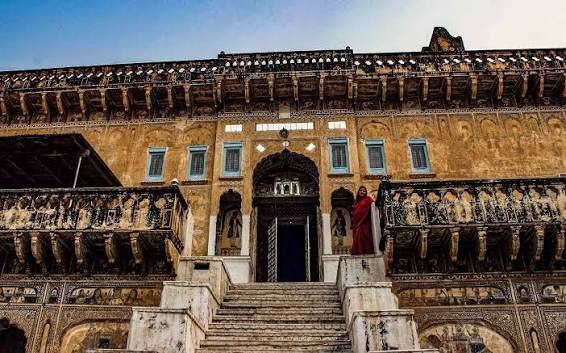
Standing at the edge of the Thar Desert in northern Rajasthan, Churu is a historic town known for its beautifully painted havelis, traditional desert architecture, sacred temples and colourful local culture. Often described as the Gateway to the Thar Desert, Churu offers a different experience from Rajasthan’s famous palace cities. Its heritage lies in the grand mansions built by wealthy merchant families, intricate fresco paintings, historic water reservoirs and the traditions of the Shekhawati region.
Explore the remarkable Malji Ka Kamra, admire the ornate Kothari and Surana havelis, visit Sethani Ka Johara and experience the spiritual atmosphere of Salasar Balaji Temple. Nature lovers can travel to Tal Chhapar Wildlife Sanctuary, known for its blackbuck population and birdlife, while history enthusiasts can discover the old fort and traditional cenotaphs.
Whether you are interested in architecture, wildlife, religious tourism, local food or desert landscapes, Churu offers an opportunity to experience Rajasthan's heritage away from its busiest tourist destinations.
1. History of Churu
Churu has a rich history connected with the historic Shekhawati region and the former princely state of Bikaner. The town is traditionally believed to have been founded around 1620 AD by a Jat ruler named Churu, from whom its name is said to have originated.
The area later came under the influence of Rathore Rajput rulers and became part of the Bikaner princely state. Historical accounts describe a conflict between Churu and Bikaner in 1871. A well-known local story recalls how residents contributed silver ornaments to support the town's defence when other metals for ammunition were scarce. This account forms part of Churu's local historical tradition.
During the 18th and 19th centuries, merchant families prospered through regional and long-distance trade. Their wealth helped finance grand havelis, religious buildings, cenotaphs and water reservoirs. Many of these structures were decorated with detailed fresco paintings that remain among Churu's most distinctive attractions.
Before India's independence, Churu was part of the Bikaner princely state. The district was established as a separate administrative unit in 1948. Today, its historic architecture and desert-edge setting preserve important elements of Rajasthan's merchant and regional heritage.
2. Geography of Churu
Churu lies in northern Rajasthan, within the wider Shekhawati region and near the northeastern edge of the Thar Desert. Its landscape includes sandy terrain, shifting dunes, scrub vegetation, open agricultural land and traditional settlements adapted to a dry climate.
The district is characterised by low and irregular rainfall, hot summers and cool winter nights. Water management has historically been important to local life, which explains the presence of joharas, wells, tanks and other traditional water-harvesting structures.
Churu is surrounded by other districts of northern Rajasthan and lies within reach of destinations in the Shekhawati region. Its location makes it a useful stop for travellers exploring the painted havelis of northern Rajasthan and the desert landscapes further west.
The region's combination of open terrain, historic settlements and traditional architecture creates distinctive opportunities for photography, cultural exploration and rural travel.
3. Culture and Traditions of Churu
Churu's culture reflects the traditions of Rajasthan and the historic merchant communities of Shekhawati. Hindi and regional Rajasthani dialects are commonly used in daily life, while folk music, traditional clothing, religious celebrations and community fairs remain important parts of local culture.
The town is especially recognised for its merchant havelis, which feature colourful wall paintings depicting religious stories, historical figures, animals, floral patterns and scenes from everyday life. These paintings reflect the artistic tastes and prosperity of the merchant families who commissioned them.
Religious traditions are another important part of Churu's identity. Temples dedicated to Hindu deities attract local devotees, while Salasar Balaji is a major pilgrimage centre drawing visitors from across India.
Local markets, traditional food and community gatherings provide an introduction to everyday life in this part of Rajasthan. Visitors can also discover the artistic traditions of the wider Shekhawati region through its painted mansions, handicrafts and historic settlements.
4. Architecture of Churu
Churu is famous for its traditional havelis, elaborate fresco paintings, carved façades, historic cenotaphs and desert-region water structures. Its architecture reflects the influence of Rajput traditions and the merchant communities that prospered through trade.
Painted Havelis
The havelis of Churu are distinguished by their decorated façades, courtyards, balconies and painted interiors. Many were built by prosperous merchant families during the 18th, 19th and early 20th centuries. Their frescoes combine religious subjects, nature, decorative patterns and historical themes.
Fresco Painting Tradition
Traditional wall paintings, often called bhitti chitra in the regional context, are a defining feature of Churu's heritage. Artists used natural and mineral-based pigments in various periods to create detailed scenes and decorative motifs. These paintings make the town particularly interesting for art lovers and photographers.
Traditional Water Architecture
Water reservoirs, wells and joharas were essential in this dry region. Structures such as Sethani Ka Johara demonstrate how communities and wealthy patrons supported water conservation and public welfare.
Chhatris and Memorial Structures
Churu and its surrounding settlements contain traditional chhatris, or cenotaphs, built in memory of important individuals. Their pillars, domes and carved details provide further examples of the region's architectural craftsmanship.
5. Famous Places to Visit in Churu
Malji Ka Kamra
Malji Ka Kamra is one of Churu's most recognisable heritage properties. This historic haveli is known for its colourful exterior, decorative frescoes and traditional architectural details. Its painted surfaces and old-world character make it a favourite subject for photographers and visitors interested in Shekhawati's merchant heritage. Check current access and accommodation arrangements before planning a visit.
Kothari and Surana Havelis
The Kothari and Surana havelis are among Churu's best-known examples of traditional merchant architecture. Their elaborate wall paintings, decorative façades and intricate details reveal the prosperity and artistic preferences of the families who built them. They are particularly rewarding for visitors who enjoy architecture, heritage walks and fresco photography.
Kanhaiyalal Bagla Haveli
Kanhaiyalal Bagla Haveli is a historic mansion associated with Churu's prosperous merchant families. Its traditional design and decorative features reflect the architectural style that makes the town part of the famous painted-haveli landscape of Shekhawati.
Sethani Ka Johara
Sethani Ka Johara is a historic water reservoir located west of Churu along the Ratangarh road. It was built in 1899 by the widow of Bhagwan Das Bagla as part of famine-relief efforts during a period of severe hardship. The johara illustrates the importance of traditional water storage in a dry region and may attract birds and other wildlife during suitable seasons.
Tal Chhapar Wildlife Sanctuary
Tal Chhapar Wildlife Sanctuary, located in the Sujangarh area of Churu district, is famous for its blackbuck population and open grassland habitat. Its landscape differs from the typical image of dense forest, with broad grassy plains and scattered trees. The sanctuary is also known for birdlife, including migratory birds and birds of prey. Wildlife sightings depend on the season and conditions, so visitors should follow official entry rules and conservation guidance.
Churu Fort
The historic fort in Churu is associated with the town's early history and its former role as a regional stronghold. It forms part of the area's heritage landscape, although access and the condition of individual structures may vary. Visitors interested in the town's past can explore the surrounding historic streets and nearby heritage buildings.
Salasar Balaji Temple
Salasar Balaji Temple is one of Rajasthan's major pilgrimage destinations and is located in Salasar town within Churu district. Dedicated to Lord Hanuman, the temple attracts devotees throughout the year. It is especially busy during the fairs associated with Chaitra Purnima and Ashvin Purnima. The temple's spiritual importance and the traditions surrounding its origin make it a central destination for religious travellers.
Jain Temple of Churu
The historic Jain temple in Churu is known for its religious significance and decorative interiors. The temple is associated with the town's Jain merchant communities and reflects the role of religious patronage in local architectural history. Visitors should follow the temple's rules regarding footwear, photography and worship areas.
Mantri Haveli
Mantri Haveli is a historic mansion known for its painted surfaces, decorative details and traditional interiors. Like other merchant havelis in Churu, it provides a glimpse into the lifestyles and artistic interests of the wealthy families who shaped the town's architectural character. Check whether the property is open to visitors before including it in a walking route.
Nath Ji Ki Chhatri
Nath Ji Ki Chhatri is a traditional memorial structure associated with the religious and architectural heritage of Churu. Its form reflects the region's tradition of building chhatris to commemorate important people. It can be included in a broader heritage walk around the town.
Taknet Chhatri
Taknet Chhatri is another historic memorial structure associated with Churu's architectural landscape. Such cenotaphs are valuable examples of regional stonework and decorative design, adding to the town's appeal for visitors interested in heritage photography.
Nagar Shree Museum
Nagar Shree Museum is associated with the preservation and presentation of local history and cultural objects. A museum visit can help travellers understand the town's historical development and regional traditions. Confirm current opening hours, displays and entry arrangements before visiting.
Babosa Dham
Babosa Dham is a religious destination in Churu associated with the worship of Babosa Maharaj. Devotees visit the shrine for prayers and religious observances. It provides another perspective on the living devotional traditions of the town.
Salasar and Nearby Pilgrimage Sites
Travellers visiting Salasar Balaji can also explore other religious destinations in the wider region, depending on their route and available time. Jeen Mata, Rani Sati and Khatu Shyam Ji are well-known pilgrimage sites in the broader Shekhawati and neighbouring areas, though they are outside Churu town and require separate travel arrangements.
6. Famous Dishes of Churu
Churu's food reflects the wider culinary traditions of Rajasthan and the Shekhawati region. Traditional meals make use of grains, pulses, gram flour, seasonal vegetables, spices and ingredients that keep well in a dry climate. Local eateries and markets offer familiar Rajasthani dishes alongside snacks and sweets.
Bajra Roti
Bajra roti, made from pearl millet flour, is a traditional staple in Rajasthan. It is commonly served with vegetables, lentils, chutney or dairy-based accompaniments. It is a good choice for visitors who want to experience the region's everyday food traditions.
Ker Sangri
Ker Sangri is a distinctive Rajasthani preparation made with desert berries and beans. Cooked with spices, it is often served as a side dish with roti or a traditional meal. Its ingredients reflect the region's adaptation to a dry climate.
Gatte Ki Sabzi
Gatte ki sabzi features gram-flour dumplings cooked in a spiced gravy, often prepared with yoghurt. It is a familiar favourite across Rajasthan and is commonly enjoyed with roti or rice.
Papad Mangodi
Papad and mangodi are common components of Rajasthani meals. Papad adds a crisp texture, while mangodi, made from dried lentil paste, is often used in curries. They are practical ingredients in a region where food preservation has traditionally been important.
Dal Baati Churma
Dal baati churma is one of Rajasthan's best-known traditional meals. It combines lentils, baked wheat balls and sweetened crushed baati. Travellers can look for it at local restaurants offering regional cuisine.
Kachori and Samosa
Kachori and samosa are popular savoury snacks available at shops and market stalls. They are commonly enjoyed with chutney or tea and make convenient options for breakfast or an afternoon snack.
Traditional Rajasthani Sweets
Local sweet shops may offer jalebi, laddoo, malpua and other familiar Rajasthani sweets. These treats are especially popular during religious festivals and family celebrations. Availability and recipes vary between shops.
Chaas and Lassi
Chaas, or spiced buttermilk, is a refreshing traditional drink that is popular in Rajasthan, particularly during warm weather. Lassi is another option available at local eateries. Both complement traditional meals and can be pleasant choices during a desert-region visit.
7. Famous Personalities of Churu
Churu's historical identity is closely connected with local rulers, merchant families, religious figures and people who contributed to the region's artistic and public life. The town's painted havelis and water structures also reflect the legacy of patrons who supported architecture, public welfare and cultural activities.
Churu, the Traditional Founder
Local historical accounts associate the founding of the town around 1620 with a Jat ruler named Churu. Although details of the town's earliest history vary across accounts, the traditional founder's name is closely linked with the origin of the town's name.
Bhagwan Das Bagla and His Family
The Bagla family is associated with Churu's merchant heritage and the construction of historic buildings. Sethani Ka Johara was built in 1899 by the widow of Bhagwan Das Bagla as part of famine-relief efforts, illustrating the role of wealthy merchants and their families in public welfare.
Kothari Merchant Family
The Kothari family is associated with the town's historic merchant architecture, including notable havelis. Their legacy forms part of the broader story of the business communities whose wealth helped shape Churu's built heritage.
Surana Merchant Family
The Surana family is remembered for its association with Churu's painted havelis and regional merchant history. The decorative mansions connected with such families preserve evidence of the artistic traditions and prosperity of the Shekhawati region.
Mantri Family and Local Patrons
The Mantri family is associated with the historic Mantri Haveli, reflecting the role of local patrons in the development of Churu's traditional architecture. Such families helped create the painted streetscapes that make the town distinctive.
Artists of the Shekhawati Fresco Tradition
Churu's architectural identity owes much to generations of painters, plaster workers, stone carvers and craftspeople. Although many historical artisans are not individually documented by name, their work survives in the town's frescoed havelis, decorative façades and traditional monuments.
8. Famous Festivals of Churu
Salasar Balaji Fairs
Salasar Balaji Temple hosts major fairs around Chaitra Purnima and Ashvin Purnima. Devotees travel from different parts of India to offer prayers to Lord Hanuman. The gatherings create a lively atmosphere around the temple, with religious observances and facilities for pilgrims. Check the relevant year's dates and travel arrangements before visiting.
Gangaur
Gangaur is widely celebrated across Rajasthan and is associated with Goddess Gauri. Women participate in prayers, wear traditional clothing and join community gatherings. The festival brings colour and activity to local neighbourhoods and markets.
Teej
Teej celebrations are associated with the monsoon season and traditional prayers for well-being and prosperity. Women may gather in colourful clothing, apply henna and take part in local customs. Specific activities vary by community and location.
Diwali
Diwali is celebrated with lamps, decorations, prayers, sweets and family gatherings. Shops and homes are illuminated, creating a festive atmosphere throughout the town.
Holi
Holi marks the arrival of spring with colours, music and community celebrations. Visitors can experience local customs while following local guidance and being considerate of residents.
Ram Navami
Ram Navami is observed by devotees of Lord Rama through prayers, devotional singing and temple visits. Religious centres may hold special gatherings, although the precise programme varies from one location to another.
Local Temple Fairs
Smaller fairs and religious gatherings take place at temples and shrines across Churu district throughout the year. These events often combine worship, local markets and community activities. Travellers interested in attending should check local announcements for confirmed dates.
9. Things to Do in Churu
- Explore painted havelis: Visit Malji Ka Kamra and the Kothari and Surana havelis to admire frescoes and traditional architecture.
- Take a heritage walk: Explore the old streets and discover historic façades, cenotaphs and religious buildings.
- Visit Sethani Ka Johara: Learn about traditional water storage and famine-relief history.
- Experience wildlife at Tal Chhapar: Observe blackbuck and birdlife while following sanctuary regulations.
- Visit Salasar Balaji: Experience the spiritual atmosphere of one of Rajasthan's major Hanuman pilgrimage centres.
- Explore historic temples: Visit local Jain and Hindu religious sites while respecting their customs.
- Photograph fresco details: Capture traditional wall paintings, decorative balconies and painted doors where photography is permitted.
- Browse local markets: Shop for traditional clothing, textiles, everyday goods and regional products.
- Try regional food: Sample bajra roti, ker sangri, gatte ki sabzi and local snacks.
- Explore Shekhawati: Use Churu as a starting point for a longer journey through the painted-haveli towns of northern Rajasthan.
- Attend a religious fair: Plan around Salasar Balaji's major fairs if you want to experience a large pilgrimage gathering.
- Enjoy desert landscapes: Take a road trip through the surrounding countryside and observe the architecture and settlements adapted to the dry environment.
10. Where to Eat, Shop, and Stay in Churu
Where to Eat
Churu has local restaurants, dhabas, cafés and sweet shops serving traditional Rajasthani food and everyday Indian meals. Look for bajra roti, ker sangri, gatte ki sabzi, dal baati churma and regional snacks. Local markets are useful places to explore food options, although menus and opening hours vary. Check recent reviews before visiting a specific restaurant.
Salasar also has food options catering to pilgrims, including simple vegetarian meals and refreshments. During major fairs, food stalls and visitor facilities may be especially busy.
Where to Shop
Churu's traditional markets offer clothing, textiles, jewellery, everyday household products and regional goods. Visitors interested in traditional craftwork can look for decorative items inspired by Rajasthan's architectural and artistic heritage.
When shopping for handicrafts or textiles, ask about materials, workmanship and prices before buying. The surrounding Shekhawati region is particularly known for its painted havelis, so art-inspired souvenirs may appeal to visitors interested in local culture.
Where to Stay
Churu offers hotels, guesthouses and heritage-style accommodation, with options suited to different budgets. Staying in or near the main town is convenient for exploring the havelis, temples, local markets and Sethani Ka Johara.
Travellers visiting Tal Chhapar Wildlife Sanctuary may consider accommodation in Churu or nearer the sanctuary, depending on availability and the timing of wildlife activities. Salasar has accommodation options for pilgrims, although rooms can be in high demand during major fairs.
Check recent reviews, facilities, location and cancellation policies before booking. During religious festivals and the winter wildlife season, arranging accommodation in advance is advisable.
11. What Is Churu Famous For?
Churu is famous for its painted merchant havelis, desert-edge landscape, traditional water structures, Salasar Balaji pilgrimage and Tal Chhapar Wildlife Sanctuary. Its architecture and cultural heritage make it an important part of the Shekhawati region.
- Gateway to the Thar Desert: Churu's location near the desert landscape makes it an interesting destination for cultural and rural travel.
- Painted havelis: Malji Ka Kamra, Kothari Haveli, Surana Haveli and other historic mansions showcase traditional fresco art.
- Salasar Balaji Temple: A major Hanuman pilgrimage destination visited throughout the year.
- Tal Chhapar Wildlife Sanctuary: A protected grassland area known for blackbuck and diverse birdlife.
- Sethani Ka Johara: A historic water reservoir built during famine-relief efforts in 1899.
- Shekhawati culture: The region's distinctive art, merchant history and traditional architecture.
- Historic cenotaphs: Traditional chhatris that reflect local memorial architecture.
- Rajasthani cuisine: Regional dishes featuring millet, pulses, desert ingredients and traditional spices.
- Religious fairs: Large gatherings at Salasar Balaji and smaller temple fairs across the district.
12. Best Time to Visit Churu
The best time to visit Churu is generally October to March, when temperatures are more suitable for exploring historic buildings, attending religious sites and travelling through the countryside.
Winter: October to March
Winter is the most comfortable season for most sightseeing activities. Days are often suitable for heritage walks and road trips, while nights and early mornings can be cold. This is also a rewarding period for birdwatching at Tal Chhapar, when migratory birds may be present.
Summer: April to June
Summer in Churu can be extremely hot, with high daytime temperatures and dry conditions. If travelling during this period, plan outdoor activities early in the morning or later in the evening, carry sufficient drinking water and avoid prolonged exposure to the midday sun.
Monsoon: July to September
The monsoon brings seasonal rainfall and may temporarily green the landscape. The experience can be different from the dry desert scenery associated with Churu, although rainfall varies from year to year. Check road conditions and local access before visiting outdoor attractions.
Best Time for Wildlife
October to March is generally a good period to plan a visit to Tal Chhapar Wildlife Sanctuary, especially for birdwatching. Wildlife activity and sightings vary, so follow sanctuary rules and consult local authorities for current visitor information.
Best Time for Religious Festivals
Visitors planning a pilgrimage to Salasar Balaji should consider the fairs around Chaitra Purnima and Ashvin Purnima. These periods can be very busy, so confirm dates and arrange transport and accommodation in advance.
13. How to Reach Churu
By Train
Churu is connected by rail with several destinations in Rajasthan and northern India. Train travel can be a convenient option for visitors coming from Delhi and other connected cities. Routes and frequency depend on the timetable, so check current railway schedules before booking.
By Road
Churu is connected by road with Jaipur, Bikaner, Sikar, Jhunjhunu and other destinations in Rajasthan. Buses, taxis and private vehicles are practical ways to reach the town. Road travel is also useful for visiting Salasar, Tal Chhapar and the historic settlements of the district.
By Air
Jaipur International Airport is a major airport option for reaching Churu, followed by a road journey. Travel time depends on traffic and the chosen route. Confirm current flight availability and onward transport before finalising your itinerary.
Local Transport
Auto-rickshaws, taxis and local vehicles can help visitors travel around Churu town. For Tal Chhapar Wildlife Sanctuary, Salasar Balaji and other attractions outside the town, arranging a taxi or private vehicle may be more convenient than relying on multiple transport connections.
14. Nearby Places to Visit from Churu
Salasar
Salasar is a major pilgrimage town in Churu district, known for the Salasar Balaji Temple dedicated to Lord Hanuman. It attracts devotees throughout the year and becomes especially busy during its major religious fairs.
Tal Chhapar
Tal Chhapar is a destination for wildlife enthusiasts and birdwatchers. Its grasslands provide habitat for blackbuck and many bird species, making it a worthwhile excursion for travellers interested in nature and photography.
Ratangarh
Ratangarh is a historic town in Churu district known for its regional markets, religious sites and connections with the wider Shekhawati landscape. It can be included in a road itinerary exploring the district.
Sardarshahar
Sardarshahar is a prominent town in Churu district with local markets, temples and traditional Rajasthani architecture. It offers a glimpse into the region's everyday life and can be combined with other district destinations.
Taranagar
Taranagar is a historic settlement with religious landmarks and local cultural traditions. It is suitable for travellers who want to explore the smaller towns and rural character of Churu district.
Fatehpur
Fatehpur, in the wider Shekhawati region, is known for its painted havelis and historic merchant architecture. It is an excellent addition for travellers interested in fresco paintings and heritage photography.
Mandawa
Mandawa is a well-known Shekhawati heritage town famous for its grand havelis, frescoes and historic streets. It is farther from Churu than the district's immediate attractions but can be included in a longer heritage trip.
Jhunjhunu
Jhunjhunu is another important destination in Shekhawati, known for temples, historic buildings and merchant havelis. It offers further opportunities to explore the region's distinctive architecture and cultural history.
15. Best Duration for a Trip to Churu
The ideal duration depends on whether you want to explore Churu town alone or combine its havelis with religious sites and wildlife attractions elsewhere in the district.
- 1 day: Explore the historic havelis, visit Sethani Ka Johara and see selected religious and heritage sites in Churu town.
- 2 days: Add a visit to Salasar Balaji or a trip to Tal Chhapar Wildlife Sanctuary, depending on your interests and transport.
- 3 days: Explore the town more slowly and include a wildlife excursion and one or two nearby settlements.
- 4 days: Combine Churu with other destinations in Shekhawati, such as Fatehpur, Mandawa or Jhunjhunu.
For most first-time visitors, 2 to 3 days is a useful starting point for experiencing Churu's heritage and one major attraction outside the town.
16. Travel Tips for Visiting Churu
- Prepare for dry weather: Carry drinking water, sun protection and comfortable clothing, especially during warmer months.
- Dress in layers during winter: Early mornings and evenings can be cold, particularly around open grasslands.
- Plan wildlife visits carefully: Check Tal Chhapar's current entry rules, opening times and wildlife guidance before travelling.
- Respect wildlife: Keep a safe distance from animals, avoid loud noises and never feed wildlife.
- Check haveli access: Some historic mansions are private properties or accommodation businesses, so entry may require permission or a booking.
- Confirm religious-site timings: Temple opening arrangements and crowd levels may change during festivals.
- Book ahead for Salasar fairs: Accommodation and transport can become busy during major pilgrimage periods.
- Explore with a local guide: A knowledgeable guide can explain the stories behind frescoes, merchant families and historic water structures.
- Ask before photographing: Respect residents, worshippers and private property when taking photographs.
- Carry some cash: Small shops and rural transport providers may not always accept digital payments.
- Check road distances: Tal Chhapar and Salasar are outside Churu town, so plan transport and travel time realistically.
- Leave heritage sites clean: Do not damage frescoes, write on walls or leave litter at historic structures and natural areas.
17. Why Visit Churu?
Churu is an excellent destination for travellers who want to discover the cultural and architectural richness of northern Rajasthan. Its painted havelis offer a memorable look at the artistic traditions of Shekhawati, while its historic water structures reveal how communities adapted to a dry environment.
The town also provides access to Salasar Balaji, one of the region's important pilgrimage centres, and Tal Chhapar Wildlife Sanctuary, which offers a very different experience through grasslands, blackbuck and birdlife. This combination of heritage, spirituality and nature makes Churu appealing to a wide range of visitors.
Churu is especially rewarding for architecture enthusiasts, wildlife photographers, cultural travellers and people interested in lesser-known destinations. It can be explored as a short trip or combined with other Shekhawati towns for a longer journey through Rajasthan's painted-haveli region.
18. Conclusion
Churu offers a distinctive blend of desert landscapes, historic merchant havelis, traditional water structures, religious landmarks and wildlife experiences. From the colourful frescoes of Malji Ka Kamra and the Kothari and Surana havelis to the peaceful surroundings of Sethani Ka Johara, the town preserves a remarkable part of Rajasthan's heritage.
A visit to Salasar Balaji adds a spiritual dimension to the journey, while Tal Chhapar Wildlife Sanctuary offers a chance to discover the region's natural diversity. Local cuisine, traditional markets and nearby Shekhawati towns provide further reasons to spend time exploring the area.
If you are looking for a Rajasthan destination beyond the most familiar tourist cities, Churu is well worth including in your travel itinerary. Visit during the cooler months, plan your transport in advance and discover the stories, craftsmanship and traditions that make this desert gateway unique.
"Travel is the only thing you buy that makes you richer."