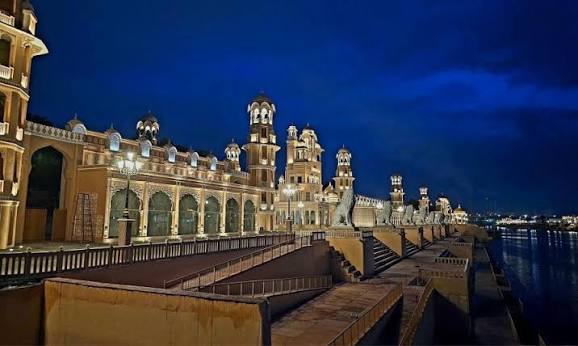
Kota – Where the Chambal Flows Through Royal Heritage & Modern India
Kota, set along the eastern bank of the Chambal River, brings together royal architecture, river landscapes, temples, traditional crafts and a modern educational identity. Known as “The Land of the Chambal,” the city is home to grand palaces, museums, gardens, heritage sites and striking viewpoints. From the historic Garh Palace and Jagmandir to the Chambal River Front and Kota Doria textiles, Kota offers a distinctive blend of heritage, culture and contemporary city life.
Travel Snapshot
| Category | Details |
|---|---|
| Destination | Kota, Rajasthan |
| Popular Identity | The Land of the Chambal |
| Region | Hadoti, southeastern Rajasthan |
| Major River | Chambal River |
| District Area | 5,217 sq. km. (2011 Census) |
| District Population | 1,951,014 (2011 Census) |
| District Literacy | 76.56% (2011 Census) |
| Sex Ratio | 911 females per 1,000 males (2011 Census) |
| Best Time to Visit | October to March |
| Famous For | Chambal River, Garh Palace, Kota Doria, Kota Stone, Kota paintings and Dussehra |
History
The history of Kota is closely connected with the Hadoti region and the former kingdom of Bundi. Rajasthan Tourism traces the region's history to the 12th century, when Rao Deva established the Hada Rajput presence in Hadoti. Kota later emerged as a separate Rajput state, carved out of Bundi in 1631.
Over the centuries, Kota experienced conflicts and political changes involving Rajput rulers, the Mughals, Marathas and other regional powers. The legacy of the former kingdom can still be seen in its palaces, temples, museums, gardens and historic neighbourhoods.
Geography
Kota lies in southeastern Rajasthan on the banks of the Chambal River. The city forms part of the Hadoti region and sits on a high tableland landscape associated with the Malwa Plateau, with the Mukundara hills extending through the broader region.
The Chambal is central to Kota's landscape. The river, surrounding ravines, dams, gardens and viewpoints create a greener and more varied environment than the stereotypical desert image often associated with Rajasthan.
Kota at a Glance – Key Numbers
- District area: 5,217 sq. km.
- Population: 1,951,014 as per Census 2011.
- Literacy rate: 76.56%.
- Sex ratio: 911 females per 1,000 males.
- Urban population: 1,176,604 in Census 2011.
- Rural population: 774,410 in Census 2011.
Culture and Traditions
Kota's culture reflects the traditions of Hadoti while retaining strong links with wider Rajasthani heritage. Folk traditions, religious celebrations, traditional clothing, miniature painting and local crafts continue to add character to the city.
Kota is particularly associated with Kota-style miniature paintings and Kota Doria textiles. The nearby town of Kaithoon is traditionally associated with the weaving of the lightweight Kota Doria fabric, which became popular for sarees, dupattas and other garments.
Architecture
Kota's architecture showcases a combination of Rajput palace design, temples, historic havelis and later urban development. The Garh Palace complex is one of the most important examples of the city's royal architectural heritage.
Historic structures around the old city, Jagmandir, museums, cenotaphs and temples provide a visual record of Kota's royal past, while modern landmarks such as the Chambal River Front reflect its contemporary development.
Famous Places
Garh Palace
The Garh Palace, also known as the City Palace, is one of Kota's most important heritage attractions. Built and expanded by different rulers over time, the large complex displays Rajput architectural elements and offers a glimpse into the royal history of Kota.
Rao Madho Singh Museum
Located inside the Garh Palace complex, the Rao Madho Singh Museum contains Rajput miniature paintings associated with the Kota school, along with sculptures, weapons, antiques and other historic objects.
Kishore Sagar Lake & Jagmandir
Kishore Sagar is a historic lake in the heart of Kota. The red sandstone Jagmandir, built between 1743 and 1745, stands in the middle of the lake and is one of the city's most recognisable landmarks.
Chambal River Front
The Chambal River Front stretches for about 2.75 km along both banks of the Chambal in Kota. Its themed ghats, architectural installations, fountains and landscaped areas have created a major modern attraction along the river.
Chambal Garden
Chambal Garden is a popular green space beside the river. Visitors can enjoy the gardens and river surroundings, with boat rides providing an opportunity to experience the Chambal landscape.
Seven Wonder Park
Located beside Kishore Sagar, Seven Wonder Park features replicas of the Seven Wonders of the World. It is a popular recreational attraction, particularly for families and visitors looking for an easy evening outing.
Abheda Mahal & Abheda Biological Park
About 8 km from Kota, Abheda Mahal was historically associated with the royal family's recreational activities. The nearby biological park adds a nature and wildlife component to the visit.
Garadia Mahadev
Garadia Mahadev is known for its dramatic panoramic view of the Chambal River, gorge and surrounding landscape. The temple and viewpoint are particularly attractive during the monsoon season.
Mukundara Hills Tiger Reserve
Located around 50 km from Kota, Mukundara Hills Tiger Reserve covers a forested landscape supporting wildlife such as tigers, leopards, deer, wild boar and a variety of birds.
Khade Ganesh Ji Temple
The Khade Ganesh Ji Temple is known for its distinctive standing idol of Lord Ganesha. It is an important religious attraction within Kota.
Gaiparnath Temple
Gaiparnath Temple sits in a dramatic gorge surrounded by rocky cliffs and greenery. A seasonal waterfall and the natural setting make the location particularly attractive during the monsoon.
Kansua Temple
The ancient Kansua Shiva Temple is associated with an inscription dating to 738 AD. The historic temple and its surroundings make it an interesting stop for visitors interested in early regional heritage.
Braj Vilas Government Museum
Housed in the historic Brij Vilas Palace near Kishore Sagar, the Government Museum contains archaeological artefacts, sculptures, manuscripts, coins, paintings and handicrafts.
Kaithoon
Kaithoon is closely associated with the traditional production of Kota Doria. A visit offers an opportunity to understand the textile tradition that has become one of Kota's best-known cultural products.
Famous Dishes
Kota Kachori
Kota Kachori is a popular local snack known for its crisp exterior and spicy filling. It is commonly enjoyed with chutneys and is a must-try for visitors exploring the city's food scene.
Dal Baati Churma
This classic Rajasthani combination of baked baati, dal and sweet churma is widely enjoyed across the region. It offers a traditional taste of Rajasthan's hearty cuisine.
Gatte Ki Sabzi
Gatte Ki Sabzi features gram-flour dumplings cooked in a spiced yoghurt-based gravy. It is commonly served with roti or rice.
Dal Kachori
Spiced lentil-filled kachoris are another popular snack choice in Kota. They work well as a quick breakfast or evening street-food option.
Bajra Roti
Bajra Roti is a traditional Rajasthani flatbread that pairs well with vegetables, dal and other local preparations.
Famous Personalities
Rao Madho Singh
Rao Madho Singh was an important ruler in Kota's early history. The Rao Madho Singh Museum inside the Garh Palace complex carries his name and preserves aspects of Kota's royal heritage.
Maharao Durjanshal Singh Hada
Maharao Durjanshal Singh Hada is associated with the historical development of Kota's Dussehra celebrations, which Rajasthan Tourism traces back to 1723.
Acharya Tulsi
Acharya Tulsi, an influential Jain religious leader and social reformer, is associated with the wider Hadoti and Rajasthan cultural landscape and is remembered for his contributions to Jain thought and social initiatives.
Festivals
Kota Dussehra
Kota Dussehra is the city's most prominent festival celebration. Rajasthan Tourism describes it as a major 15-day fair held around Dussehra, featuring Ramleela, cultural programmes, processions and the burning of large effigies of Ravana, Kumbhakarana and Meghnad.
Adventure Festival
The Kota Adventure Festival has been associated with the Chambal River and Kishore Sagar. Depending on the event schedule, activities have included adventure and water-based experiences such as kayaking, trekking and other outdoor activities.
Janmashtami
Janmashtami is celebrated with particular enthusiasm at temples such as Mathuradheesh Mandir, where Krishna-related traditions and devotional programmes form an important part of the celebrations.
Anant Chaturdashi
Anant Chaturdashi is another important festival observed in Kota, with religious activities and local celebrations adding to the city's festive calendar.
Things to Do
- Explore the historic Garh Palace and Rao Madho Singh Museum.
- Take an evening walk around Kishore Sagar Lake.
- Visit Jagmandir and enjoy the lake views.
- Explore the modern Chambal River Front.
- Enjoy a river experience or boat safari where operational and permitted.
- Visit Seven Wonder Park after sunset.
- Discover traditional weaving and Kota Doria in Kaithoon.
- Visit Garadia Mahadev for panoramic Chambal views.
- Explore Gaiparnath during the greener monsoon season.
- Attend the colourful Kota Dussehra celebrations if your trip coincides with the festival.
- Try Kota's famous kachoris and local Rajasthani cuisine.
- Take a heritage walk through parts of the old city such as Rampura, Bajajkhana and Patanpole.
Where to Eat, Shop, and Stay
Where to Eat
For local food, explore markets and established food areas around the old city and central Kota. Kachoris, Rajasthani thalis, sweets and street snacks are among the easiest ways to experience the city's food culture.
Where to Shop
- Kaithoon: Kota Doria textiles and sarees.
- Old City Markets: Traditional clothing, handicrafts, jewellery and local products.
- Kota Markets: Kota stone products and everyday Rajasthani goods.
Where to Stay
- Budget: Guesthouses, budget hotels and economical stays around major transport and market areas.
- Mid-range: Comfortable hotels around central Kota and major commercial areas.
- Luxury: Premium hotels offering larger rooms, restaurants and modern facilities.
What is Kota Famous For?
Kota is especially famous for its combination of Chambal River landscapes, royal heritage, Kota Doria textiles, Kota stone, miniature paintings, kachoris and Dussehra celebrations.
| Famous For | Why It Matters |
|---|---|
| Chambal River | The defining natural feature of the city |
| Garh Palace | Major symbol of Kota's royal heritage |
| Kota Doria | Traditional lightweight textile associated with Kaithoon |
| Kota Paintings | Distinctive Rajput miniature painting tradition |
| Kota Stone | Widely known natural stone from the region |
| Kota Dussehra | Large annual fair and cultural celebration |
| Kota Kachori | Popular local snack |
| Coaching & Education | Kota is widely recognised as a major competitive-exam education hub |
Best Time to Visit
The most comfortable period for exploring Kota is generally October to March, when temperatures are more suitable for sightseeing and outdoor activities.
- October–November: Good for heritage sightseeing and the Dussehra season.
- December–February: Pleasant for exploring palaces, temples, markets and riverfront attractions.
- July–September: The Chambal landscape and places such as Gaiparnath and Garadia Mahadev can become especially scenic during and after the monsoon.
- April–June: Summers can be very hot, so outdoor sightseeing is better planned for early morning or evening.
How to Reach
By Air
Kota has air connectivity options, while Jaipur International Airport is a major established airport option for travellers coming from many parts of India. Rajasthan Tourism lists Jaipur's airport at approximately 244 km from Kota.
By Train
Kota Junction is one of the major railway junctions on the Delhi–Mumbai railway route. Numerous trains connect Kota with major cities across India.
By Road
Kota is well connected by road with major cities in Rajasthan and neighbouring states. Regular buses and road transport services make it accessible from Jaipur, Bundi, Jhalawar, Baran, Chittorgarh and other nearby destinations.
Nearby Places
Bundi – 35 km
Bundi is a historic Hadoti destination known for its palace, fort, stepwells, murals and traditional blue-painted houses.
Chittorgarh – 178 km
Chittorgarh is home to the spectacular Chittorgarh Fort and offers an important journey into the history of Mewar.
Udaipur – 290 km
Udaipur is famous for its lakes, palaces and romantic landscape, making it a longer but rewarding extension to a Kota itinerary.
Jhalawar
Jhalawar offers a different side of southeastern Rajasthan with historic temples, palaces and greener landscapes.
Baran
Baran is another Hadoti destination where travellers can explore temples, rural landscapes and regional cultural attractions.
Best Duration for a Trip
2 days is a comfortable duration for experiencing Kota's major attractions.
| Duration | Suggested Experience |
|---|---|
| 1 Day | Garh Palace, museum, Kishore Sagar, Jagmandir and Seven Wonder Park |
| 2 Days | Add Chambal River Front, Chambal Garden, temples and local markets |
| 3 Days | Add Garadia Mahadev, Abheda, Gaiparnath or nearby destinations |
Travel Tips
- Plan outdoor sightseeing around morning and evening, particularly outside winter.
- Carry comfortable footwear for palace, temple and heritage-site visits.
- Keep a light layer during winter mornings and evenings.
- Dress respectfully when visiting temples and religious sites.
- Confirm operating hours and boating/safari availability before travelling to specific attractions.
- For Dussehra, book accommodation early because the city can become significantly busier during the festival.
- Try local kachoris and traditional Rajasthani food, but choose hygienic and busy food outlets.
- Buy authentic Kota Doria products from established sellers, particularly when purchasing handwoven textiles.
- For wildlife areas and river activities, follow forest-department and local operator guidelines.
- Use registered transport or reputable local services for day trips outside the city.
Why Visit Kota?
Kota is different from many Rajasthan destinations because its identity is shaped as much by the Chambal River and Hadoti landscape as by royal heritage. The city combines palaces, temples, museums and traditional crafts with modern public spaces, educational institutions and riverfront development.
For travellers, Kota offers a chance to experience a less desert-focused side of Rajasthan—one where historic architecture, river scenery, textiles, food, festivals and modern urban life come together.
Conclusion
Kota is a destination where Rajasthan's royal past meets the flowing landscape of the Chambal. From the grandeur of Garh Palace and the beauty of Jagmandir to Kota Doria, historic temples, riverfront attractions and the energy of Dussehra, the city offers a varied travel experience.
Whether you are interested in heritage, culture, food, nature, photography or a short Hadoti getaway, Kota provides a distinctive introduction to southeastern Rajasthan.
"Travel is the only thing you buy that makes you richer."