Banswara: The Green Heart of Rajasthan's City of a Hundred Islands
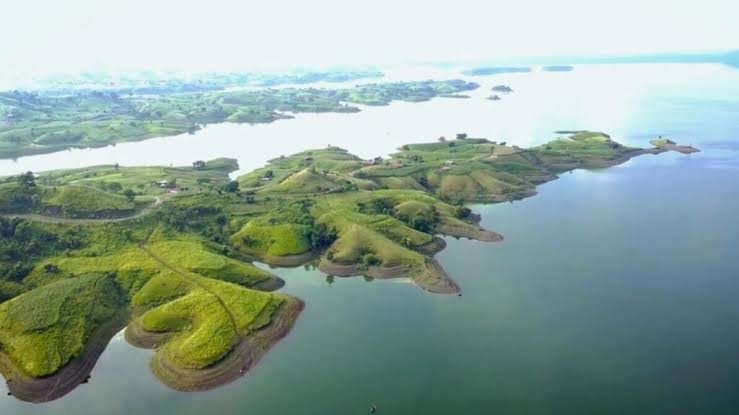
Located in southern Rajasthan, Banswara is a beautiful destination known for its river islands, green hills, lakes, waterfalls and vibrant tribal culture. Often called the City of a Hundred Islands, Banswara gets its distinctive character from the Mahi River and the many islands formed around its reservoir. Unlike the desert landscapes commonly associated with Rajasthan, this region features fertile plains, wooded hills and lush surroundings, particularly during the monsoon season. From the impressive Mahi Bajaj Sagar Dam and the sacred Tripura Sundari Temple to the ancient temple ruins of Arthuna and the historic Mangarh Dham, Banswara offers a rewarding combination of nature, history, spirituality and local traditions.
1. History of Banswara
Banswara has a rich history associated with the Bhil community and the former princely states of southern Rajasthan. Historical traditions offer different explanations for the city's name. One connects it with a Bhil ruler known as Bansia or Wasna, while another links it to the word bans, meaning bamboo, which once grew abundantly in the region.
According to Rajasthan Tourism, Jagmal Singh defeated Bansia and established himself as the first Maharawal of Banswara. The region later developed as a princely state ruled by Maharawals. Its location near present-day Gujarat and Madhya Pradesh also encouraged cultural exchanges with neighbouring regions.
The surrounding area contains important archaeological remains, particularly at Arthuna, where temple ruins reflect the religious and artistic traditions of earlier centuries. Banswara's history is also closely connected with the Bhil tribal community and the freedom movement associated with Govind Guru and Mangarh Hill.
2. Geography of Banswara
Banswara lies in the southernmost part of Rajasthan, within the broader landscape of the Aravalli region. Its geography includes fertile plains, low hills, forests, rivers and reservoirs. The Mahi River is one of the area's most important natural features, and the Mahi Bajaj Sagar project has created a large reservoir with numerous islands.
The district supports agriculture, with crops such as maize, wheat, rice, cotton and gram grown in different areas. Teak forests and trees such as mango, date palm and mahua form part of the local landscape. The region receives more rainfall than many western parts of Rajasthan, making the monsoon an especially attractive time to see its green hills and seasonal waterfalls.
Summers can be hot, while winters are generally more comfortable for sightseeing. During the rainy season, waterfalls and reservoirs become particularly appealing, although visitors should check weather conditions and local access before travelling to remote locations.
3. Culture and Traditions of Banswara
Banswara is known for its strong Bhil tribal heritage, which plays an important role in the region's identity. Traditional music, folk dances, community gatherings, colourful clothing and religious fairs reflect the cultural life of the area. The wider Vagad region, which includes Banswara and Dungarpur, has cultural links with Mewar, Malwa and Gujarat.
Local traditions are closely connected with agriculture, forests, rivers and religious beliefs. Tribal fairs bring communities together for worship, social gatherings and cultural activities. Visitors may also discover local crafts, traditional jewellery, textiles and regional food in markets and villages.
Respect for community customs is important when exploring rural areas. Ask permission before photographing individuals, ceremonies or private spaces, and follow local guidance at sacred sites and during festivals.
4. Architecture of Banswara
Banswara's architecture includes historic palaces, ancient Hindu and Jain temples, religious shrines and structures associated with its former princely state. Traditional Rajput design can be seen in the old City Palace, while the temple sites around Arthuna feature intricately carved stone pillars, sculptures and decorative architectural details.
The temples at Talwara and the ancient structures at Arthuna demonstrate the artistic traditions of earlier periods. Several religious sites are located on hills or within scenic natural settings, combining architecture with views of the surrounding landscape.
Unlike Rajasthan's desert cities, where sandstone forts and palaces often dominate the skyline, Banswara's built heritage is closely interwoven with its rivers, hills, lakes and forested surroundings.
5. Famous Places in Banswara
Mahi Bajaj Sagar Dam
Mahi Bajaj Sagar Dam is one of Banswara's most important attractions. Built across the Mahi River, the dam forms a large reservoir associated with the region's famous islands. The surrounding water and hills create scenic viewpoints, particularly after the monsoon. Visitors should follow current access rules and check whether boating or other activities are available during their visit.
Anand Sagar Lake
Anand Sagar Lake, also known as Bai Talab, is an artificial lake in the eastern part of Banswara. It was constructed by Lanchi Bai, the Rani of Maharawal Jagmal Singh. The lake is associated with sacred Kalpavriksha trees and the cenotaphs of former rulers, making it a peaceful place for visitors interested in both nature and heritage.
Tripura Sundari Temple
Tripura Sundari Temple, also known locally as Tartai Mata, is one of the region's most important religious destinations. The temple is dedicated to Goddess Tripura Sundari and houses a striking black-stone idol with 18 arms, each carrying a symbolic object. The goddess is depicted riding a tiger. The temple attracts devotees throughout the year and becomes particularly busy during major religious celebrations.
Arthuna Temple Complex
Located approximately 55 kilometres from Banswara, Arthuna is an important archaeological destination containing the remains of Hindu and Jain temples dating mainly to the 11th, 12th and 15th centuries. The surviving structures feature carved pillars, sculptures and decorative stonework that reflect the region's historic religious and artistic traditions.
Abdulla Pir Dargah
Abdulla Pir Dargah is a respected shrine dedicated to Abdul Rasul, popularly known as Abdullah Pir. Located in the southern part of Banswara city, the dargah attracts devotees, particularly from the Bohra Muslim community. Its annual Urs is an important religious gathering that reflects the region's diverse spiritual traditions.
Dialab Lake
Dialab Lake, also known as Diablab Lake, is a scenic water body associated with the former rulers of Banswara. A summer residence of the rulers stands on its banks, while lotus flowers cover a significant part of the lake during suitable seasons. It is a pleasant place for a quiet outing and landscape photography.
Kagdi Pickup Weir
Kagdi Pickup Weir is located around three kilometres from the main city on the Ratlam Road. Associated with the Mahi Bajaj Sagar project, the area features water bodies, gardens and fountains. It is a convenient spot for a short visit and offers views of the surrounding water landscape.
Raj Mandir (City Palace)
Raj Mandir, also known as the City Palace, is a historic structure dating to the 16th century. Situated on a hill overlooking the town, it reflects the traditional Rajput architectural style and the legacy of Banswara's former royal family. Check local access arrangements before planning an interior visit.
Talwara Temples
Talwara is known for a group of religious landmarks, including the Sun Temple, Laxmi Narayan Temple, Sambharnath Jain Temple, Amaliya Ganesh Temple, Maha Laxmi Temple and Dwarkadhish Temple. The area is also associated with Sompura stone-carving artisans, whose craftsmanship reflects the region's long tradition of temple construction and sculpture.
Andeshwar Parshwanath Jain Temple
Andeshwar Parshwanathji is an important Jain temple situated on a small hill in Kushalgarh tehsil. The site is known for its religious significance and rare stone inscriptions dating to the 10th century. Two Digambara Jain temples dedicated to Parshwanath are associated with the complex.
Ram Kund
Ram Kund, also known as Phati Khan, is a natural attraction surrounded by hills. The site features a deep cave beneath a hill and a pool of cold water that is traditionally said to remain cool throughout the year. Local legends associate the place with Lord Rama's period of exile. Visitors should take care around uneven surfaces and water.
Madareshwar Temple
Madareshwar Temple is a well-known Shiva temple built inside a natural cave on a hill on the eastern side of Banswara. The elevated location provides views of the surrounding landscape. The temple is an important religious destination, especially for devotees of Lord Shiva.
Mangarh Dham
Mangarh Dham is a deeply significant historical and spiritual site associated with Govind Guru and the Bhil tribal freedom movement. The hill is remembered for the sacrifice of tribal people who gathered under Govind Guru's leadership and resisted British rule. It is often referred to as the Jallianwala Bagh of Rajasthan because of the tragic massacre associated with the site. Visitors can learn about the region's tribal history and the struggle for freedom.
Chheench Brahma Temple
The village of Chheench is known for its historic temple dedicated to Lord Brahma. The temple dates to around the 12th century and houses a life-sized statue of the deity. It is a noteworthy religious and heritage stop for travellers exploring the wider Banswara region.
Jua Falls and Other Seasonal Waterfalls
Jua Falls is one of the natural attractions around Banswara that becomes especially appealing during the rainy season. Other waterfalls and scenic spots in the region include Kagdi Falls, Kadeliya Falls, Bhuadara Falls and Jhulla Falls. Water flow depends on rainfall, so visitors should check local conditions and avoid slippery rocks or dangerous water currents.
Chacha Kota
Chacha Kota is a scenic picnic destination associated with the backwaters of the Mahi reservoir. The landscape features water, hills and islands, with the surroundings becoming particularly attractive after the monsoon. Check local transport and activity availability before planning a visit.
6. Famous Dishes of Banswara
Makki and Bajra Roti
Flatbreads made from maize or pearl millet are common in southern Rajasthan and neighbouring tribal regions. They are often served with seasonal vegetables, lentils, chutneys or other local accompaniments. These foods reflect the importance of locally grown grains in everyday cooking.
Dal Baati Churma
Dal baati churma is one of Rajasthan's best-known traditional meals. It combines lentils, baked wheat baati and sweet churma. It is widely available at restaurants serving Rajasthani cuisine and offers visitors a familiar taste of the state.
Gatte Ki Sabzi
Gatte ki sabzi is prepared with gram-flour dumplings cooked in a spiced gravy, often made with yoghurt. Served with roti or rice, it is a popular choice for travellers looking to sample regional vegetarian food.
Ker Sangri
Ker sangri is a traditional Rajasthani dish made from desert berries and beans. Although more strongly associated with the drier parts of the state, it is available at restaurants serving regional cuisine and offers a distinctive combination of tangy and spicy flavours.
Tribal and Rural Food Traditions
Food traditions in the Banswara region reflect local agriculture and the ingredients available in nearby villages. Maize, pulses, seasonal vegetables and locally prepared breads feature in everyday meals. Recipes and ingredients vary between communities and households.
Poha and Local Snacks
Poha, kachori, samosa and other familiar Indian snacks can be found at local food stalls and small eateries. They are convenient options for breakfast or a quick meal while exploring the city.
Traditional Sweets
Sweet shops in Banswara sell a variety of Indian sweets, including preparations made for festivals and family celebrations. Visitors can ask local shopkeepers about seasonal specialities and regional favourites.
Rajasthani Thali
A traditional Rajasthani thali may include breads, lentils, vegetables, pickles, chutneys and sweets. It is a practical way to sample several flavours in one meal. Menus vary by restaurant, so look for establishments featuring regional dishes.
7. Famous Personalities Associated with Banswara
Jagmal Singh
Jagmal Singh is remembered as the ruler who defeated the Bhil chief Bansia or Wasna and established himself as the first Maharawal of Banswara, according to the historical account presented by Rajasthan Tourism. His rule marks an important chapter in the formation of the former princely state.
Bansia or Wasna
Bansia, also known as Wasna in regional accounts, is remembered as a Bhil ruler associated with the origins of Banswara. His name is one of the explanations traditionally offered for the city's name and reflects the region's deep historical connection with the Bhil community.
Govind Guru
Govind Guru was a spiritual and social leader who played an important role in mobilising tribal communities in southern Rajasthan and neighbouring regions. He encouraged social reform, community unity and resistance to exploitation. Mangarh Dham remains a significant memorial to the movement associated with his leadership.
Rawal Mallinath
Rawal Mallinath is remembered in the history and traditions of the wider Vagad region. The Mallinath Cattle Fair at Tilwara is associated with his name and reflects the continuing importance of rural traditions, livestock and community gatherings in Rajasthan.
Maharawal Jagmal Singh and the Royal Heritage
The former rulers of Banswara shaped the region's political and architectural history. Maharawal Jagmal Singh is also associated with the construction of Anand Sagar Lake by his queen, Lanchi Bai. The lake and the city's historic structures preserve aspects of the area's former royal heritage.
8. Festivals of Banswara
Ghotiaamba Fair
The Ghotiaamba Fair is an important traditional gathering associated with the Bhil tribal community. It is generally held around Chaitra Sudi Amavasya, often in March or April. Devotees gather near the temple and sacred tank, and the fair offers visitors an opportunity to experience regional religious practices and tribal culture. Confirm the current dates before travelling.
Mangarh Fair
The Mangarh Fair is held around Margashirsha Purnima and attracts tribal communities from Rajasthan, Madhya Pradesh and Gujarat. People gather at Mangarh Dham to pay tribute to Govind Guru and the tribal people associated with the historic movement. The event combines remembrance, devotion and community participation.
Bherav Ji Festival
The Bherav Ji Festival is traditionally held around Chaitra Purnima. It is part of the region's local religious calendar and brings devotees together for worship and community activities. Exact event arrangements can vary, so local announcements are useful when planning a visit.
Navratri
Navratri is observed with devotion at temples dedicated to the Goddess. Tripura Sundari Temple is an important religious destination during this period, attracting devotees for prayers and celebrations. The temple can be especially busy during major festival days.
Diwali
Diwali is celebrated with lamps, decorations, sweets and family gatherings. Markets become lively as residents shop for festive items and traditional foods. Visitors can enjoy the atmosphere while respecting local customs and celebrations.
Holi
Holi brings colour, music and community celebrations to Banswara and nearby villages. Local practices may vary between communities. Visitors should seek consent before applying colours or photographing people and should follow local guidance during celebrations.
Tribal Fairs and Community Gatherings
Throughout the year, Banswara and its surrounding areas host religious fairs and gatherings that reflect the traditions of the Bhil and other local communities. These events provide opportunities to experience regional music, worship, local commerce and community life. Dates are often linked to the traditional calendar.
9. Things to Do in Banswara
- Enjoy scenic views of the Mahi Bajaj Sagar Dam and its reservoir.
- Visit Anand Sagar Lake and see the sacred Kalpavriksha trees.
- Explore the historic temple ruins and stone carvings at Arthuna.
- Visit Tripura Sundari Temple to experience one of the region's major pilgrimage sites.
- Discover the history of Govind Guru and the tribal freedom movement at Mangarh Dham.
- Explore the old City Palace, Raj Mandir, subject to current access arrangements.
- Visit Talwara's temples and observe the region's stone-carving traditions.
- Discover the religious heritage of Andeshwar Parshwanathji and Chintamani-related Jain traditions in the wider region.
- Enjoy a peaceful outing at Dialab Lake or Kagdi Pickup Weir.
- Visit seasonal waterfalls such as Jua Falls after checking rainfall and safety conditions.
- Sample traditional Rajasthani food and local snacks at established eateries.
- Explore local markets for textiles, jewellery, handicrafts and regional products.
- Plan a trip around the Ghotiaamba or Mangarh Fair to experience local traditions.
10. Where to Eat, Shop, and Stay in Banswara
Where to Eat
Banswara has local restaurants, family-run eateries, snack stalls and hotels serving Rajasthani and North Indian food. Look for traditional breads, dal baati churma, gatte ki sabzi, seasonal vegetables and familiar snacks such as kachori and poha. Ask local residents for recommendations on regional dishes, and choose clean, well-maintained establishments.
Where to Shop
Local markets are suitable for exploring clothing, jewellery, everyday household goods, textiles and regional handicrafts. Visitors interested in tribal crafts can ask about locally made items and traditional techniques. For handmade products, speak with sellers about materials and craftsmanship, and ask permission before photographing artisans at work.
Where to Stay
Banswara offers budget accommodation, guesthouses and mid-range hotels. Staying in or near the main city area is convenient for markets, restaurants and local transport. Travellers planning visits to Arthuna, Mangarh Dham, Mahi Dam or more remote waterfalls should consider the driving distances and return transport when selecting accommodation.
Compare recent guest reviews, amenities, location and cancellation policies before booking. During major religious fairs, accommodation can become busier, so advance reservations are advisable.
11. What Is Banswara Famous For?
Banswara is best known as the City of a Hundred Islands, a name inspired by the islands formed around the Mahi River and its reservoir. The Mahi Bajaj Sagar Dam, Anand Sagar Lake, Dialab Lake and surrounding hills are among its most recognisable natural attractions.
The region is also famous for its Bhil tribal heritage, historic temples and religious landmarks. Arthuna's archaeological remains, Tripura Sundari Temple, Mangarh Dham and the Ghotiaamba Fair are important parts of its historical and cultural identity. Seasonal waterfalls and green landscapes make Banswara especially attractive to nature lovers during and after the monsoon.
12. Best Time to Visit Banswara
October to March is generally a comfortable period for exploring Banswara's temples, lakes, historic sites and local markets. The weather is usually more suitable for outdoor sightseeing than the hottest summer months.
- October to March: Good for temple visits, heritage sightseeing, lakeside outings and cultural excursions.
- April to June: Summer temperatures can be high. Plan outdoor activities early in the morning or later in the afternoon, and carry sufficient drinking water.
- July to September: The monsoon can bring greener hills, fuller reservoirs and seasonal waterfalls. Check rainfall, road conditions and water safety before visiting natural sites.
For waterfall photography and lush scenery, the monsoon and post-monsoon period can be rewarding, but heavy rain may affect access. Visitors interested in tribal fairs should confirm event dates with local authorities or official tourism sources.
13. How to Reach Banswara
By Train
Banswara does not have the same level of direct rail connectivity as Rajasthan's larger cities. Ratlam Junction in Madhya Pradesh is a commonly used railway connection, approximately 80 kilometres away according to Rajasthan Tourism. From Ratlam, travellers can continue by road using a bus, taxi or private vehicle. Check current train schedules and onward transport before booking.
By Road
Banswara is connected by road with Udaipur, Ratlam, Dungarpur and other towns in Rajasthan and neighbouring states. State-run and private buses, taxis and private vehicles can be used. Road travel times depend on the route, traffic and weather, particularly during the monsoon season.
By Air
Maharana Pratap Airport in Udaipur is a commonly used airport for reaching Banswara. The onward road journey is approximately 165–185 kilometres, depending on the route and reference point. Confirm current flight availability and arrange suitable ground transport before departure.
Local Transport
Auto-rickshaws, taxis and other local transport options may be available within the city. For attractions outside Banswara, such as Arthuna, Mangarh Dham, Tripura Sundari Temple and the Mahi reservoir, consider arranging transport in advance. Confirm return travel before visiting remote locations.
14. Nearby Places to Visit from Banswara
Arthuna
Arthuna is one of the most important heritage excursions from Banswara. Its ancient Hindu and Jain temple ruins feature intricate stone carvings and offer insight into the religious architecture of earlier centuries.
Mangarh Dham
Mangarh Dham is a major historical and spiritual site associated with Govind Guru and the tribal freedom movement. It is especially meaningful for visitors interested in the history and cultural identity of tribal communities in southern Rajasthan.
Beneshwar Dham
Beneshwar Dham, in the wider Vagad region near the confluence of the Mahi and Som rivers, is an important pilgrimage destination. It is associated with a revered Shiva temple and the annual Beneshwar Fair, which draws tribal communities from Rajasthan and neighbouring states. Check the route and current event dates before visiting.
Dungarpur
Dungarpur is another historic destination in southern Rajasthan, known for its palaces, temples and Gaib Sagar Lake. It can be combined with Banswara as part of a broader journey through the Vagad region.
Udaipur
Udaipur is famous for its lakes, palaces, gardens and historic old city. It is a useful transport gateway for Banswara and can be included in a longer Rajasthan itinerary.
Chittorgarh
Chittorgarh is known for its impressive hilltop fort and the history of the Mewar kingdom. Travellers interested in Rajput heritage can add it to a longer route through southern and central Rajasthan.
Ratlam
Ratlam, in Madhya Pradesh, is a useful railway connection for travellers heading to Banswara. The city is also known for its local food and markets and may serve as a practical stop during a road or rail journey.
15. Best Duration for a Trip to Banswara
Two to three days is a practical starting point for exploring Banswara and its surrounding attractions.
- 1 day: Explore selected city attractions such as Anand Sagar Lake, Kagdi Pickup Weir and Tripura Sundari Temple, depending on travel time.
- 2 days: Visit the main city attractions and add either Arthuna or Mangarh Dham.
- 3 days: Explore the city, visit multiple temples and heritage sites, and allow time for the Mahi reservoir or seasonal waterfalls.
Travellers attending the Ghotiaamba Fair, Mangarh Fair or another religious gathering should allow extra time for local transport, crowds and event activities.
16. Travel Tips for Banswara
- Carry drinking water, sunscreen, a hat and comfortable walking shoes.
- Check weather forecasts and road conditions before visiting waterfalls or reservoir viewpoints during the monsoon.
- Stay away from unsafe water edges, dam infrastructure and restricted areas.
- Confirm access arrangements for temples, palace sites and archaeological ruins before travelling.
- Dress respectfully at religious sites and follow local instructions about footwear and photography.
- Ask permission before photographing tribal communities, private homes or religious ceremonies.
- Arrange transport in advance for attractions outside the city, especially if you plan to return after sunset.
- Check the dates of the Ghotiaamba Fair, Mangarh Fair and other local events before booking accommodation.
- Carry some cash for small purchases and local transport, while keeping digital payment options available.
- Do not litter at lakes, waterfalls, temples or forested locations.
- Support local artisans by buying crafts responsibly and asking about the origin of handmade products.
17. Why Visit Banswara?
Banswara is an excellent destination for travellers who want to discover a greener and culturally distinctive side of Rajasthan. Its river islands, lakes, reservoirs, forested hills and seasonal waterfalls create a natural landscape unlike the state's more arid western regions.
The city also offers a meaningful introduction to Bhil tribal heritage, regional fairs and the historic temples of southern Rajasthan. From exploring Arthuna's carved stone ruins to learning about Govind Guru at Mangarh Dham, visitors can experience both the region's artistic achievements and its important historical stories. Banswara is especially rewarding for nature lovers, heritage enthusiasts, photographers and travellers seeking a quieter destination.
18. Conclusion
Banswara brings together the natural beauty, history and living traditions of southern Rajasthan. The Mahi Bajaj Sagar Dam and its island-dotted reservoir give the city its memorable identity, while Anand Sagar Lake, Tripura Sundari Temple, Arthuna and Mangarh Dham reveal its religious, archaeological and cultural importance. Seasonal waterfalls, green hills, tribal fairs and traditional food add further reasons to explore the region. For travellers looking beyond Rajasthan's famous desert cities and royal palaces, Banswara offers a refreshing journey through nature, heritage and community traditions.
"Travel is the only thing you buy that makes you richer."