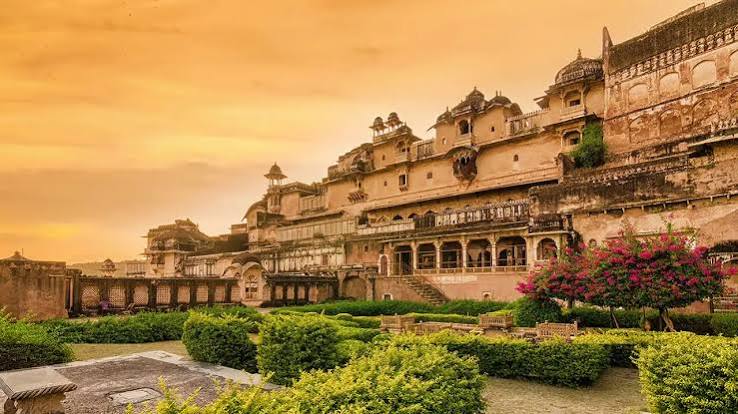
Jhalawar – Where Forts, Temples & Green Landscapes Meet
Jhalawar is a historic destination in southeastern Rajasthan known for its forts, temples, palaces, archaeological sites and surprisingly green landscape. Unlike the dry desert image commonly associated with Rajasthan, Jhalawar has fertile plains, rivers, forests, colourful orchards and a distinctive natural character.
The destination is especially known for Gagron Fort, Jhalawar Fort, Jhalrapatan's ancient temples, Buddhist caves, Chandrabhaga Fair and orange orchards. Its combination of history, architecture, religion and nature makes it an interesting destination for travellers exploring a different side of Rajasthan.
Quick Facts About Jhalawar
| Category | Details |
|---|---|
| State | Rajasthan |
| Region | Southeastern Rajasthan |
| Area | 6,219 sq km |
| Population | 14,11,129 (2011 Census) |
| District Headquarters | Jhalawar |
| Blocks | 8 |
| Main River System | Chambal River System |
| Important River | Kali Sindh |
| Famous Fort | Gagron Fort |
| Famous Festival | Chandrabhaga Fair |
| Known For | Forts, temples, Buddhist caves, orange orchards and green landscapes |
History of Jhalawar
The history of Jhalawar is closely connected with the Jhala Rajput rulers and the former Kota State.
Early Development
The modern development of Jhalawar began with Jhala Zalim Singh, the Dewan of Kota State. He developed the area around the existing Jhalrapatan region as a cantonment and township, then known as Chhaoni Umedpura.
Formation of Jhalawar State
In 1838, the British separated Jhalawar State from Kota State and placed it under Jhala Madan Singh, the grandson of Jhala Zalim Singh. This marked an important stage in the political history of the region.
Growth of the Town
Under its rulers, Jhalawar developed palaces, administrative buildings, temples and cultural institutions. The Garh Palace and Bhawani Natyashala are important reminders of this period.
Jhalawar Today
Today, Jhalawar combines its royal history with agriculture, traditional crafts, religious tourism and nature-based attractions. The district is also known for its orchards and agricultural production.
Geography of Jhalawar
Jhalawar lies in the southeastern part of Rajasthan, close to the Madhya Pradesh border. The district forms part of the transitional landscape between Rajasthan and the Malwa region.
- Located in southeastern Rajasthan.
- The district covers approximately 6,219 sq km.
- The landscape includes plateaus, valleys, forests and cultivated plains.
- The district belongs to the Chambal River system.
- The Kali Sindh River is one of the major rivers flowing through the region.
- Other important rivers and streams include Ahu, Parvan, Ujaad and Chavli.
- Jhalawar receives comparatively higher rainfall than many other parts of Rajasthan.
The combination of rivers, forests and agricultural land gives Jhalawar a greener appearance than many other Rajasthan destinations.
Culture and Traditions of Jhalawar
Jhalawar's culture reflects the broader traditions of Rajasthan while also showing influences from neighbouring Malwa and the historical communities of southeastern Rajasthan.
Rajasthani Traditions
Traditional music, folk performances, colourful festivals and local fairs remain an important part of cultural life.
Religious Traditions
Jhalawar has a large number of temples and religious sites, including Hindu and Jain temples. Pilgrimage and temple festivals contribute strongly to the region's cultural identity.
Fairs and Community Celebrations
Local fairs bring together religious rituals, traditional performances, livestock trading, handicrafts and community activities. The Chandrabhaga Fair is one of the most prominent examples.
Traditional Crafts
Local craft traditions include leatherwork, textile work, marble craft, metal bells and other handmade products.
Architecture of Jhalawar
Jhalawar's architecture represents several periods of Rajasthan's history, from ancient temples and Buddhist rock-cut caves to Rajput palaces and later cultural buildings.
- Rajput Architecture: Seen in forts, palaces and historic buildings.
- Temple Architecture: Particularly visible in Jhalrapatan.
- Rock-Cut Architecture: Represented by the Buddhist caves at Kolvi.
- Indo-European Influences: Visible in parts of the Garh Palace and Bhawani Natyashala.
- Jain Architecture: Seen at Chandkheri and Unhel.
Famous Places to Visit in Jhalawar
1. Gagron Fort
Gagron Fort is one of Jhalawar's most important heritage attractions. It is a distinctive hill-and-water fort, surrounded by the Ahu and Kali Sindh rivers on three sides. Gagron Fort is one of the six hill forts of Rajasthan included in the UNESCO World Heritage listing.
The fort combines natural defensive features with historic architecture and offers an impressive landscape around the river confluence.
2. Jhalawar Fort – Garh Palace
Garh Palace, also known as Jhalawar Fort, stands in the centre of Jhalawar. It was built by Maharaj Rana Madan Singh and his successors during the 19th century. The palace is known for its paintings and decorative interiors.
3. Jhalawar Government Museum
The Jhalawar Government Museum was established in 1915 and is among Rajasthan's older museums. Its collection includes sculptures, paintings, manuscripts, inscriptions and other historical objects.
4. Bhawani Natyashala
Bhawani Natyashala was constructed in 1921 by Maharaja Bhawani Singh. This unusual theatre building was designed for stage performances and is particularly known for its underground passage that was used to allow horses and chariots to appear during performances.
5. Chandrabhaga Temples
The Chandrabhaga Temple complex stands near the Chandrabhaga River at Jhalrapatan. The temples feature carved pillars, gateways and traditional religious architecture.
6. Sun Temple, Jhalrapatan
The Sun Temple, popularly associated with the Padmanabha temple tradition, is a major architectural attraction of Jhalrapatan. The 10th-century structure is known for its tall carved shikhara and detailed sculptural work.
7. Shantinath Jain Temple
The Shantinath Jain Temple is another important example of the region's religious architecture. The temple is dedicated to Jain Tirthankar Shantinath and dates back to the medieval period.
8. Dwarkadheesh Temple
The Dwarkadheesh Temple was built by Jhala Zalim Singh on the banks of Gomati Sagar Lake. The temple is dedicated to Lord Krishna and is an important religious attraction.
9. Chandkheri Adinath Jain Temple
The Chandkheri Adinath Jain Temple near Khanpur is an important Jain pilgrimage site. The temple is dedicated to Lord Adinath and is known for its large seated statue and traditional architecture.
10. Buddhist Caves and Stupas at Kolvi
The Kolvi Buddhist Caves are among Jhalawar's most distinctive archaeological attractions. The rock-cut complex includes caves, stupas and a large Buddha figure and provides evidence of an ancient Buddhist presence in the region.
11. Dalhanpur
Dalhanpur is situated near the Chhapi River and an irrigation dam. Its archaeological remains include carved pillars, torans and temple ruins surrounded by greenery.
12. Nageshwar Parshvanath Jain Temple, Unhel
Nageshwar Parshvanath Jain Temple at Unhel is an important Jain pilgrimage centre associated with an ancient image of Lord Parshvanath.
13. Saint Pipaji Panorama
The Saint Pipaji Panorama presents the historical and spiritual story of Rajarshi Pipaji, who is traditionally associated with Gagron.
14. Naulakha Fort
Naulakha Fort was constructed in the 19th century during the rule of Prithvi Singh. It represents a later phase of fort construction in Rajasthan.
Famous Dishes and Local Produce of Jhalawar
Jhalawar's cuisine reflects traditional Rajasthani food along with the agricultural character of the region.
| Food / Produce | Local Significance |
|---|---|
| Orange | Jhalawar is particularly known for its orange orchards and citrus production. |
| Mango | Grown in the agricultural areas of the district. |
| Guava | Another fruit associated with local agriculture. |
| Dal-based Rajasthani Food | Traditional meals commonly include dal, roti and seasonal vegetables. |
| Dal Baati Churma | A classic Rajasthani preparation enjoyed across the region. |
| Local Pickles & Chutneys | Often prepared using seasonal fruits, vegetables and local spices. |
Rajasthan Tourism particularly highlights Jhalawar's orange orchards and citrus production as an important feature of the region.
Famous Personalities Associated with Jhalawar
Jhala Zalim Singh
Jhala Zalim Singh was the Dewan of Kota State and played an important role in the development of the Jhalawar region. He developed the settlement that later became Jhalawar.
Jhala Madan Singh
Jhala Madan Singh became the ruler of the newly separated Jhalawar State in 1838 and was an important figure in its early political history.
Maharaja Bhawani Singh
Maharaja Bhawani Singh is associated with the cultural development of Jhalawar and commissioned the construction of Bhawani Natyashala in 1921.
Saint Pipaji
Saint Pipaji is traditionally associated with Gagron and is remembered as a Rajput ruler who later became a spiritual figure. His story is presented at the Saint Pipaji Panorama.
Festivals of Jhalawar
Chandrabhaga Fair
The Chandrabhaga Fair is one of Jhalawar's best-known festivals. It takes place at Jhalrapatan near the Chandrabhaga River during the month of Kartik, generally around October–November.
The fair combines religious activities with cultural events and a traditional livestock market. Visitors can experience rituals, processions, local traditions and cultural programmes.
Diwali
Diwali is celebrated throughout Jhalawar with traditional prayers, decorations, lights and family gatherings.
Holi
Holi brings colour, music and community celebrations to towns and villages across the district.
Navratri
Navratri is celebrated with religious observances and cultural activities at temples and local communities.
Mahashivratri
Temples across the district observe Mahashivratri with prayers and special religious ceremonies.
Things to Do in Jhalawar
- Explore the UNESCO-listed Gagron Fort.
- Visit Jhalawar Fort and Government Museum.
- Admire the architecture of Bhawani Natyashala.
- Explore the ancient temples of Jhalrapatan.
- Visit the Sun Temple.
- Explore the Chandrabhaga Temple complex.
- Visit the Kolvi Buddhist Caves.
- Discover Jain heritage at Chandkheri and Unhel.
- Explore historic ruins at Dalhanpur.
- Visit Dwarkadheesh Temple and Gomati Sagar.
- Experience the Chandrabhaga Fair if travelling during the festival period.
- Explore local markets and look for traditional handicrafts.
- Enjoy the region's agricultural landscape and seasonal citrus orchards.
Where to Eat, Shop, and Stay in Jhalawar
Where to Eat
Jhalawar city and nearby Jhalrapatan have restaurants and local eateries serving traditional Rajasthani meals, North Indian food, snacks and sweets.
Travellers can also try local seasonal produce, particularly oranges and other fruits associated with the district.
What to Shop For
- Traditional textiles
- Leather craft
- Metal bells
- Marble craft
- Handmade decorative items
- Local agricultural products
Rajasthan Foundation identifies leathercraft, marble craft, textile craft, metal bells and other handmade products among the craft potential of Jhalawar.
Where to Stay
Accommodation is available in Jhalawar city and surrounding areas, ranging from hotels and guesthouses to tourism properties.
The Rajasthan Tourism Development Corporation also lists Hotel Gavdi Talab in Jhalawar, located near Gavdi Pond.
What is Jhalawar Famous For?
Jhalawar is particularly famous for its combination of heritage, temples, archaeological sites and green natural surroundings.
- Gagron Fort
- Jhalawar Fort / Garh Palace
- Jhalawar Government Museum
- Bhawani Natyashala
- Jhalrapatan Sun Temple
- Chandrabhaga Temples
- Kolvi Buddhist Caves
- Jain temples
- Orange orchards
- Chandrabhaga Fair
Best Time to Visit Jhalawar
| Season | Months | Travel Experience |
|---|---|---|
| Winter | October – February | Comfortable for forts, temples and outdoor sightseeing. |
| Spring | March – April | Good for sightseeing, although temperatures gradually rise. |
| Summer | May – June | Hot afternoons can make outdoor sightseeing difficult. |
| Monsoon | July – September | Green landscapes and fuller water bodies, but rainfall can affect travel. |
October to February is generally a comfortable period for exploring Jhalawar's heritage and natural attractions. The Chandrabhaga Fair period around October–November is particularly relevant for travellers interested in local traditions and festivals.
How to Reach Jhalawar
By Air
The nearest major airport listed by Rajasthan Tourism is Devi Ahilya Bai Holkar Airport, Indore, approximately 240 km away. Jaipur Airport is another major option, roughly 345 km away according to Rajasthan Tourism's Jhalawar page.
By Train
Jhalawar is connected to the railway network, with rail services linking the area with Kota and other destinations. Ramganj Mandi is also an important nearby railway point for accessing the region.
By Road
Jhalawar has road connectivity with major cities of Rajasthan and neighbouring Madhya Pradesh. Rajasthan Tourism lists the city on National Highway 52 and notes bus connectivity with several cities.
| Transport | Important Information |
|---|---|
| Air | Indore Airport – approximately 240 km |
| Rail | Jhalawar / nearby Ramganj Mandi rail connections |
| Road | Connected by road with Kota, Jaipur, Madhya Pradesh and other regional destinations |
Nearby Places to Visit
| Place | Approx. Distance | Why Visit |
|---|---|---|
| Kota | About 88 km | Palaces, museums, Chambal River and urban attractions. |
| Bundi | About 121 km | Forts, palaces, stepwells and historic architecture. |
| Udaipur | About 307 km | Lakes, palaces and historic attractions. |
Distances are approximate and can vary depending on the exact starting point and route. Rajasthan Tourism lists Kota at approximately 88 km, Bundi at 121 km and Udaipur at 307 km from Jhalawar.
Best Duration for a Trip to Jhalawar
2–3 days is a practical duration for exploring Jhalawar's major heritage, religious and archaeological attractions.
Suggested 2-Day Itinerary
- Day 1: Jhalawar Fort, Government Museum, Bhawani Natyashala, Jhalrapatan Sun Temple and Chandrabhaga temples.
- Day 2: Gagron Fort, Saint Pipaji Panorama and nearby attractions.
Suggested 3-Day Itinerary
- Day 1: Explore Jhalawar Fort, Government Museum and Bhawani Natyashala.
- Day 2: Visit Jhalrapatan, Sun Temple, Chandrabhaga temples and Shantinath Jain Temple.
- Day 3: Explore Gagron Fort, Kolvi Buddhist Caves or other nearby heritage sites.
Travel Tips for Jhalawar
- Plan outdoor sightseeing during the morning or late afternoon.
- Carry drinking water, especially during warmer months.
- Wear comfortable footwear for forts, temples and archaeological sites.
- Carry sun protection when exploring open heritage sites.
- Check monument timings before visiting.
- Respect photography rules at museums and religious sites.
- Dress appropriately when visiting temples and religious places.
- Keep additional travel time for attractions outside Jhalawar city.
- Winter is generally more comfortable for extensive sightseeing.
- If visiting during the Chandrabhaga Fair, expect larger crowds around Jhalrapatan.
- Try local seasonal produce, especially oranges when available.
Why Visit Jhalawar?
Jhalawar offers a different side of Rajasthan, combining royal heritage with rivers, forests, temples, archaeological sites and agricultural landscapes.
- To see the unique Gagron Fort.
- To explore historic Rajput architecture.
- To discover ancient temples at Jhalrapatan.
- To visit the unusual Kolvi Buddhist Caves.
- To experience Jain religious heritage.
- To explore traditional fairs such as the Chandrabhaga Fair.
- To enjoy the greener landscape of southeastern Rajasthan.
- To experience the region's traditional crafts and local culture.
- To discover Jhalawar's famous citrus-growing landscape.
Conclusion
Jhalawar is a fascinating destination for travellers who want to explore a less commonly discussed side of Rajasthan. Its historic forts, ancient temples, Buddhist caves, Jain heritage, cultural festivals and greener surroundings give the region a distinct character.
From the UNESCO-listed Gagron Fort and the historic Garh Palace to the temples of Jhalrapatan and the rock-cut caves of Kolvi, Jhalawar brings together centuries of history, architecture and culture in one destination.
For travellers interested in heritage, spirituality, archaeology, nature and traditional Rajasthan, Jhalawar offers a well-rounded cultural travel experience.
"Travel is the only thing you buy that makes you richer."