Barmer: Discover the Desert Soul of Rajasthan
Located in western Rajasthan, Barmer is a captivating destination where desert landscapes, ancient temples, traditional crafts and folk culture come together. Part of the Thar Desert region, the city offers a different experience from Rajasthan's better-known palace destinations. Its history is reflected in the remains of old forts, the remarkable stone carvings of the Kiradu Temples and the religious landmarks scattered across the surrounding countryside. Barmer is also celebrated for its colourful embroidery, carved wooden furniture, traditional textiles and vibrant folk traditions. Whether you enjoy exploring heritage sites, discovering rural culture, shopping for handmade crafts or watching the sun set over sandy landscapes, Barmer offers an authentic introduction to western Rajasthan.
1. History of Barmer
The history of Barmer is closely connected with the development of settlements and kingdoms in the western Thar Desert. According to Rajasthan Tourism, the region was known as Mallani during the 12th century. Its name is traditionally associated with Bahada Rao, popularly known as Bar Rao, who established an earlier settlement at Juna, approximately 25 kilometres from the present city.
Later, Rawat Bhima established the present city of Barmer in 1552 and shifted the capital from Juna. He built a fort on a hill overlooking the settlement, creating a defensive centre for the developing town. Barmer subsequently remained associated with the former princely state of Marwar and the rulers of Jodhpur. Today, its historic temples, forts and traditional crafts preserve important aspects of its regional heritage.
2. Geography of Barmer
Barmer lies in western Rajasthan, within the arid landscape of the Thar Desert. The surroundings include sandy plains, rocky hills, scrub vegetation and scattered rural settlements. The district shares an international border with Pakistan, and its desert environment has influenced local architecture, clothing, livelihoods and cultural traditions.
The climate is generally dry, with very hot summers and cooler winters. Rainfall is limited and varies from year to year. The Luni River is an important geographical feature of the wider region. Visitors should prepare for strong sunlight, dry conditions and considerable temperature differences between day and night, especially when exploring areas outside the city.
3. Culture and Traditions of Barmer
Barmer's culture reflects the traditions of western Rajasthan, including folk music, dance, colourful clothing, handicrafts and community festivals. The region is known for its musical traditions, with Manganiar and other local performers preserving songs passed down through generations. Traditional performances often feature instruments such as the kamaicha, dholak and khartal.
Handmade crafts are an important part of local identity. Embroidery, appliqué work, block-printed textiles, Ajrak prints, pottery and carved wooden furniture demonstrate the skill of regional artisans. Traditional dress often features bright colours and intricate patterns, creating a striking contrast with the muted shades of the desert landscape.
4. Architecture of Barmer
Barmer's architecture reflects its desert environment, religious traditions and historic connections with the Rajput kingdoms of western Rajasthan. The region features hilltop forts, stone temples, carved pillars, decorated doorways and traditional buildings adapted to local weather conditions.
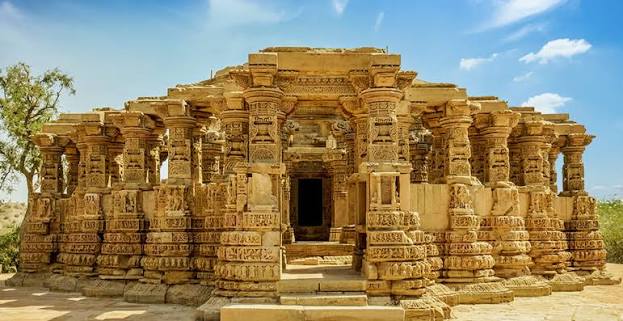
The Kiradu Temples are particularly notable for their elaborate stone sculptures and Solanki-style architectural features. Barmer Fort and Garh Temple combine defensive heritage with religious significance, while Juna preserves the remains of an earlier settlement. Local craftsmanship also appears in carved wooden furniture, decorative panels and traditional homes.
5. Famous Places in Barmer
Kiradu Temples
Located approximately 35 kilometres from Barmer, the Kiradu Temples are among the region's most remarkable architectural attractions. The complex contains five historic temples known for their detailed stone carvings and Solanki-style architecture. The Someshvara Temple is especially noteworthy. Dedicated mainly to Hindu deities, the ruins offer a glimpse into the artistic and religious traditions of medieval Rajasthan.
Barmer Fort and Garh Temple
Barmer Fort, also known as Barmer Garh, was established by Rawat Bhima in 1552. The fort occupies a hill overlooking the city and reflects the settlement's historic defensive importance. The hill is also associated with the Jogmaya Devi temple at its summit and the Nagnechi Mata temple on its slopes. Visitors should take care on steep sections and check local access conditions before climbing.
Juna Fort and Temple
Juna represents the earlier settlement associated with the origins of Barmer. Located around 25 kilometres from the present city, it contains remains of an old fort and historic religious structures. The surrounding hills and remnants of earlier architecture make it an interesting excursion for travellers who want to explore the region's past beyond the main town.
Shri Nakoda Jain Temple
Shri Nakoda Jain Temple is an important pilgrimage destination in the Barmer region. The temple is dedicated to Jain worship and attracts devotees from different parts of India. Its religious significance and continued traditions make it a meaningful stop for travellers interested in spiritual heritage. Visitors should observe temple customs and follow local instructions regarding photography and entry.
Chintamani Parasnath Jain Temple
Situated on a hillock in Barmer city, Chintamani Parasnath Jain Temple is known for its ornamental paintings, intricate sculptures and decorative interior work. Its heritage makes it an interesting destination for visitors who appreciate traditional craftsmanship and religious architecture.
Devka Sun Temple
The historic Sun Temple at Devka, situated along the Barmer–Jaisalmer road, dates to approximately the 12th or 13th century. Its architectural remains and stone sculptures reveal the craftsmanship of the period. The village also contains the ruins of other temples, making it a worthwhile stop for travellers exploring the region's ancient heritage.
Vishnu Temple at Khed
The Vishnu Temple at Khed is a notable religious and architectural site in the wider Barmer region. Although parts of the structure have deteriorated over time, the remaining architecture retains historical interest. The surrounding area is also associated with local markets and religious visits.
Rani Bhatiyani Temple, Jasol
Located at Jasol, Rani Bhatiyani Temple is an important religious destination, especially among devotees from the Manganiar community. Rani Bhatiyani is also known as Majisa, or mother, and is honoured through devotional songs and regional traditions. The temple offers insight into the distinctive faith and cultural practices of western Rajasthan.
Mahabar Sand Dunes
The Mahabar Sand Dunes offer an opportunity to experience the desert scenery around Barmer. Less widely known than some of Rajasthan's more commercialised dune destinations, the area is appreciated for its open landscapes and sunrise or sunset views. Visit with suitable transport, carry water and avoid venturing into isolated areas without planning.
Safed Akhara
Safed Akhara, also known as Sideshwara Mahadev Temple, is a temple complex with gardens and shrines dedicated to deities including Lord Shiva, Krishna and Radha, and Lord Hanuman. The peaceful surroundings provide a break from the busy city, although facilities and access arrangements should be confirmed locally.
6. Famous Dishes of Barmer
Bajra Roti
Bajra roti, made from pearl millet flour, is a traditional food of Rajasthan's dry regions. It is commonly served with vegetables, chutney, garlic preparations or ghee. Its use reflects the importance of hardy crops suited to the region's climate.
Ker Sangri
Ker sangri is a traditional Rajasthani preparation made from desert berries and beans. Cooked with spices and oil, it has a distinctive tangy flavour and is often served as a side dish with roti or a regional meal.
Dal Baati Churma
Dal baati churma is one of Rajasthan's most recognised traditional meals. It combines lentils, baked wheat baati and sweet churma. The dish is filling and offers visitors a familiar introduction to the state's culinary heritage.
Gatte Ki Sabzi
Gatte ki sabzi consists of gram-flour dumplings cooked in a spiced gravy, often made with yoghurt. Served with roti or rice, it is a popular choice at restaurants offering Rajasthani food.
Raab
Raab is a traditional regional preparation made in different ways using ingredients such as millet flour and buttermilk. Recipes vary across communities and households, but the dish reflects the resourceful food traditions of Rajasthan's dry landscape.
Kachori and Mirchi Vada
Kachori and mirchi vada are popular savoury snacks found at local food stalls and shops. These crisp, spiced treats are often enjoyed during breakfast or in the evening with chutney and tea.
Ghewar and Traditional Sweets
Ghewar and other Rajasthani sweets are commonly enjoyed during festivals and family celebrations. Local sweet shops may offer a range of traditional preparations, giving visitors an opportunity to sample regional flavours.
Traditional Rajasthani Thali
A traditional Rajasthani thali may include seasonal vegetables, lentils, breads, pickles, chutneys and sweets. It is a convenient way to experience several flavours in one meal. Ingredients and recipes vary by restaurant and season.
7. Famous Personalities Associated with Barmer
Bahada Rao (Bar Rao)
Bahada Rao, popularly known as Bar Rao, is traditionally associated with the early settlement from which Barmer takes its name. His connection with Juna forms an important part of the region's local historical narrative.
Rawat Luka
Rawat Luka, a descendant of Rawal Mallinath, is associated with the establishment of the ruling lineage at Juna. According to regional accounts, he and his brother Rawal Mandalak defeated the Parmars of Juna and established their authority in the area.
Rawat Bhima
Rawat Bhima is a key figure in Barmer's history. He established the present city in 1552 and shifted the capital from Juna. The fort associated with his rule remains one of the city's most recognisable heritage landmarks.
Rawal Mallinath
Rawal Mallinath is remembered in the traditions of the wider Mallani region. His name is closely associated with the Mallinath Cattle Fair held at Tilwara, which brings together livestock traders, rural communities and visitors.
Rani Bhatiyani
Rani Bhatiyani is a revered religious figure associated with the temple at Jasol. Known by devotees as Majisa, she is an important part of local devotional traditions and is honoured through worship and folk songs.
8. Festivals of Barmer
Mallinath Cattle Fair
The Mallinath Cattle Fair is one of Barmer's best-known regional events. It takes place at Tilwara and is associated with the memory of Rawal Mallinath. The fair brings together livestock traders, farmers, rural communities and visitors, creating a lively setting for animal trading, local commerce and cultural interaction. The event is generally held around March or April, but travellers should confirm the current year's dates.
Navratri
Navratri is celebrated with devotion at temples across the region. In Barmer, the hilltop religious sites associated with Barmer Fort, including the Jogmaya Devi and Nagnechi Mata temples, are important places of worship. Visitors may encounter increased crowds during festival periods.
Gangaur
Gangaur is a traditional Rajasthani festival dedicated to Gauri, a form of Goddess Parvati. Celebrations often include prayers, colourful clothing, folk songs and community gatherings. Local customs and activities can differ between towns and villages.
Teej
Teej celebrates the monsoon season and is associated with traditional songs, festive clothing and social gatherings. It is observed in many parts of Rajasthan and offers visitors a glimpse into the region's living cultural traditions.
Diwali
Diwali brings homes, shops and markets to life with lamps, decorations, sweets and family celebrations. It is a good time to experience the festive atmosphere and explore local markets, although accommodation and transport may be busier.
Holi
Holi is celebrated with colours, music, sweets and gatherings among family and friends. Visitors who wish to participate should follow local customs, seek consent before applying colours and respect people's personal space.
Religious Fairs and Local Celebrations
Temples and pilgrimage centres across the Barmer region host religious gatherings and fairs throughout the year. These events reflect the area's diverse spiritual traditions. Dates can vary according to the religious calendar, so local announcements are useful when planning a visit.
9. Things to Do in Barmer
- Explore the carved stone architecture of the Kiradu Temples.
- Visit Barmer Fort and the associated Garh Temple complex.
- Discover the historic ruins of Juna Fort and its surrounding landscape.
- Visit Shri Nakoda Jain Temple or Chintamani Parasnath Jain Temple to learn about regional Jain heritage.
- Admire the historic sculptures and ruins at Devka Sun Temple.
- Experience the peaceful surroundings of Mahabar Sand Dunes during suitable weather.
- Explore local markets for Ajrak prints, embroidered textiles, pottery and carved wooden products.
- Listen to regional folk music or look for organised cultural performances.
- Sample traditional Rajasthani dishes such as bajra roti, ker sangri and dal baati churma.
- Plan a visit to Tilwara during the Mallinath Cattle Fair if dates suit your itinerary.
- Explore nearby rural settlements to learn about local craft traditions, with respect for community customs and private property.
10. Where to Eat, Shop, and Stay in Barmer
Where to Eat
Barmer has local restaurants, small eateries, snack shops and family-run establishments serving Rajasthani and North Indian food. Look for traditional preparations such as bajra roti, ker sangri, gatte ki sabzi, dal baati churma and seasonal sweets. Choose clean, well-maintained places and check recent local recommendations for opening hours and specialities.
Where to Shop
Barmer is particularly interesting for visitors who appreciate traditional crafts. Local shops and craft outlets may offer embroidered textiles, Ajrak and other printed fabrics, pottery, rugs, carpets, traditional clothing and carved wooden furniture. Handmade products can vary in design and finish, so ask sellers about the craft technique and whether an item is genuinely made locally.
Where to Stay
Accommodation in Barmer includes budget hotels, guesthouses and mid-range properties. Staying in or near the main city area is convenient for local transport, markets and restaurants. Travellers planning visits to Kiradu, Nakoda, Jasol or the sand dunes should consider travel distances when choosing a hotel. Compare recent reviews, transport access and cancellation policies before booking.
11. What Is Barmer Famous For?
Barmer is famous for its desert landscapes, historic temples, traditional handicrafts and colourful folk culture. The Kiradu Temples are known for their elaborate stone sculptures, while Barmer Fort and Garh Temple represent the city's historic and religious heritage.
The region is also recognised for wood carving, embroidery, Ajrak printing, pottery, rugs and traditional textiles. The annual Mallinath Cattle Fair at Tilwara is another important attraction, reflecting the connection between rural communities, livestock and desert life. Barmer's food traditions and folk music add further depth to the visitor experience.
12. Best Time to Visit Barmer
October to March is generally the most comfortable period for visiting Barmer. Cooler weather makes it easier to explore temples, forts, markets and desert landscapes. Winter is also suitable for outdoor photography and excursions to nearby villages.
- October to March: Generally best for heritage sightseeing, craft shopping, cultural experiences and desert outings.
- April to June: Summer temperatures can become extremely high. Plan outdoor activities early in the morning or later in the afternoon, carry water and avoid prolonged exposure to the sun.
- July to September: Monsoon rainfall is variable. The landscape may become greener after rain, but check road and weather conditions before travelling to remote sites.
If you want to attend the Mallinath Cattle Fair, check the dates announced for the relevant year. The event is generally associated with March or April, but its exact schedule can vary.
13. How to Reach Barmer
By Train
Barmer Railway Station connects the city with other destinations through rail services, including routes linking the region with Jodhpur and other major cities. Train availability and journey times depend on the route and timetable, so confirm current services before booking.
By Road
Barmer is connected by road with Jodhpur, Jaisalmer, Jalore and other towns in Rajasthan. State-run buses, private buses, taxis and personal vehicles can be used, depending on your starting point. For longer journeys, check the route, travel time and availability of rest stops in advance.
By Air
Barmer has limited access to commercial air travel. Jodhpur Airport is a commonly considered airport for visitors travelling to Barmer, followed by an onward road journey. Rajasthan Tourism lists Jodhpur at approximately 220 kilometres from Barmer, though the actual distance and travel time depend on the route. Verify current flight services and ground transport before booking.
Local Transport
Auto-rickshaws, taxis and other local transport options may be available for travel within Barmer. For Kiradu Temples, Mahabar Sand Dunes and other attractions outside the city, arranging a private vehicle or confirming transport in advance is advisable.
14. Nearby Places to Visit from Barmer
Juna
Juna is the earlier settlement associated with Barmer's origins. Its fort remains, temple heritage and surrounding hills make it a worthwhile excursion for travellers interested in local history.
Kiradu
Kiradu is a major heritage destination known for its remarkable temple complex and stone sculptures. It is one of the most rewarding day trips from Barmer for visitors interested in medieval architecture.
Jasol
Jasol is known for Rani Bhatiyani Temple and its religious traditions. It offers an opportunity to learn about the devotional culture of the region and can be combined with other temple visits when transport permits.
Nakoda
Nakoda is an important Jain pilgrimage destination. The temple attracts devotees throughout the year and is a significant stop for travellers exploring the spiritual heritage of western Rajasthan.
Jalore
Jalore is known for its historic fort and religious attractions. It can be included in a wider western Rajasthan road trip, with journey time planned according to the route and traffic.
Jaisalmer
Jaisalmer is famous for its golden sandstone fort, historic havelis and desert experiences. It is a natural addition to a longer itinerary through western Rajasthan, although travellers should allow sufficient time for the road journey.
Jodhpur
Jodhpur offers major heritage attractions, including Mehrangarh Fort, traditional markets and the blue-painted old city. It is also a useful transport gateway for visitors travelling to Barmer.
15. Best Duration for a Trip to Barmer
Two to three days is a practical duration for exploring Barmer and selected nearby attractions.
- 1 day: Visit Barmer Fort and Garh Temple, explore local markets and experience the city's food and handicrafts.
- 2 days: Explore the main city attractions and add the Kiradu Temples or Juna Fort, depending on transport and opening conditions.
- 3 days: Include further excursions to Nakoda, Jasol, Devka or Mahabar Sand Dunes, choosing destinations according to your interests and available travel time.
If you plan to attend the Mallinath Cattle Fair or visit several religious sites across the region, consider allowing extra time for travel, crowds and local events.
16. Travel Tips for Barmer
- Carry drinking water, sunscreen, sunglasses and a hat when exploring the desert landscape.
- Wear comfortable shoes for temple visits, uneven stone surfaces and fort climbs.
- Check local access conditions before visiting remote ruins, dunes or hilltop religious sites.
- Dress respectfully at temples and follow instructions regarding footwear, photography and religious customs.
- Arrange transport in advance for attractions outside the main city.
- Purchase handicrafts from reputable sellers and ask about materials and production methods if authenticity matters to you.
- Respect local artisans and communities when photographing workshops, homes or cultural activities.
- Plan outdoor sightseeing around cooler hours during summer.
- Check the current Mallinath Cattle Fair dates before arranging accommodation around the event.
- Do not litter in the desert, disturb wildlife or enter restricted areas.
- Keep some flexibility in your itinerary because remote-site facilities and transport options may be limited.
17. Why Visit Barmer?
Barmer is an appealing destination for travellers who want to discover a less familiar side of Rajasthan. Its ancient temples, historic forts and rural landscapes reveal the region's rich past, while traditional music, embroidery, Ajrak printing and wood carving offer a closer look at its living culture.
The city is particularly rewarding for heritage enthusiasts, photographers, craft lovers and travellers interested in desert life. Whether you spend your time exploring carved stone temples, shopping for handmade textiles, tasting Rajasthani cuisine or visiting the Mahabar Sand Dunes, Barmer offers experiences that feel closely connected to the traditions of western Rajasthan.
18. Conclusion
Barmer is a destination where Rajasthan's desert landscape meets a rich tradition of craftsmanship, faith and history. From the remarkable Kiradu Temples and Barmer Fort to the old settlement of Juna, its attractions reveal the stories of the region's historic communities. The city's colourful handicrafts, folk music, traditional food and annual Mallinath Cattle Fair provide further reasons to explore beyond the main monuments. For travellers seeking a quieter and culturally rich desert experience, Barmer is a worthwhile addition to a western Rajasthan itinerary.
"Travel is the only thing you buy that makes you richer."