Tonk – Where Nawabi Heritage Meets Rajasthani Charm
Tonk is one of Rajasthan's most distinctive heritage cities, known for its Nawabi history, elegant mosques, historic havelis, stepwells and remarkable collection of Arabic and Persian manuscripts. Located not far from Jaipur, the city offers a fascinating contrast to Rajasthan's better-known royal destinations.
Once the capital of the princely state of Tonk, the city developed a distinctive cultural identity shaped by Afghan Pathan rulers, Rajput traditions, Mughal influences and local Rajasthani culture. Its architecture reflects this unusual combination, with ornate mosques, mansions, gateways and historic structures standing alongside traditional Rajasthani buildings.
The city's most famous landmark is Sunehri Kothi, also known as the Golden Mansion, whose richly decorated interiors feature glass, floral designs and meenakari work. Other important attractions include the Jama Masjid, Arabic and Persian Research Institute, Clock Tower, Hathi Bhata and Hadi Rani Baori.
Beyond its architecture, Tonk is also known for its literary heritage, traditional food, religious sites, fairs and the warm cultural character of its people. For travellers looking for an offbeat destination filled with history and cultural diversity, Tonk offers a rewarding experience.
History
Tonk has a long and layered history that stretches from ancient settlements and regional kingdoms to the Nawabi period and British India.
The wider region has connections with the ancient Bairath culture and civilisation. Over different periods, parts of the region came under the influence of the Mauryas, Malavas, Harshavardhana and several Rajput dynasties including the Chahamanas, Solankis, Kachwahas, Sisodias and Chauhans.
The town's later history became closely associated with the rise of Nawab Amir Khan, an Afghan Pathan military leader. Amir Khan established his control over Tonk in the early 19th century and eventually became the founder of the princely state of Tonk.
Following the settlement between Amir Khan and the British East India Company in 1817, his territories were recognised under British protection. Tonk continued as a princely state ruled by the Nawabs until the integration of princely states into Rajasthan after Indian independence.
The state of Tonk was merged into Rajasthan in 1948. The city subsequently developed as the administrative and cultural centre of Tonk district.
The Nawabi period left a lasting impression on the city. The rulers encouraged literature, architecture and the preservation of Arabic and Persian manuscripts. This literary tradition helped Tonk earn descriptions such as "Rajasthan ka Lucknow" and "Adab ka Gulshan".
Tonk is also associated with the renowned romantic poet Akhtar Sheerani, whose literary connection with the city contributes to its reputation as a centre of Urdu literary culture.
Geography
Tonk is located in the eastern part of Rajasthan and lies approximately 100 kilometres from Jaipur. The city is situated in a region where the landscapes of eastern Rajasthan transition between dry plains, agricultural land, low hills and river valleys.
The district is bordered by Jaipur to the north, Sawai Madhopur to the east, Bundi and Bhilwara to the south, and Ajmer to the west.
The Banas River is one of the most important geographical features of the region. The river and its tributaries support agriculture and contribute to the landscape around Tonk and nearby destinations.
The region has a predominantly semi-arid climate, with hot summers, a monsoon season and relatively cool winters. The surrounding countryside includes agricultural fields, rocky terrain, seasonal water bodies and low hill ranges.
| Geographical Feature | Details |
|---|---|
| State | Rajasthan |
| Region | Eastern Rajasthan |
| Approx. Distance from Jaipur | About 100 km |
| Major River | Banas River |
| Landscape | Plains, agricultural land, low hills and river valleys |
| Climate | Semi-arid with hot summers and comparatively cool winters |
Culture and Traditions
Tonk has a distinctive cultural identity created through centuries of interaction between Rajasthani, Rajput, Islamic and Afghan traditions. This cultural diversity can be seen in its architecture, language, literature, food, festivals and everyday life.
The city has traditionally been associated with Urdu and Persian literary culture. The Nawabs of Tonk supported scholars and maintained important collections of Arabic and Persian manuscripts.
Hindi, Rajasthani dialects and Urdu are commonly associated with the cultural landscape of the region. Traditional hospitality, local markets, religious gatherings and community festivals continue to shape life in Tonk.
Traditional Rajasthani clothing remains visible during festivals and special occasions. Women may wear colourful ghagras and odhnis, while men traditionally wear turbans, kurtas and dhotis.
Music, poetry and literary gatherings also form an important part of Tonk's cultural heritage. The city's connection with Urdu poetry, particularly through Akhtar Sheerani, gives it a literary identity that distinguishes it from many other Rajasthan destinations.
Architecture
Tonk's architecture is one of its strongest attractions. Unlike cities dominated by Rajput forts and palaces, Tonk presents a fascinating combination of Nawabi, Mughal, Islamic, Rajput and colonial influences.
The city's historic structures include grand mosques, old mansions, havelis, gateways, stepwells, clock towers and religious buildings.
Sunehri Kothi is the finest example of Tonk's ornate Nawabi architecture. While its exterior is relatively restrained, the interiors feature elaborate golden decoration, glasswork, floral designs and meenakari.
Jama Masjid is another important architectural landmark. Its imposing minarets, decorated interiors and large prayer space make it one of the city's most recognisable monuments.
The historic Hadi Rani Baori demonstrates Rajasthan's traditional stepwell architecture, while the Clock Tower represents the city's later urban development during the Nawabi period.
Famous Places
Sunehri Kothi
Sunehri Kothi, also known as the Golden Mansion, is Tonk's most famous heritage monument. Built during the 19th century, the building is especially impressive for its richly decorated interiors. The Sheesh Mahal features intricate glass and floral work along with beautiful examples of meenakari craftsmanship.
The contrast between the relatively simple exterior and the richly ornamented interiors makes Sunehri Kothi one of the most fascinating places to visit in Tonk.
Arabic and Persian Research Institute
The Arabic and Persian Research Institute is one of Tonk's most important cultural institutions. Located in the heart of the city, the institute preserves an extensive collection of Arabic and Persian manuscripts and works of art.
The collection includes beautifully decorated manuscripts featuring calligraphy and elaborate artistic details. The institute also has an art gallery where visitors can learn more about the literary and artistic heritage of the Nawabi era.
Jama Masjid
Tonk's Jama Masjid is one of the city's most impressive religious landmarks. Construction began during the rule of Nawab Amir Khan and was completed during the reign of his successors.
The mosque features large minarets, decorated interiors, colourful glasswork and intricate ornamental details. It represents the strong Islamic architectural influence that developed in Tonk during the Nawabi period.
Hadi Rani Baori
Hadi Rani Baori is a historic stepwell believed to date back to the medieval period. The rectangular structure contains multiple levels, corridors and carved niches featuring religious figures and decorative elements.
The stepwell demonstrates the importance of traditional water architecture in Rajasthan. Its distinctive appearance has also attracted filmmakers and visitors interested in historic architecture.
Hathi Bhata
Hathi Bhata is an unusual stone monument featuring an elephant carved from a single large rock. Located outside Tonk on the route towards Sawai Madhopur, the structure is an impressive example of traditional stone craftsmanship.
An inscription associated with the monument connects it with the story of Nala and Damayanti, adding a layer of literary and cultural interest to the site.
Clock Tower
Tonk's historic Clock Tower, locally known as Ghanta Ghar, is an important landmark in the city. It was built during the reign of Nawab Mohammed Sadat Ali Khan.
Local accounts connect its construction with an epidemic in 1936, when the Nawab reportedly helped distribute medicines to affected residents. The money later collected as a gesture of appreciation was used for the construction of the clock tower.
Bisalpur Dam
Bisalpur Dam is one of the major water infrastructure projects in Rajasthan and is constructed across the Banas River. Completed in 1999, the dam supplies water to several areas including Jaipur, Tonk and surrounding districts.
The reservoir and surrounding landscape also attract visitors interested in birdwatching, nature and outdoor activities. The area supports a variety of bird species and aquatic life.
Bisaldeo Temple
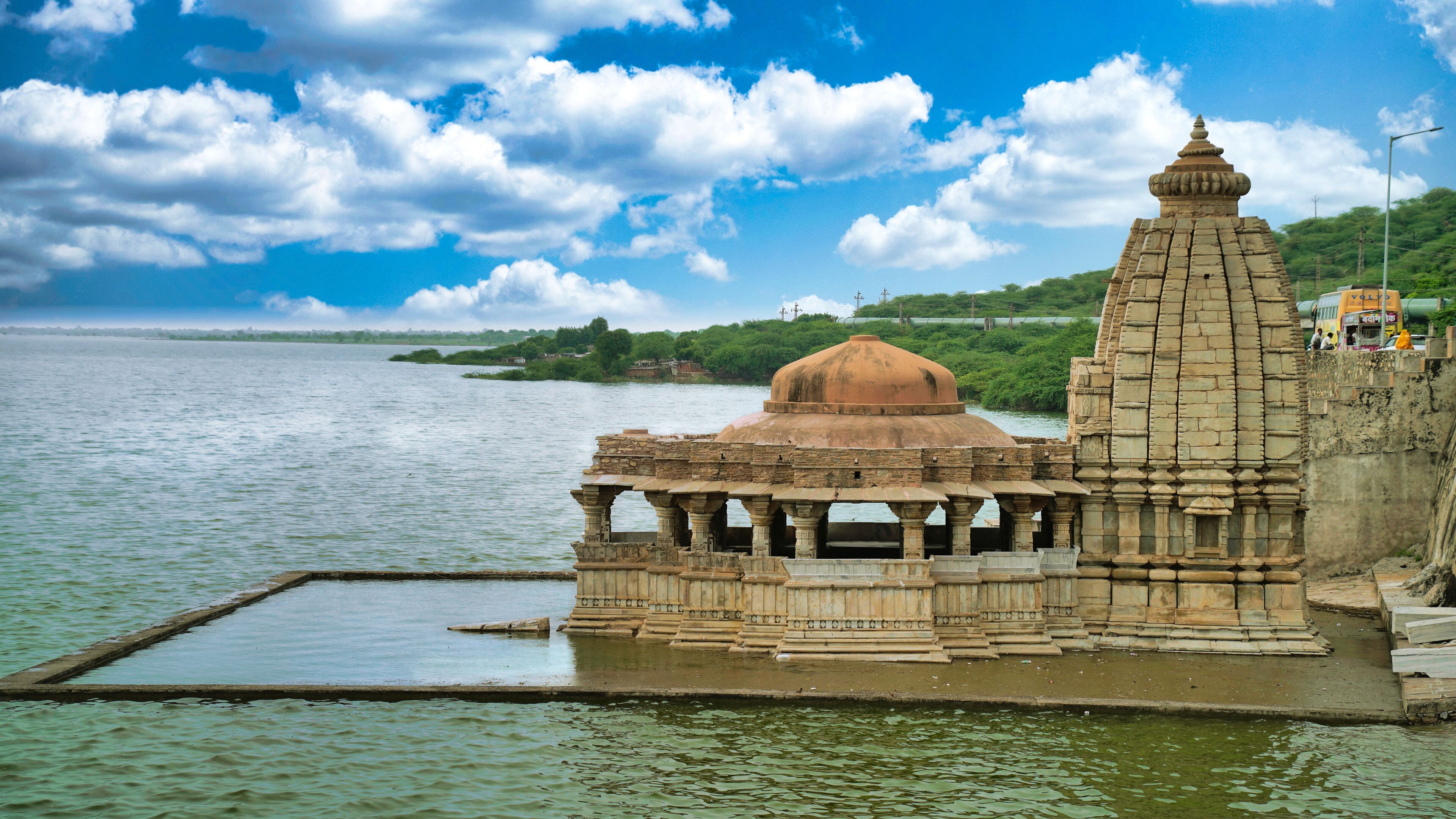
The Bisaldeo Temple at Bisalpur is dedicated to Lord Shiva and is associated with the Chahamana ruler Vigraharaja IV. The temple features a distinctive architectural style with a hemispherical dome supported by carved pillars.
The temple is an important heritage attraction for visitors interested in medieval temple architecture.
Diggi Kalyanji Temple
Diggi Kalyanji Temple is an important pilgrimage destination near Tonk. The temple is dedicated to Lord Kalyanji, a form of Lord Vishnu, and attracts devotees from Rajasthan and other parts of India.
The temple's religious importance and traditional architecture make it an interesting addition to a Tonk heritage and pilgrimage itinerary.
Jaldevi Temple
Jaldevi Temple is located near Todaraisingh and is dedicated to Goddess Jal Devi. The temple is associated with local traditions and is particularly active during the fair held around Chaitra Purnima.
Har Bhanwta Ashram
Har Bhanwta Ashram is a religious site associated with Lord Shiva. The temple attracts devotees throughout the year and a fair is held during Guru Purnima.
Bori Vishal Temple
The ancient Badri Vishal Temple near Natwada is an important religious attraction in the Tonk region. The temple is believed to be several centuries old and hosts a fair around Akshaya Tritiya.
Raktanchal Parvat
Raktanchal Parvat near Newai is a scenic and religious destination featuring ancient temples dedicated to local deities. The hill landscape provides a quieter experience away from the main town.
Dhanna Bhagat Gurudwara
Dhanna Bhagat Gurudwara is an important Sikh religious site in the Tonk region. The site is associated with Dhanna Bhagat and attracts devotees during religious celebrations, including Prakash Parv.
Famous Dishes
Dal Baati Churma
Dal Baati Churma is one of Rajasthan's most famous traditional meals. It combines lentils, baked wheat baati and sweet churma, usually served with generous amounts of ghee and chutneys. It is a hearty meal that reflects the traditional food culture of Rajasthan.
Pyaz Kachori
Pyaz Kachori is a popular Rajasthani snack filled with a spicy onion mixture and deep-fried until crisp. It is commonly enjoyed as a breakfast or evening snack and is widely available in Tonk's local food markets.
Gatte ki Sabzi
Gatte ki Sabzi is prepared using gram flour dumplings cooked in a spiced yoghurt-based gravy. The dish is commonly served with roti, paratha or rice and is an important part of traditional Rajasthani vegetarian cuisine.
Ker Sangri
Ker Sangri combines desert berries and beans from the khejri tree with spices and other ingredients. The dish reflects Rajasthan's ability to create flavourful food from ingredients that can thrive in an arid environment.
Mirchi Bada
Mirchi Bada is a popular Rajasthani snack made by stuffing large green chillies with a seasoned potato mixture, coating them in gram flour and deep-frying them. It is usually served with chutney.
Ghevar
Ghevar is a traditional Rajasthani sweet with a distinctive honeycomb-like texture. It is particularly associated with festivals such as Teej and Raksha Bandhan and is enjoyed with sugar syrup, rabri or other toppings.
Malpua
Malpua is a traditional sweet pancake made from flour and other ingredients and served with sweet syrup or rabri. It is a popular festive dessert across Rajasthan.
Rajasthani Kachori
Besides the famous onion version, travellers can also find different varieties of kachori in the region. These crispy pastries may contain spicy lentil, onion or sweet fillings depending on the preparation.
Famous Personalities
Nawab Amir Khan
Nawab Amir Khan was the founder and first ruler of the princely state of Tonk. An Afghan Pathan military leader, he rose to prominence in the early 19th century and established Tonk as a significant princely state.
His political career and later settlement with the British shaped the foundation of the Nawabi state whose heritage remains visible throughout modern Tonk.
Akhtar Sheerani
Akhtar Sheerani was a celebrated Urdu poet known particularly for his romantic poetry. His connection with Tonk is reflected in the city's reputation as the city of the romantic poet and an important centre of Urdu literary culture.
Mohammed Ibrahim Ali Khan
Mohammed Ibrahim Ali Khan was one of the later Nawabs of Tonk. His reign is associated with the development of the princely state during the late 19th and early 20th centuries.
Mohammed Sadat Ali Khan
Mohammed Sadat Ali Khan was a later Nawab of Tonk associated with the construction of the historic Clock Tower. The monument remains one of the city's recognisable landmarks.
Festivals
Chaitra Purnima Fair
A major fair is held at the Jaldevi Temple around Chaitra Purnima. Devotees gather for prayers and religious activities, while the fair creates a lively atmosphere around the temple.
Guru Purnima
Guru Purnima is celebrated at religious sites such as Har Bhanwta Ashram. Devotees gather for prayers and religious ceremonies during the festival.
Akshaya Tritiya Fair
A fair is held at the Bori Vishal Temple near Natwada during Akshaya Tritiya. The event combines religious observances with local community activities.
Prakash Parv
Prakash Parv is celebrated at Dhanna Bhagat Gurudwara with religious prayers and community gatherings. It provides an opportunity to experience the Sikh cultural heritage present in the Tonk region.
Diwali
Diwali is celebrated throughout Tonk with traditional prayers, lamps, sweets, family gatherings and decorated homes and markets.
Holi
Holi brings colour, music and community celebrations to Tonk. The festival is observed with traditional sweets, gatherings and the playing of colours.
Eid
Given Tonk's strong Islamic and Nawabi heritage, Eid is an important festival in the city. Families gather for prayers, traditional meals and celebrations, adding to Tonk's diverse cultural character.
Milad-un-Nabi
Milad-un-Nabi has historical importance in Tonk's Nawabi cultural tradition. The city has long been associated with literary, religious and community celebrations connected with the festival.
Things to Do
- Explore Sunehri Kothi: Admire the golden interiors, glasswork and meenakari craftsmanship of Tonk's most famous monument.
- Visit Jama Masjid: Discover the grand architecture and historic Islamic heritage of the city.
- Explore the Arabic and Persian Research Institute: See historic manuscripts, calligraphy and art collections.
- Walk through old Tonk: Discover historic havelis, mansions, streets and traditional architecture.
- See the Clock Tower: Learn about the local history associated with this important urban landmark.
- Visit Hadi Rani Baori: Explore Rajasthan's traditional stepwell architecture.
- See Hathi Bhata: Photograph the remarkable elephant carved from a single stone.
- Visit Bisalpur Dam: Enjoy the reservoir landscape and observe local birdlife.
- Explore Diggi Kalyanji Temple: Experience one of the region's important pilgrimage sites.
- Try local food: Taste kachori, dal baati churma, gatte ki sabzi, ker sangri and Rajasthani sweets.
- Explore local markets: Look for traditional textiles, handicrafts, snacks and regional products.
- Enjoy heritage photography: Capture the city's unusual combination of Islamic, Nawabi and Rajasthani architecture.
Where to Eat, Shop, and Stay
Where to Eat
Tonk has local restaurants, traditional eateries, sweet shops and snack stalls where visitors can experience Rajasthani food as well as North Indian and Mughlai-influenced dishes.
Travellers should try Pyaz Kachori, Dal Baati Churma, Gatte ki Sabzi, Ker Sangri, Mirchi Bada and traditional Rajasthani sweets.
The city's Nawabi heritage also means that visitors can find food influenced by North Indian and Mughlai culinary traditions.
Where to Shop
Local markets in Tonk are suitable for purchasing traditional clothing, handicrafts, sweets, snacks and everyday goods.
Visitors interested in the city's cultural heritage can look for Rajasthani textiles, traditional handicrafts, jewellery, local artwork and regional food products.
Books and literary material connected with Urdu, Persian and Arabic traditions may also appeal to travellers interested in Tonk's literary heritage.
Where to Stay
Tonk has hotels and guesthouses suitable for short heritage-focused stays. Travellers looking for a wider choice of accommodation can also stay in Jaipur and visit Tonk as a day trip, depending on their itinerary.
| Traveller Type | Recommended Stay |
|---|---|
| Budget Traveller | Budget hotels and guesthouses in Tonk |
| Mid-Range Traveller | Comfortable hotels around the main town |
| Heritage Traveller | Stay in Tonk for an immersive old-city experience |
| Jaipur Traveller | Stay in Jaipur and take a day trip to Tonk |
| Family Traveller | Hotels with easy road access to major attractions |
What is Tonk Famous For?
Tonk is famous for its distinctive Nawabi heritage, old havelis, mosques, Persian and Arabic manuscripts, literary traditions and unusual blend of Rajput and Islamic architecture.
The city and surrounding region are particularly known for:
- Sunehri Kothi and its richly decorated interiors
- Jama Masjid and its impressive architecture
- Arabic and Persian Research Institute
- Hadi Rani Baori
- Hathi Bhata
- Historic Clock Tower
- Nawabi heritage
- Urdu and Persian literary culture
- Akhtar Sheerani's literary connection
- Bisalpur Dam
- Diggi Kalyanji Temple
- Traditional Rajasthani cuisine
- Historic fairs and religious festivals
Best Time to Visit
The best time to visit Tonk is generally from October to March, when the weather is more comfortable for exploring monuments, markets, temples and outdoor attractions.
November to February is particularly suitable for heritage sightseeing because daytime temperatures are generally more pleasant than during the summer.
The summer months can be very hot, especially from April to June. Travellers visiting during this period should plan outdoor sightseeing during the morning or late afternoon.
The monsoon season brings some relief from the summer heat and can make the landscapes around Bisalpur and the Banas River more attractive. However, travellers should check local weather conditions before planning outdoor activities.
| Season | Travel Experience |
|---|---|
| October – November | Comfortable weather and pleasant heritage sightseeing |
| December – February | Cooler and ideal for exploring monuments and markets |
| March | Warmer days but suitable for morning and evening sightseeing |
| April – June | Very hot; outdoor sightseeing is best during cooler hours |
| July – September | Monsoon greenery and improved water levels around reservoirs |
How to Reach
By Air
The nearest major airport is Jaipur International Airport at Sanganer, approximately 90–100 km from Tonk. From the airport, travellers can continue to Tonk by taxi or road transport.
Jaipur is also a major transport hub, making it convenient for visitors arriving from other parts of India.
By Train
Banasthali Niwai Railway Station is one of the nearest railway stations serving Tonk and is approximately 38 km away. It has rail connections towards Jaipur and several other cities.
Travellers can continue from the railway station to Tonk by taxi, bus or local transport.
By Road
Tonk is well connected by road with Jaipur and other cities of Rajasthan. Regular bus services and taxis are available from Jaipur, Kota, Sawai Madhopur, Bhilwara and other nearby cities.
| Mode | Recommended Option |
|---|---|
| Air | Jaipur International Airport |
| Train | Banasthali Niwai Railway Station |
| Road | Bus, taxi or private vehicle from Jaipur and nearby cities |
Nearby Places
Bisalpur
Bisalpur is known for the historic Bisaldeo Temple and the large Bisalpur Dam. The area combines religious heritage with river and reservoir landscapes and makes a good excursion from Tonk.
Diggi
Diggi is famous for the Kalyanji Temple, an important pilgrimage destination dedicated to Lord Kalyanji. The temple attracts large numbers of devotees during religious occasions.
Todaraisingh
Todaraisingh is a historic town in Tonk district known for sites such as Jaldevi Temple and other traditional religious attractions.
Newai
Newai is an important town in Tonk district with religious and historical attractions. Raktanchal Parvat and nearby temples can be included in a cultural excursion.
Hathi Bhata
Located outside Tonk on the route towards Sawai Madhopur, Hathi Bhata is an unusual stone monument featuring an elephant carved from a single rock.
Sawai Madhopur
Sawai Madhopur is a major wildlife destination and the gateway to Ranthambore National Park. Travellers combining heritage tourism in Tonk with wildlife tourism can consider adding Sawai Madhopur to their itinerary.
Jaipur
Jaipur, the capital of Rajasthan, is approximately 100 km from Tonk and offers forts, palaces, markets, museums and a much wider range of accommodation. Tonk can be visited as a day trip from Jaipur or combined into a longer Rajasthan itinerary.
Best Duration for a Trip
1 day is sufficient for a quick introduction to Tonk's principal attractions, including Sunehri Kothi, Jama Masjid, the Arabic and Persian Research Institute and the Clock Tower.
A 2-day trip is more comfortable and allows visitors to explore the city's heritage attractions along with Hathi Bhata and nearby religious sites.
A 3-day trip is suitable for travellers who want to include Bisalpur, Diggi, Todaraisingh or other destinations in Tonk district.
| Duration | Suggested Experience |
|---|---|
| 1 Day | Sunehri Kothi, Jama Masjid, Arabic and Persian Research Institute and Clock Tower |
| 2 Days | Main Tonk heritage sites + Hathi Bhata + local markets and food |
| 3 Days | Tonk + Bisalpur + Diggi/Todaraisingh |
| 4 Days | Tonk + nearby attractions + Sawai Madhopur or Jaipur |
Travel Tips
- Plan heritage sightseeing during the morning or late afternoon, especially during warmer months.
- Carry sufficient drinking water when visiting outdoor attractions.
- Wear comfortable footwear when exploring old streets, stepwells and heritage sites.
- Dress respectfully when visiting mosques, temples, dargahs and other religious places.
- Follow local rules regarding photography inside religious and heritage buildings.
- Carry sun protection such as sunglasses, sunscreen and a hat during summer.
- Try local Rajasthani snacks from established and hygienic eateries.
- Carry some cash for smaller shops, markets and local food stalls.
- Start early if combining several attractions located outside Tonk city.
- Check local weather conditions before visiting Bisalpur Dam or other outdoor destinations during the monsoon.
- Do not climb or damage historic monuments, stepwells or archaeological structures.
- Ask permission before photographing people, particularly during religious ceremonies.
- Book accommodation in advance during major fairs and festival periods.
- If visiting the Arabic and Persian Research Institute, check visiting hours before planning your visit.
Why Visit Tonk?
Tonk is worth visiting because it offers a side of Rajasthan that is very different from the state's famous fort and palace destinations. Its identity has been shaped by the meeting of Nawabi, Islamic, Rajput and Rajasthani traditions.
The city's historic streets reveal old mansions and havelis, while landmarks such as Sunehri Kothi and Jama Masjid showcase its architectural heritage. The Arabic and Persian Research Institute adds a rare literary dimension, preserving manuscripts and artistic traditions connected with the Nawabi era.
Tonk is also a destination where history and everyday life remain closely connected. Religious sites, local markets, traditional food, fairs and cultural celebrations give visitors a chance to experience the city beyond its monuments.
For travellers interested in architecture, history, literature, culture, religious heritage and offbeat Rajasthan, Tonk provides a distinctive and rewarding experience.
Conclusion
Tonk is a fascinating heritage city where Rajasthan's traditional character meets the refined cultural influence of its Nawabi past. Its grand mosques, historic havelis, ornate Sunehri Kothi, traditional stepwells and remarkable manuscript collections make it one of the state's more unusual destinations.
From the architectural beauty of Sunehri Kothi and Jama Masjid to the literary legacy preserved at the Arabic and Persian Research Institute, Tonk offers a journey into a lesser-known chapter of Rajasthan's history.
Add to this the nearby temples, Bisalpur Dam, Hathi Bhata, traditional Rajasthani cuisine and colourful local festivals, and Tonk becomes a destination with much more to offer than a simple day of sightseeing.
If you want to discover a quieter, culturally diverse and historically rich side of Rajasthan, Tonk deserves a place on your travel itinerary.
"Travel is the only thing you buy that makes you richer."