Dausa, Rajasthan: Discover Ancient Stepwells, Sacred Temples and Royal Heritage
Located in eastern Rajasthan, Dausa is a historic destination where ancient architecture, religious traditions and rural culture come together. Situated around 55 kilometres from Jaipur, this town offers travellers a quieter way to explore the heritage of Rajasthan beyond its famous forts and palaces. Dausa is also known as Dev Nagari, reflecting its association with temples and spiritual traditions.
The region's most remarkable attractions include Chand Baori at Abhaneri, the beautiful stone architecture of Harshat Mata Temple, the historic settlement of Bhandarej and the revered Mehandipur Balaji Temple. Whether you enjoy exploring historic structures, visiting pilgrimage sites, tasting traditional Rajasthani food or discovering local village life, Dausa offers a memorable cultural experience.
1. History of Dausa
Dausa has played an important role in the history of the Dhundhar region of Rajasthan. It was an early political centre associated with the Chauhan and Kachwaha Rajput dynasties. Its location along historic routes helped connect settlements, religious centres and trading communities across the region.
Early Settlements and Ancient Heritage
The wider Dausa region has a long history of human settlement. Archaeological findings and traditional accounts point to its importance in different periods. Nearby Bhandarej, historically associated with the name Bhadrawati, is known for its archaeological remains and traditional stories connected with ancient India.
The Chauhans and Kachwaha Rajputs
Dausa became an important centre during the medieval period. Historical accounts associate rulers such as Sodh Dev and Dulha Rai with the early political history of the region and the rise of Kachwaha power in Dhundhar. The area's forts, temples and old settlements reflect this long historical development.
Dausa in Modern Rajasthan
Today, Dausa is both a historic town and the administrative centre of its district. Its heritage attractions, pilgrimage sites and traditional communities continue to shape its identity as a destination for cultural and religious tourism.
2. Geography of Dausa
Dausa lies in eastern Rajasthan, approximately 55 kilometres from Jaipur. The district forms part of the broader Dhundhar region and features a mix of plains, low hills, agricultural land and historic settlements. Its position between Jaipur and the eastern parts of Rajasthan makes it a convenient stop for travellers exploring the region by road or rail.
Landscape and Natural Setting
The landscape around Dausa includes open countryside, cultivated fields, rocky elevations and seasonal water bodies. The scenery changes with the seasons, with greener surroundings often appearing during the monsoon.
Climate
Dausa experiences hot summers, a monsoon season and cooler winters. Summer afternoons can be particularly warm, making early mornings and late afternoons more comfortable for outdoor sightseeing. Winter is generally the most pleasant period for exploring temples, villages and historic monuments.
3. Culture and Traditions of Dausa
Dausa reflects the colourful traditions of eastern Rajasthan. Religious customs, folk music, traditional clothing, village markets and regional cuisine form an important part of everyday life. Hospitality and community celebrations are central to the local cultural experience.
Rajasthani Folk Traditions
Traditional performances such as Ghoomar, Kalbelia and Kachhi Ghori are associated with Rajasthan's wider folk heritage and may feature at local cultural events. Music, dance and storytelling help preserve the region's traditional identity.
Religious Customs
Temples and pilgrimage centres play an important role in local life. Visitors may encounter devotional singing, prayer rituals, temple fairs and seasonal celebrations. Travellers should follow the customs of each religious site and ask before photographing worshippers or ceremonies.
Local Crafts and Markets
Traditional textiles, household items, pottery and handicrafts reflect the wider craft traditions of Rajasthan. Bhandarej is also associated with carpet-making. Local markets offer opportunities to discover regional products and everyday village commerce.
4. Architecture of Dausa
Dausa's architectural heritage includes stepwells, temples, forts and historic residences. Many structures combine practical design with decorative stonework, carved pillars, balconies and traditional Rajasthani building techniques.
Stepwell Architecture
The celebrated Chand Baori at Abhaneri demonstrates how communities historically collected and stored water. Its carefully arranged staircases descend deep into the ground, creating a striking geometric pattern while providing access to water during changing seasons.
Temple Architecture
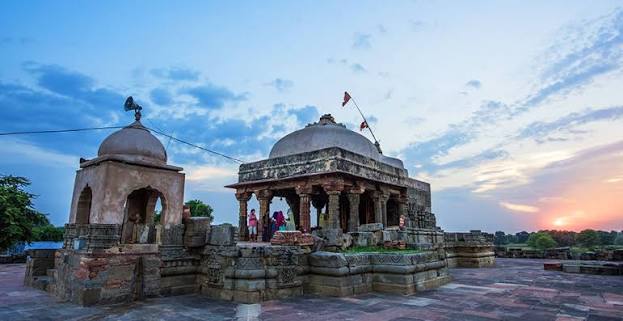
Harshat Mata Temple and other regional shrines showcase traditional stone construction and sculptural details. Carved pillars, ornamental elements and surviving architectural fragments provide glimpses into the craftsmanship of earlier periods.
Forts and Historic Residences
Structures such as Lotwara Fort and the Bhadrawati Palace in Bhandarej reflect the area's historic settlement patterns and regional architectural traditions. Their surviving features offer a glimpse into the area's past.
5. Famous Places in Dausa
Chand Baori, Abhaneri
Chand Baori is the most celebrated architectural attraction associated with Dausa. Located in Abhaneri, this historic stepwell dates to around the ninth century and is known for its extraordinary arrangement of narrow, symmetrical steps. Built to conserve water, it is one of India's most impressive traditional water structures and a favourite destination for history lovers and photographers.
Harshat Mata Temple
Located beside Chand Baori, Harshat Mata Temple is dedicated to the goddess associated with joy and happiness. The temple is known for its stone carvings, historic architectural remains and spiritual significance. Visiting both sites together makes for a rewarding heritage excursion.
Mehandipur Balaji Temple
Mehandipur Balaji Temple is a well-known pilgrimage destination dedicated to Lord Hanuman. Devotees visit the temple to pray and participate in its distinctive religious traditions. Visitors should follow the temple's current rules and maintain respectful behaviour throughout the visit.
Bhandarej Baori
Bhandarej Baori is a historic stepwell associated with the village of Bhandarej. Like other traditional water structures in Rajasthan, it reflects the importance of water conservation and community life in a region with long dry periods.
Bhadrawati Palace, Bhandarej
The historic Bhadrawati Palace offers a glimpse into the architectural heritage of Bhandarej. The village is also known for archaeological finds, decorative latticework and traditional craft practices. Check local access arrangements before planning a detailed visit to historic properties.
Lotwara Fort
Lotwara is a village known for Lotwara Garh, a historic fort associated with the region's local rulers. The village is also noted for its peacocks, making it an interesting stop for travellers seeking rural scenery and heritage away from busier tourist centres.
Jhajhirampura
Jhajhirampura is known for its water tank and temples dedicated to Hindu deities, including Shiva and Hanuman. Surrounded by the countryside, it is a place to experience the quieter spiritual traditions of the Dausa region.
Bandikui Church
Bandikui is a town in Dausa district with a historic Protestant church noted for its distinctive architectural style. It offers an additional point of interest for visitors exploring the area's diverse heritage.
6. Famous Dishes of Dausa
Dausa's food culture reflects the flavours of Rajasthan, with hearty meals, gram-flour preparations, seasonal ingredients and traditional sweets. Local restaurants and roadside eateries are good places to sample regional dishes.
Dal Baati Churma
This iconic Rajasthani meal combines baked wheat baati, lentil dal and sweet churma. It is a popular choice for visitors looking to experience the state's traditional cuisine.
Gatte Ki Sabzi
Gatte ki sabzi features gram-flour dumplings cooked in a spiced yoghurt-based gravy. It is commonly served with roti or rice and is a classic dish across Rajasthan.
Ker Sangri
Ker sangri is a traditional desert preparation made with regional berries and beans. Its distinctive flavour reflects the ingredients and cooking methods developed in Rajasthan's dry climate.
Bajra Roti
Bajra roti, prepared from pearl millet flour, is a traditional staple in Rajasthan. It is often enjoyed with vegetables, garlic chutney or other local accompaniments.
Kachori and Mirchi Vada
Kachori and mirchi vada are popular savoury snacks found in many Rajasthani towns. They make convenient options for a quick breakfast or an afternoon snack.
Ghewar and Other Traditional Sweets
Ghewar, malpua and other regional sweets are associated with Rajasthan's festive food traditions. Availability varies by season, so ask local sweet shops about their freshly prepared specialities.
Chaas and Lassi
Chaas and lassi are refreshing yoghurt-based drinks enjoyed across the region. They can be a welcome accompaniment to a traditional meal, particularly during warm weather.
7. Famous Personalities Associated with Dausa
Tikaram Paliwal
Tikaram Paliwal was an important political figure associated with Rajasthan's early post-independence period. He became the state's first elected Chief Minister in 1952 and is remembered for his contribution to public life.
Ram Karan Joshi
Ram Karan Joshi is remembered for his role in Rajasthan's political development and the early Panchayati Raj system. His work is associated with the development of local self-government in the state.
Dulha Rai
Dulha Rai is a historical figure associated with the expansion of Kachwaha power in the Dhundhar region. Accounts of his rule form part of the traditional history of Dausa and the surrounding area.
Sodh Dev
Sodh Dev is another ruler associated with the early medieval history of Dausa. His name appears in historical accounts of the region before the expansion of Kachwaha influence.
8. Festivals of Dausa
Abhaneri Festival
The Abhaneri Festival celebrates Rajasthan's cultural heritage near Chand Baori. The event has featured folk music, traditional dance, craft displays and other cultural activities. Dates and programming can change each year, so visitors should check official Rajasthan Tourism announcements before travelling specifically for the festival.
Gangaur
Gangaur is a major Rajasthani festival celebrating devotion and marital traditions. Women participate in prayers and processions, while local celebrations may include traditional clothing, music and community gatherings.
Teej
Teej is celebrated during the monsoon season and is associated with devotion, seasonal renewal and traditional festivities. Depending on the locality, celebrations may include songs, decorated swings and colourful clothing.
Diwali
Diwali brings homes, shops and temples to life with lamps, decorations, prayers and festive sweets. It is a lively time to experience the region's family and community traditions.
Holi and Navratri
Holi is celebrated with colours and social gatherings, while Navratri brings periods of worship and devotion. The scale and style of celebrations can vary between Dausa town and nearby villages.
9. Things to Do in Dausa
- Explore Chand Baori: Admire the remarkable geometry of its staircases and learn about traditional water conservation.
- Visit Harshat Mata Temple: Discover its religious significance and historic stonework beside the stepwell.
- Experience a pilgrimage: Visit Mehandipur Balaji Temple respectfully and follow the site's current visitor guidance.
- Discover Bhandarej: Explore the village's historic stepwell, architectural heritage and traditional crafts where access is available.
- Photograph historic architecture: Capture the details of carved stone, old structures and village streets while observing photography rules.
- Sample Rajasthani food: Try dal baati churma, gatte ki sabzi, local snacks and traditional sweets.
- Explore local markets: Look for regional textiles, crafts, everyday goods and locally made products.
- Attend a cultural festival: If your dates coincide with a local event, experience folk performances and regional traditions.
10. Where to Eat, Shop, and Stay in Dausa
Where to Eat
Look for local restaurants, family-run eateries, sweet shops and roadside dhabas serving Rajasthani meals. Traditional dishes and snacks are widely associated with the region, although individual menus and opening times vary. Around popular pilgrimage sites, food options may be geared towards visiting devotees.
Where to Shop
Local markets are useful for everyday shopping and discovering regional products. Visitors can look for traditional textiles, handicrafts, household items and sweets. Bhandarej is associated with carpet-making, although the availability of locally made products should be confirmed with sellers.
Where to Stay
Dausa town offers a practical base for travellers who want to explore nearby attractions. Accommodation choices may include budget hotels, guesthouses and simple stays. For a wider range of hotels, visitors can also consider Jaipur and plan Dausa as a day trip or part of a longer itinerary.
Before booking, check recent reviews, parking availability, transport access and the distance from your main sightseeing stops. Travellers visiting Mehandipur Balaji Temple may prefer to plan their stay around the temple's visiting schedule and local conditions.
11. What Is Dausa Famous For?
Dausa is best known for its historic and religious attractions, particularly Chand Baori at Abhaneri and Mehandipur Balaji Temple. Its heritage also includes Harshat Mata Temple, Bhandarej's historic structures, traditional village life and the wider cultural history of the Dhundhar region.
- Chand Baori, one of India's most remarkable historic stepwells.
- Harshat Mata Temple and its traditional stone architecture.
- Mehandipur Balaji Temple and its pilgrimage traditions.
- Bhandarej Baori, Bhadrawati Palace and regional heritage.
- Rajasthani food, folk culture and local handicrafts.
12. Best Time to Visit Dausa
October to March
The cooler months from October to March are generally the most comfortable for sightseeing. The weather is better suited to exploring historic sites, visiting temples and travelling between nearby villages.
April to June
Summer can be very hot, particularly during the afternoon. If travelling during these months, plan outdoor sightseeing early in the morning, carry drinking water and take breaks in shaded areas.
July to September
The monsoon season can bring greener countryside and changing landscapes. Rain may affect road conditions and outdoor plans, so check the forecast before visiting rural attractions.
Travel tip: If you want to attend the Abhaneri Festival, confirm the official dates for your intended year before making travel or accommodation arrangements.
13. How to Reach Dausa
By Air
Jaipur International Airport is the most practical major airport for many visitors travelling to Dausa. From Jaipur, continue by taxi, private vehicle or other available road transport. Confirm current flight and ground-transport schedules before departure.
By Train
Dausa is connected to the railway network, and rail travel can be a convenient way to reach the town from Jaipur and other cities. Check the latest train timetable, station details and ticket availability before travelling.
By Road
Dausa is located around 55 kilometres from Jaipur and can be reached by road. Buses, taxis and private vehicles are options, depending on your starting point. Road journeys to attractions such as Abhaneri and Mehandipur Balaji Temple may require additional local transport.
Getting Around Locally
Taxis and private vehicles are convenient for visiting several attractions in one day, especially when combining Dausa town with Abhaneri or Bhandarej. Confirm local transport availability and travel times before setting out.
14. Nearby Places to Visit
Jaipur
Located around 55 kilometres from Dausa, Jaipur is Rajasthan's capital and a major destination for forts, palaces, historic markets and traditional crafts. It is a useful starting point for a trip to Dausa.
Abhaneri
Abhaneri is a historic village best known for Chand Baori and Harshat Mata Temple. It is an essential stop for visitors interested in ancient architecture and traditional water-management systems.
Bhandarej
Bhandarej is a heritage village near Dausa known for its stepwell, historic palace and traditional craft associations. It is a worthwhile addition to a regional heritage itinerary.
Mehandipur
Mehandipur is an important pilgrimage destination because of the famous Balaji Temple. Visitors should allow time for local crowds and follow current temple guidance.
Bandikui
Bandikui is a town in Dausa district with railway connections and local points of interest, including its historic church. It may be useful as part of a wider exploration of the district.
Alwar
Alwar is a larger heritage destination to the north of Dausa, known for its forts, palaces and nearby natural attractions. It can be included in a longer Rajasthan itinerary.
Bharatpur
Bharatpur is another regional destination worth considering on an extended trip. It is particularly associated with heritage and birdwatching at Keoladeo National Park, subject to current access and seasonal conditions.
15. Best Duration for a Trip to Dausa
One Day
A day trip can cover a selection of Dausa's main attractions. Visitors may choose Chand Baori and Harshat Mata Temple, or focus on Mehandipur Balaji Temple, depending on travel time and personal interests.
Two Days
Two days allow a more relaxed visit. One day can be devoted to Dausa town and its selected temples, while the other can include Abhaneri and Bhandarej. Travellers should check opening times and local transport before finalising the route.
Three Days
A three-day itinerary offers additional time for rural exploration, local food, markets and nearby destinations. It can also be useful for visitors travelling at a slower pace or combining Dausa with Jaipur.
16. Travel Tips for Visiting Dausa
- Dress respectfully: Wear modest clothing when visiting temples and religious sites.
- Check temple guidance: Rules, photography restrictions and visiting arrangements may differ between locations.
- Start early: Morning visits are more comfortable during warmer months and can help avoid some crowds.
- Carry water: Keep drinking water, sun protection and comfortable walking shoes with you.
- Plan transport: Rural attractions may not have frequent public transport, so confirm your return journey in advance.
- Respect local customs: Ask permission before photographing people, religious activities or private property.
- Keep the area clean: Dispose of rubbish responsibly and avoid damaging historic structures.
- Confirm festival dates: Cultural events and their programmes may change from year to year.
- Check access in advance: Some historic buildings or privately managed properties may have limited public access.
- Use trusted local information: Verify current road conditions, accommodation availability and transport schedules before departure.
17. Why Visit Dausa?
Dausa is a rewarding destination for travellers who want to explore a different side of Rajasthan. Instead of focusing only on grand royal palaces, a trip here reveals the ingenuity of historic water structures, the artistry of temple architecture and the living traditions of local communities.
The dramatic steps of Chand Baori, the spiritual atmosphere of Mehandipur Balaji Temple and the heritage of Bhandarej give the region a distinctive identity. Its proximity to Jaipur also makes Dausa a convenient addition to a Rajasthan holiday.
For heritage enthusiasts, architecture lovers, pilgrims, photographers and curious travellers, Dausa offers a meaningful combination of history, faith and regional culture.
18. Conclusion
Dausa brings together the architectural brilliance, religious traditions and rural heritage of eastern Rajasthan. From the extraordinary geometry of Chand Baori to the historic Harshat Mata Temple and the pilgrimage traditions of Mehandipur Balaji, the destination offers experiences that go beyond conventional sightseeing.
Whether you are planning a day trip from Jaipur or a longer journey through Rajasthan, Dausa is worth exploring for its historic sites, traditional food, local crafts and welcoming cultural atmosphere. Plan ahead, travel respectfully and take time to appreciate the stories preserved in this historic region.
"Travel is the only thing you buy that makes you richer."