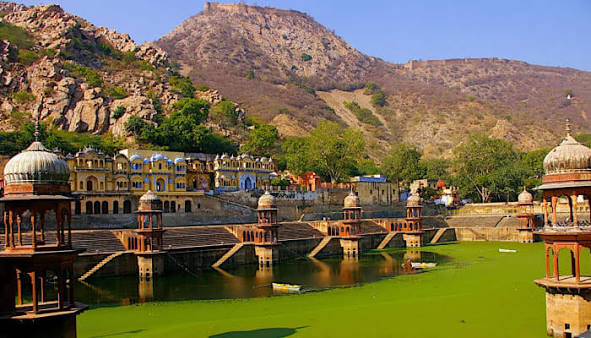
Alwar: Where Royal Heritage Meets the Wild Beauty of Rajasthan
Nestled among the scenic Aravalli Hills, Alwar is one of Rajasthan’s most fascinating destinations for travellers who enjoy history, architecture, nature and local culture. Often called the Gateway of Rajasthan, the city is known for its grand forts, royal buildings, peaceful lakes and easy access to the wildlife-rich landscapes of Sariska. Its character is shaped by Rajput history, traditional Rajasthani hospitality, colourful festivals and distinctive local food, especially the famous Alwar milk cake. Whether you are planning a heritage tour, a family holiday or a short nature escape, Alwar offers a memorable introduction to a different side of Rajasthan.
1. History of Alwar
Alwar has a long and layered history associated with ancient settlements, regional kingdoms and the rise of Rajput power. Rajasthan Tourism connects the region with the ancient territory of Matsya Desh and the traditions of Viratnagar. The Mahabharata also links the wider region with the Pandavas’ period of exile, although these accounts belong to traditional and epic narratives rather than fully established historical records.
The region was ruled by different powers over the centuries, including Rajput and Mewati rulers, and later came under Mughal and other regional influences. In the 18th century, Maharaja Pratap Singh established the princely state of Alwar in 1775. Its forts, cenotaphs, palaces and old buildings reflect this complex political past. After Indian independence, the former princely state became part of the modern state of Rajasthan.
2. Geography of Alwar
Alwar lies in northeastern Rajasthan, amid the rugged ridges and green valleys of the Aravalli Range. The surrounding landscape includes rocky hills, dry forests, agricultural areas, reservoirs and seasonal streams. This varied terrain gives the region a different appearance from Rajasthan’s more arid desert destinations.
The city is also a convenient base for exploring nearby natural attractions, including Siliserh Lake and Sariska Tiger Reserve. Summers can be very hot, while winters are generally more comfortable for sightseeing and outdoor activities. Monsoon rainfall can make the hills and countryside greener, although heavy rain may affect road conditions and outdoor plans.
3. Culture and Traditions of Alwar
Alwar’s culture combines the traditions of northeastern Rajasthan with influences from the historic Mewat region. Local life is reflected in traditional clothing, folk music, regional food, religious gatherings, village fairs and family celebrations. Hindi and regional varieties of Rajasthani are commonly heard in everyday life.
Visitors can experience the region’s culture through its bustling markets, sweet shops, temples and seasonal festivals. Traditional hospitality and the sharing of local dishes are important parts of the visitor experience. Respectful behaviour at religious places and asking permission before photographing people or ceremonies help make cultural encounters more comfortable for everyone.
4. Architecture of Alwar
Alwar’s architecture reflects Rajput military design, royal residences, Indo-Islamic influences and traditional religious structures. The city’s historic buildings feature fortified walls, gateways, courtyards, domes, arches, carved stonework and decorative balconies.
Bala Quila stands high above the city and represents its strategic military past. Alwar City Palace blends Rajputana and Islamic architectural elements, while Moosi Maharani Ki Chhatri is known for its combination of marble and red sandstone. Historic gardens, reservoirs and lakefront structures add to the architectural variety of the region.
5. Famous Places in Alwar
Bala Quila
Also known as Alwar Fort, Bala Quila is a prominent hilltop fort overlooking the city. Its massive walls, historic gates and elevated location make it one of Alwar’s best-known landmarks. Access arrangements can change, so visitors should check the latest official guidance before planning a visit.
Alwar City Palace
Built in 1793 under Raja Bakhtawar Singh, Alwar City Palace is admired for its grand courtyards and blend of Rajput and Islamic architectural styles. The palace complex is an important part of the city’s royal heritage; some areas serve administrative purposes, so public access may be limited.
Government Museum, Alwar
The Government Museum introduces visitors to the region’s royal and artistic past. Its collections have included historical manuscripts, miniature paintings, arms and objects connected with the former rulers of Alwar. Check current opening hours and gallery access before visiting.
Moosi Maharani Ki Chhatri
This elegant cenotaph commemorates Maharaja Bakhtawar Singh and Rani Moosi. Its marble upper structure, red sandstone lower level and decorative details make it a noteworthy stop for architecture lovers and photographers.
Siliserh Lake
Located southwest of Alwar, Siliserh Lake is surrounded by wooded hills and peaceful countryside. Maharaja Vinay Singh built a lakeside hunting palace here in 1845 for his queen, Shila. Today, the area is popular for scenic views, relaxing outings and boating when services are available.
Sariska Tiger Reserve
Sariska Tiger Reserve, in the Aravalli landscape, is a major attraction for wildlife enthusiasts. The reserve supports tigers and other wildlife, including deer, nilgai, leopards and numerous bird species. Safari access is regulated, and animal sightings are never guaranteed. Follow park rules and book through authorised channels.
Purjan Vihar
Purjan Vihar is a historic garden laid out in the 19th century. Its greenery and shaded paths offer a pleasant change from monument visits, particularly during cooler weather.
Fateh Jung Gumbad
Fateh Jung Gumbad is a historic tomb noted for its domes and minarets. It adds another example of the region’s architectural heritage and is worth considering on a city sightseeing route.
Garbhaji Waterfalls
Garbhaji Waterfalls is a seasonal natural attraction among rocky surroundings. The flow is usually more impressive after rainfall, but visitors should use caution on wet rocks and avoid unsafe areas during heavy rain.
Pandu Pol Hanuman Temple
Situated within the Sariska landscape, Pandu Pol is a religious site associated with local traditions and stories about the Pandavas. It attracts devotees as well as visitors exploring the reserve. Entry rules and permitted visiting days should be confirmed before travel.
Jaisamand
Jaisamand is an artificial water body associated with Maharaja Jai Singh and offers a peaceful countryside setting. The surrounding landscape is especially attractive when seasonal rainfall brings fresh greenery to the area.
6. Famous Dishes of Alwar
Alwar Milk Cake
Alwar milk cake, also called Alwar ka mawa in local usage, is the city’s best-known sweet. Prepared by slowly reducing milk and cooking it with sugar, it develops a dense texture and a distinctive caramelised flavour. It is a popular choice for gifts and festive occasions.
Kachori
Rajasthani kachori is a crisp, deep-fried snack commonly served with chutneys or spicy potato curry. It is a convenient breakfast or tea-time option at local snack shops.
Dal Baati Churma
This classic Rajasthani meal combines lentils, baked wheat baati and sweet churma. It is a hearty introduction to the state’s traditional cuisine and is often served with ghee and accompaniments.
Gatte Ki Sabzi
Gatte ki sabzi features gram-flour dumplings cooked in a spiced yoghurt-based gravy. It is a familiar dish on traditional Rajasthani menus and is usually enjoyed with roti or rice.
Ker Sangri
Ker sangri is a traditional desert-region preparation made from local berries and beans. Its tangy, spiced flavour makes it a distinctive part of Rajasthani cuisine.
Mirchi Vada and Samosa
Mirchi vada, samosa and other fried snacks are common in local markets and tea shops. They are best enjoyed fresh, particularly during a morning market visit or an evening food stop.
Traditional Thali
A Rajasthani thali may include seasonal vegetables, lentils, breads, rice, pickles and sweets. It is a good way to sample several regional flavours in one meal.
7. Famous Personalities Associated with Alwar
Maharaja Pratap Singh
Maharaja Pratap Singh is closely associated with the establishment of the princely state of Alwar in 1775. His rule marks an important chapter in the city’s political history.
Maharaja Bakhtawar Singh
Maharaja Bakhtawar Singh was an important ruler of Alwar and is associated with the development of the City Palace in 1793. Moosi Maharani Ki Chhatri also commemorates him and Rani Moosi.
Hasan Khan Mewati
Hasan Khan Mewati was a prominent Mewati ruler connected with the history of the wider Alwar region. His name is associated with the fortifications and political history of the area.
Raja Jai Singh of Alwar
Maharaja Jai Singh was a later ruler of Alwar associated with developments in the princely state. His period forms part of the region’s modern royal history and heritage.
Pandavas in Local Tradition
The Pandavas are not historical personalities of Alwar, but they are important figures in the region’s traditional stories. Local legends connect the wider area with their exile as described in the Mahabharata.
8. Festivals of Alwar
Matsya Festival
The Matsya Festival is associated with Alwar’s regional identity and cultural heritage. Festival programmes may feature folk performances, local traditions and community activities. Dates and events can vary by year, so check current announcements before travelling.
Teej
Teej is celebrated in Rajasthan with traditional songs, festive clothing and community gatherings. It is especially associated with the monsoon season and women’s cultural traditions.
Gangaur
Gangaur honours Gauri, a form of Parvati, and is marked by prayers, processions and colourful celebrations in many parts of Rajasthan. Local observances in Alwar may vary from year to year.
Diwali
Diwali brings homes, markets and shops to life with lamps, decorations, sweets and family celebrations. It is also a lively time to explore the city’s festive food and shopping culture.
Holi
Holi is celebrated with colours, music, sweets and gatherings among families and friends. Visitors should follow local customs and seek consent before joining celebrations or photographing people.
Navratri and Other Religious Celebrations
Navratri and other Hindu festivals are observed at temples and community spaces across the region. Religious calendars and local events provide opportunities to experience Alwar’s living traditions respectfully.
9. Things to Do in Alwar
- Explore the historic streets and heritage landmarks around Alwar City Palace.
- Admire the architecture and history of Moosi Maharani Ki Chhatri.
- Enjoy scenic views and a peaceful outing at Siliserh Lake.
- Plan an authorised wildlife safari at Sariska Tiger Reserve.
- Visit Purjan Vihar for a relaxing garden walk.
- Sample Alwar milk cake and other regional snacks from established local shops.
- Browse traditional markets for sweets, textiles, everyday crafts and local products.
- Explore nearby temples and heritage sites while respecting religious customs.
- Photograph the Aravalli landscape, especially during pleasant weather and after the monsoon.
10. Where to Eat, Shop, and Stay in Alwar
Where to Eat
Alwar has local restaurants, sweet shops, snack counters and family dining establishments serving North Indian and Rajasthani food. Try the city’s famous milk cake, fresh kachori and a traditional thali. For the best experience, choose busy, well-maintained establishments and check current reviews and timings.
Where to Shop
Traditional markets and commercial areas are good places to look for Alwar milk cake, Indian sweets, textiles, clothing, household items and everyday souvenirs. Purchase packaged sweets from reputable shops, particularly if you plan to carry them on a long journey.
Where to Stay
Alwar offers a range of accommodation options, including budget hotels, mid-range properties and heritage-style stays in and around the region. Staying in the city is convenient for urban monuments and restaurants, while a countryside or heritage stay may suit travellers planning to visit Siliserh Lake or Sariska. Compare location, transport access, recent reviews and cancellation policies before booking.
11. What Is Alwar Famous For?
Alwar is best known for its royal heritage, hilltop fort, historic palace architecture, lakes and proximity to wildlife areas. Its most recognised attractions include Bala Quila, Alwar City Palace, Moosi Maharani Ki Chhatri, Siliserh Lake and Sariska Tiger Reserve.
The city is also famous for Alwar milk cake, which is widely associated with its food identity. Its location in the Aravalli Hills makes it appealing to travellers looking for a mix of history, regional cuisine, nature and short excursions.
12. Best Time to Visit Alwar
October to March is generally the most comfortable period for exploring Alwar’s forts, palaces, gardens and nearby landscapes. Cooler temperatures make sightseeing easier, and winter can be rewarding for nature and birdwatching enthusiasts.
- October to March: Suitable for heritage sightseeing, city walks and outdoor excursions.
- April to June: Summer can be very hot, so plan outdoor visits early in the morning and carry water.
- July to September: Monsoon showers may bring greenery to the hills and improve the appearance of seasonal waterfalls, but rain can affect outdoor access.
For wildlife safaris, check the current Sariska operating schedule, seasonal restrictions and booking availability. Safari timings and access conditions can change.
13. How to Reach Alwar
By Train
Alwar Junction is an important rail connection for the city, with services linking it to Delhi and other destinations in Rajasthan and beyond. Check current train schedules, availability and journey times before departure.
By Road
Alwar is accessible by road from Delhi, Jaipur and other cities in the region. Travellers can use buses, taxis or private vehicles, depending on their starting point. Travel times vary with traffic, road conditions and the route selected.
By Air
Alwar does not have a major commercial airport within the city. Travellers generally consider Indira Gandhi International Airport in Delhi or Jaipur International Airport, then continue by road or rail. Compare flight options and onward transport before booking.
Local Transport
Auto-rickshaws, taxis and other local transport options can help visitors travel between city attractions. For Sariska, Siliserh Lake and other outlying destinations, arrange suitable transport in advance and confirm the return journey.
14. Nearby Places to Visit from Alwar
Sariska Tiger Reserve
Sariska is a major nearby destination for wildlife, forest scenery and regulated jeep safaris. It is particularly suitable for travellers who want to combine heritage sightseeing with a nature experience.
Siliserh Lake
Siliserh Lake is a scenic excursion from the city, offering views of water and wooded hills. It is a good choice for a quiet outing when weather and facilities are suitable.
Bhangarh Fort
Bhangarh Fort is a historic site known for its ruins, surrounding landscape and popular legends. Visit during permitted hours, follow official access rules and avoid entering restricted areas.
Neemrana
Neemrana is known for its historic fort-palace and heritage tourism. It can be considered for a longer road trip, although the time needed depends on the route and traffic.
Tijara
Tijara is associated with Jain pilgrimage and religious heritage. Visitors interested in spiritual destinations can explore its temple sites while following local customs.
Bharatpur
Bharatpur is known for Keoladeo National Park, an important destination for birdwatching and nature tourism. It is better suited to an extended excursion or a separate stop on a wider Rajasthan itinerary.
Jaipur
Jaipur, Rajasthan’s capital, offers forts, palaces, museums, markets and a wide range of accommodation. It can be combined with Alwar as part of a broader heritage trip.
15. Best Duration for a Trip to Alwar
One to two days is a practical starting point for exploring Alwar’s main city attractions.
- 1 day: Visit selected city landmarks such as Alwar City Palace, Moosi Maharani Ki Chhatri, Purjan Vihar and local markets, subject to opening hours.
- 2 days: Explore the main heritage attractions and add Siliserh Lake or another nearby destination.
- 3 days: Allow extra time for Sariska Tiger Reserve, a wildlife safari, nearby temples or a relaxed countryside excursion.
Choose the duration according to your interest in wildlife, architecture and nearby destinations. Safari schedules and site access may affect how much can comfortably be covered.
16. Travel Tips for Alwar
- Visit outdoor monuments early in the day, particularly during warmer months.
- Confirm current opening hours and access rules for Bala Quila, the Government Museum and other heritage sites.
- Book Sariska safaris through authorised channels and follow all wildlife safety instructions.
- Carry drinking water, sun protection and comfortable walking shoes.
- Keep cash and digital payment options available for small purchases and local transport.
- Try Alwar milk cake from a reputable sweet shop and check packaging if carrying it home.
- Dress respectfully at temples and religious sites, and follow photography restrictions.
- Do not feed wildlife, litter in natural areas or leave designated visitor routes.
- During monsoon weather, check road conditions before visiting waterfalls or hilly areas.
- Verify transport schedules and accommodation details before travelling, especially on weekends and holidays.
17. Why Visit Alwar?
Alwar is a rewarding destination for travellers who want to explore Rajasthan beyond its most widely known tourist cities. It brings together impressive forts, royal architecture, historic gardens, scenic lakes, traditional food and access to the forests of Sariska.
The city is suitable for short breaks, family trips, history enthusiasts, photographers and nature lovers. Its famous milk cake adds a memorable culinary stop, while its surrounding hills and heritage sites offer plenty of variety for a two- or three-day itinerary.
18. Conclusion
Alwar offers a distinctive blend of Rajasthan’s royal past and natural beauty. From the hilltop walls of Bala Quila and the elegant details of Moosi Maharani Ki Chhatri to the peaceful waters of Siliserh Lake and the wildlife of Sariska, the region offers experiences for a range of travellers. Add local markets, traditional Rajasthani dishes and the much-loved Alwar milk cake, and a visit becomes more than a sightseeing trip. For anyone seeking history, culture and nature in one destination, Alwar is a worthwhile stop on a Rajasthan travel itinerary.
"Travel is the only thing you buy that makes you richer."