Introduction
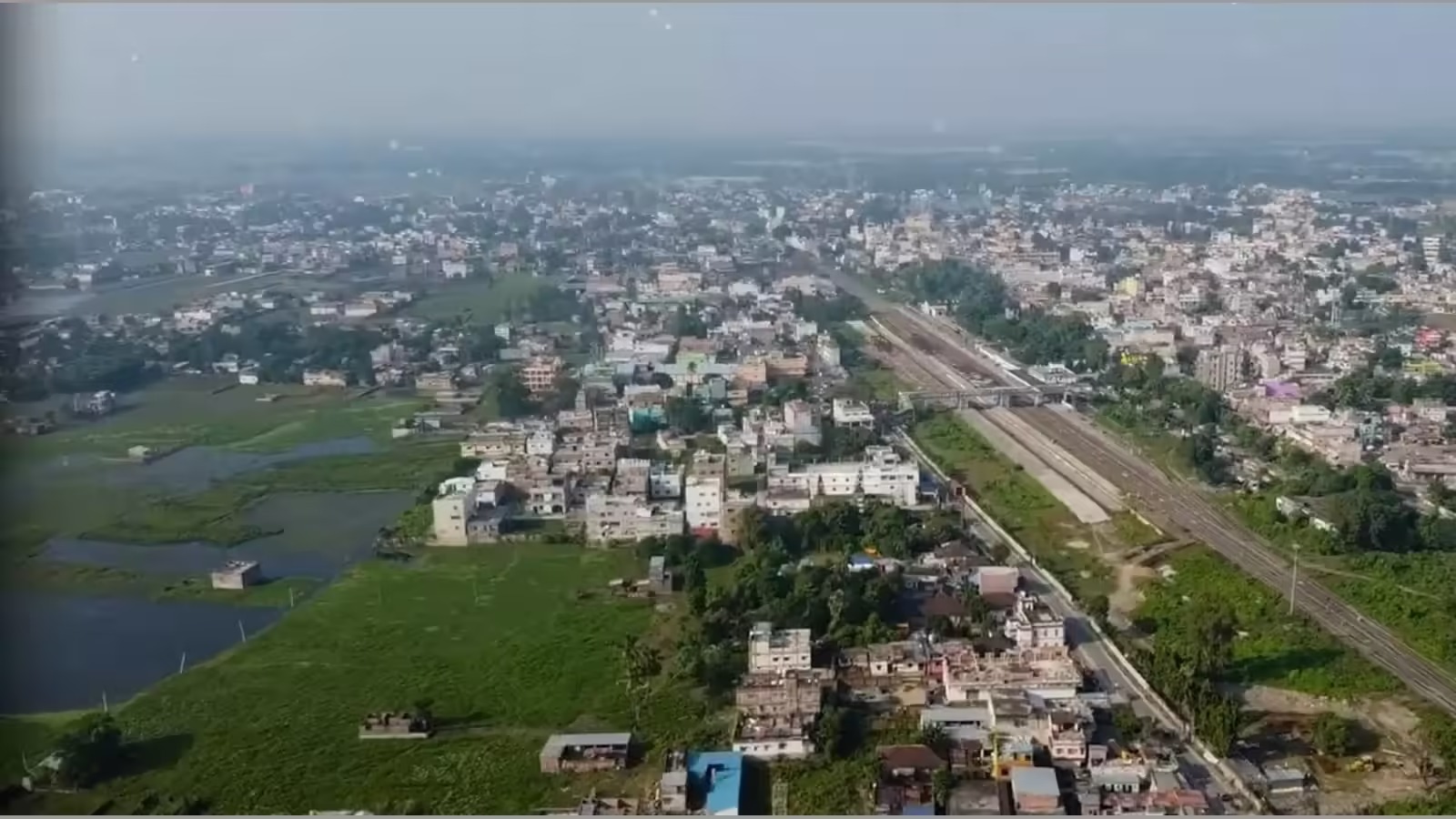
Tucked away in the northeastern corner of Bihar, close to the Indo-Nepal border, Araria is a district that carries a rich blend of history, agriculture, and cultural diversity. While it may not be as widely known as some of Bihar's bigger cities, Araria has its own unique charm — from lush green paddy fields and mango orchards to important administrative history and vibrant local traditions. In this detailed guide by aonego, we take you through everything you need to know about Araria — its history, geography, culture, food, places to visit, and how to get there.
Geographical Overview of Araria
Araria district is located in the Seemanchal region of Bihar, which also includes Kishanganj, Purnia, and Katihar. It shares its northern border with Nepal, making it a strategically important region. The district is bordered by Kishanganj to the east, Purnia to the south, and Madhepura and Supaul to the west.
The district is crisscrossed by several rivers, including the Parman, Bakra, Kosi, and Nuna, which make the land extremely fertile but also prone to seasonal flooding. This riverine landscape shapes much of the local economy, lifestyle, and agricultural patterns of the region.
History of Araria
Araria was carved out as an independent district on January 5, 1990, when it was separated from Purnia district. However, the history of this region goes back much further, tracing its roots to ancient Mithila and the larger cultural sphere of northern Bihar.
During the colonial era, this area was part of the larger Purnia district and played a role in the region's agricultural economy, particularly in jute and rice cultivation, which the British administration heavily relied on for trade. The district's name is believed to be derived from "Araria," referring to the local dialect and settlement patterns of the region.
Post-independence, Araria continued to develop primarily as an agrarian economy, with successive governments working to improve infrastructure, education, and connectivity in this border district.
Culture and Language of Araria
Araria showcases a beautiful confluence of cultures, given its location in the Seemanchal region. The dominant languages spoken here include Maithili, Urdu, Bangla, and Hindi, reflecting the district's diverse population. This multilingual character makes Araria one of the culturally rich districts of Bihar.
The district has a significant Muslim population alongside Hindu communities, and this diversity is beautifully reflected in the local festivals, cuisine, and traditions. Festivals like Eid, Durga Puja, Chhath Puja, and Holi are celebrated with great enthusiasm, often bringing communities together in shared celebration.
Traditional folk music and dance forms, along with local crafts like bamboo work and handloom weaving, form an important part of Araria's cultural identity.
Places to Visit in Araria
While Araria is not a mainstream tourist destination, it offers several interesting places for those wanting to explore off-the-beaten-path Bihar.
1. Bhawanipur
Bhawanipur is known for its historical and religious significance. It has temples and local heritage sites that reflect the region's spiritual traditions and offer a glimpse into rural Bihar's religious life.
2. Forbesganj
One of the important sub-divisions of Araria, Forbesganj is a bustling commercial hub. It was historically significant during British rule and continues to be an important trade center for the district today.
3. Kursakanta
Known for its scenic rural landscape, Kursakanta offers visitors a peaceful getaway with views of agricultural fields and traditional village life, giving an authentic experience of Bihar's countryside.
4. Sikti
Sikti is another notable block in Araria district, known for its agricultural productivity, particularly in maize and jute cultivation, which are among the primary crops in this region.
5. Araria Town Center
The district headquarters itself offers local markets, small eateries, and a glimpse into everyday life in this border town. It's a good starting point for anyone wanting to understand the pulse of the district.
6. Kosi River Belt
For nature lovers, exploring the areas along the Kosi and Parman rivers offers scenic views, especially during the post-monsoon season when the rivers are in full flow and the surrounding fields turn lush green.
Local Cuisine of Araria
Food in Araria is a delightful mix of traditional Bihari flavors with influences from the wider Seemanchal region. Some must-try dishes include:
- Litti Chokha – The quintessential Bihari dish, enjoyed across Araria as much as the rest of the state.
- Fish Curry (Machh Jhol) – Given the abundance of rivers in the region, fish dishes are extremely popular and form a staple part of the local diet.
- Sattu Paratha – A protein-rich, traditional breakfast item common across Bihar.
- Chura-Dahi – Flattened rice served with curd, a light and traditional meal especially popular during festivals.
- Local Sweets – Traditional Bihari sweets like Khaja and Thekua are commonly found in local markets, especially during festive seasons.
The influence of the Seemanchal region also brings certain Bengali and Nepali culinary touches to Araria's food culture, making it a unique gastronomic experience.
Agriculture and Economy of Araria
Araria's economy is predominantly agrarian, with a large percentage of the population dependent on farming. The district is known for cultivating:
- Maize – One of the primary cash crops of the region
- Jute – Historically significant and still cultivated in parts of the district
- Rice and Wheat – Staple food crops grown across the fertile plains
- Mango and Litchi – Fruit orchards also contribute to the local economy, though on a smaller scale compared to districts like Muzaffarpur
In recent years, there has also been a gradual shift towards small-scale industries and local trade, particularly in towns like Forbesganj. Digital platforms like aonego are increasingly playing a role in connecting local businesses in such semi-urban and rural areas with wider markets, helping small entrepreneurs in Araria gain better visibility and reach.
Education in Araria
Education infrastructure in Araria has seen gradual improvement over the past decade. The district has several government and private schools, along with colleges affiliated with Purnia University. Efforts have also been made to improve higher education access, with new degree colleges and vocational training centers being established to serve the local youth population.
Healthcare infrastructure, though still developing compared to larger cities, includes district hospitals and primary health centers that cater to the needs of the local population.
How to Reach Araria
By Air
The nearest major airport to Araria is Purnia Airport, though for more frequent domestic and international connectivity, travelers often use Bagdogra Airport in West Bengal, which is well connected to Araria by road.
By Rail
Araria Court Railway Station and Forbesganj Railway Station are the primary rail links, connecting the district to major cities like Delhi, Kolkata, and other parts of Bihar.
By Road
Araria is well connected via National Highways to Purnia, Kishanganj, and other neighboring districts. Regular bus services operate between Araria and major cities in Bihar, making road travel a convenient option for most visitors.
Festivals and Local Traditions
Araria's festival calendar reflects its diverse cultural fabric. Chhath Puja is celebrated with immense devotion along the riverbanks, where devotees offer prayers to the setting and rising sun. Eid-ul-Fitr and Eid-ul-Adha are celebrated with equal fervor, given the significant Muslim population in the district.
Durga Puja and Kali Puja are also observed with enthusiasm, particularly influenced by the district's proximity to West Bengal. This blend of festivals and traditions makes Araria a wonderful example of communal harmony and cultural coexistence in rural Bihar.
Conclusion
Araria may not be on every traveler's radar, but it offers a genuine and unfiltered glimpse into the life, culture, and traditions of rural Bihar's Seemanchal region. From its rich agricultural landscape to its diverse festivals and warm hospitality, Araria represents the true spirit of a border district shaped by rivers, resilience, and community.
Whether you're a traveler seeking offbeat destinations or someone researching Bihar's lesser-known districts, we hope this aonego guide has given you valuable insight into Araria. Stay connected with aonego for more such detailed guides on Bihar's diverse districts and hidden gems.
"Travel is the only thing you buy that makes you richer."