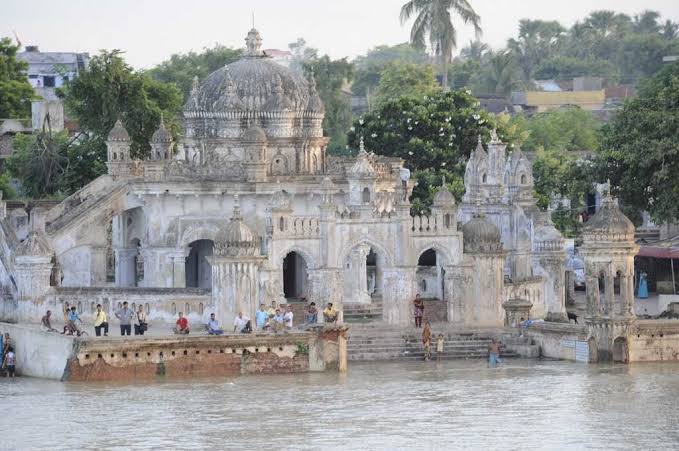
Bhagalpur, Bihar: The Complete Travel Guide to India's Silk City
Introduction: Why Bhagalpur Deserves a Spot on Your Bihar Itinerary
When people think of Bihar tourism, Patna, Bodh Gaya, and Nalanda usually come to mind first. But tucked along the southern banks of the Ganges, Bhagalpur offers a very different kind of experience — one shaped by centuries of trade, spirituality, ancient learning, and one of India's most refined textile traditions. Known widely as the "Silk City of Bihar," Bhagalpur is a place where history, craftsmanship, and river life come together in a way few other Indian cities can match.
At Aonego, we love uncovering destinations that carry real depth beneath the surface, and Bhagalpur is exactly that kind of city. From the ruins of an ancient Buddhist university that once rivaled Nalanda, to mythological hills, Mughal-era shrines, and workshops where artisans still weave silk by hand, Bhagalpur rewards travelers who are willing to look beyond the obvious tourist trail. This guide walks you through everything you need to know before planning your trip.
Where Is Bhagalpur Located?
Bhagalpur sits on the southern bank of the Ganges River in eastern Bihar, at the point where the river's plains open into fertile stretches of mango groves, lychee orchards, and cornfields that spread toward the horizon. The city is connected to Patna and other major cities via NH-80, a route that runs alongside the Ganges for a considerable stretch, offering travelers a scenic drive with sweeping river views.
Bhagalpur is also one of Bihar's oldest districts, historically celebrated for producing exceptionally fine silk fabric, a reputation that gave the city its enduring nickname. Today, Bhagalpur functions as a municipal corporation and remains an important cultural and commercial center in eastern Bihar.
A Brief History of Bhagalpur
Bhagalpur's roots run deep, both historically and mythologically. The city is believed to derive its name from Bhagduttpuram, meaning "the City of Good Luck," a name tied to old regional legends. Over the centuries, Bhagalpur emerged as a confluence point for multiple cultures, religions, and empires, making it one of the more historically layered cities in the region.
The city's most significant historical claim to fame is Vikramshila, an ancient center of Buddhist learning established under the patronage of Dharmapala, a ruler of the Pala dynasty in the 8th century AD. Vikramshila rose to prominence precisely as the once-dominant Nalanda University began to decline, effectively becoming one of the great intellectual hubs of early medieval India. Scholars from across Asia are believed to have traveled here to study Buddhist philosophy, logic, and tantric traditions, cementing Bhagalpur's place in the history of Indian education long before the term "university town" existed anywhere else in the world.
Bhagalpur is also home to a lesser-known but important piece of medical history: the city produced South Asia's first woman doctor, Kadambini Ganguly, whose legacy remains a source of local pride.
Top Places to Visit in Bhagalpur
Bhagalpur's attractions span ancient ruins, mythological hills, Mughal-era shrines, and riverside ashrams — offering something for nearly every kind of traveler.
1. Vikramshila Ruins
Located roughly 40 kilometers from Bhagalpur city, the ruins of Vikramshila University are, without question, the city's most important historical site. Built under the guidance of the Pala king Dharmapala, this monastic university was once a major center of Buddhist scholarship, drawing students and teachers from across the subcontinent. Walking through the excavated remains today offers a rare, tangible connection to India's ancient academic traditions.
2. Mandar Hill (Mandar Parvat)
An 800-foot granite hill with deep roots in Hindu mythology, Mandar Hill is said to be the very mountain that gods and demons used to churn the cosmic ocean in the legend of the Samudra Manthan. Local legend also holds that Lord Vishnu slew a demon here, with footprint-like formations at various points on the hill offered as evidence. The hill is surrounded by rock-cut sculptures bearing Brahmanical inscriptions, and it is also believed that the 12th Jain Tirthankar attained Nirvana at this very site — making Mandar Hill a rare spot sacred to multiple faiths at once.
3. Sultanganj and the Ajgaivinath Temple
Located about 28 kilometers west of Bhagalpur on the Ganges, Sultanganj is best known for the Ajgaivinath Temple, a site dating back to the 2nd century AD. This is also the starting point of the famous Kanwar Yatra, where pilgrims fill containers with holy Ganges water — flowing northward here, which is considered spiritually significant — and carry it nearly 80 kilometers on foot to the temple of Lord Baidyanath in Deoghar. If you visit during July and August, you'll witness this remarkable pilgrimage firsthand.
4. Colganj Rock-Cut Temple
Around 8 kilometers west of Sultanganj, the Colganj rock-cut temples showcase carvings that trace back to the Gupta Empire. The site features artistically etched images of Hindu, Buddhist, and Jain deities, with some local legends suggesting certain carvings may date as far back as the reign of Emperor Ashoka. The crumbling masonry and rock-cut artistry here make it a fascinating stop for anyone interested in ancient Indian architecture.
5. Khanqah-e-Shahbazia
Founded in 1577 AD, this revered Sufi shrine houses the grave of Maulana Shahbaz, whose descendants continue to manage the site to this day. Built in a striking Mughal architectural style with geometric patterns and expansive courtyards, the Khanqah draws visitors of all faiths, especially on Thursdays and Fridays, when large crowds gather to seek blessings. An annual Urs festival is held here, and manuscripts of considerable historical value are reportedly stored within the shrine's premises.
6. Tomb of Ibrahim Hussain Khan
A fine example of late Mughal architecture, this mausoleum features octagonal corner towers, a central domed chamber, and arched verandahs. Scottish physician and geographer Francis Buchanan, who visited the site in 1810, reportedly considered it superior to many other Muslim monuments of the same era found elsewhere in northern Bihar.
7. Kuppa Ghat and Maharshi Mehi Ashram
Situated on the banks of the Ganga, Kuppa Ghat is home to the ashram of Maharshi Mehi Paramhans, a prominent figure in the Sant Mat spiritual tradition. The riverside setting makes it a peaceful spot for reflection, away from the city's busier commercial areas.
8. Bhagalpur's Silk Markets
No visit to the Silk City is complete without exploring where its name truly comes to life. Head to Tilkamanjhi Market and Kachahari Road Market to browse authentic Bhagalpuri silk sarees, Tussar silk products, and handloom textiles. Watching local artisans at work, transforming raw silk threads into intricately woven fabric, is a cultural experience in itself — and one that connects visitors directly to a craft tradition that has defined this city for generations.
What Makes Bhagalpur Special?
- A Living Silk Tradition: Bhagalpur's silk industry isn't just a historical footnote — it's an active, thriving craft you can witness and shop for in person.
- Layered Religious Heritage: From ancient Buddhist ruins to Hindu mythology, Jain pilgrimage sites, and Sufi shrines, few cities pack in this much interfaith history within such a compact radius.
- Riverside Scenery: The Ganges flows alongside much of the city and its surrounding routes, offering picturesque views for travelers driving in from Patna.
- A Growing Eco-Tourism Scene: Increasingly, visitors are drawn to nearby areas to spot Gangetic dolphins in the Ganges and explore the region's natural flora and fauna, reflecting a broader shift toward sustainable, experiential travel in the region.
Local Food: What to Eat in Bhagalpur
Bhagalpur's food culture reflects the wider culinary traditions of Bihar, with a few local specialties worth seeking out. Litti-chokha — roasted wheat balls served with mashed, spiced vegetables — remains a staple, alongside sattu parathas, made from roasted gram flour and packed with flavor. For a more contemporary dining experience, restaurants along MG Road serve a mix of North Indian and Chinese dishes, making it easy to find a meal to suit any preference after a day of sightseeing.
Best Time to Visit Bhagalpur
The ideal time to visit Bhagalpur is between October and March, when the weather is cool and comfortable for exploring outdoor sites like Mandar Hill and the Vikramshila ruins. Summers can be quite hot, and while the monsoon season brings lush greenery to the surrounding countryside, it can also make travel to riverside and rural sites more difficult. If you're interested in witnessing the Kanwar Yatra pilgrimage at Sultanganj, plan your visit for July or August, keeping in mind that this is also peak monsoon season.
How to Reach Bhagalpur
By Air: The nearest major airport is Patna Airport, roughly 150 kilometers away, from where Bhagalpur can be reached by road.
By Train: Bhagalpur has its own railway station with good connectivity to major cities across Bihar and neighboring states, making rail travel one of the most convenient options.
By Road: Bhagalpur is well connected via NH-80 to Patna and other major cities, offering a scenic riverside drive for those who prefer traveling by road.
Travel Tips for Visiting Bhagalpur
- Time your trip around the Kanwar Yatra if you're interested in witnessing it — but expect larger crowds at Sultanganj during July and August.
- Set aside a full day for Vikramshila. Given its distance from the city center, it's best explored as a dedicated half-day or full-day excursion rather than a quick stop.
- Shop for silk directly from local weavers in Tilkamanjhi or Kachahari Road markets for the most authentic products and fair pricing.
- Dress modestly at religious sites, particularly at the Khanqah and temple complexes, out of respect for local customs.
- Combine your visit with nearby destinations like Munger or Khagaria to build a fuller eastern Bihar itinerary.
Why Explore Bhagalpur with Aonego
At Aonego, we believe the most rewarding trips are the ones that blend history, culture, and authenticity — and Bhagalpur checks every one of those boxes. This is a city where ancient Buddhist scholarship, Hindu mythology, Jain heritage, Sufi spirituality, and one of India's finest silk-weaving traditions all exist side by side, often within a short drive of one another.
Whether you're planning a longer eastern Bihar circuit that includes Khagaria, Munger, and Patna, or a focused trip centered entirely around Bhagalpur's heritage sites and silk markets, this city offers a travel experience that feels distinctly different from India's more commercialized destinations.
Frequently Asked Questions About Bhagalpur
Q1. Why is Bhagalpur called the Silk City?
Bhagalpur has been renowned for centuries for producing high-quality silk, particularly Tussar silk, and remains one of India's most respected centers for handwoven silk textiles.
Q2. What is the most famous historical site in Bhagalpur?
The Vikramshila Ruins, an ancient Buddhist university built by the Pala king Dharmapala, is widely considered Bhagalpur's most significant historical attraction.
Q3. How many days should I plan for a Bhagalpur trip?
Two to three days are generally enough to cover the city's key attractions, including Vikramshila, Mandar Hill, Sultanganj, and the local silk markets.
Q4. Is Bhagalpur connected by air and rail?
Bhagalpur has its own railway station with good regional connectivity. The nearest airport is Patna, located about 150 kilometers away.
Q5. What is the best time to visit Bhagalpur?
October to March offers the most comfortable weather for sightseeing, though July and August are ideal if you want to witness the Kanwar Yatra pilgrimage.
Final Thoughts
Bhagalpur is a city that rewards curiosity. Beneath its identity as the Silk City lies a much deeper story — one of ancient universities, mythological hills, interfaith heritage, and a river that has shaped the rhythm of life here for centuries. It's a destination that offers history buffs, spiritual travelers, and craft enthusiasts something genuinely memorable, without the crowds that come with India's more mainstream tourist spots.
At Aonego, we're always looking to spotlight cities like Bhagalpur — places with real substance, waiting to be explored at your own pace. So when you're mapping out your next Bihar journey, make sure Bhagalpur earns a proper place on the route.
"Travel is the only thing you buy that makes you richer."