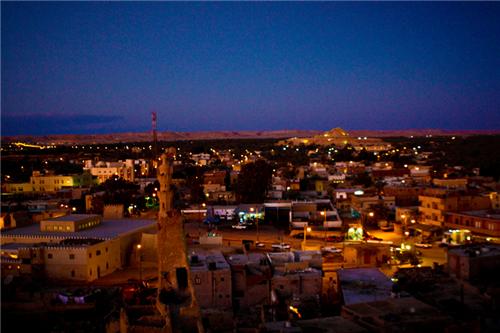
Siwan, Bihar: A Complete Travel Guide to This Hidden Gem of West Bihar
Introduction: Why Siwan Deserves a Place on Your Bihar Travel Map
Nestled in the western part of Bihar, close to the border of Uttar Pradesh, Siwan is a district that quietly holds an outsized place in Indian history. It is the birthplace of Dr. Rajendra Prasad, independent India's first President, and home to ancient sites tied to figures as significant as Dronacharya, the legendary guru of the Mahabharata. Despite this remarkable legacy, Siwan remains largely overlooked by mainstream tourism — which is exactly what makes it worth exploring.
At Aonego, we're drawn to destinations that offer substance over spectacle, and Siwan fits that description perfectly. From mythological ashrams and Buddhist stupas to colonial-era palaces, Sufi shrines, and the birthplace of a president, this district packs an extraordinary amount of history into a relatively compact area. This guide walks you through everything you need to know to plan a memorable trip to Siwan.
Where Is Siwan Located?
Siwan district lies in the western part of Bihar, within the Saran division, close to the Uttar Pradesh border. The district headquarters, Siwan town, functions as the administrative, commercial, and cultural center of the region. Spread across roughly 2,219 square kilometers, Siwan was historically a sub-division of the old Saran district before being carved out as an independent district in 1972.
Interestingly, the district was earlier known as "Aliganj Siwan," named after Raja Ali Bux Khan, a detail that reflects the layered history of rulers and influences that have shaped this region over time. Siwan is well connected by road via NH 531, and its people continue to speak Bhojpuri, the region's widely known cultural language, alongside Hindi and Urdu.
A Brief History of Siwan
Siwan's history is steeped in both mythology and documented antiquity. In ancient times, the region formed part of the Kosala Kingdom, one of the great Mahajanapadas of early Indian civilization, connecting Siwan's roots to some of the earliest chapters of organized Indian statehood.
Perhaps the most fascinating historical thread in Siwan is its connection to Dronacharya, the revered guru of the Pandavas and Kauravas in the Mahabharata. According to local tradition, Dronacharya had an ashram in the village of Don, and is believed to have spent considerable time here. This connection lends the district a mythological weight that few other places in Bihar can claim.
Siwan's Buddhist connections are equally compelling. The Chinese pilgrim Hiuen Tsang, during his travels through India in the 7th century AD, documented a visit to this very village of Don, where he described a stupa that was already in ruins at the time of his visit. This stupa is tied to an important episode from Buddhist scripture — the Mahaparinibbana Sutta recounts how a Brahmin named Dona was entrusted with dividing the Buddha's ashes among various claimants after his death, and is said to have kept the vessel used for the division. Today, the site of Don's Stupa has a Hindu temple built atop it, where a striking 9th-century statue of the goddess Tara is worshipped, illustrating the layered religious history so common across ancient Bihar.
In more recent history, Siwan produced two towering figures of modern India: Dr. Rajendra Prasad, who went on to become independent India's first President, and Maulana Mazharul Haq, one of the country's most respected freedom fighters and a powerful symbol of Hindu-Muslim unity during the independence movement.
Top Places to Visit in Siwan
Siwan's attractions span mythology, Buddhist heritage, colonial architecture, and modern Indian political history — a genuinely diverse mix for a relatively small district.
1. Zeeradei: Birthplace of Dr. Rajendra Prasad
Located about 13 kilometers from the district headquarters, Zeeradei holds a special place in Indian history as the birthplace of Dr. Rajendra Prasad, India's first President and a recipient of the Bharat Ratna. Known affectionately as "Rajendra Babu" by his contemporaries, Prasad was celebrated for his simplicity, honesty, and unwavering dedication to public service. His ancestral home in Zeeradei has been preserved and remains an important pilgrimage site for visitors interested in India's political history.
2. Don's Stupa
This lesser-known but historically rich Buddhist site is tied directly to the story of the Buddha's ashes and was documented by the Chinese pilgrim Hiuen Tsang during his 7th-century travels. Though the original stupa lies in ruins, a Hindu temple now stands atop the hill, home to a beautifully carved 9th-century statue of the goddess Tara. For travelers on a Buddhist heritage circuit through Bihar, Don's Stupa offers a quiet, meaningful detour away from the more heavily visited sites elsewhere in the state.
3. Maulana Mazharul Haq's Residence
This site preserves the native residence of Maulana Mazharul Haq, a prominent freedom fighter remembered for his role in India's independence movement and his lifelong commitment to Hindu-Muslim unity. It stands as an important stop for visitors interested in the personal histories behind India's freedom struggle.
4. Bakhri Village Temples (Samadhi Sthals)
Located in the Siswan block, this site is home to two significant temples — the samadhi sthals of the revered saints Swami Jagannath Das ji and his guru Bhagwan Das ji. Situated near the Daha River, these temples draw thousands of devotees, particularly on auspicious days, when pilgrims travel from as far as Uttar Pradesh, West Bengal, and Delhi, as well as from within Bihar, to pay their respects.
5. Sohagara Temple, Darauli
Located in the Darauli block, Sohagara Temple is one of Siwan's notable religious sites, drawing local devotees and reflecting the strong devotional culture found throughout the district.
6. Baba Mahendra Nath Temple, Mehdar
Situated in Mehdar, this temple is dedicated to Baba Mahendra Nath and remains an important religious landmark for the local community, contributing to Siwan's rich tapestry of devotional sites.
7. Budhiyaa Mai Temple
Another significant devotional site within the district, the Budhiyaa Mai Temple draws worshippers seeking blessings and continues to be an important part of the district's religious fabric.
8. Maharaja Harendra Kishore Prasad Mathiya Mahal
Built in the early 20th century, this beautifully designed palace is a fine example of colonial-era architecture in Bihar. Surrounded by lush gardens and featuring intricate interior carvings and paintings, the Mahal offers visitors a glimpse into the opulent lifestyle once enjoyed by regional royalty. It remains one of Siwan's most visually striking heritage sites.
9. Bhagwanpur Fort
Among the most well-known historical sites in the district, Bhagwanpur Fort offers a tangible connection to Siwan's medieval past and remains a point of interest for history-focused travelers exploring the region.
10. Gadaiya Park
For a change of pace from temples and historical monuments, Gadaiya Park offers a sprawling green space ideal for a relaxed picnic or a peaceful walk. Home to a variety of local flora and fauna, it's a favorite spot for both residents and visitors looking to unwind.
What Makes Siwan Worth Visiting?
- Birthplace of a President: Few districts in India can claim as direct a connection to a founding figure of the republic as Siwan does through Zeeradei.
- Mythological and Buddhist Depth: From Dronacharya's ashram to Don's Stupa, Siwan offers genuine connections to both the Mahabharata and early Buddhist history.
- A Blend of Faiths: Hindu temples, Sufi and Islamic heritage sites, and Buddhist ruins all coexist within the district, reflecting Siwan's long tradition of religious diversity.
- Colonial and Royal Architecture: The Maharaja Harendra Kishore Prasad Mathiya Mahal and Bhagwanpur Fort add an architectural dimension to the district's historical appeal.
- Genuine Off-the-Beaten-Path Travel: Siwan remains largely untouched by mass tourism, offering a more authentic, unhurried travel experience.
Local Food: What to Eat in Siwan
Like much of Bihar, Siwan's cuisine is rooted in simple, locally sourced ingredients and time-honored recipes. Litti-chokha remains the district's signature dish, alongside sattu paratha, made from roasted gram flour. For those with a sweet tooth, malpua, a traditional Indian sweet pancake, is a popular local treat worth trying during your visit.
Best Time to Visit Siwan
The most comfortable time to visit Siwan is between October and March, when the weather is cool and pleasant for exploring outdoor sites like Zeeradei, Don's Stupa, and Gadaiya Park. Summers in this part of Bihar can get quite hot, and the monsoon season, while good for the district's greenery, can make travel to rural temple sites more challenging.
How to Reach Siwan
By Road: Siwan is well connected via NH 531, with regular bus and taxi services linking it to Patna and other major towns in the region.
By Train: Siwan has its own railway station with connectivity to key cities in Bihar and neighboring states, making rail travel a convenient option for most visitors.
By Air: The nearest major airport is in Patna, from where Siwan can be reached by road in a few hours.
Travel Tips for Visiting Siwan
- Start with Zeeradei. Visiting Dr. Rajendra Prasad's birthplace first offers valuable historical context for understanding the district's broader significance.
- Plan around auspicious days for temple visits. Sites like the Bakhri village temples see much larger crowds during festivals, so plan accordingly based on your preference for quieter or more festive visits.
- Combine history with nature. Pair a visit to Bhagwanpur Fort or the Mathiya Mahal with a relaxed stop at Gadaiya Park for a well-rounded day.
- Try the local sweets. Don't leave Siwan without sampling malpua from a local vendor.
- Respect heritage sites. Many of Siwan's historical locations are still actively used for worship or preserved for their architectural value — travel respectfully.
Why Explore Siwan with Aonego
At Aonego, we believe the richest travel experiences often come from places that history has shaped quietly, rather than loudly. Siwan is exactly that kind of district — home to a mythological guru's ashram, a Buddhist stupa tied to the Buddha's own relics, the birthplace of India's first President, and the residence of a celebrated freedom fighter, all within a single, compact region of western Bihar.
Whether you're planning a broader Bihar circuit that includes Patna, Gopalganj, and Saran, or a focused trip centered entirely around Siwan's historical and religious heritage, this district offers a travel experience defined by authenticity and depth rather than crowds.
Frequently Asked Questions About Siwan
Q1. What is Siwan famous for? Siwan is best known as the birthplace of Dr. Rajendra Prasad, India's first President, as well as for its ancient mythological and Buddhist heritage sites, including Don's Stupa.
Q2. What is the historical significance of Don village in Siwan? Don village is believed to have been the ashram of Dronacharya, the guru from the Mahabharata, and is also home to an ancient Buddhist stupa documented by the Chinese pilgrim Hiuen Tsang in the 7th century AD.
Q3. How many days are enough to explore Siwan? One to two days are generally sufficient to cover the district's major attractions, including Zeeradei, Don's Stupa, and the local temples and palaces.
Q4. Is Siwan connected by rail and road? Yes, Siwan has its own railway station and is well connected by road via NH 531, with buses and taxis available to and from Patna and neighboring towns.
Q5. What is the local food in Siwan? Litti-chokha, sattu paratha, and malpua are among the most popular local dishes and sweets in the district.
Final Thoughts
Siwan may not top most tourist itineraries in Bihar, but few districts pack in this level of historical, mythological, and religious significance within such a modest geographic footprint. From the ashram of a Mahabharata-era guru to the birthplace of a president who helped shape modern India, Siwan tells a story that spans thousands of years — quietly, and without the fanfare of more commercialized destinations.
At Aonego, we're always looking to spotlight places like Siwan — destinations with real depth, waiting for travelers willing to look a little closer. So when you're planning your next journey through Bihar, make sure Siwan finds its way onto your route.
"Travel is the only thing you buy that makes you richer."