Gopalganj, Bihar: The Complete Travel and Culture Guide (2026)
Nestled in the northwestern part of Bihar, close to the border with Uttar Pradesh, Gopalganj is a district that blends spiritual heritage, quiet natural beauty, and the everyday rhythm of rural Bihar. Often overshadowed by more famous destinations in the state, Gopalganj rewards those who venture here with serene temples, historic sites, and a genuine slice of small-town Bihari life. In this guide, brought to you by AoneGo, we cover everything you need to know before visiting Gopalganj — its history, top attractions, culture, food, best time to visit, and practical travel tips.
Where Is Gopalganj Located?
Gopalganj is a district in northwestern Bihar, bordering Uttar Pradesh to the west and sharing proximity with other North Bihar districts like Siwan, Saran, and both East and West Champaran. The district lies in the fertile plains fed by rivers such as the Gandak, which flows along parts of its boundary, shaping the region's agriculture and landscape.
Its location places it within relatively easy reach of both Bihar's major cities and the neighboring Uttar Pradesh belt, making it a practical stop for travelers exploring the wider North Bihar region.
A Brief History of Gopalganj
Gopalganj's history is tied closely to the broader historical narrative of the Saran and Champaran regions, of which it was once administratively a part before emerging as a separate district. The area has long been an agricultural heartland, with its fortunes historically linked to the cultivation of crops along the fertile Gandak river plains.
The district carries religious and cultural significance that predates its formal administrative boundaries, with several ancient temples and shrines pointing to a long history of pilgrimage and local devotion. Over the colonial and post-independence periods, Gopalganj grew gradually into its own administrative identity, developing local infrastructure while retaining its predominantly rural and agrarian character.
In more recent decades, Gopalganj has also gained national attention as the political home turf of several prominent Bihari leaders, adding a modern layer to its historical narrative and occasionally drawing visitors interested in the region's political landscape.
Top Places to Visit in Gopalganj
While compact compared to some of Bihar's larger districts, Gopalganj offers several noteworthy sites for travelers interested in temples, history, and rural landscapes.
1. Thawe Temple (Thawe Durga Mandir)
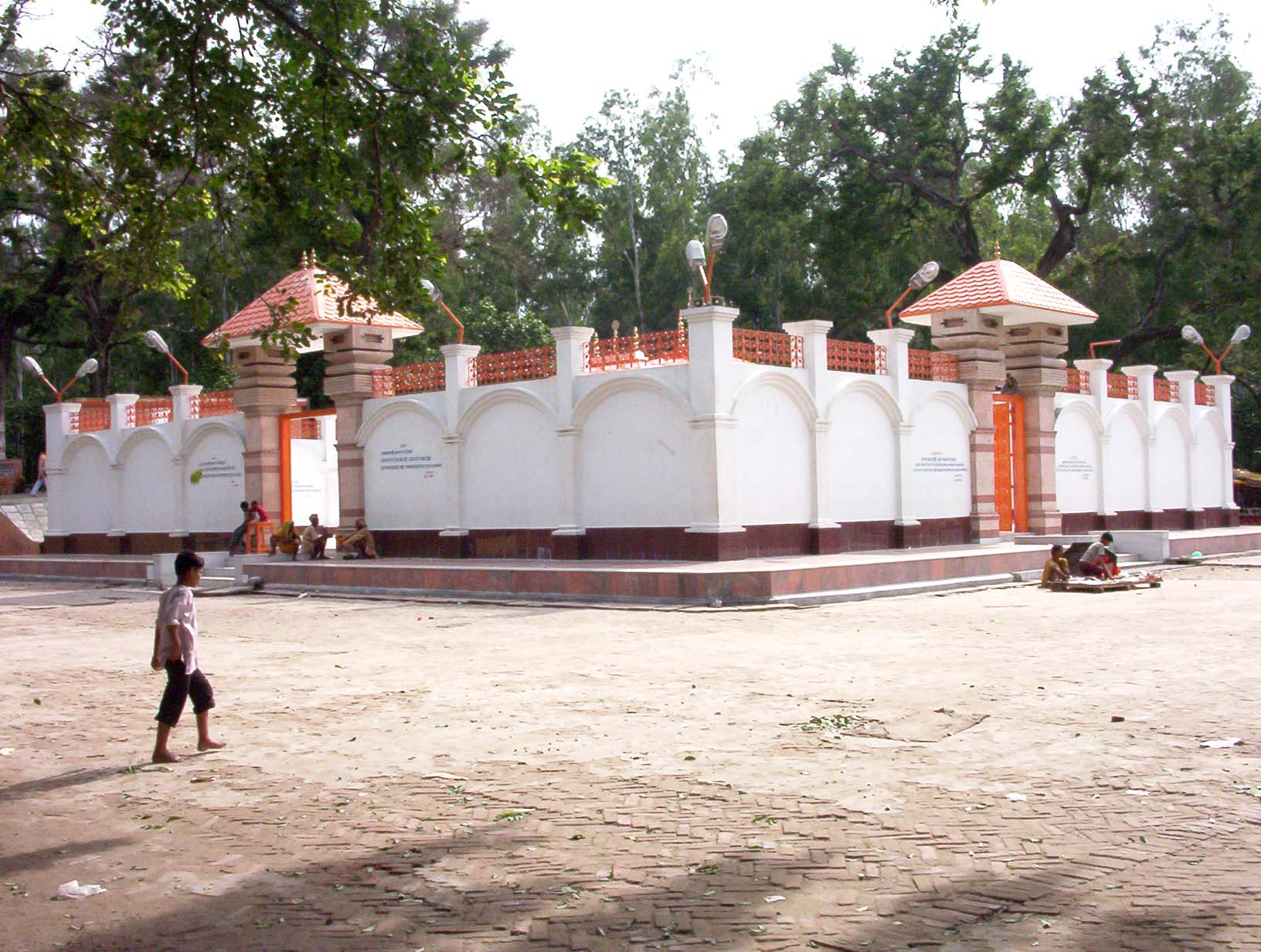
Perhaps the most famous landmark in Gopalganj, the Thawe Temple is dedicated to Goddess Durga and is steeped in local legend. According to popular belief, the temple's origins are linked to a miraculous tale involving a devotee and a demon king, and it remains one of the most visited religious sites in the district, drawing pilgrims from across the region, especially during Navratri.
2. Someshwarnath Temple
An important Shiva temple in the district, this site holds deep religious significance for local devotees and reflects the strong Shaivite traditions present throughout this part of Bihar.
3. Gopalganj Town and Local Markets
The district headquarters itself offers a glimpse into everyday small-town Bihari life — bustling local markets, modest eateries, and a slower pace that contrasts with Bihar's larger cities. It's a good base for exploring the surrounding rural areas.
4. Gandak River Landscapes
The riverbanks and surrounding countryside along the Gandak offer scenic, unhurried views of rural Bihar — lush fields, small villages, and the everyday agricultural rhythms that define much of the district's economy and character.
5. Local Village Life and Rural Tourism
For travelers interested in experiencing authentic rural India, the villages surrounding Gopalganj town offer a genuine, unpolished look at farming communities, traditional homes, and the seasonal cycles of agriculture that shape daily life here.
6. Nearby Historical Connections
Given its proximity to East and West Champaran, Gopalganj can easily be combined with visits to Gandhi-related heritage sites and other North Bihar historical landmarks, making it a convenient addition to a broader regional itinerary.
Culture and Local Life in Gopalganj
Gopalganj's culture is rooted in the broader Bhojpuri cultural belt of North Bihar, with strong traditions of folk music, oral storytelling, and community festivals.
Festivals are a significant part of local life here. Navratri sees particularly large gatherings at the Thawe Temple, with devotees traveling from across the region to participate in the celebrations. Chhath Puja is observed with deep devotion along the district's riverbanks and ponds, while Holi, Diwali, and Maha Shivratri are also celebrated widely across communities.
Language in Gopalganj is predominantly Bhojpuri and Hindi, with the local dialect carrying the rhythmic, expressive qualities characteristic of the wider Bhojpuri-speaking region spanning western Bihar and eastern Uttar Pradesh.
Everyday life in the district remains closely tied to agriculture, with crops like sugarcane, paddy, and wheat forming the backbone of the local economy. Small-scale trade and local markets support the town's commercial activity, while the surrounding villages continue traditional farming practices passed down through generations.
What to Eat in Gopalganj
Gopalganj's food culture reflects classic Bhojpuri and Bihari culinary traditions — simple, hearty, and full of flavor.
- Litti Chokha – The quintessential Bihari staple, featuring roasted sattu-stuffed wheat balls served alongside smoky mashed vegetables.
- Sattu-based Dishes – Sattu parathas and refreshing sattu drinks are popular, particularly valued for their cooling properties during hot months.
- Thekua – A traditional jaggery and wheat-flour sweet, closely associated with Chhath Puja celebrations across the district.
- Chana Ghugni – A spiced chickpea preparation, commonly sold by street vendors as a popular evening snack.
- Local Sweets – Traditional Bihari mithais are widely available in the town's markets, especially around festival seasons.
The area around Gopalganj town and near the Thawe Temple offers some of the most authentic and reasonably priced local food, particularly during festival periods when food stalls multiply around the temple grounds.
Best Time to Visit Gopalganj
The best time to visit Gopalganj is between October and March, when the weather is pleasant and comfortable for temple visits and exploring the surrounding countryside.
- Summers (April–June) tend to be hot, with temperatures often exceeding 35°C, making outdoor sightseeing less comfortable during peak afternoon hours.
- Monsoon (July–September) brings good rainfall to the district, greening the agricultural landscape but also increasing humidity and the possibility of localized flooding near the Gandak river.
- Festival season, particularly around Navratri (for Thawe Temple) and Chhath Puja, is an especially rewarding time to visit for those wanting to witness the district's religious and cultural life at its liveliest.
How to Reach Gopalganj
By Air: The nearest major airport is in Patna (Jay Prakash Narayan Airport), from where Gopalganj is accessible by road. Gorakhpur airport in neighboring Uttar Pradesh is another viable option depending on the traveler's route.
By Rail: Gopalganj has its own railway station with connections to major regional hubs, making train travel a convenient way to reach the district, particularly for those coming from Patna or other parts of North Bihar.
By Road: Gopalganj is well connected via National Highways to Patna, Chapra (Saran), and towns across the Champaran districts, as well as routes leading into neighboring Uttar Pradesh. The district is accessible by both private vehicles and state/interstate bus services.
Travel Tips for Visiting Gopalganj
- Visit Thawe Temple early in the day to avoid the larger crowds that build up later, especially during Navratri.
- Combine with Champaran — given the geographical proximity, many travelers pair a Gopalganj visit with Gandhi heritage sites in East or West Champaran.
- Carry cash for local markets and rural areas, as digital payments may not always be accepted outside the main town.
- Dress modestly when visiting temples, particularly during major religious gatherings.
- Explore beyond the town center if you're interested in rural life — the surrounding villages offer a more authentic look at Bihar's agricultural heartland.
- Plan for seasonal weather, especially if traveling during monsoon months, given the district's proximity to the Gandak river.
Why Gopalganj Deserves More Attention
Gopalganj may not carry the same historical fame as some of Bihar's other districts, but it offers something equally valuable — a genuine, unhurried window into North Bihar's spiritual and rural life. From the devotional energy of Thawe Temple to the quiet rhythm of villages along the Gandak, Gopalganj represents the kind of destination where travel becomes less about ticking off landmarks and more about experiencing a place as it truly is.
For those exploring North Bihar, or looking to pair a heritage-focused trip through the Champaran districts with a meaningful stop, Gopalganj offers a rewarding, authentic addition to the itinerary — welcoming, culturally rich, and refreshingly free of tourist crowds.
"Travel is the only thing you buy that makes you richer."