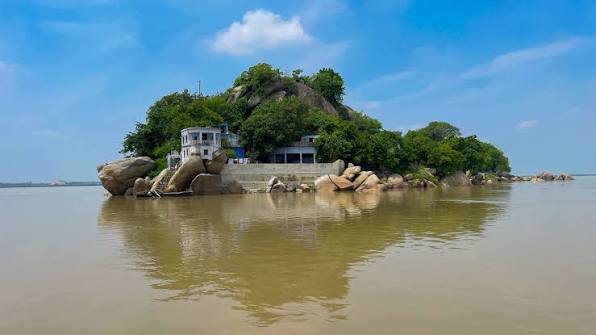
Introduction: Discover Khagaria, Bihar's Quiet River Town
If you have ever wanted to step away from the crowded tourist circuits of India and experience the real, unfiltered rhythm of rural Bihar, Khagaria deserves a spot on your travel list. Tucked away in the northeastern part of Bihar, Khagaria is a small district that rarely makes it to mainstream travel brochures, yet it holds a quiet charm that larger, more commercial destinations often lose. At Aonego, we believe some of the most memorable journeys happen in places that haven't been packaged for mass tourism, and Khagaria is exactly that kind of destination.
Surrounded by rivers, farmland, and centuries of layered history, Khagaria offers travelers a chance to slow down. Whether you are a history enthusiast curious about the region's Anga and Mithila roots, a nature lover who wants to watch the sun set over the Ganges, or simply someone looking for an offbeat weekend escape from Patna, this guide covers everything you need to know before you go.
Where Is Khagaria Located?
Khagaria district sits in the northeastern part of Bihar, close to the banks of the Ganges. It is a river-shaped land in the truest sense — three major rivers, the Kosi, the Bagmati, and the Kamla, pass through or near the district, feeding its fields and shaping the lives of the people who live here. This proximity to water has made Khagaria historically important as a trade and settlement point, while also making flood management a defining part of local life during the monsoon season.
The district headquarters, Khagaria town, functions as the administrative and commercial heart of the region, while the surrounding areas remain largely agricultural, dotted with villages that still follow age-old farming rhythms tied closely to the river cycles.
Well connected by rail, Khagaria Junction is a functioning station on the Barauni–Guwahati line and the Barauni–Katihar section, making it relatively easy to reach by train from major cities in Bihar and neighboring states.
A Brief History of Khagaria
Khagaria's story goes back much further than most visitors realize. The region was historically part of the old district of Munger and formed part of what ancient texts referred to as Madhya-desa, or the "Midland" of the earliest Aryan settlers in India. Some historians have connected the area to Modagiri, a place mentioned in the Mahabharata as the capital of a kingdom in eastern India.
In ancient times, this land fell within the boundaries of the Kingdom of Anga, whose capital was located at Champa, near present-day Bhagalpur. Anga's influence stretched across what are now the Bhagalpur and Munger districts and extended northward toward the Kosi River, touching the western portion of present-day Purnea district. The famous Chinese traveler Hiuen-Tsiang is also recorded to have passed through this part of the old Munger district during his travels in India, offering one of the earliest documented outsider accounts of the region.
Over the centuries, Khagaria's identity was shaped by the overlapping cultural influences of the Anga, Mithila, and Magadh regions — three of the most historically significant cultural zones of ancient Bihar. While the district doesn't feature prominently in mainstream historical narratives the way Patna or Rajgir does, its land quietly absorbed and reflected the shifts of these great civilizations, and traces of that layered heritage still show up in local traditions, architecture, and folklore today.
Top Places to Visit in Khagaria
Khagaria may be compact, but it has a handful of attractions that are genuinely worth a visit, especially if you enjoy history, spirituality, and scenic river landscapes.
1. Khagaria Fort
Located in the heart of Khagaria town, this historical fort dates back to the medieval period, when it served as a defensive stronghold. Though it isn't as grand or widely known as India's more famous forts, Khagaria Fort carries real regional significance, having witnessed the rise and fall of various local rulers over time. Its weathered walls and strategic layout hint at the military importance the site once held, making it an interesting stop for history buffs who enjoy exploring lesser-known heritage sites.
2. Rajendra Smriti Park
This peaceful, well-landscaped park is dedicated to Dr. Rajendra Prasad, the first President of India. With manicured gardens, shaded walking paths, and quiet seating areas, it's a favorite spot for locals to unwind and for visitors to pay homage to one of India's most respected leaders. It's an ideal stop if you're looking for a calm, green space to break up a day of sightseeing.
3. Katyayani Asthan
Located roughly 12 kilometers from the district headquarters on the banks of the Koshi River, Katyayani Asthan is a revered religious site among locals. For travelers interested in the spiritual and devotional side of rural Bihar, a visit here offers a glimpse into the local faith traditions that continue to draw pilgrims from the surrounding villages.
4. The Ganges Riverfront
No trip to Khagaria is complete without spending time along the river. The Ganges flows near the district, and the riverside areas offer some of the most scenic, unhurried views in the region — perfect for an early morning walk, a quiet evening, or simply watching daily rural life unfold along the water.
5. Nearby Excursions: Munger, Bhagalpur, and Bihar Sharif
Khagaria's location makes it a convenient base for exploring some of Bihar's better-known heritage towns. Munger, famous for its historic fort and riverside ghats, and Bhagalpur, known for its silk industry and cultural landmarks, are both within reasonable traveling distance. Bihar Sharif, another town rich in historical and religious significance, also makes for a worthwhile day trip if you have extra time.
What Makes Khagaria Worth Visiting?
Khagaria isn't a destination that overwhelms you with monuments or five-star attractions — and that's precisely its appeal. Here's what makes it special:
- Rural Peacefulness: Khagaria offers a genuinely calm, unhurried atmosphere, a welcome contrast to India's busier tourist hubs.
- Rich Agricultural Landscape: The countryside around Khagaria is dominated by farmland, offering scenic views of fields and the river that borders them.
- Layered Cultural Heritage: From its Anga-era roots to its medieval fort, Khagaria's history reflects centuries of change without ever losing its rural character.
- A Gateway to Bigger Attractions: Its location makes it a practical base for exploring Munger, Bhagalpur, and other historically rich towns nearby.
Local Food: What to Eat in Khagaria
A trip to Khagaria isn't complete without tasting the authentic flavors of rural Bihar. Given the district's proximity to rivers, fish appears regularly on local plates, prepared in traditional Bihari styles. You'll also find sattu (roasted gram flour) used generously in local meals, often paired with litti-chokha — roasted wheat balls stuffed with sattu, served with mashed and spiced vegetables. These simple, hearty dishes reflect the agrarian lifestyle of the region and are a must-try for any food-curious traveler.
Best Time to Visit Khagaria
Given its location near multiple rivers, Khagaria experiences a fairly pronounced monsoon season, during which flooding can affect travel in low-lying areas. For the most comfortable experience:
- October to March is generally considered the best window to visit, with cooler, drier weather ideal for sightseeing and outdoor exploration.
- Avoid the peak monsoon months (July–September), when river levels rise and travel to rural and riverside areas can become difficult.
- Winter mornings along the Ganges riverfront are particularly pleasant, with mild temperatures perfect for walks and photography.
How to Reach Khagaria
By Train: Khagaria Junction (station code: KGG) is well connected via the Barauni–Guwahati line, the Barauni–Katihar section, and the Samastipur–Khagaria Loop Line, making rail travel one of the most convenient ways to reach the district.
By Road: Khagaria is connected by road to major Bihar cities including Patna, Munger, and Bhagalpur, making it accessible by bus or private vehicle for those who prefer a scenic road trip through the Bihar countryside.
By Air: The nearest major airport is in Patna, from where Khagaria can be reached by road or rail in a few hours.
Travel Tips for Visiting Khagaria
- Plan around the seasons. Since the district's geography is shaped heavily by rivers, checking local weather and flood advisories before traveling during monsoon months is a good idea.
- Carry cash for rural areas. While Khagaria town has standard banking facilities, smaller villages and local eateries may prefer cash transactions.
- Respect local customs. Rural Bihar has a strong sense of community and tradition; dressing modestly and being respectful at religious sites goes a long way.
- Combine it with a regional circuit. Since Khagaria works well as a base, consider pairing your visit with stops in Munger and Bhagalpur for a fuller regional experience.
- Try the local cuisine early. Litti-chokha and sattu-based dishes are best enjoyed fresh from local eateries rather than packaged versions.
Why Explore Offbeat Destinations Like Khagaria with Aonego
At Aonego, our philosophy has always been simple: the best travel experiences aren't limited to the places everyone already knows about. Destinations like Khagaria represent a different kind of Indian tourism — one rooted in authenticity, history, and everyday rural life rather than curated attractions built purely for visitors.
Traveling to a place like Khagaria means engaging with Bihar's real cultural fabric — its rivers, its food, its old forts, and its people — without the noise of over-commercialized tourist spots. Whether you're building a longer Bihar itinerary that includes Patna, Munger, Bhagalpur, and Bodh Gaya, or simply looking for a quiet weekend detour, Khagaria fits naturally into a slower, more meaningful style of travel.
Frequently Asked Questions About Khagaria
Q1. Is Khagaria a good place for tourists? Yes, especially for travelers interested in offbeat destinations, rural culture, river landscapes, and regional history away from crowded tourist circuits.
Q2. What is Khagaria famous for? Khagaria is known for its location along the Ganges, its historical Khagaria Fort, Rajendra Smriti Park, and its deep-rooted connection to the ancient Anga and Mithila cultural regions.
Q3. How many days are enough to explore Khagaria? A day or two is usually sufficient to cover the main attractions in Khagaria itself, though many travelers extend their trip to include nearby Munger and Bhagalpur.
Q4. Is Khagaria connected by train? Yes, Khagaria Junction is a well-connected railway station on the Barauni–Guwahati line and other regional routes.
Q5. What is the local food in Khagaria? Fish dishes, sattu-based preparations, and litti-chokha are among the most popular local foods in the region.
Final Thoughts
Khagaria may not be the first name that comes to mind when planning a trip to Bihar, but that's exactly why it's worth visiting. Its rivers, its layered history stretching back to the age of the Mahabharata and the Anga kingdom, its peaceful parks, and its simple, flavorful food make it a destination that rewards travelers who are willing to step off the well-trodden path.
At Aonego, we're always on the lookout for places like this — destinations that offer something real. So the next time you're planning a Bihar itinerary, consider adding Khagaria to your list. You might just find that the quietest places leave the deepest impressions.
"Travel is the only thing you buy that makes you richer."