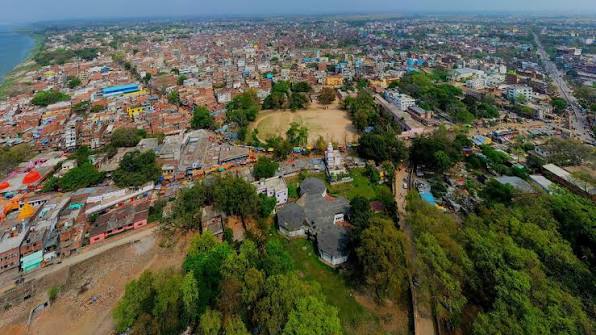
Buxar, Bihar: The Complete Travel and Culture Guide (2026)
Steeped in mythology, history, and the gentle flow of the Ganges, Buxar is one of Bihar's most spiritually significant yet quietly underrated destinations. Located on the banks of the holy river, this small city carries an outsized legacy — it is believed to be the very land where Lord Rama, as a young prince, slew the demoness Tadaka under the guidance of sage Vishwamitra. Add to that a pivotal chapter in colonial Indian history, and Buxar emerges as a destination where mythology and history sit side by side. In this guide, brought to you by AoneGo, we explore everything you need to know before visiting Buxar — its history, top attractions, culture, food, best time to travel, and practical tips.
Where Is Buxar Located?
Buxar is a district and city in western Bihar, situated on the southern bank of the Ganges River, close to the border with Uttar Pradesh. It lies along the Grand Trunk Road and the Delhi–Howrah railway line, making it a well-connected and historically important transit point between eastern Uttar Pradesh and Bihar.
Its location on the Ganges has shaped much of the city's identity — from its religious significance as a pilgrimage site to its historical role as a strategic riverside settlement watched over by rulers and colonial powers alike.
A Brief History of Buxar
Buxar's history is layered across mythology, ancient scripture, and colonial conquest, making it one of the more historically rich towns in Bihar.
According to the Ramayana, this region — then known as Vedgarbhapuri — was where sage Vishwamitra brought young Rama and Lakshmana to protect his yajna (sacred fire ritual) from being disrupted by demons, leading to Rama's encounter with the demoness Tadaka. This mythological connection makes Buxar an important pilgrimage stop for those tracing Rama's journey.
In more recent history, Buxar is best known for the Battle of Buxar (1764), a decisive conflict in which the British East India Company defeated the combined forces of Mir Qasim (Nawab of Bengal), Shuja-ud-Daula (Nawab of Awadh), and Mughal Emperor Shah Alam II. This battle is considered one of the most significant turning points in Indian history, as it effectively cemented British political dominance in eastern India and paved the way for colonial rule across the subcontinent — arguably even more consequential than the more famous Battle of Plassey a few years earlier.
This dual legacy — sacred mythology on one hand, and a defining moment of colonial history on the other — gives Buxar a unique identity among Bihar's towns.
Top Places to Visit in Buxar
Buxar offers a mix of religious sites, historical landmarks, and riverside experiences that make it worth a dedicated visit or a stop on a larger Bihar–UP itinerary.
1. Ramrekha Ghat
One of the most sacred spots in Buxar, Ramrekha Ghat is believed to be the exact place where Lord Rama bathed in the Ganges. Pilgrims flock here throughout the year, and the ghat is especially crowded during religious festivals, when devotees take a holy dip believed to cleanse sins.
2. Nakshatra Van (Zodiac Garden)
Located near Ramrekha Ghat, this unique garden features plants and trees associated with each of the twelve zodiac signs according to Vedic astrology. It's a peaceful, thoughtfully designed space that blends spirituality with nature, offering visitors a quiet spot for reflection.
3. Buxar Fort Remains
Traces of the old fort associated with the Battle of Buxar can still be explored by history enthusiasts. While much of the original structure has faded with time, the site holds significant historical weight, and standing there offers a tangible connection to the events of 1764.
4. Someshwarnath Temple
An ancient Shiva temple that holds great religious importance for locals and visiting pilgrims alike. Its long-standing presence in the region reflects the deep-rooted Shaivite traditions of this part of Bihar.
5. Chausath Yogini Temple
Dedicated to the 64 Yoginis, this temple is one of the more mystical and lesser-visited sites in Buxar, drawing those interested in tantric and goddess-worship traditions that have a strong historical presence in eastern India.
6. Battle of Buxar Memorial Sites
Various markers and remnants around the town commemorate the historic battle, offering history buffs a chance to walk through the geography where a major turning point of Indian colonial history unfolded.
7. Ganga Ghats and Riverside Views
Beyond the specific religious sites, simply spending time along Buxar's ghats offers a serene experience — boats drifting on the Ganges, morning rituals, and the timeless rhythm of riverside life that defines so many towns along this sacred river.
Culture and Local Life in Buxar
Buxar's culture is deeply intertwined with its religious identity. As a town associated with Rama's mythology and situated on the Ganges, spiritual life plays a central role in everyday routines — from early morning rituals at the ghats to the steady flow of pilgrims visiting throughout the year.
Festivals are celebrated with great fervor here. Chhath Puja is among the most significant, with the ghats of Buxar filling with devotees offering prayers to the Sun God. Ram Navami holds special local importance given the town's mythological ties to Lord Rama, while Shivratri sees large gatherings at the town's Shiva temples. Durga Puja and Diwali are also celebrated widely across the district.
Language in Buxar is primarily Bhojpuri and Hindi, reflecting its location in the Bhojpuri-speaking belt that spans western Bihar and eastern Uttar Pradesh. The local dialect, folk songs, and traditional storytelling carry strong Bhojpuri cultural markers.
Everyday life in Buxar revolves around agriculture, small trade, and the steady rhythm of pilgrimage tourism. The local economy benefits from its position on both the river and the railway line, with markets catering to travelers, pilgrims, and the surrounding farming communities.
What to Eat in Buxar
Buxar's food culture reflects the broader Bhojpuri and Bihari culinary traditions, with an emphasis on simple, hearty, and flavorful dishes.
- Litti Chokha – As with most of Bihar, this remains a staple — roasted sattu-stuffed wheat balls served with smoky mashed vegetables.
- Sattu-based snacks – Sattu paratha and sattu drinks are popular, especially in the warmer months, valued for being both filling and cooling.
- Thekua – A traditional sweet made from wheat flour and jaggery, particularly prominent during Chhath Puja celebrations at the ghats.
- Chana Ghugni – A spiced chickpea preparation commonly sold by street vendors, popular as an evening snack.
- Riverside treats – Given Buxar's ghats and pilgrim footfall, you'll find plenty of small stalls selling kachori-sabzi, jalebi, and other classic North Indian breakfast staples near the temples.
For the most authentic experience, head to the areas around Ramrekha Ghat and the local market, where small eateries serve fresh, traditional food at pilgrim-friendly prices.
Best Time to Visit Buxar
The best time to visit Buxar is between October and March, when the weather is cool and comfortable for both sightseeing and spending time along the ghats.
- Summers (April–June) are hot, often exceeding 35–40°C, making outdoor exploration difficult during midday hours.
- Monsoon (July–September) brings the Ganges to its fuller, more dramatic form, but the heat and humidity, along with occasional flooding near the riverbanks, can make travel less comfortable.
- Festival season — particularly around Chhath Puja (October/November) and Ram Navami — is an excellent time to witness Buxar's religious life at its most vibrant, though it's worth noting the ghats get considerably crowded during these periods.
How to Reach Buxar
By Air: The nearest major airport is in Varanasi (Lal Bahadur Shastri International Airport), roughly a few hours away by road, making it a convenient gateway for travelers combining Buxar with a Varanasi trip. Patna's Jay Prakash Narayan Airport is another option for those approaching from within Bihar.
By Rail: Buxar Junction is a well-connected station on the Delhi–Howrah main line, making it easily accessible by train from major cities including Delhi, Patna, Varanasi, and Kolkata. This is generally the most convenient way to reach the town.
By Road: Buxar lies along National Highway routes connecting it to Varanasi, Ghazipur (Uttar Pradesh), and Patna, making it accessible by both private vehicles and interstate buses. Its position on this well-traveled corridor makes it a natural stopover for road travelers moving between UP and Bihar.
Travel Tips for Visiting Buxar
- Visit the ghats early morning to experience the peaceful rituals and river views before the day's heat and crowds set in.
- Combine with Varanasi — given the proximity, many travelers pair a Buxar visit with a longer Varanasi–Bihar itinerary.
- Plan around Chhath Puja if you want to witness Buxar's ghats at their most vibrant, but expect larger crowds and book accommodation early.
- Dress respectfully when visiting temples and ghats, as these remain active religious sites for locals and pilgrims.
- Carry cash, as smaller shops, ghat-side vendors, and local eateries may not accept digital payments.
- Explore the historical sites with context — reading up on the Battle of Buxar beforehand adds significant depth to visiting the fort remains and memorial markers.
Why Buxar Deserves More Attention
Buxar occupies a rare position in Indian geography — a place where the epic narrative of the Ramayana and a defining moment of colonial history converge on the same riverbank. It's a town where pilgrims bathe at the very ghat associated with Lord Rama, just a short distance from the fields where the British East India Company altered the course of the subcontinent's future.
For travelers interested in mythology, history, or simply the timeless rhythm of life along the Ganges, Buxar offers a compact, meaningful, and often overlooked destination. It rewards those willing to step off the more popular Bihar tourist trail and discover a town where every ghat and every ruin has a story worth knowing.
"Travel is the only thing you buy that makes you richer."