Sitamarhi, Bihar: A Complete Journey Through Mythology, Faith and Tourism | Aonego
Located in the northern part of Bihar, Sitamarhi is a district of immense religious and mythological significance, believed to be the birthplace of Goddess Sita, the consort of Lord Rama in the epic Ramayana. Bordering Nepal, this district combines deep spiritual heritage with the rustic charm of North Bihar's fertile plains. In this detailed guide by Aonego, let's explore everything you need to know about Sitamarhi.
Geographical Overview of Sitamarhi
Sitamarhi district lies in the northern part of Bihar, within the Tirhut division, bordering Nepal to the north. It is surrounded by Madhubani to the east, Muzaffarpur to the south, Sheohar to the west, and shares its northern frontier with the Nepalese Terai region. The Bagmati and Lakhandei rivers flow through the district, contributing to its agricultural fertility while also posing periodic flood risks during the monsoon season.
The district's location along the Indo-Nepal border gives it a distinct strategic and cultural significance, with cross-border ties influencing local trade and customs to some extent. The climate here is subtropical, with hot summers, a wet monsoon season, and mild, pleasant winters, which are considered the ideal time to explore the district's religious sites and rural landscapes.
Historical Significance of Sitamarhi
Sitamarhi holds a place of profound importance in Hindu mythology, as it is traditionally believed to be the birthplace of Goddess Sita. According to legend, King Janak of Mithila discovered baby Sita while ploughing a field in this region, an event that forms one of the most cherished stories associated with the Ramayana. This mythological connection has shaped the district's identity for centuries, making it an important pilgrimage destination for devotees of Lord Rama and Sita.
Beyond its mythological roots, Sitamarhi has historically been part of the broader Mithila region, sharing in the area's rich literary, artistic, and religious traditions. The district's association with the Janakpur region, now located across the border in Nepal, further reinforces its historical and cultural ties to the wider Ramayana narrative.
Sitamarhi was established as an independent district in 1972, having previously been part of the larger Muzaffarpur district, allowing for administrative focus on this culturally and religiously significant region.
Culture and Traditions of Sitamarhi
The culture of Sitamarhi is deeply intertwined with its mythological heritage, with Maithili and Hindi being the predominant languages spoken throughout the district. As part of the Mithila cultural zone, the region carries forward many of the artistic, literary, and religious traditions associated with this ancient civilization, including elements of Maithili folk art and oral storytelling traditions connected to the Ramayana.
Ram Navami is celebrated with exceptional devotion in Sitamarhi, given its connection to Lord Rama's story, while Vivah Panchami, commemorating the wedding of Rama and Sita, holds special significance for the district as well. Chhath Puja is also observed with great reverence along local rivers and ponds, alongside Durga Puja, Diwali, and Holi, which are celebrated throughout the district with traditional enthusiasm.
Traditional cuisine in Sitamarhi includes Maithili staples such as fish curry with rice, Litti-Chokha, Sattu Paratha, and dishes prepared using locally grown vegetables, lentils, and makhana, reflecting the agricultural character of this fertile North Bihar district.
Top Places to Visit in Sitamarhi
If you're planning to explore Sitamarhi, here are some places that deserve a spot on your itinerary:
1. Janaki Temple (Sita Kund)
The most significant religious site in the district, this temple complex is believed to mark the exact spot where Sita was discovered by King Janak. The temple attracts devotees from across India and Nepal, particularly during Ram Navami and Vivah Panchami, making it the spiritual heart of Sitamarhi.
2. Punaura Dham
Considered by many devotees to be the actual birthplace site of Sita, Punaura Dham is an important pilgrimage destination near the district headquarters, drawing large crowds especially during religious festivals connected to the Ramayana narrative.
3. Haleshwar Sthan
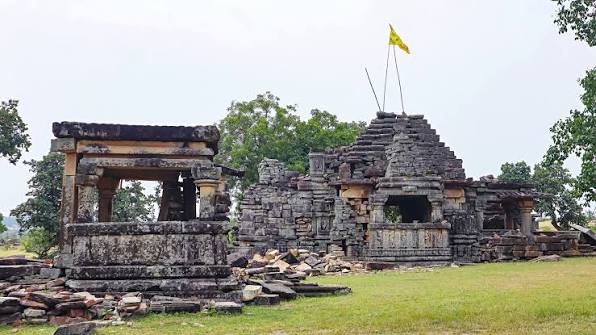
An ancient temple dedicated to Lord Shiva, Haleshwar Sthan holds significant religious importance in the district and offers a peaceful setting for those seeking spiritual reflection away from the larger pilgrimage crowds.
4. Bagmati Riverside
The banks of the Bagmati River offer scenic views and hold cultural importance for local communities, particularly during Chhath Puja, when the riverside transforms into a vibrant center of devotional activity.
5. Border Areas Near Nepal
For travelers interested in exploring the cultural ties between India and Nepal, the border areas of Sitamarhi offer a glimpse into cross-border trade, customs, and the shared Ramayana heritage that connects this region to Janakpur across the border.
Economy and Agriculture of Sitamarhi
Agriculture forms the backbone of Sitamarhi's economy, supported by the fertile plains along the Bagmati and Lakhandei rivers. Paddy, wheat, maize, sugarcane, and makhana are among the primary crops cultivated here, with the district's rural economy closely tied to the seasonal rhythms of farming.
Beyond agriculture, religious tourism plays a significant role in Sitamarhi's local economy, particularly around the Janaki Temple and Punaura Dham, where pilgrimage traffic supports local businesses, accommodations, and small trade throughout the year, especially during major festivals.
Education and Healthcare Facilities
Sitamarhi has been steadily developing its educational infrastructure, with numerous schools, colleges, and institutions serving the district's youth. Given the district's religious significance, some educational institutions here also focus on Sanskrit and religious studies, alongside general academic education.
Healthcare facilities in Sitamarhi include government hospitals and primary health centers spread across the district, along with private clinics in the main town areas. As with many districts in the region, specialized medical care sometimes requires travel to larger cities such as Muzaffarpur or Patna.
How to Reach Sitamarhi
Sitamarhi is well connected by rail and road to major cities in Bihar, including Muzaffarpur and Patna. Sitamarhi railway station provides connectivity to various parts of the state and country. By road, national and state highways link the district to neighboring towns, making bus and private vehicle travel convenient. The nearest major airport is in Darbhanga, which has seen growing air connectivity in recent years, along with Patna's airport serving as an alternative for travelers coming from further away.
Best Time to Visit Sitamarhi
The best time to visit Sitamarhi is between October and March, when the weather is cool and pleasant, ideal for exploring the district's temples and pilgrimage sites. Visiting during Ram Navami or Vivah Panchami offers an especially memorable and spiritually significant experience, though these periods also bring larger crowds of devotees. Summers can get quite hot, and the monsoon season, while important for agriculture, can occasionally bring flooding in low-lying riverside areas.
Conclusion
Sitamarhi holds a truly special place in Bihar's religious and cultural landscape as the mythological birthplace of Goddess Sita. From the spiritual significance of the Janaki Temple and Punaura Dham to the peaceful atmosphere of Haleshwar Sthan, this district offers pilgrims and travelers alike a deeply meaningful connection to one of Hindu mythology's most beloved stories.
At Aonego, we always strive to bring you authentic and detailed information about every corner of India, especially places that often don't make it to mainstream tourism lists. Sitamarhi stands as a powerful reminder of how mythology and living tradition continue to shape the identity of a region even today.
If you're planning a trip to Bihar, make sure to add Sitamarhi to your list, especially if you're drawn to mythology, pilgrimage, and the timeless story of Sita and Rama. Stay connected with Aonego for more insights into such hidden gems across Bihar and India.
"Travel is the only thing you buy that makes you richer."