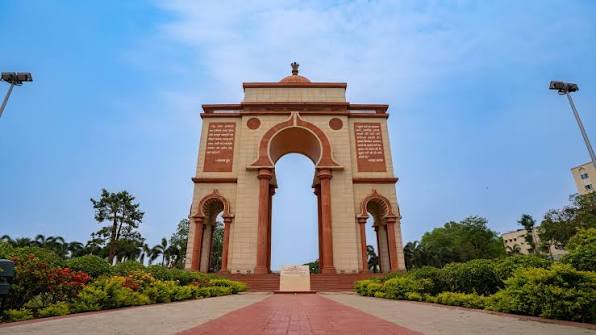
Patna, Bihar – Where Ancient Pataliputra Meets the Spirit of Modern Bihar
Patna is the capital of Bihar and one of the oldest continuously inhabited cities in the world. Located on the southern bank of the Ganga, the city combines ancient history, religious heritage, museums, busy markets, traditional food, and modern urban life.
Known historically as Pataliputra, Patna has witnessed the rise of powerful empires, important Buddhist and Jain traditions, and major events in India's history. Today, it is the political, administrative, educational, and commercial heart of Bihar.
A visit to Patna offers travelers an opportunity to explore ancient history, visit important religious landmarks, walk through museums, taste traditional Bihari food, shop in lively markets, and experience the everyday rhythm of the state capital.
History of Patna
Patna has one of the richest historical backgrounds among Indian cities. The ancient settlement was known as Pataliputra and became an important political centre during the period of Magadha.
The city rose to great prominence during the Mauryan Empire. Under rulers such as Chandragupta Maurya and Emperor Ashoka, Pataliputra became one of the most powerful cities of the ancient Indian world. It developed into a major centre of administration, trade, culture, and learning.
The city also remained important during the Gupta period. Its location near the Ganga and other rivers supported trade and communication with different regions.
Over the centuries, the city experienced political changes and periods of decline and revival. During the Mughal and later British periods, the settlement gradually developed into an important regional centre.
The modern name Patna became widely established over time. During the British period, the city grew as an administrative and commercial centre and became increasingly connected through roads, railways, and river-based trade.
Patna also played an important role in India's freedom movement. The city witnessed political activities, public movements, and participation in the struggle for independence.
After independence, Patna became the capital of Bihar and continued to expand as a centre for government, education, healthcare, business, and culture.
Geography of Patna
Patna is located in the central part of Bihar along the southern bank of the Ganga River. The city's geographical position has played an important role in its historical growth.
The Ganga forms a major natural feature along the northern side of the city, while other rivers and waterways contribute to the surrounding landscape.
The region is largely flat and fertile. Agriculture remains important in the areas surrounding the city, while Patna itself has developed into a large urban centre.
Patna has a humid subtropical climate. Summers can be hot, monsoon brings significant rainfall, and winters are comparatively cool and pleasant.
The winter months are particularly comfortable for exploring the city's historical monuments, museums, religious places, and markets.
Culture and Traditions of Patna
Patna reflects the diverse cultural traditions of Bihar. Hindi is widely spoken, while several regional languages and dialects can also be heard across the city.
The culture of Patna has been shaped by centuries of interaction between different communities, religions, political traditions, and trading groups.
Religious festivals are celebrated with great enthusiasm. Chhath Puja is especially significant because devotees gather along the Ganga and other water bodies for prayers and rituals dedicated to the Sun God.
Traditional Bihari food is another major part of the city's cultural identity. Litti chokha, sattu-based dishes, sweets, snacks, and seasonal foods are popular among locals and visitors.
Patna also has an active literary, artistic, educational, and theatre culture. Museums, cultural institutions, universities, and public spaces contribute to the city's modern cultural life.
Architecture of Patna
Patna has a fascinating mixture of ancient heritage, colonial-era structures, religious architecture, traditional buildings, and modern landmarks.
Golghar
Golghar is one of Patna's most recognizable landmarks. Built in the eighteenth century as a granary, its distinctive dome-shaped structure has become an important symbol of the city.
Visitors can admire its unusual architecture and enjoy views of the surrounding area.
Patna Sahib Gurudwara
Takht Sri Patna Sahib is one of the most important Sikh religious sites in India. The magnificent gurudwara stands at the birthplace of Guru Gobind Singh, the tenth Sikh Guru.
Its religious significance attracts pilgrims from across India and abroad.
Patna Museum
Patna Museum is one of the city's major cultural institutions. It contains a wide collection of historical objects, sculptures, coins, and other artifacts connected with Bihar's past.
Bihar Museum
The Bihar Museum is a modern cultural institution that presents the history, art, and heritage of Bihar through contemporary exhibition spaces.
Famous Places to Visit in Patna
Golghar
Golghar is a must-visit attraction for first-time travelers. Its unique architecture and historical purpose make it one of Patna's best-known landmarks.
Takht Sri Patna Sahib
This important Sikh pilgrimage site is associated with Guru Gobind Singh. The peaceful religious atmosphere and impressive architecture make it an important stop for visitors.
Patna Museum
Patna Museum is ideal for travelers interested in archaeology, history, art, and ancient Bihar. Its collections provide a deeper understanding of the region's historical development.
Bihar Museum
Bihar Museum offers a modern interpretation of the state's heritage. Its galleries display archaeological and cultural collections in an engaging setting.
Gandhi Maidan
Gandhi Maidan is a large historic open ground in the centre of Patna. It has been associated with public gatherings, political movements, cultural events, and important moments in modern Bihar.
Kumhrar Park
Kumhrar Park is associated with the archaeological remains of ancient Pataliputra. Visitors can learn about the city's Mauryan-era history and see evidence of its ancient urban development.
Agam Kuan
Agam Kuan is an ancient well associated with the history and traditions of Pataliputra. It is considered an important archaeological and historical site.
Patna Planetarium
The Patna Planetarium is a popular attraction for families, students, and visitors interested in astronomy and science. It offers educational shows related to space and the universe.
Ganga Riverfront
The Ganga riverfront provides a pleasant place to experience the city's connection with the river. Visitors can enjoy views of the water, especially around sunrise and sunset.
Famous Dishes of Patna
Litti Chokha
Litti Chokha is one of Bihar's most famous dishes and a must-try food in Patna. Litti is stuffed with sattu and traditionally served with roasted vegetable chokha, chutney, and other accompaniments.
Sattu Sharbat
Sattu Sharbat is a refreshing drink made from roasted gram flour. It is especially popular during Patna's hot summer months.
Chura-Dahi
Chura-Dahi combines flattened rice with curd and is a simple traditional food enjoyed across Bihar.
Khaja
Khaja is a crisp, layered sweet that is popular in Bihar. It is commonly enjoyed during festivals and special occasions.
Thekua
Thekua is a traditional sweet made from wheat flour, jaggery, and ghee. It is strongly associated with Chhath Puja and Bihar's festive food culture.
Malpua
Malpua is a sweet, soft, fried pancake-like dessert that is popular during festivals and celebrations. It is often served with syrup or other sweet accompaniments.
Famous Personalities Connected with Patna
Guru Gobind Singh
Guru Gobind Singh, the tenth Sikh Guru, was born in Patna in 1666. His birthplace is now marked by Takht Sri Patna Sahib, making the city an important destination for Sikh pilgrims.
Dr. Rajendra Prasad
Dr. Rajendra Prasad, India's first President, had a strong connection with Bihar and the independence movement. His contribution to India's freedom struggle and public life remains an important part of Bihar's history.
Jayaprakash Narayan
Jayaprakash Narayan, popularly known as JP, was a major Indian freedom fighter and political leader. His connection with Bihar and his role in social and political movements make him an important figure in the state's modern history.
Chanakya
Chanakya, also known as Kautilya, is traditionally associated with the ancient political and intellectual world of Pataliputra. His connection with the Mauryan period adds to Patna's ancient historical importance.
Festivals Celebrated in Patna
Chhath Puja
Chhath Puja is the most distinctive festival experience in Patna. Devotees gather along the Ganga and other water bodies to offer prayers to the setting and rising Sun.
The riverfront becomes especially vibrant during the festival, with decorated ghats, devotional songs, lamps, and large gatherings.
Diwali
Diwali is celebrated throughout Patna with lamps, decorations, prayers, sweets, shopping, and family gatherings.
Holi
Holi brings colour, music, traditional food, and community celebrations to the city. Markets and neighbourhoods become lively during the festival.
Durga Puja
Durga Puja is celebrated with decorated pandals, cultural programs, devotional activities, and community gatherings. The festival adds a colourful atmosphere to different parts of the city.
Makar Sankranti
Makar Sankranti is celebrated with traditional foods, especially sesame and jaggery-based sweets. The festival also marks an important seasonal transition.
Things to Do in Patna
Explore Ancient History
Visit Kumhrar, Agam Kuan, museums, and other historical locations to understand the story of ancient Pataliputra.
Visit Religious Landmarks
Explore Takht Sri Patna Sahib and other important religious places to experience Patna's spiritual heritage.
Explore Museums
Patna Museum and Bihar Museum offer excellent opportunities to discover Bihar's archaeology, art, history, and cultural heritage.
Enjoy the Ganga Riverfront
Spend time along the Ganga, particularly around sunrise or sunset, to enjoy one of the city's most important natural features.
Try Local Food
Taste litti chokha, sattu sharbat, thekua, khaja, malpua, and other traditional foods available across the city.
Explore Local Markets
Patna's markets are ideal for shopping for clothing, handicrafts, sweets, books, traditional products, and everyday goods.
Experience Chhath Puja
If your visit coincides with Chhath, experiencing the celebrations along the Ganga can be one of the most memorable cultural experiences in the city.
Where to Eat, Shop, and Stay in Patna
Where to Eat
Patna has everything from traditional food stalls to modern restaurants and hotel dining spaces.
For an authentic local experience, visitors should try popular Bihari dishes such as litti chokha, sattu-based foods, thekua, and traditional sweets.
Where to Shop
Popular commercial areas and local markets offer clothing, handicrafts, books, sweets, jewellery, household products, and traditional Bihar items.
Visitors interested in local food products can also look for traditional sweets and packaged Bihari snacks to take home.
Where to Stay
Budget: Affordable hotels and guesthouses are available around major railway, market, and transport areas.
Mid-Range: Comfortable hotels in central commercial areas are suitable for families and business travelers.
Luxury: Premium hotels offer modern facilities, restaurants, comfortable rooms, and convenient access to major parts of the city.
What is Patna Famous For?
Patna is famous for its ancient identity as Pataliputra, Ganga riverfront, Golghar, Takht Sri Patna Sahib, museums, Chhath Puja celebrations, Bihari cuisine, and connection with important historical personalities.
The city is also known for being the capital and administrative centre of Bihar.
Its combination of ancient history and modern urban life makes Patna one of the most important destinations in the state.
Best Time to Visit Patna
October to February
Winter is generally the best time to visit Patna. The cooler weather is comfortable for sightseeing, walking around historical sites, visiting museums, and exploring markets.
March to June
Summer can be hot, particularly during the afternoon. If visiting during these months, outdoor sightseeing is more comfortable in the morning and evening.
July to September
The monsoon brings rainfall and greener surroundings. Travelers should consider weather conditions when planning outdoor activities.
Chhath Puja Season
Travelers interested in Bihar's cultural traditions may consider visiting during Chhath Puja. The celebrations along the Ganga provide a unique experience, although accommodation and transport can become busier.
How to Reach Patna
By Air
Jay Prakash Narayan International Airport is the main airport serving Patna. It has air connections with several major Indian cities.
By Train
Patna Junction is one of the major railway stations in Bihar and has extensive connections with cities across India. Other railway stations in the city also serve different routes.
By Road
Patna has strong road connectivity with major parts of Bihar and neighbouring states. Buses, taxis, private vehicles, and other transport options are available.
Nearby Places to Visit from Patna
Patna is a convenient starting point for exploring other important destinations in Bihar. Travelers can combine their city visit with Gaya, Rajgir, and Nalanda to explore the state's religious and ancient heritage.
Gaya
Gaya is an important religious destination known for Hindu pilgrimage traditions. The nearby Buddhist centre of Bodh Gaya adds another major dimension to a trip through the region.
Rajgir
Rajgir is surrounded by hills and is known for its ancient history, Buddhist and Jain connections, hot springs, and scenic landscapes.
Nalanda
Nalanda is famous for the archaeological remains of the ancient Nalanda Mahavihara. The site is particularly important for understanding the history of Buddhist education and ancient Indian learning.
Best Duration for a Trip to Patna
1 Day
One day is enough to visit some of the city's major attractions, explore a museum, taste local food, and experience the Ganga riverfront.
2 Days
Two days are ideal for exploring Patna more comfortably. You can cover major historical sites, religious landmarks, museums, markets, and local food experiences without rushing.
3 Days
Three days are suitable if you want to explore Patna at a relaxed pace and include additional nearby attractions in your itinerary.
Travel Tips for Patna
- Winter is generally the most comfortable season for sightseeing.
- Start outdoor sightseeing early during the summer months.
- Carry water while exploring the city during hot weather.
- Use reliable taxis, auto-rickshaws, and other local transport options.
- Keep your belongings secure in crowded markets and public areas.
- Dress respectfully when visiting religious places.
- Follow photography rules inside museums and heritage sites.
- Book hotels in advance during major festivals and busy travel periods.
- Expect larger crowds around the Ganga ghats during Chhath Puja.
- Try traditional food from clean and popular eateries.
- Keep some cash for small vendors, although digital payments are widely used in urban areas.
Why Visit Patna?
Patna is worth visiting because few cities in India combine ancient history and modern city life in quite the same way. The city grew from the ancient centre of Pataliputra into the capital of modern Bihar, carrying layers of history through its monuments, museums, religious sites, and cultural traditions.
For history lovers, Patna offers connections with the Mauryan and Gupta periods. For religious travelers, the city has important Buddhist, Hindu, and Sikh heritage. Food lovers can explore traditional Bihari cuisine, while travelers interested in local culture can experience festivals such as Chhath Puja.
The Ganga, historic landmarks, museums, markets, and modern urban areas together create a varied travel experience.
Conclusion
Patna is more than just the capital of Bihar. It is a city where the story of ancient Pataliputra meets the energy of modern India.
From Golghar and Kumhrar to Takht Sri Patna Sahib, Bihar Museum, Patna Museum, and the Ganga riverfront, the city offers a wide range of experiences. Its traditional food, festivals, historical personalities, and cultural heritage add even more character to a visit.
Whether you are interested in ancient history, religion, food, culture, or simply want to explore the heart of Bihar, Patna is a destination that deserves a place on your travel itinerary.
"Travel is the only thing you buy that makes you richer."