Purnia, Bihar: The Complete Travel and Culture Guide (2026)
Tucked away in the northeastern corner of Bihar, Purnia is one of those cities that rarely makes it to India's mainstream travel maps — yet it holds a character all its own. Known historically as the "Gateway to North-East India," Purnia sits at a crossroads of culture, commerce, and geography, linking Bihar to West Bengal, the Northeast, and even Nepal. If you're planning a trip to Bihar and want to explore beyond the usual Patna–Bodh Gaya–Nalanda circuit, Purnia deserves a spot on your itinerary. In this guide, brought to you by AoneGo, we'll walk you through everything you need to know about Purnia — its history, top attractions, food, culture, best time to visit, and travel tips.
Where Is Purnia Located?
Purnia is a district and city in the northeastern part of Bihar, India. It lies close to the borders of West Bengal, making it a strategic transit point for travelers heading toward Siliguri, Darjeeling, Sikkim, and the Northeastern states. The city is well connected by rail and road, and its geographical position has historically made it an important trade and administrative center.
The region is part of the fertile Gangetic plains, criss-crossed by rivers such as the Kosi, Mahananda, and Saura. This river network has shaped both the agriculture and the culture of the area, giving Purnia its reputation as one of Bihar's greener, more water-rich districts.
A Brief History of Purnia
Purnia's history stretches back centuries, with references to the region appearing in ancient and medieval records as an important administrative division. During the British colonial period, Purnia was established as a district headquarters, and its administrative boundaries at one point were among the largest in the country, encompassing parts of what are now separate districts.
The name "Purnia" itself is often linked to local legends and older place names, though the exact etymology remains debated among historians. What's certain is that the city grew as a hub connecting Bengal, Bihar, and the eastern Himalayan foothills, a role it continues to play today through its road and rail links.
Over the decades, Purnia has evolved from a purely administrative outpost into a growing city with expanding infrastructure, educational institutions, and a modest but steady economic base rooted in agriculture and trade.
Top Places to Visit in Purnia
While Purnia isn't a conventional tourist hotspot, it offers several places worth exploring for travelers interested in history, spirituality, and nature.
1. Baba Bhagwati Sthan Temple
One of the most revered religious sites in Purnia, this temple attracts devotees from across the district and beyond. Dedicated to a local deity, it plays a central role in the region's religious calendar, especially during major festivals when thousands gather for prayers and celebrations.
2. Kali Mandir
A prominent temple in the heart of Purnia city, the Kali Mandir is a peaceful spot for those interested in local spiritual life. Its architecture and the daily rhythm of prayer here offer a glimpse into the everyday devotional culture of the region.
3. Rangbhoomi Maidan
This open ground serves as the city's cultural and civic heart. Local fairs, exhibitions, sports events, and public gatherings often take place here, making it a good spot to experience Purnia's community spirit firsthand.
4. Bhawani Pokhar
A historic pond located in the city, Bhawani Pokhar has long been a landmark for locals. It's a quieter, more reflective spot, often visited by those wanting a break from the city's bustle.
5. Purnia Fort Remains
Traces of old fortifications and colonial-era structures can still be found around Purnia, offering history enthusiasts a chance to piece together the district's administrative past. While not as grand as forts elsewhere in India, these remnants add historical depth to a visit.
6. Nearby Natural Attractions
Purnia's location near several rivers means the surrounding countryside is dotted with scenic riverbanks and agricultural landscapes. A short drive out of the city center reveals lush paddy fields, especially vivid during the monsoon and post-monsoon months, along with glimpses of rural Bihar's traditional way of life.
For travelers with more time, Purnia also serves as a convenient base to explore nearby districts like Kishanganj, Araria, and Katihar, each with their own local attractions, as well as being a practical stopover en route to Darjeeling or Sikkim.
Culture and Local Life in Purnia
Purnia's culture is a blend of Bihari, Bengali, and Maithili influences, a reflection of its position near the borders of West Bengal and the Mithila region. This cultural mix is visible in the local language, cuisine, festivals, and even architecture.
Festivals here are celebrated with considerable enthusiasm. Durga Puja, given the Bengali influence, is one of the most significant events, with elaborate pandals and processions drawing large crowds. Chhath Puja, deeply rooted in Bihari tradition, is another major festival, observed with rituals along riverbanks and ponds throughout the district. Holi, Diwali, and Eid are also celebrated widely, reflecting the multi-religious fabric of the community.
Language in Purnia is primarily Hindi and Maithili, with a noticeable Bengali influence in vocabulary and everyday expressions, especially closer to the West Bengal border. This linguistic blend makes Purnia a fascinating microcosm of eastern India's cultural diversity.
Markets and daily life in Purnia revolve around its agricultural economy. The district is known for producing jute, maize, and various fruits, and local markets are lively hubs where you can see this agrarian economy in action — from grain traders to small vendors selling seasonal produce.
What to Eat in Purnia
Food in Purnia mirrors its cultural blend, offering a mix of traditional Bihari dishes alongside Bengali-influenced flavors.
- Litti Chokha – A quintessential Bihari dish made of roasted wheat balls stuffed with sattu (roasted gram flour), served with mashed spiced vegetables (chokha). No visit to Bihar, including Purnia, is complete without trying this.
- Sattu Paratha – Another sattu-based specialty, popular as a hearty breakfast or snack.
- Fish Curry (Machh Jhol) – Given the proximity to Bengal and the abundance of rivers, fish curry is a local favorite, prepared with mustard and regional spices.
- Thekua – A traditional sweet made from wheat flour, jaggery, and ghee, especially popular during Chhath Puja.
- Local Sweets – Bengali-style sweets like rasgulla and sandesh are widely available, alongside traditional Bihari mithais.
Street food stalls around the city center and local markets are the best places to sample these dishes authentically, often at very reasonable prices.
Best Time to Visit Purnia
The ideal time to visit Purnia is between October and March, when the weather is pleasant and conducive to sightseeing. Winters (November to February) are mild and comfortable, making them the most popular season for travel.
- Summers (April–June) can get quite hot and humid, with temperatures often crossing 35°C, so travel during this period is best avoided unless necessary.
- Monsoon (July–September) brings heavy rainfall, which, while it greens up the landscape beautifully, can also cause flooding in low-lying areas due to the region's many rivers. Travel during this season requires some flexibility and caution.
- Festive season (October, around Durga Puja and Chhath Puja) is a particularly vibrant time to visit if you want to experience Purnia's cultural life at its fullest.
How to Reach Purnia
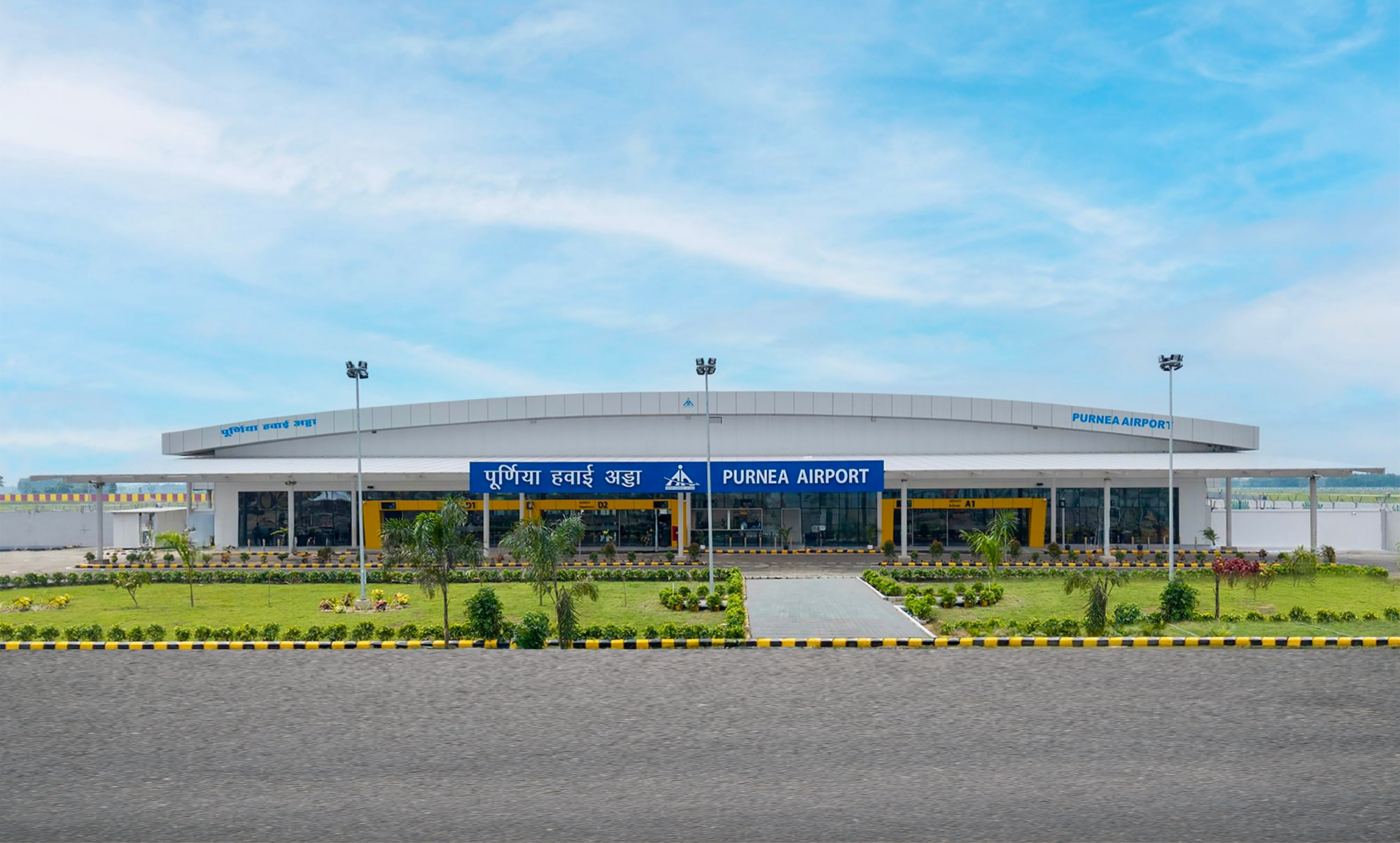
By Air: The nearest major airport is Purnia Airport itself, which has seen renewed interest for regional connectivity in recent years, though flight frequency can vary. Alternatively, Bagdogra Airport near Siliguri is a well-connected option for travelers coming from other parts of India.
By Rail: Purnia Junction and Purnia Court railway stations connect the city to major hubs like Patna, Kolkata, and New Delhi, making train travel one of the most convenient options for reaching the city.
By Road: Purnia is well connected via National Highways to Patna, Kishanganj, and towards the West Bengal border, making it accessible by both private vehicles and state/interstate buses. The city's strategic location also makes it a common stopover for those road-tripping toward the Northeast or the Himalayan foothills.
Travel Tips for Visiting Purnia
- Plan around festivals if you want an immersive cultural experience, but book accommodation in advance since local lodging can fill up quickly during major events like Chhath Puja.
- Carry cash for local markets, as smaller vendors and street food stalls may not always accept digital payments.
- Respect local customs, especially around religious sites and during festival rituals.
- Try the local cuisine early in your trip — dishes like litti chokha and fish curry are best enjoyed fresh from local eateries rather than hotel restaurants.
- Use Purnia as a base if you're planning a longer trip covering North Bihar or heading toward the Northeast — its road and rail connectivity make logistics easier.
- Stay hydrated and prepared for heat if traveling in summer months, and check weather advisories during monsoon season given the flood-prone nature of the region.
Why Purnia Deserves More Attention
Purnia may not have the grandeur of Bihar's more famous heritage sites like Bodh Gaya or Nalanda, but it offers something equally valuable — an authentic, unfiltered glimpse into eastern India's everyday culture, agrarian rhythms, and cross-regional influences. It's a city where Bihari tradition meets Bengali flavor, where rivers shape both the landscape and the local economy, and where festivals bring entire communities together in genuine celebration.
For travelers seeking destinations beyond the well-trodden path, or those simply passing through en route to the Northeast, Purnia offers a worthwhile stop — rich in culture, welcoming in spirit, and full of small discoveries for those willing to look.
"Travel is the only thing you buy that makes you richer."