Kaimur, Bihar: The Complete Travel and Culture Guide (2026)
If you're looking for a side of Bihar that most travelers overlook — dense forests, rugged hills, ancient rock shelters, and cascading waterfalls — Kaimur is the district to explore. Located in the southwestern corner of Bihar along the Kaimur Plateau, this region stands in striking contrast to the flat Gangetic plains that define much of the state. With its headquarters at Bhabua, Kaimur offers a rare combination of natural wilderness, prehistoric heritage, and religious significance. In this guide, brought to you by AoneGo, we walk you through everything worth knowing about Kaimur — its history, top attractions, culture, food, best time to visit, and practical travel tips.
Where Is Kaimur Located?
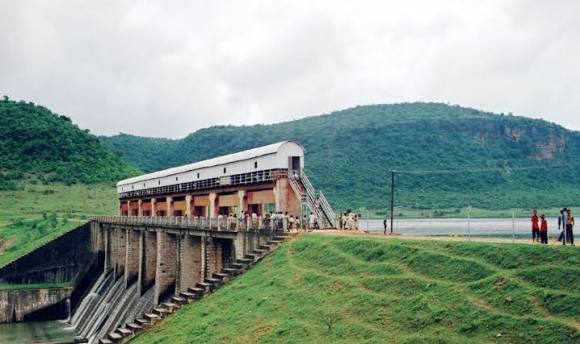
Kaimur is a district in western Bihar, bordering both Uttar Pradesh to the west and Madhya Pradesh's Kaimur range extending further south. The district takes its name from the Kaimur Plateau (also known as the Kaimur Range), a hilly, forested extension of the Vindhya mountain system that gives this part of Bihar a dramatically different landscape compared to the rest of the state.
This geography — hills, forests, and river valleys — makes Kaimur one of Bihar's most ecologically distinct districts, home to the Kaimur Wildlife Sanctuary and several notable waterfalls and rock formations.
A Brief History of Kaimur
Kaimur's history stretches back to prehistoric times, with the district home to some of the oldest evidence of human habitation in the region. Rock shelters and cave paintings found in areas around the Kaimur hills point to settlements dating back thousands of years, making this one of the archaeologically significant zones of eastern India.
In more recent historical periods, the Kaimur region served as a natural frontier and defensive landscape, its hilly and forested terrain historically providing refuge and strategic advantage during various regional conflicts. The area's connection to ancient trade and pilgrimage routes between the Gangetic plains and the Vindhya-Deccan region also shaped its historical development.
Administratively, Kaimur emerged as a distinct district relatively recently, carved out to give better focus to this geographically unique part of Bihar, which differs so significantly from the plains-dominated character of most other districts in the state.
Top Places to Visit in Kaimur
Kaimur's biggest draw is its natural landscape, but the district also offers religious and historical sites that round out a well-balanced visit.
1. Kaimur Wildlife Sanctuary
One of Bihar's most significant protected forest areas, the Kaimur Wildlife Sanctuary spans a large stretch of the plateau and is home to diverse flora and fauna, including species like leopards, various deer, and numerous bird species. The sanctuary's forested hills and valleys offer a rare wilderness experience within Bihar.
2. Karkatgarh Waterfall
Among the most picturesque spots in the district, Karkatgarh Waterfall cascades dramatically over rocky terrain, especially spectacular during and after the monsoon season. It's a popular destination for both nature lovers and picnickers looking to escape the heat of the plains.
3. Telhar Kund Waterfall
Tucked within the forested hills, Telhar Kund is another scenic waterfall known for its natural, relatively untouched setting. Reaching it often involves a short trek, adding an adventurous element to the visit and rewarding travelers with a peaceful, secluded natural pool.
4. Mundeshwari Devi Temple
Believed to be one of the oldest functioning temples in India, the Mundeshwari Devi Temple is an architectural and archaeological treasure, with inscriptions suggesting origins dating back over a thousand years. Dedicated to the goddess Mundeshwari, this octagonal stone temple draws both pilgrims and history enthusiasts, and stands as one of Kaimur's most important cultural landmarks.
5. Rohtasgarh Fort
Though technically situated near the border with the neighboring Rohtas district, Rohtasgarh Fort is closely associated with the wider Kaimur plateau region and is often included in itineraries covering this part of Bihar. Perched dramatically on the hills, the fort has a layered history spanning Hindu, Afghan, and Mughal rule, and offers sweeping views along with substantial architectural remains.
6. Ancient Rock Shelters and Cave Sites
Scattered across the Kaimur hills, prehistoric rock shelters with cave paintings offer a glimpse into some of the earliest chapters of human habitation in the region. These sites appeal particularly to travelers interested in archaeology and ancient history.
7. Chainpur and Surrounding Rural Landscapes
The countryside around Kaimur's smaller towns offers scenic views of the plateau's transition zones — where forested hills meet agricultural plains — providing a quieter, more contemplative side to the district's natural beauty.
Culture and Local Life in Kaimur
Kaimur's culture reflects its unique position at the meeting point of the Bhojpuri plains and the forested plateau region, resulting in a blend of mainstream Bihari traditions and more localized tribal and forest-community customs.
Festivals in Kaimur include the usual major Bihari celebrations — Chhath Puja, Holi, and Diwali — alongside temple-specific events at sites like Mundeshwari Devi, where local fairs and religious gatherings draw crowds from across the region, particularly during Navratri and Shivratri.
Language spoken across the district is predominantly Bhojpuri and Hindi, with local variations influenced by the district's proximity to both Uttar Pradesh and the forested plateau communities.
Everyday life in Kaimur varies notably between the plains areas, where agriculture dominates, and the hillier, forested parts of the district, where communities have traditionally maintained closer ties to forest resources and a more rural, less urbanized way of life. This dual character — agrarian plains alongside forested highlands — gives Kaimur a distinct cultural texture compared to much of the rest of Bihar.
What to Eat in Kaimur
Kaimur's food culture follows the broader Bhojpuri Bihari tradition, with simple, wholesome dishes suited to both the agricultural plains and the more rustic hill areas.
- Litti Chokha – The staple dish across Bihar, featuring roasted sattu-stuffed wheat balls served with smoky mashed vegetables.
- Sattu Drinks and Parathas – Popular for their cooling and energizing properties, especially useful for travelers exploring the district's forests and waterfalls in warmer weather.
- Thekua – A traditional jaggery-based sweet, closely tied to Chhath Puja celebrations observed throughout the district.
- Local Forest Produce – In the hillier parts of Kaimur, seasonal forest produce and simple rustic preparations reflect the closer relationship between local communities and the surrounding wilderness.
- Street Food in Bhabua – The district headquarters offers typical North Indian and Bihari street food, including kachori-sabzi, chaat, and local sweets.
Small eateries around Bhabua town and near popular sites like Mundeshwari Devi Temple are good places to sample authentic regional food.
Best Time to Visit Kaimur
The ideal time to visit Kaimur is between October and March, when the weather is cool and comfortable for exploring the forests, waterfalls, and hilltop sites.
- Summers (April–June) can be quite hot, especially on the plains, though the forested hill areas offer somewhat more relief due to elevation and tree cover.
- Monsoon (July–September) is actually one of the most rewarding times to visit for waterfall enthusiasts, as sites like Karkatgarh and Telhar Kund are at their most dramatic and full-flowing during and immediately after the rains — though trekking routes can become slippery and should be approached with caution.
- Winter months (November to February) are the most popular for wildlife sanctuary visits and general sightseeing, offering pleasant temperatures throughout the day.
How to Reach Kaimur
By Air: The nearest major airport is in Varanasi (Lal Bahadur Shastri International Airport), which is relatively well connected by road to Kaimur, particularly to Bhabua. Patna's Jay Prakash Narayan Airport is another option for those approaching from within Bihar, though it involves a longer road journey.
By Rail: Bhabua Road railway station serves as the main rail gateway to the district, with connections to major cities along the Delhi–Howrah corridor, making train travel a convenient option for reaching Kaimur.
By Road: Kaimur is connected via National Highways to Varanasi, Mohania, and other towns in western Bihar and eastern Uttar Pradesh. Given the district's hilly terrain, road travel to more remote sites like waterfalls and rock shelters may require local transport or guided arrangements.
Travel Tips for Visiting Kaimur
- Plan waterfall visits around the monsoon or immediately after for the most dramatic views, but check local conditions first, as access can be affected by heavy rain.
- Hire local guides for forest and trekking areas, especially around Telhar Kund and the wildlife sanctuary, to navigate safely and get the most out of the natural sites.
- Combine Mundeshwari Devi Temple with Rohtasgarh Fort if time allows, as both offer rich historical and architectural context within a similar region.
- Carry sufficient water and supplies when exploring forest and hill areas, as facilities can be limited outside the main towns.
- Respect wildlife sanctuary rules and maintain a safe distance from animals if you're fortunate enough to spot any during your visit.
- Dress modestly at temple sites like Mundeshwari Devi, particularly during festival periods when religious sentiment runs high.
Why Kaimur Deserves More Attention
Kaimur stands apart from the rest of Bihar in almost every way — geographically, ecologically, and historically. It's a district where prehistoric rock art sits within the same landscape as one of India's oldest surviving temples, where waterfalls cascade through forested hills far removed from the flat plains most travelers associate with the state, and where wildlife still roams protected sanctuary land.
For travelers seeking a different side of Bihar — one defined by nature, ancient heritage, and quiet forested landscapes rather than crowded pilgrimage circuits — Kaimur offers a genuinely rewarding and refreshingly different experience. It's a district built for those willing to explore beyond the obvious, and it rarely disappoints those who do.
"Travel is the only thing you buy that makes you richer."