Sheikhpura, Bihar: A Complete Journey Through History, Faith and Tourism | Aonego
Located in the southern part of Bihar, Sheikhpura is one of the smallest yet culturally significant districts in the state. Known for its ancient temples, historical connections, and close-knit rural communities, Sheikhpura offers a compact but meaningful glimpse into the traditions of southern Bihar. In this detailed guide by Aonego, let's explore everything you need to know about Sheikhpura.
Geographical Overview of Sheikhpura
Sheikhpura district is situated in the southern part of Bihar, within the Munger division. It is bordered by Nalanda to the west, Lakhisarai to the north and east, and Nawada to the south. As one of the smallest districts in Bihar by area, Sheikhpura was carved out of the larger Munger district in 1994, giving it independent administrative status.
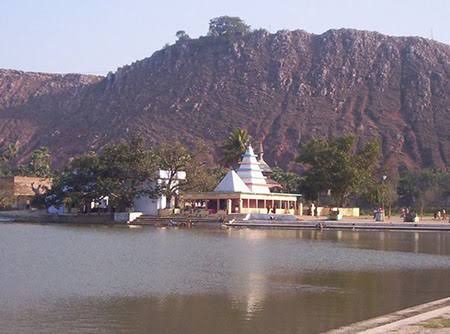
The district's terrain consists mainly of fertile plains, with a few smaller hills and elevations adding some geographical variation. Small rivers and streams flow through the region, supporting agricultural activity, though the district does not have a major river running directly through it, unlike some of its neighboring districts.
The climate here is subtropical, with hot summers, a moderate monsoon season, and mild, pleasant winters. The winter months are considered the most comfortable time to explore the district's temples and rural surroundings.
Historical Significance of Sheikhpura
Sheikhpura's history is closely tied to the broader Magadha and Anga regions of ancient Bihar, given its proximity to historically significant areas in the southern part of the state. The region's name itself reflects historical influences from the medieval period, when local administrative and landholding systems shaped the naming of many towns across Bihar.
Before becoming an independent district in 1994, Sheikhpura was part of the larger Munger district, sharing much of its administrative and cultural history with the surrounding region. The area has long been known for its religious significance, particularly due to its association with important Hindu pilgrimage sites that have drawn devotees for generations.
Since gaining independent district status, Sheikhpura has focused on developing its local infrastructure and economy while continuing to preserve the religious and cultural traditions that define much of its identity.
Culture and Traditions of Sheikhpura
The culture of Sheikhpura reflects the broader Magahi traditions of southern Bihar, with Magahi and Hindi being the predominant languages spoken throughout the district. As a relatively compact and close-knit district, community bonds and local traditions remain strong here, particularly in the rural areas surrounding the district headquarters.
Chhath Puja holds significant religious importance in Sheikhpura, celebrated with devotion along local ponds and water bodies throughout the district. Durga Puja, Diwali, Holi, and Ram Navami are also observed with traditional enthusiasm. Given the district's religious sites, local fairs and gatherings tied to specific temples and deities also form an important part of the community's cultural calendar.
Traditional cuisine in Sheikhpura includes staples common across the Magadha region, such as Litti-Chokha, Sattu Paratha, Chana Ghugni, and Thekua, often prepared using locally grown grains, pulses, and seasonal vegetables.
Top Places to Visit in Sheikhpura
If you're planning to explore Sheikhpura, here are some places worth including in your itinerary:
1. Baba Kako Peer Dargah
An important shrine in the district, this dargah attracts devotees from across religious communities, reflecting the syncretic culture that has long characterized many parts of Bihar. The site holds spiritual significance for both local Muslim and Hindu communities.
2. Sheikhpura Town
The district headquarters offers a glimpse into the everyday life, local markets, and administrative center of this compact district, providing travelers with an authentic sense of small-town Bihar.
3. Barbigha
A notable town within Sheikhpura district, Barbigha is known for its local commerce and serves as an important hub for the surrounding rural areas.
4. Local Temples and Shrines
Sheikhpura is home to several smaller temples and religious sites scattered throughout the district, each holding local significance and drawing devotees, particularly during festivals and auspicious occasions.
5. Rural Countryside of Sheikhpura
The villages and agricultural landscapes surrounding the district headquarters offer visitors an authentic experience of rural life in southern Bihar, with traditional farming practices and close-knit community living on display.
Economy and Agriculture of Sheikhpura
Agriculture forms the backbone of Sheikhpura's economy, with the district's fertile plains supporting the cultivation of paddy, wheat, maize, and pulses. Given its relatively small size, the district's agricultural output is closely tied to the livelihoods of the majority of its rural population.
Beyond agriculture, small-scale trade and local markets, particularly in towns like Barbigha, contribute to the district's economic activity. Being one of the smaller districts in Bihar, Sheikhpura's economy remains closely linked to its immediate surroundings and neighboring districts like Munger and Nalanda for broader trade and commerce.
Education and Healthcare Facilities
Sheikhpura has been steadily developing its educational infrastructure, with government and private schools, along with a few colleges, serving the district's youth. Given its proximity to larger educational centers in Munger, Nalanda, and Patna, many residents also access higher education opportunities in these neighboring areas.
Healthcare facilities in Sheikhpura include government hospitals and primary health centers spread across the district, along with private clinics in the main town areas. As with many smaller districts, specialized medical care sometimes requires travel to larger cities nearby.
How to Reach Sheikhpura
Sheikhpura is well connected by road to major cities in Bihar, including Patna, Munger, and Nalanda, via state and national highways. The district also has rail connectivity through Sheikhpura railway station, linking it to other important towns in the region. By road, buses and private vehicles offer convenient travel options to and from neighboring districts. The nearest major airport is in Patna, which serves as the primary gateway for air travelers to this region.
Best Time to Visit Sheikhpura
The best time to visit Sheikhpura is between October and March, when the weather is cool and comfortable for exploring the district's religious sites, local markets, and rural surroundings. Summers can get quite hot, making outdoor exploration less comfortable, while the monsoon season, though beneficial for agriculture, can occasionally make travel through rural areas a bit more challenging.
Conclusion
Sheikhpura, though one of the smallest districts in Bihar, holds its own unique charm through its religious sites, close-knit communities, and rural traditions. From the syncretic spiritual significance of Baba Kako Peer Dargah to the everyday rhythms of life in towns like Barbigha, Sheikhpura offers a quieter, more intimate glimpse into southern Bihar's cultural fabric.
At Aonego, we always strive to bring you authentic and detailed information about every corner of India, especially places that often don't make it to mainstream tourism lists. Sheikhpura is a reminder that even Bihar's smallest districts carry their own meaningful stories and traditions.
If you're planning a trip to Bihar, consider adding Sheikhpura to your itinerary for a peaceful and authentic experience of the state's rural and spiritual heritage. Stay connected with Aonego for more insights into such hidden gems across Bihar and India.
"Travel is the only thing you buy that makes you richer."