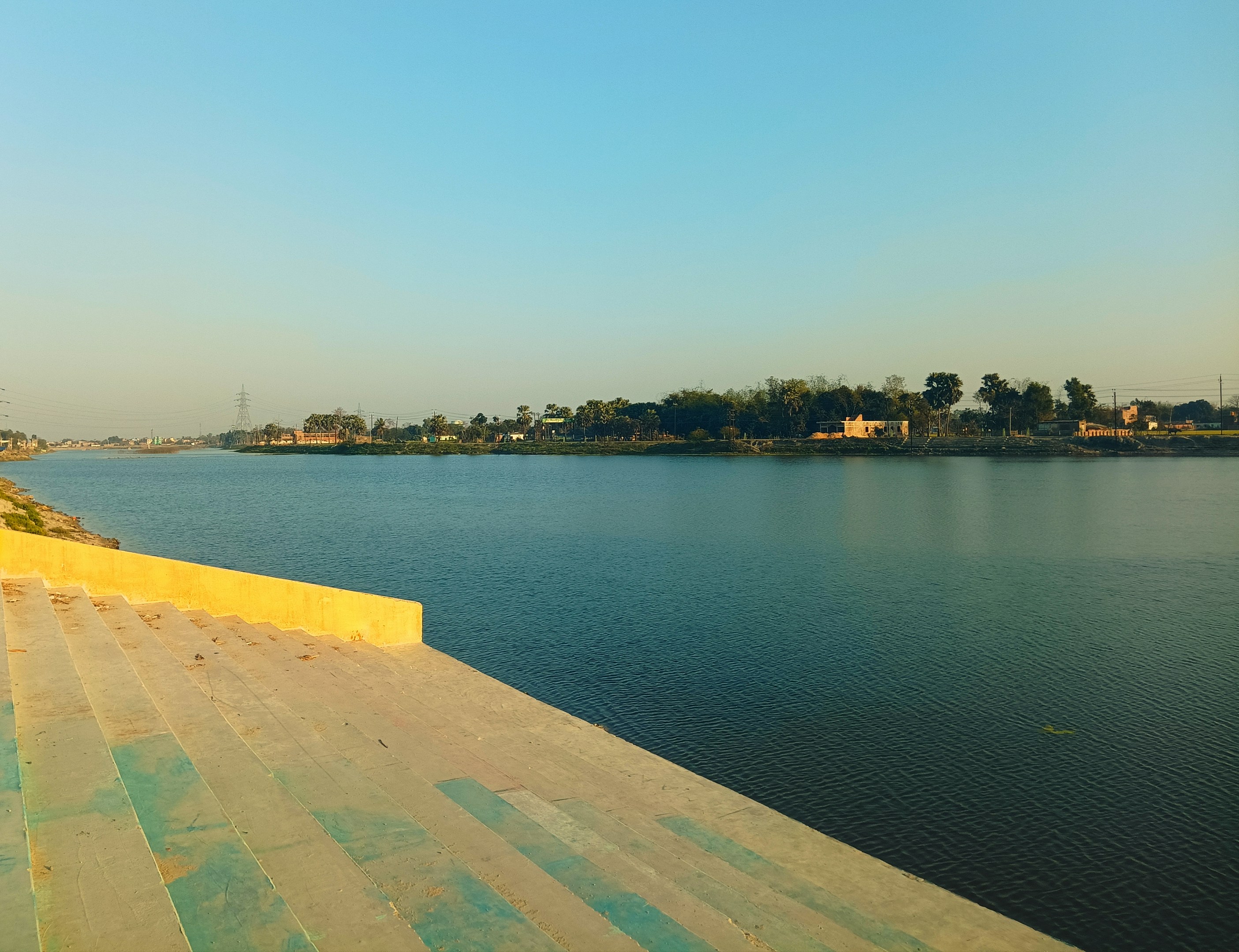
Saharsa, Bihar — Where the Kosi River Meets Ancient Devotion
Some places announce themselves loudly on every travel list. Others quietly wait, holding onto centuries of stories until the right traveler arrives. Saharsa belongs to the second kind. Sitting on the banks of the Kosi River in northern Bihar, this district headquarters town isn't chasing the spotlight — yet it holds ancient temples associated with kings and sages, a river that has shaped the destiny of an entire region, and folk art traditions that have traveled from village courtyards to international galleries.
At aonego, we go looking for exactly these kinds of places — destinations where the story matters as much as the sightseeing. Saharsa, part of the Mithila cultural belt, gives you both in generous measure. This guide walks you through its history, its temples, its river, its food, and everything else you'll want to know before you go.
Quick Facts About Saharsa
| State | Bihar |
| Region | Mithila |
| Division | Kosi Division (headquarters) |
| Established | 1st April 1954 |
| Known For | Ancient temples, the Kosi River, Madhubani art |
| Best Time to Visit | October to March |
| Nearest Railhead | Saharsa Junction |
| Language | Hindi, Maithili, Urdu |
The Story Behind Saharsa
To understand Saharsa, you first have to understand the river that runs through it. The Kosi has earned the nickname "Sorrow of Bihar" because of its long history of shifting course and flooding — events in 1984 and 2008 reshaped entire villages and displaced hundreds of thousands of people across the district. But the same river that has brought hardship has also given this land its fertility, its livelihoods, and, in many ways, its identity. Locals here speak of the Kosi with a mix of respect and caution, the way one might speak of an unpredictable elder.
Long before it became an administrative district in 1954 as the headquarters of the Kosi Division, this land was already woven into the mythology and history of the Mithila region — the same region associated with Goddess Sita and centuries of Sanskrit scholarship. Local legend even connects one of the area's most important temples to King Janak, Sita's father, adding a mythological thread that runs through the district's identity even today.
Over time, Saharsa grew from a collection of villages along the riverbank into an important trade and administrative center for the Kosi region, while never losing its deep-rooted spiritual character. That character is still the first thing most visitors notice.
Temples and Sacred Sites Worth Your Time
Shri Ugratara Sthan, Mahishi
This is the temple most people associate with Saharsa, and for good reason. Located about 17 km west of Saharsa railway station in Mahishi village, the temple houses an ancient idol of Bhagwati Tara, flanked by two smaller deities worshipped as Ekjata and Nil Saraswati. What sets this temple apart is its deep connection to Tantric tradition — during the ten-day Sharadiya Navaratra, saints and devotees from across the country gather here for penance and rituals rarely seen elsewhere. The scale of devotion peaks during Dussehra, when more than a lakh (100,000) devotees arrive to worship the goddess, transforming the quiet village into a sea of faith. If you visit, remember that photography inside the temple isn't permitted, and prayers are typically offered in silence.
Sun Temple, Kandaha
History buffs will find plenty to appreciate at the Sun Temple in Kandaha. Inscriptions at its sanctum sanctorum trace its construction to the 14th-century reign of King Narsimha Deo of the Karnata dynasty, which once ruled over Mithila. According to local accounts, the temple suffered damage under the Mughal ruler Kalapahad but was later restored through the efforts of the revered saint-poet Laxminath Gosai. Standing before this temple today means standing in front of nearly seven centuries of continuous worship and restoration.
Matsyagandha Mandir
What was once a barren, waterlogged stretch known as Matsya Gandha Lake has been transformed into one of Saharsa's most visited spiritual complexes. The site now houses the Rakta Kali temple and a striking oval-shaped shrine featuring 64 carved deities — the 64-Yogini — etched into its inner walls. The Bihar government has developed the surrounding grounds into a landscaped tourist complex, making it as pleasant a place for a quiet walk as it is for prayer.
Chandika Sthan, Biratpur
Tucked away in Biratpur village under Sonebarsa block, this ancient temple dedicated to Goddess Chandi carries a fascinating layer of Mahabharata-era legend — the village is believed to be connected to King Birat, whose kingdom is said to have sheltered the Pandavas during their exile. Tantric scholars regard this temple as part of a sacred triangle formed with the Katyayani temple near Dhamhara Ghat and the Tara temple at Mahishi, adding an esoteric dimension that draws serious spiritual seekers.
Maa Vishhari Sthan, Diwari
One of the newer additions to the district's spiritual landscape, this temple was rebuilt and reopened in September 2024 with government funding. Standing 47 metres tall, it's now among the tallest religious structures in the region, blending Nagara (North Indian) and Dravidian (South Indian) architectural styles with intricately carved spires. During its annual fair, the temple grounds come alive with traditional folk performances and religious ceremonies, drawing thousands of visitors.
Karu Khirhari Temple, Mahpura
Set on the riverside of the eastern Kosi embankment, this temple honors Saint Karu Khirhari, said to have attained spiritual divinity through his devotion to cows. Devotees continue the tradition of offering milk here, and the Bihar government has announced plans to develop it into a major tourist destination — so visiting now offers a chance to experience it in its quieter, more authentic form.
Natural Beauty Along the Kosi
The Kosi River and Kosi Barrage
The Kosi River isn't just a backdrop in Saharsa — it's practically a character in the district's story. Along its banks, you'll find opportunities for peaceful walks, boat rides, and birdwatching, with lush green stretches offering a refreshing contrast to the temple visits. The Kosi Barrage, one of the largest irrigation projects in Bihar, stands as a testament to the region's ongoing relationship with its most powerful natural force — equal parts lifeline and challenge.
Siphon Bridge, Bargaon
For travelers who appreciate a mix of history, engineering, and scenery, the Siphon Bridge in Bargaon is a genuine hidden gem. Built with distinctive British-era siphon engineering, the bridge offers sweeping views of the Kosi River and its surrounding landscape. It's a favorite among local photographers, particularly at sunrise and sunset, when the light plays beautifully across the water.
Mahishi Bridge
Constructed by British engineers in 1878, this historic bridge over the Kosi River adds another layer of colonial-era engineering heritage to the district. Combined with the Siphon Bridge, it offers a glimpse into how infrastructure was built to tame — or at least coexist with — one of Bihar's most powerful rivers.
Baraha Tal Lake and Madanpur Forest Reserve
Away from the temples and riverbanks, Baraha Tal Lake offers a serene setting for boating and relaxation, framed by views of the surrounding hills. Nearby, the Madanpur Forest Reserve adds a touch of wilderness for travelers wanting to slow down and reconnect with nature before heading back to the temple circuit.
Tarauni Lake
On the outskirts of town, Tarauni Lake is another peaceful escape, popular for picnics, birdwatching, and photography. Surrounded by greenery, it's an easy half-day addition to any itinerary.
Nauka Vihar Park
A popular local picnic spot on the banks of the Kosi River, Nauka Vihar Park offers boating facilities and a relaxed, family-friendly atmosphere — a good place to unwind after a day of temple-hopping.
Culture, Craft, and the Spirit of Mithila
Saharsa sits within the larger Mithila cultural region, and that heritage shows up everywhere — in its temple architecture, its festivals, and especially its art. Madhubani painting, the vibrant folk art tradition characterized by intricate line work and themes drawn from mythology and nature, remains one of the most recognizable cultural exports of this region. Traditionally practiced by women using natural pigments, this art form has evolved from domestic wall decoration into an internationally recognized craft, complete with its own Geographical Indication (GI) tag.
The Saurath Sabha Mandapam, an open-air pavilion historically used for solemnizing marriages according to traditional Maithil customs, adds another dimension to the region's living heritage — a reminder that culture here isn't confined to museums, but continues to play out in everyday life.
Festivals bring this cultural fabric fully to life. Navratri and Dussehra transform Mahishi into a pilgrimage hub, while temple fairs at sites like Maa Vishhari Sthan showcase folk performances alongside religious rituals. Chhath Puja, dedicated to the Sun God, is observed with particular devotion along the riverbanks — a fitting tribute in a district so deeply shaped by its river.
What to Eat in Saharsa
Bihari cuisine is built around simplicity, flavor, and tradition, and Saharsa offers a genuine taste of it:
- Litti Chokha — Roasted, sattu-stuffed wheat balls served with smoky mashed vegetables; the dish most associated with Bihar itself.
- Sattu Drinks and Parathas — A regional staple made from roasted gram flour, valued for its cooling properties and nutritional value, especially in summer.
- River Fish Curry — Given the Kosi's presence, fresh fish preparations cooked in traditional Bihari spices are a local specialty.
- Thekua — A jaggery-sweetened, deep-fried snack strongly associated with Chhath Puja celebrations.
- Traditional Mithila Sweets — Look for khoya and jaggery-based sweets sold in local markets, often made using recipes passed down through generations.
Street stalls and small local eateries near the town center are usually your best bet for authentic flavors at reasonable prices.
When to Visit
The window between October and March is ideal for visiting Saharsa. Temperatures are comfortable, temple visits are more pleasant, and the countryside is at its greenest right after the monsoon retreats. Winter is also the best time for lake visits and birdwatching at spots like Tarauni Lake.
Summers (April to June) can be intensely hot and humid, making outdoor sightseeing tiring. The monsoon season (July to September), while visually lush, comes with a real risk of flooding given the district's proximity to the Kosi River — it's worth checking local advisories before planning a monsoon trip.
If you want to witness the district's spiritual side at its most intense, plan your visit around Navratri and Dussehra (September–October), when Mahishi draws over a lakh devotees, or around Chhath Puja, when the riverbanks come alive with rituals and celebration.
How to Reach Saharsa
By Air: The nearest major airport is Jay Prakash Narayan Airport in Patna, roughly 200 km away, with regional air connectivity gradually expanding.
By Rail: Saharsa Junction is well connected to major cities across Bihar and India, making train travel the most convenient and popular option for most visitors.
By Road: National highways NH-231 and NH-327 connect Saharsa to nearby districts including Darbhanga, Madhepura, Bhagalpur, and Purnia, with regular bus and taxi services available.
Suggested 2-Day Itinerary
Day 1 — Temples and Heritage Start early at Shri Ugratara Sthan in Mahishi to avoid crowds, then head to the Sun Temple at Kandaha to explore its 14th-century inscriptions. In the afternoon, visit Matsyagandha Mandir before ending the day at Chandika Sthan in Biratpur, timed for the evening aarti if possible.
Day 2 — River and Nature Spend the morning at the Kosi Barrage and take a boat ride near Nauka Vihar Park. In the afternoon, drive out to the Siphon Bridge at Bargaon for photographs, then unwind at Tarauni Lake or Baraha Tal Lake before heading back into town for dinner.
Practical Travel Tips
- Visit major temples like Shri Ugratara Sthan early in the morning for a calmer, more personal experience — crowds build up significantly by midday, especially during festival season.
- Dress modestly at all religious sites, and be prepared to remove footwear before entering temple complexes.
- Photography is restricted inside several temples, including Shri Ugratara Sthan — check locally before taking pictures.
- If traveling during monsoon months, monitor flood advisories given the district's history with the Kosi River.
- Keep cash on hand for smaller markets and roadside eateries, where digital payments may not always be accepted.
- If your visit coincides with Navratri, Dussehra, or Chhath Puja, book accommodations well in advance, as the district sees a significant influx of pilgrims.
Frequently Asked Questions
Is Saharsa safe to visit during monsoon season?
The district lies close to the Kosi River, which has a history of flooding during heavy monsoon years. It's advisable to check local weather and flood advisories before planning a visit between July and September.
What is Saharsa most famous for?
Saharsa is best known for the Shri Ugratara Sthan temple in Mahishi, its deep connection to the Kosi River, and its place within the broader Mithila cultural region, known for Madhubani art.
How many days are enough to explore Saharsa?
A well-paced 2-day itinerary covers the major temples, the riverside attractions, and at least one natural site like Tarauni Lake or Baraha Tal Lake.
Is Saharsa connected to any other well-known Bihar destinations?
Yes. Saharsa lies close to Darbhanga district, particularly near Kusheshwar Asthan, making it possible to combine both destinations in a single Kosi-Mithila region itinerary.
Why Saharsa Deserves a Place on Your Itinerary
Saharsa isn't a destination built for quick, checklist-style tourism. It rewards travelers who are willing to slow down — to sit by the Kosi as the sun sets over the barrage, to stand quietly before a centuries-old sun temple, or to watch a local artisan bring a Madhubani painting to life stroke by stroke.
At aonego, this is exactly the kind of place we love pointing travelers toward: somewhere with genuine depth, living traditions, and a story that doesn't need to be exaggerated to be compelling. Between its ancient temples, its powerful river, and its deep roots in Mithila's cultural heritage, Saharsa offers an experience that stays with you long after the trip ends.
So when you're mapping out your next journey through Bihar's Kosi region, give Saharsa the time it deserves. This quiet riverside town has far more to offer than most travelers expect — and it's ready to share its story with anyone willing to listen.
"Travel is the only thing you buy that makes you richer."