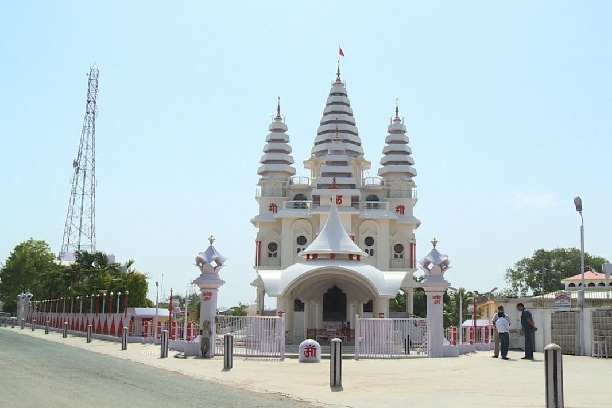
Jamui, Bihar: A Complete Journey Through Forests, Hills and Tourism | Aonego
Located in the southern part of Bihar, Jamui is a district known for its dense forests, rolling hills, and rich tribal heritage. Bordering Jharkhand, this district offers a landscape and cultural character quite different from the flat plains typically associated with Bihar, making it one of the state's most naturally diverse regions. In this detailed guide by Aonego, let's explore everything you need to know about Jamui.
Geographical Overview of Jamui
Jamui district is situated in the southern part of Bihar, bordering the state of Jharkhand to the south. It is surrounded by Munger and Lakhisarai to the north, Banka to the east, and Nawada to the west. The district's terrain is dominated by forested hills and plateau regions that form part of the wider Chota Nagpur plateau extending into neighboring Jharkhand, giving Jamui a distinctly hilly and green landscape compared to much of the rest of Bihar.
Several rivers and streams flow through the district, including tributaries that support both agriculture and the dense forest cover found across large parts of Jamui. This combination of hills, forests, and river valleys makes the district one of the most ecologically significant regions in Bihar. The climate here is subtropical, with hot summers, a monsoon season that transforms the forests into lush greenery, and mild, pleasant winters, which are considered the best time to explore the district.
Historical Significance of Jamui
Jamui's history is closely tied to the ancient Anga and Magadha kingdoms of early India, given its proximity to historically significant regions of southern Bihar. The district's hilly and forested terrain historically made it a region of strategic importance, often serving as a natural boundary and refuge during various periods of regional conflict and political change.
The area has also long been associated with tribal communities who have inhabited the forested hills of the district for generations, contributing to a rich cultural heritage that blends mainstream Bihari traditions with distinct tribal customs and practices. Throughout medieval and colonial history, Jamui remained part of the larger Munger district before being established as an independent district in 1991, allowing for more focused administrative attention to its unique geography and tribal population.
Culture and Traditions of Jamui
The culture of Jamui is shaped by a blend of Magahi and tribal traditions, with Magahi and Hindi being the predominant languages spoken throughout the district, alongside tribal languages and dialects spoken by indigenous communities inhabiting the forested regions. This cultural diversity gives Jamui a character distinct from many other districts in Bihar, with tribal festivals, art, and customs playing a significant role in local life.
Chhath Puja is observed with great devotion in Jamui, celebrated along local rivers and ponds throughout the district. Durga Puja, Diwali, Holi, and Ram Navami are also celebrated with traditional enthusiasm. Tribal communities in the district also observe their own seasonal and harvest festivals, often connected to nature worship and forest deities, adding a unique dimension to the district's cultural calendar.
Traditional cuisine in Jamui includes Magahi staples such as Litti-Chokha, Sattu Paratha, and Thekua, alongside simple forest-influenced dishes prepared by tribal communities using locally foraged ingredients and seasonal produce.
Top Places to Visit in Jamui
If you're planning to explore Jamui, here are some places worth including in your itinerary:
1. Nakti Dam and Surrounding Forests
A scenic reservoir surrounded by forested hills, Nakti Dam is one of the most popular natural attractions in the district, offering peaceful views and a refreshing escape into nature, particularly appealing to those interested in eco-tourism.
2. Khandoli Park and Dam
Located near Jamui town, Khandoli offers a combination of a dam, a small wildlife park, and recreational facilities, making it a popular spot for both locals and visitors looking to enjoy the district's natural beauty in a more accessible setting.
3. Simultala
Known as a former colonial-era hill retreat, Simultala is celebrated for its pleasant climate, forested hills, and natural springs, making it one of the most scenic destinations in the district and a popular getaway for those seeking cooler temperatures.
4. Malaypur and Tribal Villages
The villages surrounding Jamui's forested regions offer visitors a chance to experience tribal culture firsthand, including traditional lifestyles, craft-making, and community practices that have been preserved for generations.
5. Jamui Wildlife Sanctuary Areas
Parts of the district fall within forested zones that support diverse wildlife, offering opportunities for nature walks and wildlife observation for those interested in the region's rich biodiversity.
Economy and Agriculture of Jamui
Agriculture and forest-based livelihoods together form the backbone of Jamui's economy. The plains and valley areas support the cultivation of paddy, maize, and pulses, while the forested hill regions provide additional livelihood opportunities through the collection of forest produce, particularly for tribal communities residing in these areas.
Beyond agriculture and forestry, small-scale trade and local markets contribute to the district's economy, along with growing eco-tourism activity centered around destinations like Simultala and Nakti Dam, which have begun attracting visitors interested in nature-based travel experiences within Bihar.
Education and Healthcare Facilities
Jamui has been gradually developing its educational infrastructure, with government and private schools, along with a few colleges, serving the district's youth, including tribal communities in more remote forested areas. Given the district's hilly and forested geography, extending educational access to all communities remains an ongoing area of development.
Healthcare facilities in Jamui include government hospitals and primary health centers spread across the district, along with private clinics in the main town areas. As with many districts featuring remote forested regions, healthcare access in more isolated tribal areas continues to be an area of focus for local authorities.
How to Reach Jamui
Jamui is well connected by rail and road, with Jamui railway station lying on an important route connecting Bihar with Jharkhand. By road, national and state highways link the district to Patna, Munger, and other important towns, making bus and private vehicle travel convenient. The nearest major airport is in Patna, which serves as the primary gateway for air travelers to this part of Bihar.
Best Time to Visit Jamui
The best time to visit Jamui is between October and March, when the weather is cool and comfortable for exploring the district's forests, hills, and dams. Simultala, given its elevation, offers a particularly pleasant climate even during warmer months, making it a popular retreat throughout much of the year. Summers in the lower-lying areas can get quite hot, while the monsoon season, though beautifully green, can make travel through forested and hilly terrain more challenging.
Conclusion
Jamui stands out as one of Bihar's most naturally diverse districts, offering a rare combination of dense forests, scenic hills, and rich tribal heritage. From the peaceful waters of Nakti Dam to the cool retreat of Simultala and the cultural richness of its tribal communities, Jamui presents a side of Bihar that surprises many first-time visitors.
At Aonego, we always strive to bring you authentic and detailed information about every corner of India, especially places that often don't make it to mainstream tourism lists. Jamui is a wonderful example of how Bihar's landscape extends far beyond its plains into forests, hills, and vibrant tribal traditions.
If you're planning a trip to Bihar and looking for something beyond the usual plains and cities, Jamui deserves a spot on your itinerary. Stay connected with Aonego for more insights into such hidden gems across Bihar and India.
"Travel is the only thing you buy that makes you richer."