Katihar, Bihar: A Complete Journey Through Rivers, Culture and Tourism | Aonego
Situated in the north-eastern part of Bihar, Katihar is a district known as an important gateway of the Seemanchal region and a major railway hub of eastern India. Bordered by rivers on multiple sides and blessed with fertile agricultural land, Katihar carries a unique identity shaped by its riverine geography, cultural diversity, and strategic location. In this detailed guide by Aonego, let's explore everything you need to know about Katihar.
Geographical Overview of Katihar
Katihar district lies in the north-eastern part of Bihar, within the Purnia division. It is bordered by Purnia to the north, West Bengal to the east, Bhagalpur and Khagaria to the south, and Madhepura to the west. The district is uniquely positioned at the confluence of several major rivers, including the Ganga, Kosi, and Mahananda, which shape much of its geography and economy.
This riverine landscape makes Katihar's soil extremely fertile, ideal for agriculture, though it also means the district faces the recurring challenge of floods during the monsoon season. The climate here is subtropical, with hot summers, a wet and humid monsoon, and mild, comfortable winters, which are considered the best time to explore the district.
Historical Significance of Katihar
Katihar's history is closely linked to the broader historical narrative of the Purnia region, of which it was originally a part. The area has ancient roots connected to the Anga and Mithila regions of early Indian history, and its location along major rivers made it an important point for trade and movement of people since ancient times.
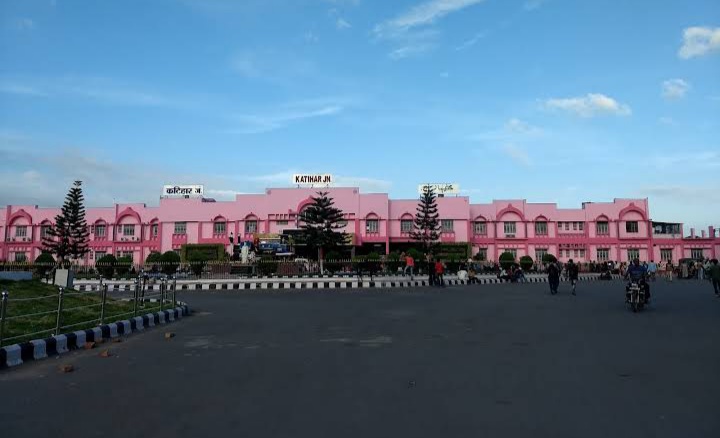
During the British colonial period, Katihar rose to prominence primarily due to the development of the railway network. The establishment of Katihar Junction turned the town into one of the most important railway hubs in eastern India, connecting Bihar with Assam, West Bengal, and the wider northeastern region. This railway significance shaped much of the town's growth and continues to define its identity today.
Katihar was carved out as a separate district from Purnia in 1976, allowing for more focused administrative development of this rapidly growing region.
Culture and Traditions of Katihar
Katihar's culture is a vibrant mix of communities, languages, and traditions. Being part of the Seemanchal region, it shares cultural similarities with Purnia and Kishanganj, with a rich blend of Hindu and Muslim traditions living side by side. Surjapuri, Maithili, Bengali, and Hindi are all spoken across different parts of the district, reflecting its position at the crossroads of Bihar, Bengal, and the northeastern states.
Chhath Puja is celebrated with great devotion along the riverbanks of Katihar, drawing large crowds to the ghats. Durga Puja, Eid, Diwali, Holi, and Makar Sankranti are also observed with considerable enthusiasm, often blending Bengali and Bihari cultural elements given the district's proximity to West Bengal.
The local cuisine reflects this cultural blend as well, with fish curry and rice being a staple, alongside Litti-Chokha, Sattu Paratha, and an assortment of sweets influenced by neighboring Bengal.
Top Places to Visit in Katihar
If you're planning a visit to Katihar, here are some places worth exploring:
1. Katihar Junction and Railway Heritage
As one of the most important railway junctions in eastern India, Katihar Junction itself is worth a visit for those interested in the region's railway history. The bustling station reflects the town's identity as a key transportation hub connecting multiple states.
2. Confluence of Rivers
The point where the Ganga, Kosi, and Mahananda rivers meet near Katihar offers a striking natural spectacle. These river confluences are not only scenic but also hold cultural and religious significance for local communities.
3. Kadwa
A town within Katihar district known for its local markets and rural charm, Kadwa offers a glimpse into everyday life in this part of Bihar, away from the busier district headquarters.
4. Manihari
Located along the banks of the Ganga, Manihari is known for its riverside setting and has historically served as an important point for river-based trade and transport.
5. Rural and Riverine Landscapes
The countryside surrounding Katihar, dotted with rivers, fertile fields, and small villages, offers travelers an authentic experience of rural Bihar. Boat rides along the rivers and walks through the farmland provide a peaceful escape from city life.
Economy and Agriculture of Katihar
Katihar's economy is heavily reliant on agriculture, thanks to the fertile soil deposited by its many rivers. Paddy, maize, jute, and makhana are among the primary crops cultivated here, with the region also known for producing a significant share of Bihar's jute output. Fisheries also play an important economic role, given the district's extensive river network.
Beyond agriculture, Katihar's status as a major railway junction has made it an important center for trade and commerce in the region. Goods transportation, local markets, and small-scale industries connected to agricultural processing all contribute to the district's economic activity.
Education and Healthcare Facilities
Katihar has seen steady development in its educational infrastructure, with numerous schools, colleges, and technical institutions serving the district's youth. Its status as a well-connected transportation hub has also made it easier for students to access educational opportunities in neighboring districts and states.
Healthcare facilities in Katihar include government hospitals, primary health centers, and a growing number of private clinics and nursing homes, catering to the needs of the local population as well as surrounding rural areas.
How to Reach Katihar
Katihar is exceptionally well connected due to its status as a major railway junction, with direct train connectivity to Bihar's major cities as well as West Bengal, Assam, and other northeastern states. By road, the district is linked via national highways to Purnia, Bhagalpur, and Patna, making bus and private vehicle travel convenient. The nearest major airport is in Purnia, with Patna's airport also serving as an option for those traveling from further afield.
Best Time to Visit Katihar
The best time to visit Katihar is between October and March, when the weather is cool and pleasant, ideal for exploring the riverbanks, local markets, and rural surroundings. The monsoon season, while lush and green, can bring flooding risks in low-lying areas, so travel during this period should be planned with local conditions in mind. Summers tend to be hot and humid, making outdoor exploration less comfortable.
Conclusion
Katihar is a district defined by its rivers, its railways, and its rich cultural blend. From the historic significance of Katihar Junction to the scenic beauty of its river confluences and the warmth of its diverse communities, Katihar offers a distinctive travel experience within Bihar's Seemanchal region.
At Aonego, we always strive to bring you authentic and detailed information about every corner of India, especially places that often don't make it to mainstream tourism lists. Katihar is a fine example of how geography, history, and culture come together to shape a region's unique identity.
If you're planning a trip to Bihar, consider adding Katihar to your itinerary for a blend of riverine landscapes, cultural diversity, and railway heritage. Stay connected with Aonego for more insights into such hidden gems across Bihar and India.
"Travel is the only thing you buy that makes you richer."