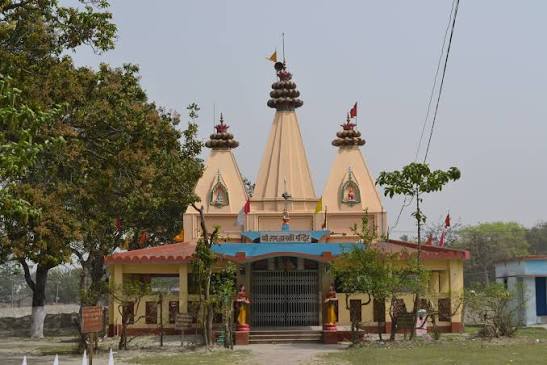
Supaul, Bihar: A Complete Journey Through the Kosi River and Tourism | Aonego
Located in the northern part of Bihar, Supaul is a district defined almost entirely by its relationship with the Kosi River, one of the most powerful and unpredictable rivers in India. Bordering Nepal, Supaul offers a landscape shaped by both the fertility and the challenges brought by the river, along with a resilient culture rooted in the traditions of the Mithila and Kosi regions. In this detailed guide by Aonego, let's explore everything you need to know about Supaul.
Geographical Overview of Supaul
Supaul district lies in the northern part of Bihar, within the Kosi division, bordering Nepal to the north. It is surrounded by Araria and Purnia to the east, Madhepura and Saharsa to the south, and Madhubani and Darbhanga to the west. The Kosi River, along with several of its tributaries and distributaries, dominates the district's geography, shaping both its agricultural potential and its vulnerability to seasonal flooding.
Often referred to as the "Sorrow of Bihar" due to its history of dramatic course changes and devastating floods, the Kosi River has profoundly influenced settlement patterns, agriculture, and infrastructure throughout Supaul. The climate here is subtropical, with hot summers, a monsoon season that brings both fertility and flood risk, and mild, pleasant winters, which are considered the safest and most comfortable time to explore the district.
Historical Significance of Supaul
Supaul's history is deeply connected to the broader narrative of the Kosi region and the Mithila cultural zone of North Bihar. The area has long been shaped by the shifting course of the Kosi River, which has historically altered settlement patterns and agricultural practices across generations, making adaptability a defining trait of the local population.
During the colonial period and in the decades following India's independence, the Kosi River's unpredictable behavior led to significant infrastructure projects, including the construction of embankments and the Kosi Barrage, aimed at controlling floods and harnessing the river for irrigation. These efforts have played a central role in shaping the district's modern development.
Supaul was established as an independent district in 1991, carved out of Saharsa to allow for more focused administrative attention to this flood-prone yet agriculturally significant region of North Bihar.
Culture and Traditions of Supaul
The culture of Supaul reflects the broader Maithili traditions of North Bihar, with Maithili and Hindi being the predominant languages spoken throughout the district. Given the district's close relationship with the Kosi River, local traditions often reflect a deep respect for the river's power, with river worship and related rituals holding cultural significance for many communities here.
Chhath Puja holds immense religious importance in Supaul, celebrated with great devotion along the banks of the Kosi River and its tributaries. Durga Puja, Diwali, Holi, and Makar Sankranti are also observed with traditional enthusiasm throughout the district. As part of the Mithila cultural region, folk traditions such as Sama-Chakeva also find expression in the district's rural communities.
Traditional cuisine in Supaul includes Maithili staples such as fish curry with rice, Litti-Chokha, Sattu Paratha, and Makhana-based dishes, reflecting the district's close connection to the Kosi River and its abundant fisheries.
Top Places to Visit in Supaul
If you're planning to explore Supaul, here are some places worth including in your itinerary:
1. Kosi Barrage
One of the most significant infrastructure landmarks in the district, the Kosi Barrage at Bhimnagar is an important flood-control and irrigation project on the Kosi River. The barrage offers a fascinating look at large-scale river engineering and provides scenic views of the river's expanse, particularly during the monsoon season.
2. Birpur
A town near the Kosi Barrage, Birpur serves as an important point for observing the Kosi River's power and the engineering efforts made to manage it, along with offering a glimpse into local border-town life near Nepal.
3. Supaul Town
The district headquarters offers a look into the everyday life, local markets, and administrative center of the district, providing visitors with an authentic sense of small-town life in the Kosi region.
4. Triveniganj
A town within Supaul district known for its rural charm and agricultural activity, Triveniganj offers a glimpse into the traditional farming life that defines much of the district.
5. Kosi Riverside Villages
The villages along the Kosi River offer an authentic and moving glimpse into rural life shaped by the river's unpredictable nature, showcasing the resilience and adaptability of local communities who have learned to live alongside one of India's most powerful rivers.
Economy and Agriculture of Supaul
Agriculture forms the backbone of Supaul's economy, with the fertile soil deposited by the Kosi River supporting the cultivation of paddy, maize, wheat, and makhana. Fisheries also play a particularly important role in the local economy, given the district's extensive network of rivers, ponds, and water bodies created by the Kosi's shifting course.
Beyond agriculture, infrastructure projects connected to flood management, such as the Kosi Barrage, have created some local employment and economic activity. Small-scale trade and local markets in towns like Supaul and Triveniganj also contribute to the district's broader economy, alongside limited cross-border trade given the district's proximity to Nepal.
Education and Healthcare Facilities
Supaul has been steadily developing its educational infrastructure, with government and private schools, along with a few degree colleges, serving the district's youth. Given the challenges posed by seasonal flooding, educational infrastructure development in some rural pockets continues to be a work in progress.
Healthcare facilities in Supaul include government hospitals and primary health centers spread across the district, along with private clinics in the main town areas. As with many districts in the Kosi region, specialized medical care sometimes requires travel to larger cities such as Saharsa or Patna.
How to Reach Supaul
Supaul is connected by rail and road to major towns in the Kosi and Mithila regions, including Saharsa, Madhepura, and Darbhanga. Supaul railway station offers connectivity to various parts of the state. By road, state highways link the district to neighboring towns, though travel during the monsoon season should be planned carefully given the district's flood-prone geography. The nearest major airport is in Darbhanga, with Patna's airport also serving as an option for travelers coming from further away.
Best Time to Visit Supaul
The best time to visit Supaul is between October and March, when the weather is cool, dry, and safest for travel, allowing for comfortable exploration of the Kosi Barrage, local markets, and riverside areas. The monsoon season, from June to September, brings the risk of flooding across much of the district, and travel during this period should be undertaken with caution and awareness of local conditions. Summers tend to be hot, making outdoor exploration less comfortable.
Conclusion
Supaul is a district whose entire identity is shaped by its relationship with the mighty Kosi River, from the engineering marvel of the Kosi Barrage to the resilient farming communities who have adapted to life alongside one of India's most powerful and unpredictable waterways. This connection to the river gives Supaul a character unlike any other district in Bihar.
At Aonego, we always strive to bring you authentic and detailed information about every corner of India, especially places that often don't make it to mainstream tourism lists. Supaul is a powerful reminder of both the challenges and the enduring resilience found across rural Bihar.
If you're planning a trip to Bihar, consider adding Supaul to your itinerary to witness firsthand the remarkable relationship between the Kosi River and the communities who call its banks home. Stay connected with Aonego for more insights into such hidden gems across Bihar and India.
"Travel is the only thing you buy that makes you richer."