West Champaran, Bihar: A Complete Journey Through Nature, History and Tourism | Aonego
Located in the north-western corner of Bihar, West Champaran is a district known for its dense forests, wildlife sanctuaries, and its historic connection to Mahatma Gandhi's first act of civil disobedience in India. Bordering Nepal and Uttar Pradesh, this district offers a rare combination of natural wilderness and freedom struggle history that sets it apart from most other regions in Bihar. In this detailed guide by Aonego, let's explore everything you need to know about West Champaran.
Geographical Overview of West Champaran
West Champaran district lies in the north-western part of Bihar, bordering Nepal to the north and Uttar Pradesh to the west. It is surrounded by East Champaran to the east and Gopalganj to the south. The district's headquarters is Bettiah. West Champaran's terrain is unique within Bihar, featuring the foothills of the Himalayas in its northern reaches, along with the Someshwar and Dun ranges, giving the district a distinctly hilly and forested character compared to the flat plains found elsewhere in the state.
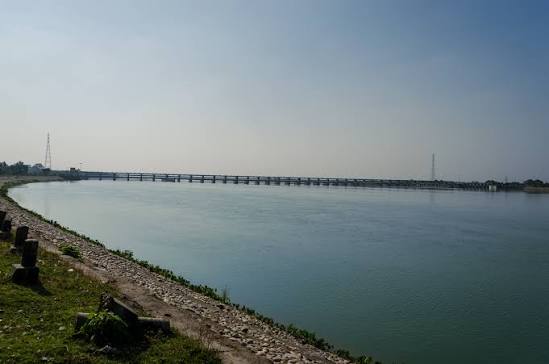
The Gandak River flows through the district, contributing to its agricultural fertility, while the forested hill regions support one of Bihar's most significant wildlife habitats. This combination of Himalayan foothills, dense forests, and river plains makes West Champaran one of the most ecologically diverse districts in the state. The climate here is subtropical, with hot summers, a monsoon season that brings lush greenery to the forests, and mild, cool winters, which are considered the best time to explore the district.
Historical Significance of West Champaran
West Champaran holds a place of profound importance in India's freedom struggle, as it was here, in 1917, that Mahatma Gandhi launched the historic Champaran Satyagraha, his first act of civil disobedience in India. The movement was aimed at addressing the exploitation of local indigo farmers under the oppressive Tinkathia system imposed by British planters, and its success marked a turning point in Gandhi's journey as a leader of India's independence movement.
Beyond its connection to Gandhi, the region's history stretches back much further, with the area having been part of various ancient and medieval kingdoms given its strategic location near the Himalayan foothills and the Nepal border. The district's forests and hilly terrain also historically provided natural boundaries and refuge during various periods of regional conflict.
West Champaran was established as an independent district in 1972, having previously been part of the larger Champaran district, which was divided into East and West Champaran to allow for more focused administrative development of this geographically and historically significant region.
Culture and Traditions of West Champaran
The culture of West Champaran reflects a blend of Bhojpuri and Maithili influences, given its geographical position bridging different cultural zones of North Bihar. Bhojpuri and Hindi are the predominant languages spoken throughout the district, though the presence of Tharu tribal communities near the forested northern regions adds another distinct layer to the district's cultural diversity.
Chhath Puja holds great religious significance here, celebrated with devotion along the Gandak River and other local water bodies. Durga Puja, Diwali, Holi, and Ram Navami are also observed with traditional enthusiasm throughout the district. Tharu tribal communities in the district also maintain their own distinct festivals and cultural practices, often connected to nature worship and traditional forest-based livelihoods.
Traditional cuisine in West Champaran includes Bhojpuri staples such as Litti-Chokha, Sattu Paratha, and Thekua, alongside simple dishes influenced by the Tharu tribal communities who have long inhabited the forested regions of the district.
Top Places to Visit in West Champaran
If you're planning to explore West Champaran, here are some places that deserve a spot on your itinerary:
1. Valmiki National Park and Tiger Reserve
One of Bihar's most significant wildlife destinations, Valmiki National Park is home to a designated tiger reserve and supports a rich diversity of flora and fauna, including tigers, elephants, leopards, and numerous bird species. Nestled within the Himalayan foothills, the park offers a rare wilderness experience within the state.
2. Bettiah Town
The district headquarters, Bettiah, offers historical significance through its old palace structures and serves as a convenient base for exploring the broader district, including its connection to the Champaran Satyagraha movement.
3. Gandhi Ashram, Bhitiharwa
Located in the district, this ashram holds deep historical significance as a site connected to Mahatma Gandhi's Champaran Satyagraha movement, preserving artifacts and memories from this pivotal chapter in India's freedom struggle.
4. Someshwar and Dun Hill Ranges
These forested hill ranges offer scenic trekking opportunities and a refreshing change of landscape, appealing to nature lovers and those interested in exploring Bihar's Himalayan foothill terrain.
5. Tharu Tribal Villages
The villages inhabited by the Tharu tribal community near the forested northern parts of the district offer visitors a chance to experience a distinct indigenous culture, including traditional lifestyles, crafts, and customs preserved over generations.
Economy and Agriculture of West Champaran
Agriculture forms a central part of West Champaran's economy, with the fertile plains along the Gandak River supporting the cultivation of paddy, wheat, sugarcane, and pulses. The district also has a notable history of sugarcane cultivation and processing, connected to its historical association with indigo farming during the colonial period.
Beyond agriculture, forest-based livelihoods play an important role for communities living near Valmiki National Park, while eco-tourism centered around the tiger reserve has been steadily growing as a source of local economic activity, supporting guides, accommodations, and small businesses in the surrounding areas.
Education and Healthcare Facilities
West Champaran has been steadily developing its educational infrastructure, with government and private schools, along with several degree colleges, serving the district's youth. The historical significance of the Champaran Satyagraha has also fostered institutions and initiatives focused on preserving this important chapter of India's freedom struggle for future generations.
Healthcare facilities in West Champaran include government hospitals and primary health centers spread across the district, along with private clinics in Bettiah and other major towns, catering to the medical needs of the local population and visitors to the district's wildlife and historical sites.
How to Reach West Champaran
West Champaran is well connected by road to major cities in Bihar, including Motihari, Gopalganj, and Patna, via national and state highways. Bettiah also has rail connectivity, linking it to other important towns in the region. By road, buses and private vehicles offer convenient travel options, particularly for those visiting Valmiki National Park. The nearest major airport is in Patna, with Gorakhpur in neighboring Uttar Pradesh also serving as a relatively close alternative for travelers.
Best Time to Visit West Champaran
The best time to visit West Champaran is between October and March, when the weather is cool and comfortable for exploring Valmiki National Park, the Gandhi Ashram, and the surrounding hill ranges. Wildlife sightings at the tiger reserve tend to be more favorable during the drier winter months. Summers can get quite hot, and the monsoon season, while lush and green, can make travel through forested areas more challenging.
Conclusion
West Champaran is a district that beautifully combines the wilderness of the Himalayan foothills with a deeply significant chapter of India's freedom struggle. From the rich biodiversity of Valmiki National Park and Tiger Reserve to the historical resonance of Gandhi's Champaran Satyagraha, this district offers travelers both natural adventure and meaningful historical reflection.
At Aonego, we always strive to bring you authentic and detailed information about every corner of India, especially places that often don't make it to mainstream tourism lists. West Champaran stands as a powerful reminder of how nature and history intertwine to shape a region's enduring legacy.
If you're planning a trip to Bihar, make sure to add West Champaran to your list, especially if you're drawn to wildlife, forests, and pivotal moments in India's freedom struggle. Stay connected with Aonego for more insights into such hidden gems across Bihar and India.
"Travel is the only thing you buy that makes you richer."