Explore Bihar
Discover Bihar
Cities of Bihar
Araria
Arwal
Aurangabad
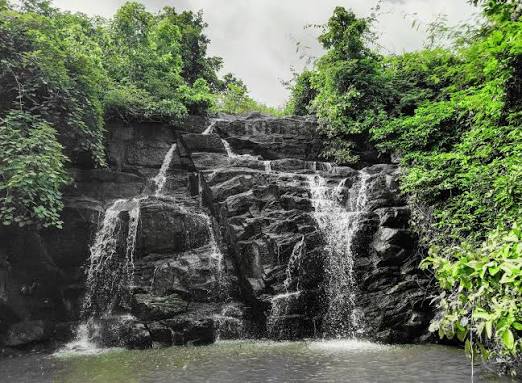
Banka
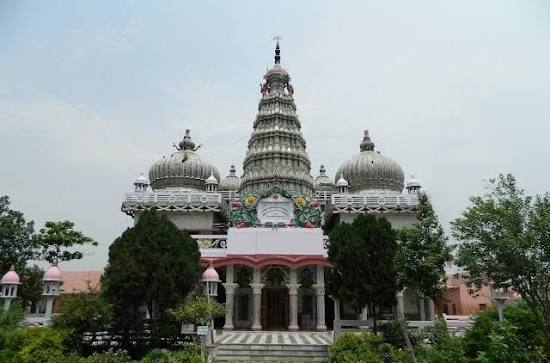
Begusarai
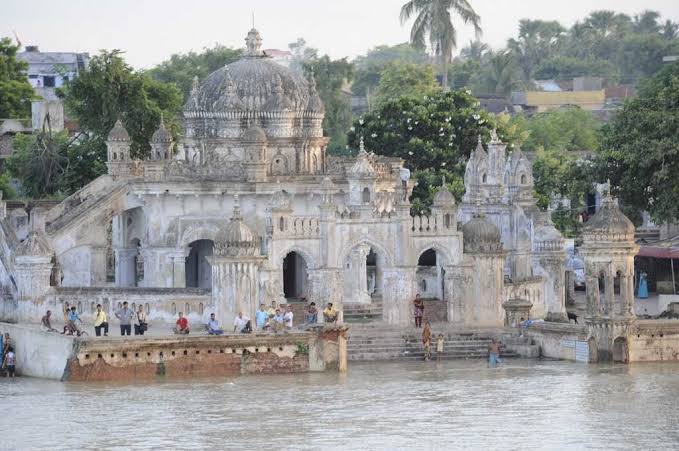
Bhagalpur
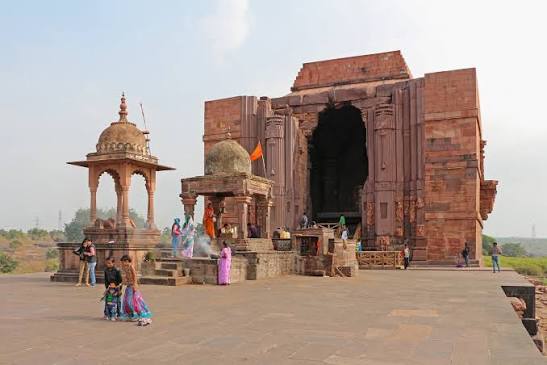
Bhojpur
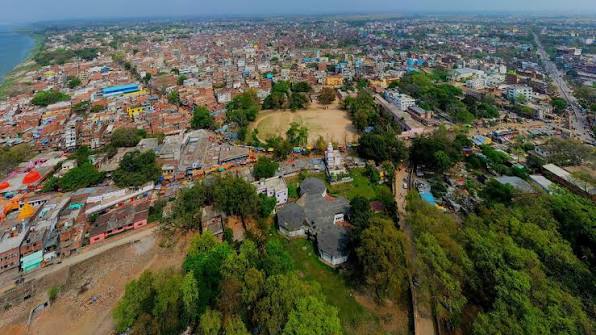
Buxar
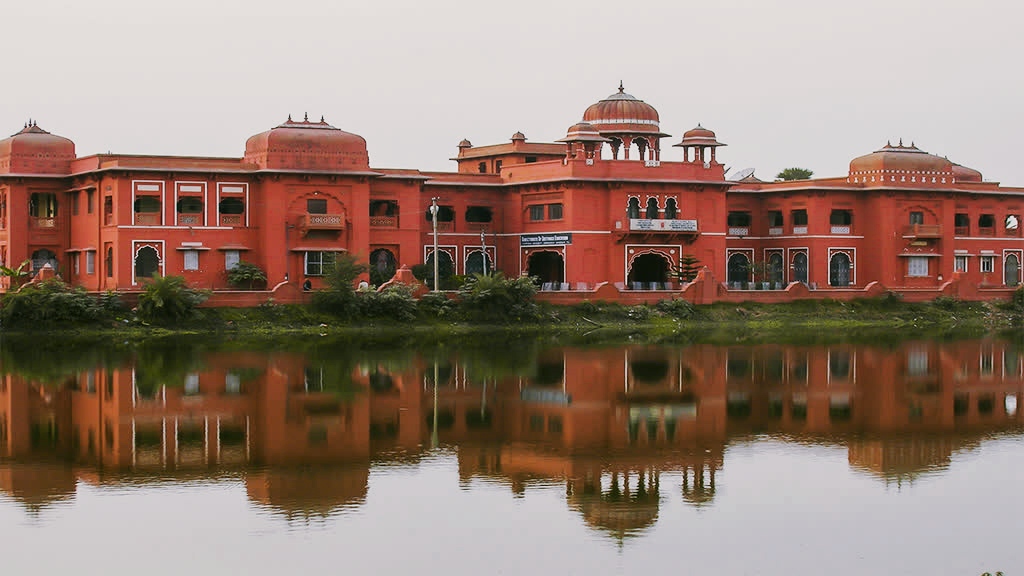
Darbhanga
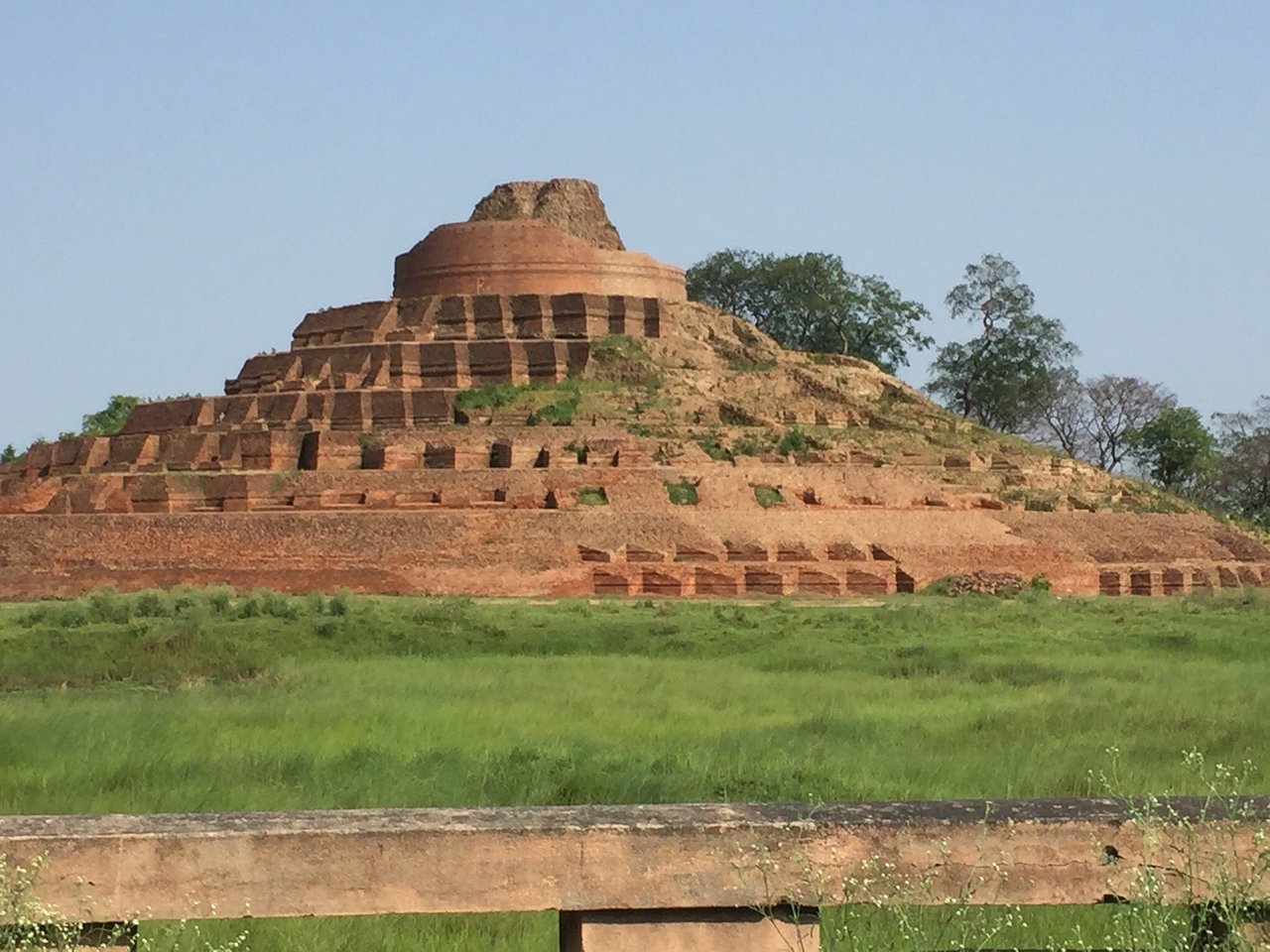
East Champaran
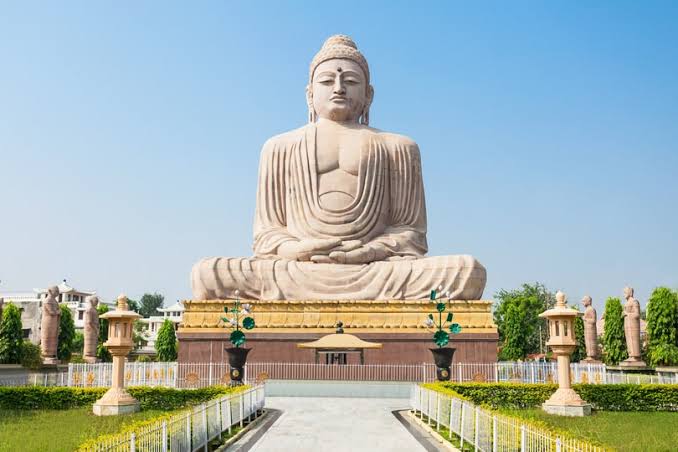
Gaya
Gopalganj
Jamui
Jehanabad
Kaimur
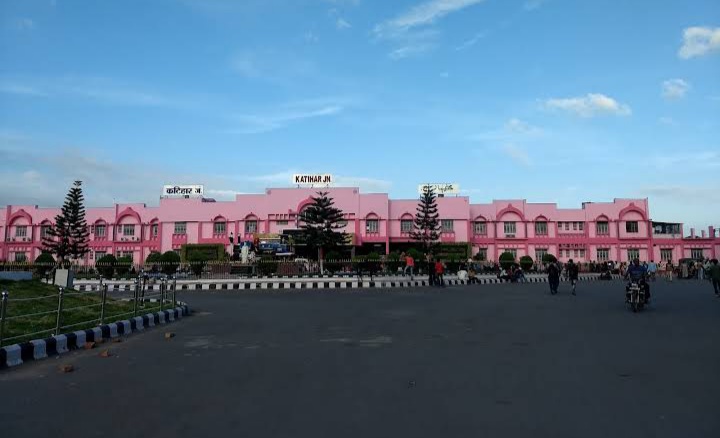
Katihar
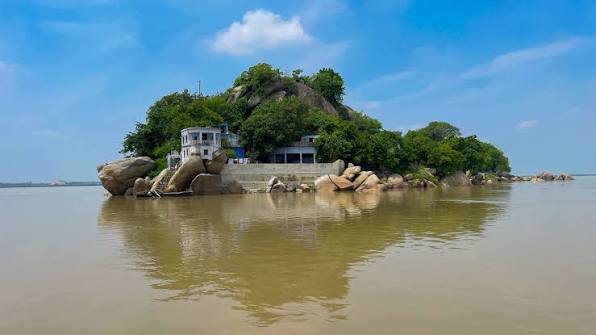
Khagaria
Kishanganj
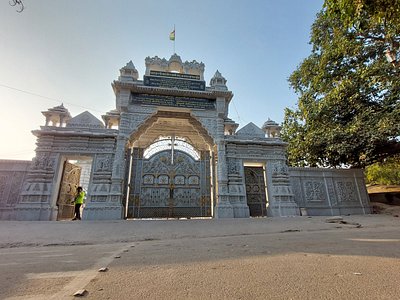
Lakhisarai
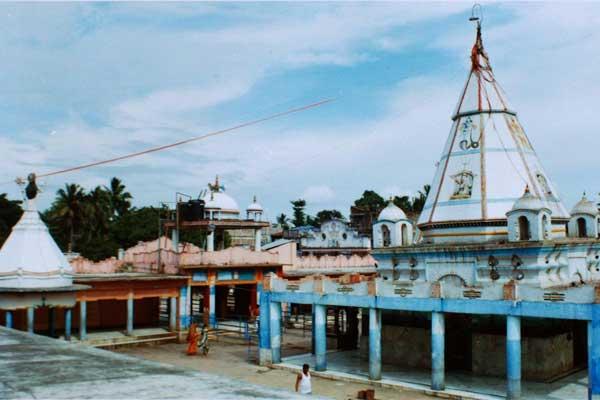
Madhepura
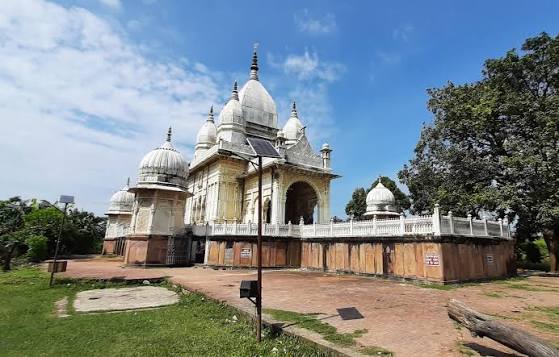
Madhubani
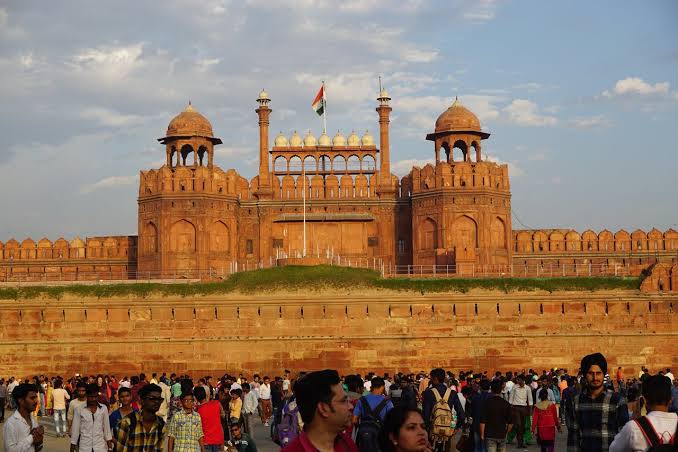
Munger
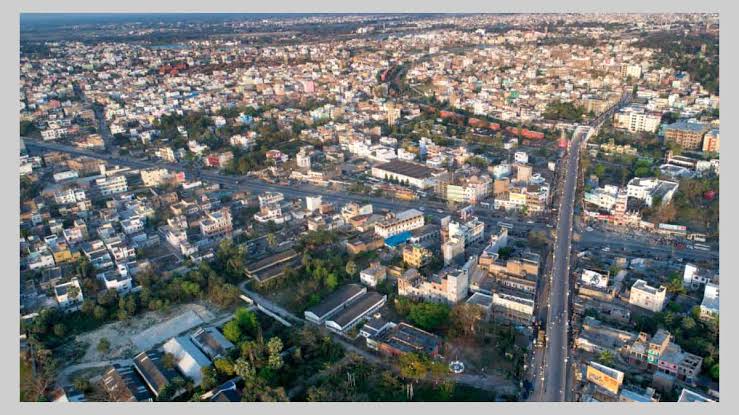
Muzaffarpur
Nalanda
Nawada
Patna

Purnia
Rohtas
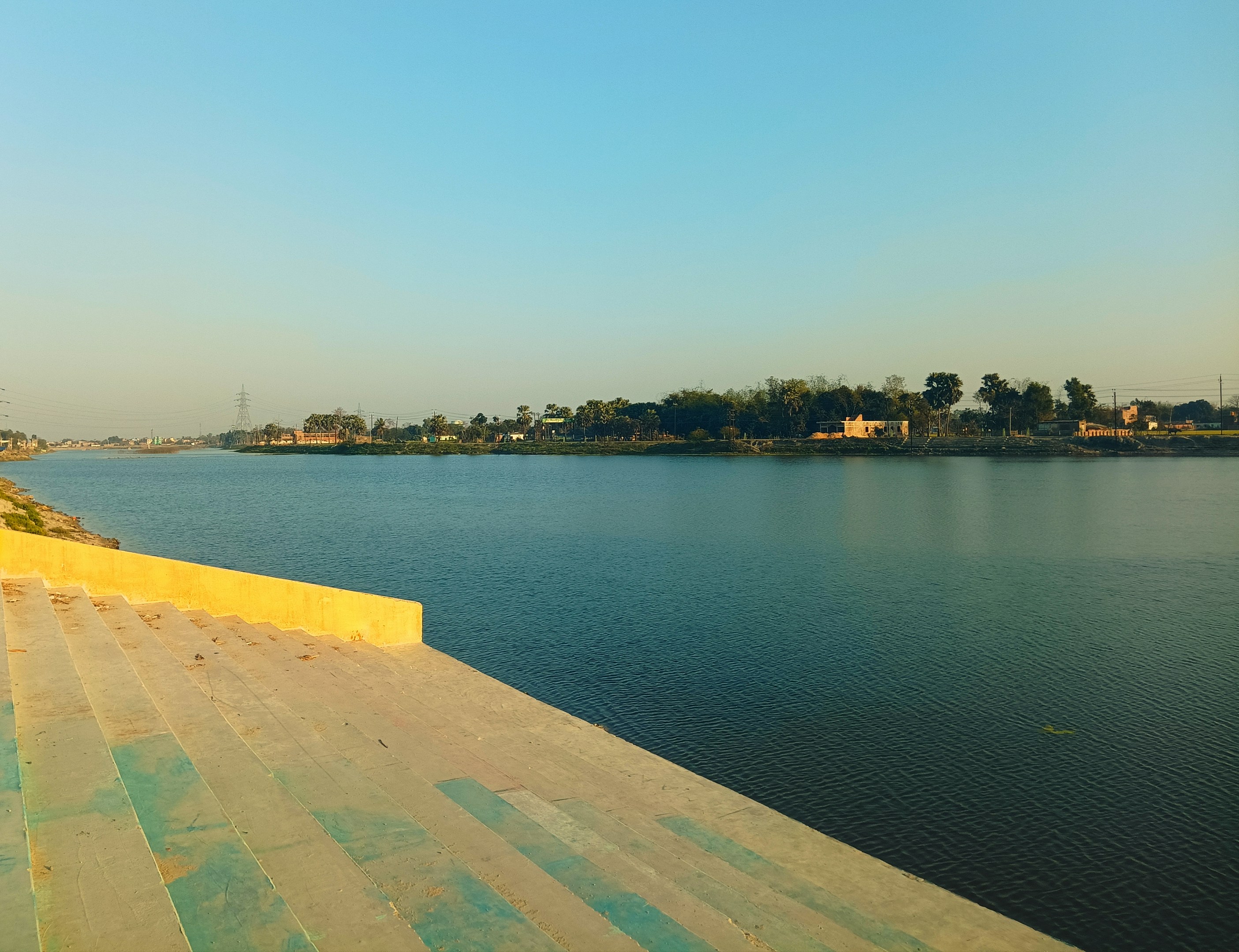
Saharsa
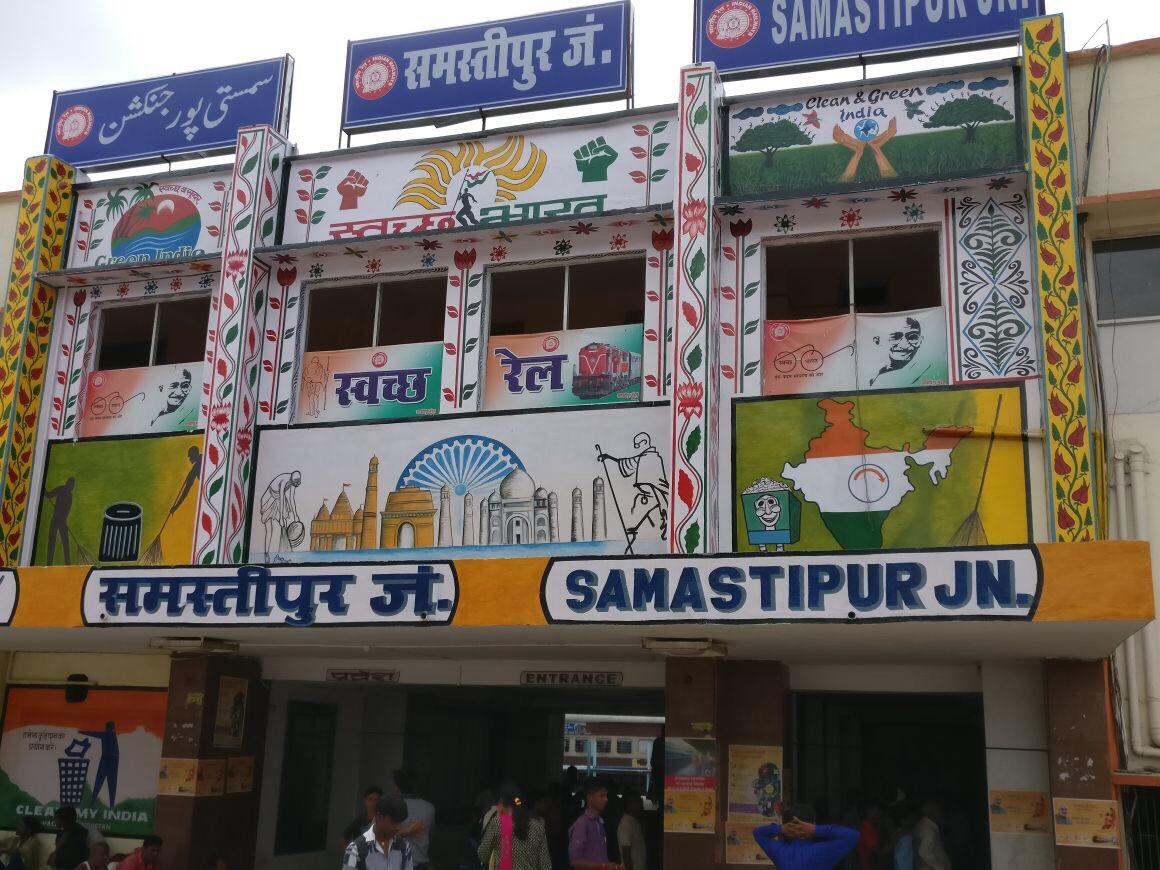
Samastipur
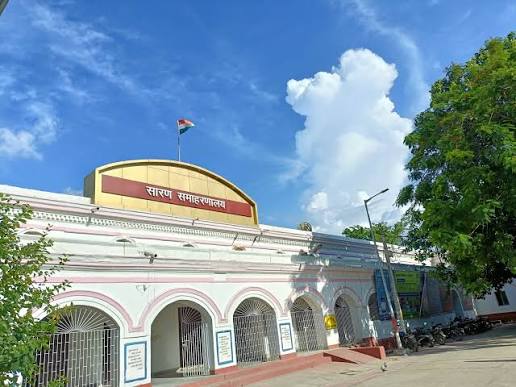
Saran
Sheikhpura
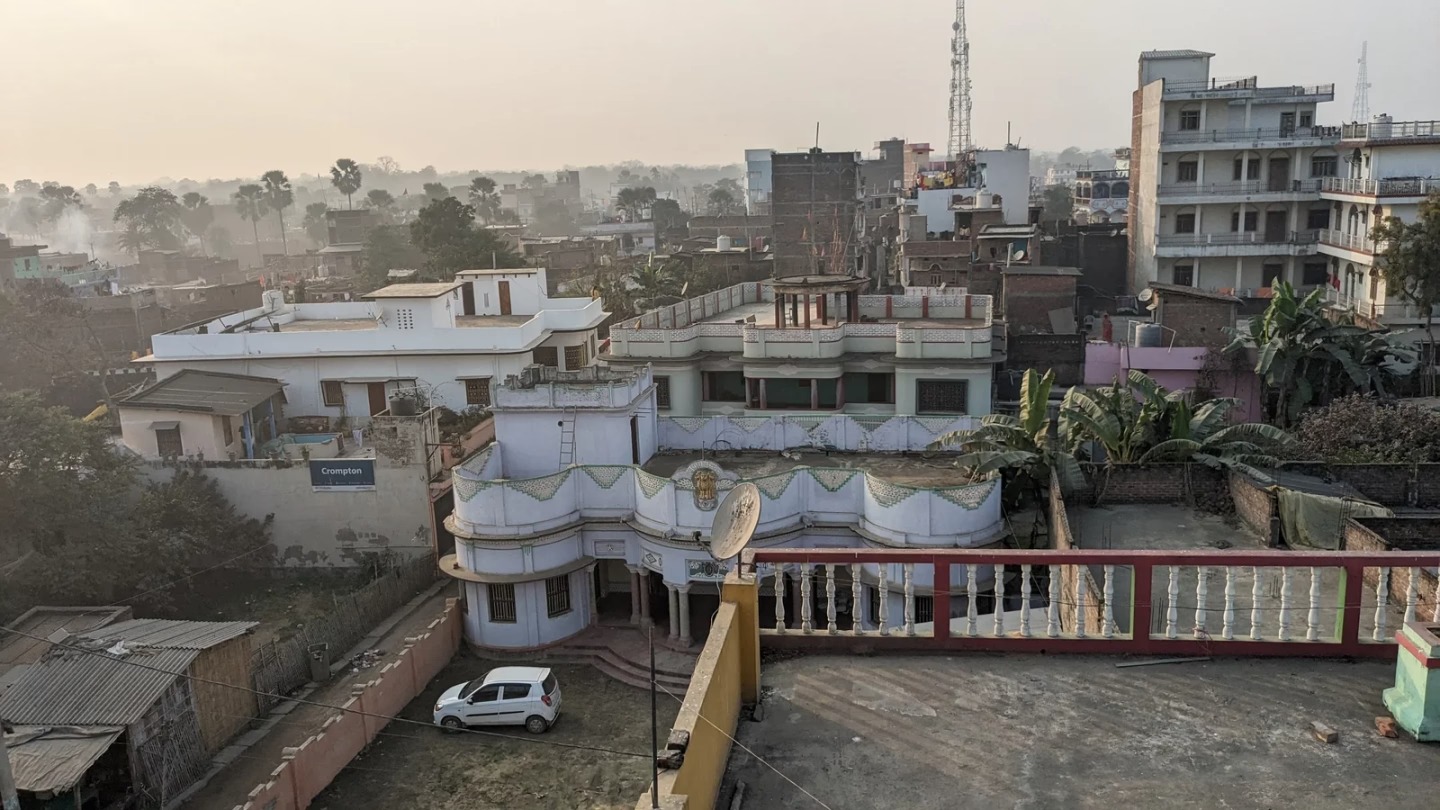
Sheohar
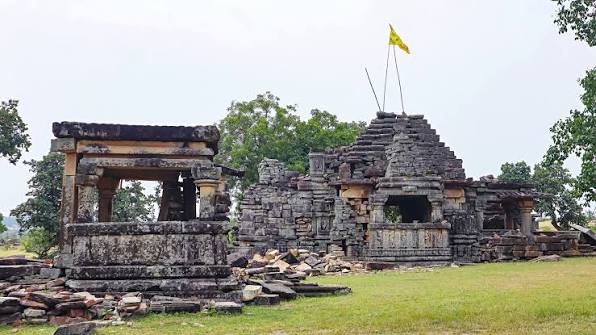
Sitamarhi
Siwan
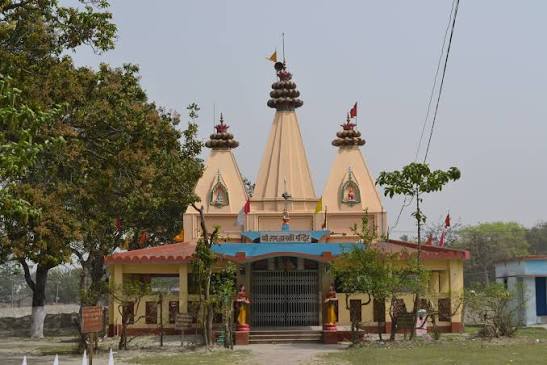
Supaul
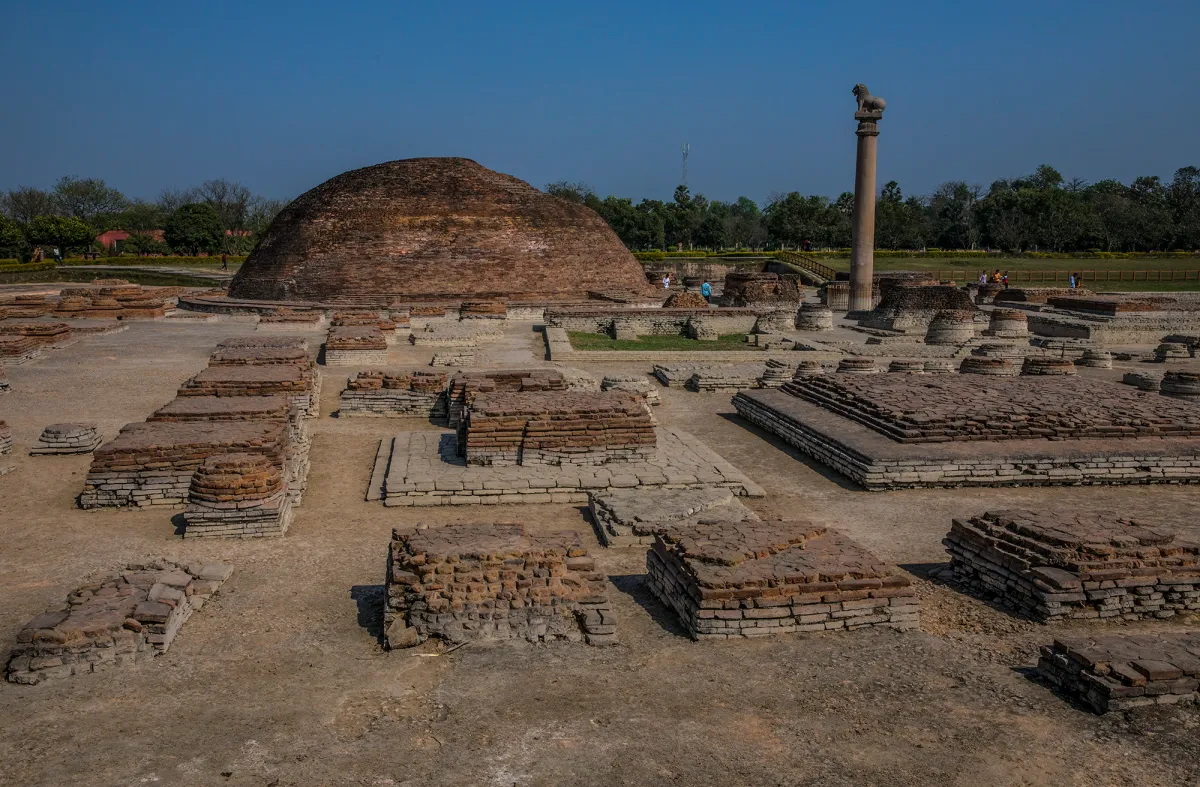
Vaishali
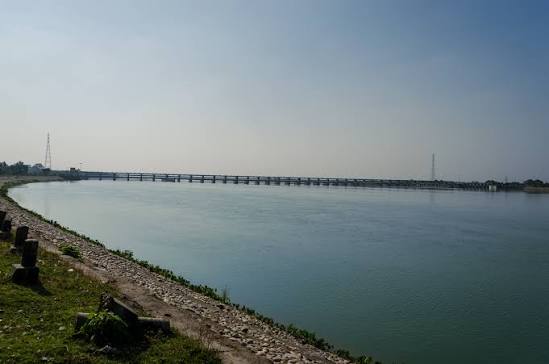
West Champaran
Bihar Travel Guide: Exploring India's Cradle of Civilization
Introduction: Why Bihar Should Be on Every Traveler's List
Ask most people to name India's top travel destinations, and Bihar rarely makes the list — which is one of the great oversights of Indian tourism. This is a state where Buddha attained enlightenment, where Mahavira shaped the philosophy of Jainism, where the Mauryan and Gupta empires ruled over one of history's most powerful civilizations, and where the world's oldest residential university once drew scholars from across Asia. Bihar isn't just a state with a few scattered monuments; it's one of the true cradles of Indian civilization, with a history stretching back roughly 3,000 years.
At Aonego, we believe Bihar is one of the most underrated travel destinations in India — a place where spirituality, ancient education, empire-building, and rural charm all intersect. Around 6 million tourists visit Bihar every year, drawn by its Buddhist and Jain heritage, its Mauryan-era ruins, and its distinctly unhurried version of Indian travel. This guide covers everything you need to know before planning your trip.
Where Is Bihar Located?
Bihar is located in eastern India, spread across the fertile Gangetic plains. It shares its borders with Uttar Pradesh to the west, Jharkhand to the south, West Bengal to the east, and Nepal to the north. The name "Bihar" itself is derived from the Sanskrit word "Vihara," meaning monastery — a fitting name for a state so deeply tied to Buddhist and Jain monastic traditions.
Patna, the state capital, sits on the southern bank of the Ganges and serves as the primary gateway for most travelers entering the state, with excellent rail, road, and air connectivity to the rest of India.
A Brief History of Bihar
Bihar's history is, in many ways, the history of ancient India itself. By the 6th century BC, the region was home to flourishing post-Vedic republics such as Vaishali, Videha, and Magadha. It was during this remarkable period that two of history's most influential spiritual figures were born and shaped their philosophies here: Gautam Buddha (563–483 BC) and Lord Mahavira (540–468 BC), whose teachings on Buddhism and Jainism would go on to influence billions of people across the world.
This spiritual golden age was followed by the rise of the Mauryan Empire, one of the greatest empires in Indian history, under rulers like Chandragupta Maurya and, later, Emperor Ashoka, who ruled from 268 BC to 232 BC over an empire that stretched from parts of present-day Iran to nearly the entire Indian subcontinent. The Greek diplomat and historian Megasthenes visited the region during the reign of Chandragupta Maurya, leaving behind some of the earliest foreign accounts of Indian civilization.
Bihar's reputation as a center of learning reached its peak with the establishment of Nalanda University, one of the largest and oldest residential universities in the world, and later Vikramshila, founded by King Dharmapala during the Pala Empire. These institutions attracted scholars from across Asia and offered instruction in subjects ranging from philosophy and logic to medicine and mathematics, until Vikramshila was eventually destroyed by Muhammad bin Bakhtiyar Khilji, a military general under Qutb al-Din Aibak. Bihar's monastic universities flourished from the 5th century CE all the way to around 1200 CE, an extraordinary run of continuous scholarship rarely matched anywhere else in the ancient world.
Top Places to Visit in Bihar
Bihar's attractions span the full arc of its history — from ancient university ruins and Buddhist stupas to Sikh shrines, Mughal monuments, and modern museums.
1. Patna
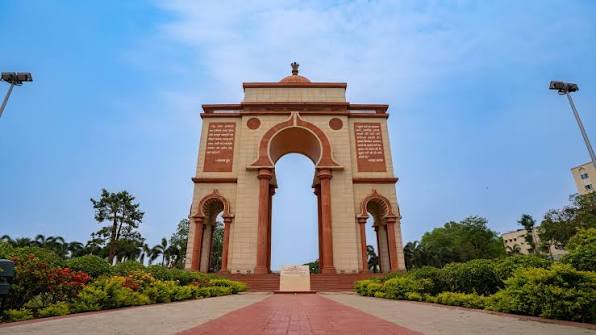
The state capital offers an excellent introduction to Bihar's layered history. Visit Takht Sri Harmandir Sahib Ji, one of the most sacred Sikh Gurudwaras in India and the birthplace of Guru Gobind Singh; the historic Golghar, a beehive-shaped colonial-era granary; and the Bihar Museum, which houses artifacts dating back to the Harappan civilization alongside a dedicated interactive children's section. The older Patna Museum, built in 1917 in a striking blend of Mughal and Rajput architecture, holds over 50,000 rare art objects and remains a must-visit for history enthusiasts.
2. Bodh Gaya
Perhaps Bihar's most globally significant destination, Bodh Gaya is where Buddha attained enlightenment under the Bodhi Tree. The Mahabodhi Temple here is a UNESCO World Heritage Site and one of the holiest pilgrimage destinations for Buddhists worldwide, drawing monks, scholars, and travelers from every corner of the globe.
3. Nalanda
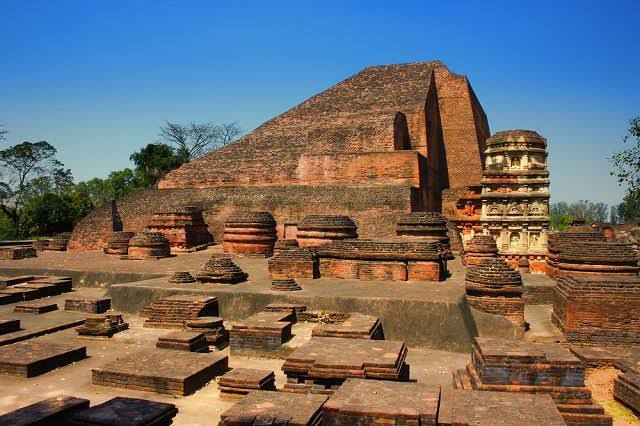
Home to the ruins of the ancient Nalanda University, this UNESCO World Heritage Site once housed the largest library of the ancient world and offered education across a remarkable range of disciplines. The Chinese traveler Hiuen Tsang is recorded to have stayed here for two years, and Nalanda was also a place where Mahavira, the great Jain Tirthankara, is said to have spent fourteen monsoons. Wandering through the excavated brick ruins today offers a rare, tangible connection to one of history's greatest centers of learning.
4. Rajgir
Once the capital of the ancient Magadha kingdom, Rajgir is home to the Japanese-built Peace Stupa (Vishwa Shanti Stupa) atop Gridhakuta Hill, reachable by an aerial ropeway, and featuring golden statues depicting different stages of Buddha's life. The town also houses the impressive Navlakha Palace, built by Maharaja Rameshwar Singh, along with the Rajgir Wildlife Sanctuary for those looking to combine history with nature.
5. Vaishali
An important center for Hindu, Buddhist, and Jain worship alike, Vaishali was once the capital of the Licchavi rulers and is believed to be the birthplace of Lord Mahavira in the 6th century BC. It was also here that Buddha is said to have delivered his final sermon in 483 BC, making Vaishali one of the most spiritually significant sites in the entire state.
6. Barabar Caves
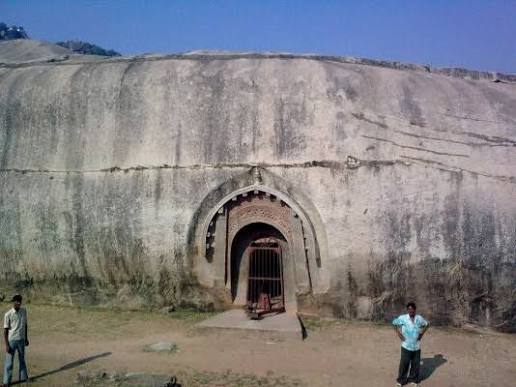
Located on the outskirts of Bodh Gaya, the Barabar Caves were built during the Mauryan Empire between 322–185 BCE, making them the oldest surviving rock-cut caves in India. The cluster includes four hills — Karan Chaupar, Sudama, Vishwakarma, and Lomas Rishi — and their remarkably precise rock-cutting techniques continue to impress visitors and historians alike.
7. Sasaram
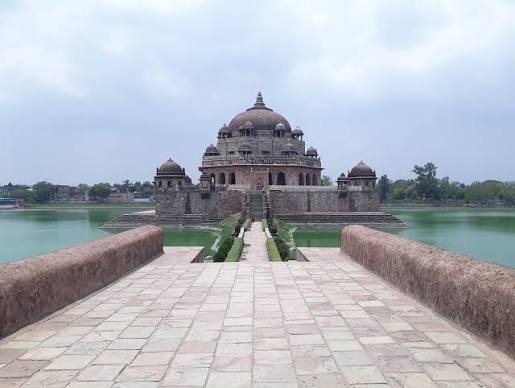
Home to the Tomb of Sher Shah Suri, constructed in 1545 AD, Sasaram houses one of the finest examples of Indo-Islamic architecture in India. Set amid a scenic lake, the monument honors the Emperor who briefly but significantly reshaped North Indian administration and infrastructure.
8. Darbhanga
Referred to as the "Cultural Capital of Bihar," Darbhanga sits on the banks of the Bagmati River and serves as the historic capital of the Mithila region. The city is known for its majestic historical palaces and has produced numerous notable figures across politics, cinema, and literature.
9. Munger
Dubbed the seat of the Bihar School of Yoga, Munger blends spiritual wellness tourism with historical riverside architecture, offering a distinctly different flavor of travel compared to Bihar's Buddhist pilgrimage circuit.
10. Valmiki National Park
Located in Bettiah, Valmiki National Park offers a glimpse into Bihar's rich biodiversity, serving as a reminder that the state's appeal extends well beyond its historical monuments into genuine wildlife tourism as well.
What Makes Bihar Special?
- The Birthplace of Two World Religions: Both Buddhism and Jainism trace their philosophical origins directly to this state, making it a essential pilgrimage destination for millions worldwide.
- The World's Oldest University: Nalanda's legacy as a global center of scholarship remains unmatched in ancient educational history.
- Layered Imperial History: From the Mauryas and Guptas to the Palas and later Mughal influence, Bihar's monuments reflect centuries of shifting power.
- The Art of Madhubani: Bihar is home to the world-famous Madhubani painting style, originating from the Mithila region, known for its intricate patterns and natural dyes.
- Authentic, Uncrowded Travel: Despite its historical importance, Bihar remains refreshingly free of the tourist crowds found in more commercialized Indian destinations.
Local Food: What to Eat in Bihar
No trip to Bihar is complete without sampling its distinctive cuisine. Litti-chokha — roasted wheat balls stuffed with sattu, served with mashed and spiced vegetables — is the state's signature dish. Sattu paratha, made from roasted gram flour, is another staple, while sweets like malpua and thekua are popular during festivals and local celebrations. Bihar's food reflects its agrarian roots, relying heavily on locally grown grains, lentils, and seasonal vegetables.
Best Time to Visit Bihar
The ideal time to visit Bihar is between October and March, when the weather is cool and comfortable for exploring outdoor historical sites like Nalanda, Rajgir, and the Barabar Caves. Summers can get extremely hot, particularly in May and June, while the monsoon season brings heavy rainfall that can disrupt travel to rural and riverside areas. If your visit centers around Bodh Gaya, consider planning around Buddha Purnima (usually in May) for a deeply spiritual, festival-driven experience, keeping the summer heat in mind.
How to Reach Bihar
By Air: Patna's Jay Prakash Narayan International Airport is the state's primary gateway, with regular flights connecting to major cities across India. Gaya also has an international airport, primarily serving Buddhist pilgrims traveling to Bodh Gaya.
By Train: Bihar is extremely well connected by rail, with Patna Junction serving as a major hub linking the state to nearly every part of India.
By Road: National highways connect Bihar to neighboring states, making road travel a viable option for those coming from Uttar Pradesh, Jharkhand, or West Bengal.
Travel Tips for Visiting Bihar
- Plan a circuit, not a single stop. Bihar's best sites — Patna, Nalanda, Rajgir, Bodh Gaya, and Vaishali — are relatively close together and work well as a connected multi-day itinerary.
- Dress modestly at religious sites, particularly at the Mahabodhi Temple and Gurudwara Patna Sahib.
- Hire a local guide for historical sites like Nalanda and Barabar Caves to get the most out of the ruins, since on-site signage can be limited.
- Carry cash for rural areas, as smaller towns and villages may have limited digital payment infrastructure.
- Try regional food beyond the big cities. Some of the best litti-chokha and sattu-based dishes come from small local eateries rather than restaurants aimed at tourists.
Why Explore Bihar with Aonego
At Aonego, we believe Bihar represents one of India's most compelling, underexplored travel stories. This is a state that gave the world two major religions, hosted the planet's earliest great university, and shaped empires that stretched across the subcontinent — yet it continues to be overlooked in favor of more commercially packaged destinations.
Whether you're planning a spiritual pilgrimage through Bodh Gaya and Vaishali, a history-focused trip through Nalanda and the Barabar Caves, or a broader cultural circuit that includes Patna, Darbhanga, and Munger, Bihar offers a depth of experience that few Indian states can match.
Frequently Asked Questions About Bihar
Q1. What is Bihar famous for? Bihar is famous for being the birthplace of Buddhism and Jainism, home to the ancient Nalanda University, and the seat of powerful empires including the Mauryas and Guptas.
Q2. What are the must-visit places in Bihar? Key destinations include Bodh Gaya, Nalanda, Rajgir, Vaishali, Patna, the Barabar Caves, and Sasaram, each offering a different chapter of the state's long history.
Q3. How many days are needed to explore Bihar? A well-rounded trip covering Patna, Nalanda, Rajgir, and Bodh Gaya typically takes 5 to 7 days, though a shorter 3-day trip can cover the core highlights.
Q4. Is Bihar safe and suitable for tourists? Bihar welcomes millions of domestic and international tourists each year, particularly Buddhist pilgrims, and its major tourist circuits are well-established and regularly visited.
Q5. What is the best time to visit Bihar? October to March offers the most comfortable weather for sightseeing, though Buddha Purnima in May draws many pilgrims to Bodh Gaya despite the heat.
Final Thoughts
Bihar isn't just a state to pass through on the way to somewhere else — it's a destination that holds some of the most important chapters in human spiritual and intellectual history. From the Bodhi Tree where Buddha found enlightenment to the ruins of a university that once rivaled anything in the ancient world, Bihar rewards travelers who are willing to slow down and engage with its layered, extraordinary past.
At Aonego, we're committed to helping travelers discover destinations like Bihar — places with genuine substance, history, and character. So the next time you're planning a journey through India, give Bihar the place it deserves on your itinerary.