Balangir — The Handloom Capital Where Western Odisha's Royalty Once Ruled
Introduction
Step into Balangir and you're stepping into what was once the royal capital of the Patna princely state — a planned town whose very streets were laid out on the orders of a king. Today, Balangir carries that royal legacy quietly, best known nationwide for the vivid, tie-dyed Sambalpuri sarees woven on its looms and worn by generations of Indian women, including a former Prime Minister. Add ancient cave-dotted hills, centuries-old temples, and a genuinely rich Kosali tribal folk-art tradition, and Balangir offers a side of Western Odisha that rarely makes it into mainstream travel conversations.
History
Balangir's story is tied directly to the Patna princely state, one of the erstwhile feudatory states of Western Odisha, for which the town served as headquarters starting in the 1880s. Before that, Balangir was a tiny hamlet until Ram Chandra Deo III made it his capital, transforming an unremarkable village into a seat of royal power.
The modern town itself was carefully planned in 1871, laid out as a square grid with roads crossing at right angles — a design prepared by Pandit Chintamani Bidyabhusan. In 1872, Sir Douglas, the then Deputy Commissioner of Sambalpur, secured government sanction to formally transfer the state headquarters from Patnagarh to this new township, and old Balangir came to be known as Junha Dihi, meaning "the old house site." Under Maharaja Rajendra Narayan Singh Deo, the city saw significant development — Rajendra Park was laid out, the Rajendra Experimental Farm was established, and a museum was organized to preserve local antiquities, alongside new medical facilities including an X-ray ward and maternity ward.
Geography
Balangir sits in Western Odisha, at an average elevation of roughly 383 metres above sea level, flanked to the northwest by the Gandhamardhan Hills, a striking range rising to about 3,296 feet between Balangir and neighboring Bargarh district. Numerous hill streams traverse the district, feeding into its landscape of forested hills and river valleys.
The district's terrain also includes notable natural sites like Bhima Dunguri, known for its scattered ancient caves across a hilly area, and Gaikhai, a scenic spot surrounded by green-capped hills on three sides. Balangir enjoys a genuinely temperate climate compared to much of Odisha, making it a comfortable destination for travelers seeking a break from the coastal heat, with distinct seasonal shifts across summer, monsoon, and winter.
Culture and Traditions
Balangir stands out as the cultural hub of Western Odisha, particularly celebrated for the folk art and dance traditions of its indigenous Kosali tribal community. Odia is the primary language, though the region's own Sambalpuri dialect carries strong local significance and identity.
The district is overwhelmingly Hindu, with approximately 98% of Balangir's population practicing Hinduism, making it one of the most Hindu-populated cities in India. This deep religious character is reflected in the city's numerous temples, parks, and age-old buildings. Balangir's handloom weaving tradition also forms a core part of its cultural identity, with generations of Bhulia community weavers producing the intricate, tie-dyed textiles the region is famous for nationwide.
Architecture
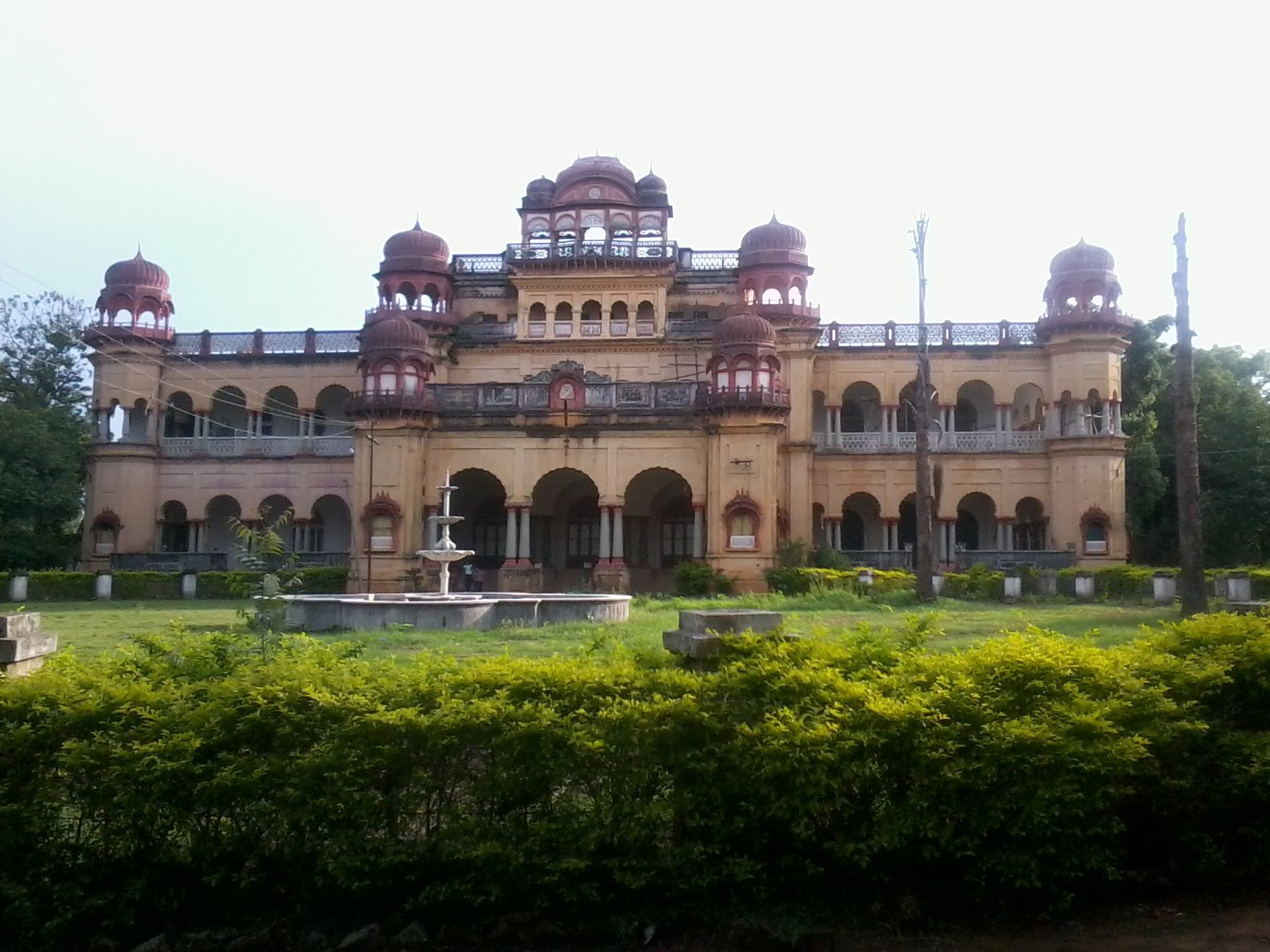
Balangir's architecture reflects its royal, religious, and colonial-era planning history. The Sailashree Palace, also known as Balangir Palace, stands as the city's most significant architectural landmark — a royal palace complex where King Rajendra Narayan Singh once lived and ruled, harking back to when Odisha was known as the province of Kalinga and grand palaces were built for the region's various kings.
Temple architecture across the wider district shows remarkable diversity, from the Chalukya-style Parameswari Temple in nearby Patnagarh to the 12th-century Someswar Siva Temple, alongside numerous ruined temples built during the rule of the Chauhans of Western Odisha. The town's colonial-era planning is visible in its grid-pattern layout and structures like Rajendra Park, reflecting the systematic urban design introduced during the late 19th century.
Famous Places
Sailashree Palace
The royal palace complex of Balangir, where King Rajendra Narayan Singh once lived and ruled. Built during an era when many such palaces were constructed for the kings of the region's various districts, this remains one of the finest surviving examples of Western Odisha's royal architectural heritage.
A Royal Legacy Preserved
The palace stands as a direct link to the Patna princely state's ruling family, offering visitors genuine insight into the region's monarchical past.
Visiting Tips
The palace complex is best explored alongside a visit to nearby Rajendra Park, both developed under the same royal patronage.
Quick Tip
Combine your visit here with the town's Sambalpuri saree shops for a well-rounded day mixing royal history and local craft shopping.
Samaleswari Temple
A prominent temple dedicated to the Goddess Samaleswari, forming part of Balangir's wider religious circuit alongside similar shrines found throughout Western Odisha's temple towns.
Bhima Dunguri
Renowned for its ancient natural caves scattered across a hilly area, Bhima Dunguri offers a genuinely scenic escape, with its panoramic views considered especially stunning during the spring season.
Gandhamardan Hills
A striking 3,296-foot hill range located between Balangir and Bargarh district, offering a peaceful, granite-bedded stream that has given visitors a lasting sense of tranquility for generations.
Patnagarh
Located about 40 km from Balangir, this ancient capital of the Patna kingdom houses the Chalukya-style Parameswari Temple and the 12th-century Someswar Siva Temple, alongside numerous ruined temples that draw historians and archaeology students each year.
Harishankar
Situated on the slopes of the Gandhamardan hills, Harishankar is both a place of magnificent natural beauty and an important Hindu pilgrimage spot, combining scenery and spirituality in equal measure.
Famous Dishes
Poda Pitha
A traditional baked cake offered to the deities during Balangir's Ratha Yatra celebrations at the Mausi Maa Temple, and widely consumed by people across Odisha as a beloved festive treat.
Dalma
A hearty lentil and vegetable stew, forming a comforting staple of everyday Odia meals across Balangir and the wider Western Odisha region.
Pakhala
A fermented rice dish eaten with vegetables, curd, and pickles, valued across Odisha for its cooling properties during the region's hot summer months.
Local Sweets and Snacks
Balangir's local markets and sweet shops offer a range of traditional Odia snacks and desserts, best sampled fresh while exploring the town's older neighborhoods.
Famous Personalities
Rajendra Narayan Singh Deo
A former Chief Minister of Odisha, Rajendra Narayan Singh Deo ruled from Balangir's Sailashree Palace and played a significant role in shaping the modern town, developing Rajendra Park, the Rajendra Experimental Farm, and several public institutions that still bear his name today.
A Ruler Turned Statesman
Singh Deo's transition from royal ruler to elected Chief Minister reflects the broader political transformation that Odisha's princely states underwent following India's independence.
Connection to Balangir
His legacy remains deeply embedded in Balangir's civic infrastructure, from its parks to its public institutions, making him one of the town's most consequential historical figures.
Fast Fact
Several of the public facilities he established, including an early X-ray ward and maternity ward, marked significant advances in the town's healthcare infrastructure at the time.
Srinibash Udgata
An eminent poet from Balangir, Srinibash Udgata was honored with the Padma Shri by the Government of India in recognition of his contributions to Odia literature, adding a celebrated literary voice to the town's cultural legacy.
Festivals
Ratha Yatra
A major chariot festival in Balangir, during which deities travel by chariot to the Mausi Maa Temple, where they are offered Poda Pitha before returning to the main temple in the Bahuda Jatra procession.
Nuakhai
An important harvest festival celebrated across Western Odisha, including Balangir, marking the arrival of the new rice crop with community feasting and traditional rituals.
Durga Puja
Celebrated with genuine grandeur across the district, Durga Puja in Balangir brings elaborate community celebrations, particularly notable in areas like nearby Saintala, where the nine-day festival holds special local significance.
Things to Do
- Explore Sailashree Palace, tracing Balangir's royal Patna-state heritage.
- Shop for authentic Sambalpuri sarees, Balangir's most famous handloom product.
- Visit Bhima Dunguri, exploring its ancient scattered caves and scenic hilltop views.
- Take a day trip to Patnagarh, exploring its Chalukya-style temples and royal ruins.
- Relax by the streams of Gandhamardan Hills, a peaceful natural retreat.
- Visit Harishankar, combining scenic beauty with genuine spiritual significance.
- Attend Ratha Yatra, if your visit timing allows, for a full local festival experience.
Where to Eat, Shop, and Stay
Eat: Local eateries across Balangir serve authentic Odia staples like Dalma and Pakhala, alongside traditional sweets and snacks best sampled fresh from the town's local shops.
Shop: Balangir is genuinely famous for its Sambalpuri sarees and dress materials, with numerous shops across the town offering authentic, handwoven textiles for visitors and serious saree collectors alike.
Stay:
- Budget: Simple guesthouses and small hotels cover most short-stay needs for travelers passing through.
- Mid-range: A handful of comfortable hotels near the city center offer better amenities for a more relaxed stay.
- Luxury: For upscale stays, travelers often base themselves in nearby Sambalpur, well connected to Balangir by road and rail.
What is Balangir Famous For?
Balangir is best known for its Sambalpuri sarees and handloom weaving tradition, its royal legacy as the former capital of the Patna princely state, and its rich Kosali tribal folk art and dance culture. It's also recognized for its numerous temples, ancient caves, and scenic hill landscapes across the wider district.
Best Time to Visit
October to March is generally the ideal window to visit Balangir, offering pleasant, temperate weather well suited to exploring temples, hills, and heritage sites. The spring season also holds special appeal for visiting scenic natural spots like Bhima Dunguri, when the surrounding landscape is at its most vivid.
How to Reach
By Air: The nearest major airport is in Bhubaneswar, well connected to Balangir by road and rail.
By Rail: Balangir Railway Station is an important junction of the South Eastern Railway on the Jharsuguda-Sambalpur-Titlagarh line, connecting the town to major cities across India.
By Road: Balangir is well connected by road, with state government-owned buses linking it to other cities and towns across Odisha.
Nearby Places
Patnagarh
About 40 km away, Patnagarh is the ancient capital of the Patna kingdom, home to the Chalukya-style Parameswari Temple and the 12th-century Someswar Siva Temple, extending Balangir's own royal historical narrative.
Why It Complements a Balangir Trip
Given Balangir's own roots as the later Patna state capital, visiting Patnagarh deepens the same royal and religious narrative the town begins.
Getting There
Patnagarh is well connected to Balangir by road, making a same-day visit easy.
Quick Tip
Set aside half a day for Patnagarh's temple ruins, given the historical density packed into this small former capital.
Ranipur-Jharial
Known as Somatirtha, this site near Bangomunda is famous for its Hypaethral Temple of Sixty-Four Yoginis, representing a rare confluence of Saivism, Buddhism, Vaishnavism, and Tantrism.
Balasore
A coastal town on the opposite end of the state, Balasore is known for its beaches and temples, with Chandipur Beach standing out for its unusual tide that pulls the sea back nearly 5 km, letting visitors walk out onto the open seabed. History lovers can also explore the medieval fort complex at Raibania, while the Panchalingeswar Temple in the Nilagiri hills adds a spiritual, forested detour to the trip.
Bhadrak
Known as a spiritual town on the banks of the Salandi river, Bhadrak is home to the revered Bhadrakali Temple and the striking white-walled Akhandalamani Temple dedicated to Lord Shiva. The town's Kali Puja celebrations at Charampa draw large crowds each year, and its mix of temples, riverside setting, and small-town charm make it a worthwhile stop for travellers exploring coastal Odisha.
Sambalpur
Sambalpur is a major nearby city known for its collection of temples and Sambalpuri handloom heritage, offering additional shopping and dining options for travelers extending their trip.
Best Duration for a Trip
1 to 2 days is generally sufficient to comfortably explore Balangir's palace, temples, and saree markets. Travelers combining it with Patnagarh or Sambalpur can extend this into a fuller 3-day regional heritage trip.
Travel Tips
- Visit between October and March for the most comfortable sightseeing weather.
- Dress modestly and respect local customs when visiting temples and religious sites.
- Carry cash, as smaller markets and eateries may not accept digital payments.
- Set aside proper time and budget for saree shopping, since authentic Sambalpuri weaves can take time to select.
- Hire a local taxi for easier movement between Balangir's scattered natural and historical sites.
- Time your visit around Ratha Yatra or Nuakhai for a richer cultural experience.
Why Visit Balangir?
Balangir offers a genuinely rewarding mix — royal history at Sailashree Palace, some of India's most celebrated handloom textiles, ancient cave-dotted hills, and a living tribal folk-art tradition, all within a compact, temperate Western Odisha town. It rewards travelers looking for authentic craft, heritage, and natural beauty away from Odisha's more crowded coastal circuit.
Conclusion
Balangir may not be the first name that comes to mind when planning an Odisha trip, but it holds a genuinely rich blend of royal legacy, handloom artistry, and natural beauty. From the palace halls of Sailashree to the ancient caves of Bhima Dunguri, and from its Sambalpuri saree looms to its Padma Shri-winning poets, this Western Odisha town rewards travelers willing to look beyond the coast. A short visit here, paired with a plate of warm Dalma and a walk through its saree markets, offers a genuinely soulful glimpse into one of Odisha's most underrated corners.
"Travel is the only thing you buy that makes you richer."