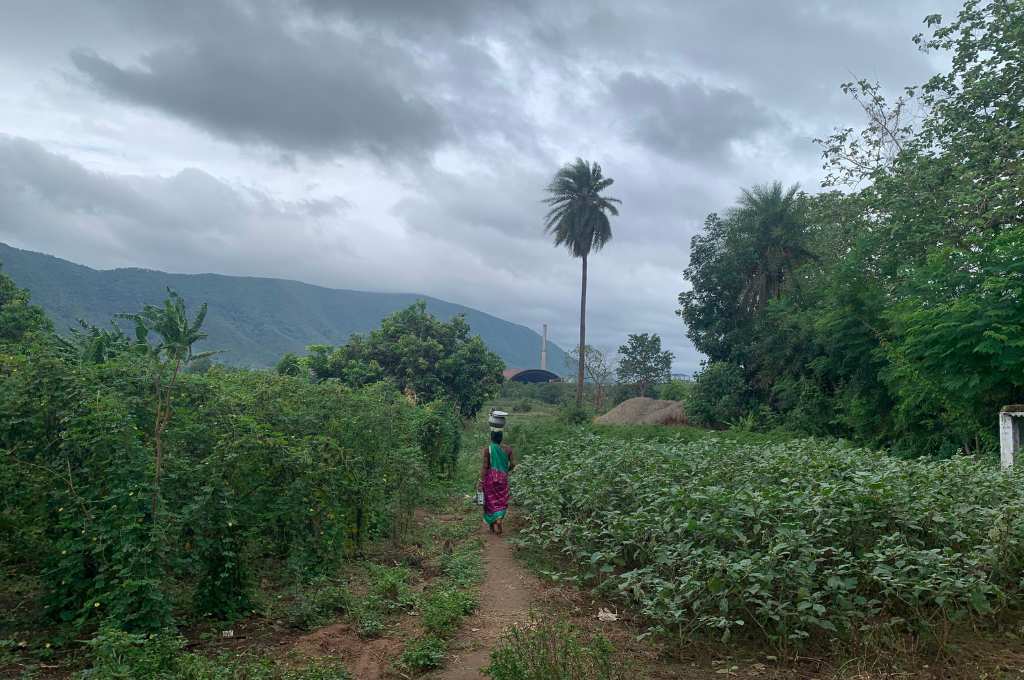
Kalahandi — Odisha's Cradle of Civilization, Where Stone Age Meets Sacred Ghumura Drums
Introduction
Long before Odisha had a name, people were already living, building, and burying their dead on the land now called Kalahandi. This is home to the world's largest Stone Age celt and the largest megalithic-age cemetery ever discovered here, evidence of a civilization stretching back roughly 2,000 years. Kalahandi later became the seat of a princely state ruled by the Naga dynasty, its capital eventually settling in Bhawanipatna beneath the goddess Manikeswari's watchful gaze. Between ancient fortified cities, ruined temples, thundering waterfalls, and the thunderous rhythm of the Ghumura dance, Kalahandi offers a genuinely deep dive into Odisha's earliest chapters.
History
Kalahandi's history reaches back nearly 2,000 years, with evidence of a well-civilized, urbanized, and cultured people inhabiting this land in the pre-historic era. Asurgarh, near Narla in Kalahandi, was one of the oldest metropolises in Odisha — alongside Sisupalgarh near Bhubaneswar — and the region has yielded the world's largest Stone Age celt and the largest megalithic-age cemetery ever found here, marking Kalahandi as a genuine cradle of early Indian civilization.
The district's temple-building legacy runs equally deep — the Temple of Goddess Stambeswari at Asurgarh, built around 500 AD, is considered the first brick temple in Eastern India, and Sanskritization in Odisha is believed to have first started from the Kalahandi-Koraput region, the ancient Mahakantara. By the medieval period, the princely state of Kalahandi came under the rule of the Naga dynasty, tracing descent from the Nagabanshis of Chotanagpur, after the last Ganga governor's daughter married Raghunath Sai, founder of the Naga line, around 1005 AD. The kingdom's old capital was Junagarh, a well-fortified city whose ruins still carry sculptural evidence of the historic Sati-rite, before the capital eventually shifted to present-day Bhawanipatna. Kalahandi remained the largest of Odisha's 26 feudatory states until India's independence, when the last ruler, Maharaja Pratap Keshari Deo, ruled until 1947.
Geography
Kalahandi sits in south-western Odisha, with its district headquarters at Bhawanipatna, located at an average elevation of 248 metres, encircled by large mountains and plateaus with the Eastern Ghats rising along its eastern frontier. This mountainous, plateau-heavy terrain gives Kalahandi a genuinely rugged, forested character distinct from Odisha's coastal plains.
The district is dotted with natural attractions, including the scenic Khandual Waterfall near Karlapat, formerly used to power an indigenous crushing mill, and the picturesque Rabandarh, lying about 12.8 km from Bhawanipatna. The Karlapat Wildlife Sanctuary further adds to the district's ecological richness. Kalahandi's climate follows a typical Odisha inland pattern, with hot summers, a substantial monsoon, and comfortably cool winters, making the cooler months by far the most pleasant for exploring its forts, waterfalls, and forest sanctuaries.
Culture and Traditions
Kalahandi's culture has been shaped by a genuine blend of mainstream Odia tradition and tribal influence, most notably from the Paraja and Kondha peoples, whose customs remain deeply woven into the district's folk identity. Odia is the primary language, though tribal dialects remain widely spoken across the district's forested interior.
The district's most celebrated cultural export is the Ghumura dance, a powerful, drum-driven folk performance that has become closely associated with Kalahandi's identity across Odisha and beyond. Religious devotion here centers heavily on Goddess Manikeswari, the presiding deity of the former royal dynasty, whose worship remains central to Bhawanipatna's spiritual life. This layered mix of tribal and mainstream Odia traditions gives Kalahandi a genuinely distinct cultural texture within the wider state.
Architecture
Kalahandi's architecture spans some of Eastern India's oldest religious structures alongside a succession of historic forts. The Stambeswari Temple at Asurgarh, built around 500 AD, is considered the first brick temple built in Eastern India, while the earliest flat-roofed stone temple of Odisha was constructed at Mohangiri in Kalahandi during the 6th century — both genuinely rare architectural milestones for the wider region.
Fort architecture is equally significant, with Junagarh, the old capital of the ex-princely state, showcasing a fortified area dense with temples bearing Oriya inscriptions, alongside Sati Pillars documenting a since-abolished historical practice. Other historic forts across the district include Budhigarh, Amthagarh, and Belkhandi, the latter preserving its temple ruins in a small adjoining museum, alongside the medieval-period fort of Dadpur-Jajjaldeypur.
Famous Places
Asurgarh
One of the oldest metropolises in Odisha, located near Narla in Kalahandi district, Asurgarh is home to the Stambeswari Temple, considered the first brick temple built in Eastern India around 500 AD. The site offers history enthusiasts a genuine window into nearly 2,000 years of continuous settlement.
A Cradle of Ancient Civilization
Archaeological evidence found here, including the world's largest Stone Age celt and the largest megalithic-age cemetery, confirms Kalahandi's status as one of India's earliest inhabited regions.
Best Time to Visit
Cooler months between October and February offer the most comfortable conditions for exploring the site's ancient ruins and temple remains.
Quick Tip
Combine your visit here with nearby Junagarh, the old princely capital, for a fuller day tracing Kalahandi's layered historical timeline.
Junagarh
The old capital of the former princely state of Kalahandi, this well-built fort houses a fortified area with numerous temples bearing Oriya inscriptions, alongside sculptural evidence of the historic Sati-rite in the form of Sati Pillars. Maa Lankeswari serves as the presiding deity here, and the site lies roughly 26 km from Bhawanipatna.
Maa Manikeswari Temple
The center of attraction at Bhawanipatna itself, this temple is dedicated to the presiding deity of the former royal Naga dynasty, remaining the spiritual heart of the district headquarters and a must-visit for any traveler passing through the town.
Belkhandi
Located 67 km from Bhawanipatna, Belkhandi's ruins are preserved in a small museum adjacent to the temple premises, offering visitors an ideal outing combining archaeology with a scenic countryside setting.
Gudahandi
A significant place of interest near Bhawanipatna, known for its rock shelters and scenic natural surroundings, forming part of the district's broader circuit of historical and geological attractions.
Karlapat Wildlife Sanctuary and Khandual Waterfall
Located in Th. Rampur Police Station area, this small village is home to the Khandual waterfall, cascading at the foot of a hill believed to be the abode of the female deity Khandua, alongside the wider Karlapat Wildlife Sanctuary offering a genuine forest wilderness experience.
Famous Dishes
Pakhala
A fermented rice dish eaten with vegetables and curd, cherished across Kalahandi and the wider Odisha region for its cooling effect during the district's hot summer months.
Dalma
A hearty lentil and vegetable stew, forming a comforting staple of everyday Odia meals found throughout Kalahandi's local eateries.
Tribal Forest Specialties
Given Kalahandi's significant Paraja and Kondha tribal population inhabiting its forested plateaus, indigenous forest-based ingredients and traditional preparations offer visitors a genuinely distinct culinary experience.
Local Rice and Millet Dishes
Reflecting the district's agrarian economy, traditional rice and millet-based preparations remain a staple of everyday Kalahandi cuisine, found across local households and small eateries.
Famous Personalities
Maharaja Pratap Keshari Deo
Born on 5th October 1919 in Bhawanipatna, Pratap Keshari Deo was the last ruler of the princely state of Kalahandi, governing from 1939 until 1947. Following India's independence, he transitioned into democratic politics, representing the Kalahandi constituency in the Lok Sabha from 1957 to 1980 and serving as Deputy Leader of the Opposition in the Orissa Legislative Assembly from 1952 to 1956.
From Royal Ruler to Elected Statesman
Deo's political journey from princely ruler to long-serving Member of Parliament reflects the broader transformation Odisha's former royal families underwent following independence.
Connection to Kalahandi
Born and raised in Bhawanipatna, Deo represented the very district he once ruled as a monarch, maintaining a decades-long public connection to Kalahandi through both his royal and democratic political roles.
Fast Fact
He served in the Lok Sabha for an impressive 23 consecutive years, from 1957 to 1980, representing Kalahandi throughout that entire period.
Satyanarayan Rajguru
A respected historian and epigraphist, Dr. Satyanarayan Rajguru contributed significantly to the study of Kalahandi's medieval inscriptions, working extensively on the region's votive stupas and historical records, with his scholarly work honored with a doctorate for his original research on Odisha's inscriptional history.
Festivals
Ghumura Festival
Celebrating Kalahandi's signature folk dance form, this festival showcases the district's powerful, drum-driven Ghumura performance tradition, drawing performers and audiences from across the region for a display of the district's most distinctive cultural export.
Nuakhai
An important harvest festival is celebrated across Kalahandi district, marking the arrival of the new rice crop with community feasting and traditional rituals tied to the region's agricultural identity.
Manikeswari Puja
Celebrated with particular devotion at the Maa Manikeswari Temple in Bhawanipatna, this festival honors the district's presiding deity and draws large numbers of devotees throughout the year.
Things to Do
- Explore Asurgarh, one of Odisha's oldest metropolises and a genuine cradle of civilization.
- Visit Junagarh, the old fortified capital of the Kalahandi princely state.
- Pay respects at Maa Manikeswari Temple, the spiritual heart of Bhawanipatna.
- Discover the ruins at Belkhandi, preserved alongside a small adjoining museum.
- Explore the rock shelters at Gudahandi, a scenic geological and historical site.
- Visit Karlapat Wildlife Sanctuary and Khandual Waterfall, for a genuine forest escape.
- Witness a Ghumura dance performance, Kalahandi's most celebrated cultural tradition.
Where to Eat, Shop, and Stay
Eat: Local eateries across Bhawanipatna serve authentic Odia staples like Dalma and Pakhala, alongside distinct tribal forest specialties reflecting the district's Paraja and Kondha heritage.
Shop: Kalahandi's local markets offer tribal handicrafts and forest produce, giving visitors a genuine taste of the district's rural and indigenous commerce.
Stay:
- Budget: Simple guesthouses and small hotels in Bhawanipatna cover most short-stay needs for travelers passing through.
- Mid-range: A handful of comfortable hotels near the district headquarters offer better amenities for a more relaxed stay.
- Luxury: For upscale stays, travelers often base themselves in nearby Raipur or Bhubaneswar, both well connected to Kalahandi by road and air.
What is Kalahandi Famous For?
Kalahandi is best known for its ancient archaeological heritage, including Asurgarh and the world's largest Stone Age celt, alongside its identity as a former princely state ruled by the Naga dynasty. It's also recognized for the Ghumura folk dance, the Maa Manikeswari Temple, and its rich mix of tribal Paraja and Kondha culture.
Best Time to Visit
October to February is the ideal window to visit Kalahandi, offering pleasant, comfortable weather perfect for exploring forts, temples, and wildlife sanctuaries. Summers can turn quite hot, and the monsoon brings substantial rainfall, both best avoided for outdoor sightseeing.
How to Reach
By Air: Raipur, Bhubaneswar, and Visakhapatnam are the nearest airports, each connected to Kalahandi by road.
By Rail: Kalahandi is connected via regional railway lines linking it to major Odisha cities, with Bhawanipatna serving as the primary access point.
By Road: Kalahandi is well connected to Bhubaneswar, Raipur, and Visakhapatnam by road, making it accessible from multiple major regional hubs.
Nearby Places
Balangir
Balangir is a neighboring district known for its own royal heritage and Sambalpuri saree tradition, offering a natural extension to a Kalahandi-based Western Odisha trip.
Why It Complements a Kalahandi Trip
Given both districts' shared history as former princely states, visiting Balangir deepens the same regional royal and cultural narrative that Kalahandi begins.
Getting There
Balangir is well connected to Bhawanipatna by road, making a same-day or short extension trip easy.
Quick Tip
Combine a Kalahandi morning at Junagarh with a Balangir afternoon at Sailashree Palace for a well-rounded regional day trip.
Koraput
Known for its own deep tribal heritage and scenic Eastern Ghats landscape, Koraput extends Kalahandi's own tribal and highland character further into southern Odisha.
Nuapada
A district carved from Kalahandi itself, Nuapada shares close historical and cultural ties, offering a natural extension for travelers interested in the region's shared heritage.
Best Duration for a Trip
1 to 2 days is generally sufficient to comfortably explore Kalahandi's forts, temples, and local markets. Travelers wanting to include Karlapat Wildlife Sanctuary or the district's waterfalls can extend this into a fuller 3-day trip.
Travel Tips
- Visit between October and February for the most comfortable sightseeing weather.
- Dress modestly and respect local customs when visiting temples and religious sites.
- Carry cash, as smaller markets and eateries may not accept digital payments.
- Hire a local taxi for easier movement between Kalahandi's scattered forts and natural sites.
- Set aside proper time for exploring Asurgarh and Junagarh, given the historical density of both sites.
- Respect tribal communities and their customs when visiting Kalahandi's forested interior.
Why Visit Kalahandi?
Kalahandi offers a genuinely rare opportunity to trace nearly 2,000 years of Indian civilization in one district — from Stone Age tools and megalithic burial sites to a princely capital's fortified ruins, all set against a backdrop of tribal culture and thundering Ghumura drums. It rewards travelers looking for authentic historical depth away from Odisha's more heavily visited circuits.
Conclusion
Kalahandi may be one of Odisha's lesser-known districts, but it holds an extraordinary depth of history, culture, and natural beauty. From the ancient ruins of Asurgarh to the fortified walls of Junagarh, and from its royal Naga dynasty legacy to the pulsing rhythm of Ghumura dance, this south-western Odisha district rewards travelers willing to venture beyond the state's more familiar destinations. A short visit here, paired with a plate of warm Dalma and a walk through its ancient forts, offers a genuinely profound glimpse into one of India's oldest continuously inhabited corners.
"Travel is the only thing you buy that makes you richer."