Kendrapara — Tulasi Khetra, Where Crocodiles Guard Odisha's Sacred Mangroves
Introduction
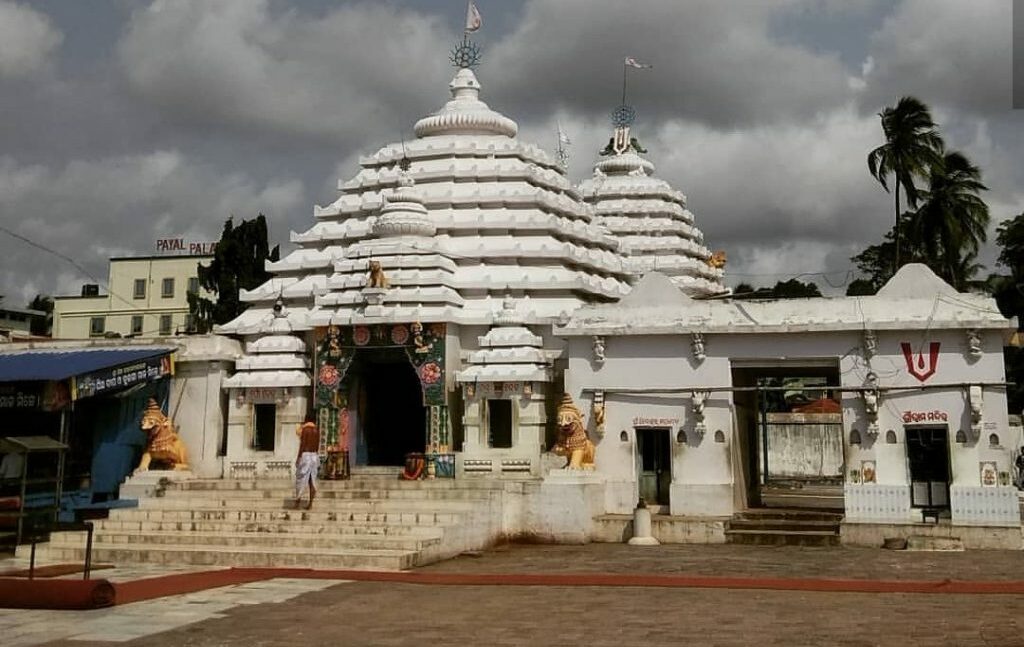
Kendrapara holds two identities that shouldn't logically coexist, yet somehow do beautifully. This is Tulasi Khetra, the sacred land of the holy basil plant, home to Baladevjew Temple, one of Odisha's great Vaishnavite shrines. It's also the gateway to Bhitarkanika, India's second-largest mangrove ecosystem, where saltwater crocodiles glide through tidal creeks and Gahirmatha Beach hosts the largest mass nesting of Olive Ridley turtles on Earth. Between royal hunting palaces, ancient temples, and one of the planet's great wildlife spectacles, Kendrapara offers a coastal Odisha experience unlike any other district.
History
Kendrapara's history is deeply rooted in devotion, with the district's spiritual identity as Tulasi Khetra tracing back centuries to the establishment of Baladevjew Temple at Ichhapur, a major Vaishnavite shrine that has anchored the region's religious life for generations. The wider district flourished under various local rulers who governed different pockets of the region before it eventually coalesced into a modern administrative unit.
The Kanika princely estate left a particularly strong historical imprint, with the ruling family constructing the imposing Kanika Palace in Rajkanika Block under King Rajendra Narayan Bhanja Deo. This royal family also once used the Bhitarkanika creeks and forests as a private hunting reserve, with surviving hunting towers and artificial watering holes at sites like Dangmal offering a tangible link to this earlier era. The district also carries a genuine connection to India's freedom struggle — the burial place of freedom fighter Dharanidhar Bhuyan lies near Aul township, a solemn reminder of Kendrapara's place within the wider independence movement. Chandbali, once a bustling port during medieval times, further reflects the district's long history as a center of coastal trade.
Geography
Kendrapara sits in the eastern portion of Odisha, bounded by Bhadrak district to the north, the Bay of Bengal to the east, Jagatsinghpur district to the south, Cuttack district to the west, and Jajpur district to the north-west. The district covers roughly 2,644 sq km and carries substantial annual rainfall of over 1,500 mm.
Kendrapara's defining geographical feature is unquestionably Bhitarkanika, whose name literally translates to "interior beauty" — a rich estuarine ecosystem formed where the Brahmani, Baitarani, Dhamra, and Pathsala rivers meet the Bay of Bengal, creating India's second-largest mangrove forest after the Sundarbans. This landscape of mangrove swamps, tidal creeks, marshes, and mudflats supports an extraordinary range of biodiversity, while nearby Gahirmatha Beach separates the swampy mangrove region from the open sea, forming one of the world's most significant sea turtle nesting grounds. The district enjoys a pleasant climate from October to March, ideal for exploring its sanctuaries and wildlife havens.
Culture and Traditions
Kendrapara's culture is deeply devotional, earning the district its evocative nickname "Tulasi Khetra of Odisha" — a reflection of centuries-old religious tradition centered on Baladevjew Temple. Odia and English serve as official languages, and the district maintains a strong literacy rate of nearly 86%.
The region's culture blends spirituality with a deep connection to nature and coastal life, shaped by generations of fishing communities and farmers living alongside the mangrove ecosystem. Local folklore remains genuinely alive here — villagers in Baipada, the district's smallest village, still credit their local goddess Maa Boiti Nahakani with protecting the community from a devastating 1999 cyclone, a story that reflects the deep, personal relationship between Kendrapara's people and their protective deities.
Architecture
Kendrapara's architecture spans grand Vaishnavite temple complexes and royal hunting-era palaces. Baladevjew Temple at Ichhapur, spread across 2 acres and 6 decimals of land and enclosed by a 14-foot boundary wall, is divided into a temple section and an adjoining garden, standing as one of Odisha's most historically significant Vaishnavite structures.
The district's royal architecture is showcased through Kanika Palace, a massive 75-foot structure built on 4 acres of land by King Rajendra Narayan Bhanja Deo, and Aul Palace, an ancient royal complex spread across 40 acres near Aul township, comprising the Rajbati, Ranimahal, Ghodashala, Bhandar, and several gardens and shrines, all set in a serene riverside atmosphere. The historic Badakotha, described as the first and once the largest monument of its kind in Odisha, further reflects the grandeur of King Narendra's palace elevation, built more than three centuries ago.
Famous Places
Bhitarkanika National Park
India's second-largest mangrove ecosystem, established as a Wildlife Sanctuary in 1975 and upgraded to National Park status in 1998, later recognized as a Ramsar Wetland Site in 2002. Home to saltwater crocodiles, the rare white crocodile Sankhua, Indian pythons, king cobras, and a vibrant population of migratory birds, this park offers one of India's most immersive wildlife boat-safari experiences.
From Royal Hunting Ground to Global Sanctuary
Once the private hunting reserve of the Kanika royal family, Bhitarkanika's transformation into a protected sanctuary and eventual national park represents a genuine conservation success story, particularly for its pioneering crocodile breeding program.
Best Time to Visit
The cooler months from October to March offer the most comfortable conditions for boat safaris, birdwatching, and spotting the park's famous saltwater crocodiles basking along the creek banks.
Quick Tip
Combine your visit here with a stop at Dangmal, home to the rare white crocodile Sankhua, and arrange your safari through Rajnagar or Chandbali for the most convenient access.
Gahirmatha Beach and Marine Sanctuary
The largest mass nesting site for Olive Ridley turtles anywhere in the world, where lakhs of turtles arrive annually to lay their eggs along this protected stretch of coastline separating Bhitarkanika's mangroves from the Bay of Bengal.
Baladevjew Temple, Ichhapur
One of Odisha's most historic Vaishnavite temples, this shrine at Ichhapur near Kendrapara town anchors the district's identity as Tulasi Khetra, drawing devotees for its centuries-old spiritual significance.
Kanika Palace
A massive 75-foot royal palace built by King Rajendra Narayan Bhanja Deo in Rajkanika Block, roughly 50 km from the district headquarters, showcasing the grandeur of the former Kanika princely estate.
Aul Palace
An ancient 40-acre royal complex near Aul township, comprising the Rajbati, Ranimahal, and several temple and garden structures, offering visitors a serene riverside glimpse into Kendrapara's royal past.
Udayagiri and Ratnagiri (Kendrapara)
Located just 10-15 km from Kendrapara town, these sites conserve important Buddha murti and pratima (statues), adding a Buddhist heritage layer to the district's predominantly Vaishnavite religious landscape.
Famous Dishes
Machha Jhola (Fish Curry)
Given Kendrapara's coastal and riverine geography, a well-prepared, spicy Odia-style fish curry is a natural highlight of the local food scene, best enjoyed with steamed rice near the district's mangrove waterways.
Pakhala
A fermented rice dish eaten with vegetables and curd, offering a cooling, refreshing meal especially popular during Kendrapara's warm coastal summers.
Dalma
A hearty lentil and vegetable stew, forming a comforting staple of everyday Odia meals found across the district's local eateries.
Traditional Odia Prasad
Given Kendrapara's deep devotional character as Tulasi Khetra, temple prasad and traditional sweets remain an important part of the local culinary experience, particularly around Baladevjew Temple.
Famous Personalities
Dharanidhar Bhuyan
A respected freedom fighter whose burial place lies near Aul township in Kendrapara district, Dharanidhar Bhuyan is remembered locally as a significant figure in the wider struggle for India's independence, with his memorial site remaining a point of quiet historical reflection for visitors exploring the Aul Palace area.
A Legacy of Sacrifice
His memorial near Aul stands as a lasting reminder of the personal sacrifices made across Odisha's districts during the fight for freedom from British rule.
Connection to Kendrapara
Though his broader activism spanned the wider Odisha freedom movement, his burial site permanently ties his legacy to Kendrapara district, where it remains commemorated today.
Fast Fact
His memorial sits near one of Kendrapara's most significant royal heritage sites, Aul Palace, linking two very different threads of the district's history in a single location.
King Rajendra Narayan Bhanja Deo
The ruler of the Kanika princely estate, King Rajendra Narayan Bhanja Deo commissioned the construction of Kanika Palace, a massive 75-foot structure that remains one of Kendrapara's most impressive architectural landmarks and a lasting symbol of the district's royal heritage.
Festivals
Rath Yatra
Celebrated with genuine devotion at Baladevjew Temple and across Kendrapara district, this chariot festival forms a central part of the district's Vaishnavite religious calendar.
Turtle Nesting Season
Though not a traditional festival, the annual arrival of lakhs of Olive Ridley turtles at Gahirmatha Beach has become a major seasonal event, drawing wildlife enthusiasts and researchers from around the world during the nesting months.
Kartik Purnima
An important observance across Kendrapara's riverside and coastal communities, Kartik Purnima brings devotional gatherings and traditional rituals tied to the district's deep spiritual character.
Things to Do
- Take a boat safari through Bhitarkanika, spotting saltwater crocodiles and diverse birdlife.
- Witness the Olive Ridley turtle nesting at Gahirmatha Beach, if your visit timing allows.
- Visit Baladevjew Temple, the spiritual heart of Tulasi Khetra.
- Explore Kanika Palace and Aul Palace, tracing the district's royal heritage.
- Visit Dangmal, home to the rare white crocodile Sankhua.
- Discover Udayagiri and Ratnagiri, exploring their conserved Buddha statues.
- Take a boat trip from Chandbali to nearby Dhamra, Aradi, and Nalitapatia.
Where to Eat, Shop, and Stay
Eat: Local eateries across Kendrapara serve authentic Odia staples like Dalma and fresh fish curry, alongside traditional prasad and sweets from shops near Baladevjew Temple.
Shop: Kendrapara's local markets offer regional produce and coastal goods, giving visitors a genuine taste of the district's rural and riverine commerce.
Stay:
- Budget: Simple guesthouses and small hotels in Kendrapara town cover most short-stay needs for travelers passing through.
- Mid-range: Forest department eco-lodges and guesthouses near Bhitarkanika offer comfortable accommodation for wildlife-focused visitors.
- Luxury: For upscale stays, travelers often base themselves in nearby Bhubaneswar or Cuttack, both well connected to Kendrapara by road.
What is Kendrapara Famous For?
Kendrapara is best known as Tulasi Khetra, home to the historic Baladevjew Temple, and as the gateway to Bhitarkanika National Park, India's second-largest mangrove ecosystem. It's also recognized for Gahirmatha Beach's world-famous Olive Ridley turtle nesting, its royal Kanika and Aul palaces, and its rich saltwater crocodile population.
Best Time to Visit
October to March is the ideal window to visit Kendrapara, offering pleasant, comfortable weather perfect for wildlife safaris, temple visits, and exploring the district's palaces. For a truly unique experience, plan a visit during the Olive Ridley nesting season for a chance to witness one of nature's great spectacles.
How to Reach
By Air: The nearest airport is Biju Patnaik International Airport in Bhubaneswar, roughly 100 km away.
By Rail: The nearest major railway connections are through Cuttack and Bhadrak, both accessible by road from Kendrapara.
By Road: Kendrapara is well connected by road to Cuttack, Bhubaneswar, and Bhadrak, with regular bus services and access points at Rajnagar and Chandbali for reaching Bhitarkanika.
Nearby Places
Bhadrak
A neighboring coastal district known for the Akhandalamani and Bhadrakali temples, offering a natural extension to a Kendrapara-based Odisha heritage and wildlife trip.
Why It Complements a Kendrapara Trip
Given both districts' shared coastal and Vaishnavite-Shaiva religious heritage, visiting Bhadrak deepens the same regional spiritual narrative that Kendrapara begins.
Getting There
Bhadrak is well connected to Kendrapara by road, making a same-day or short extension trip easy.
Quick Tip
Combine a Kendrapara morning at Bhitarkanika with a Bhadrak afternoon at Akhandalamani Temple for a well-rounded coastal Odisha day trip.
Jagatsinghpur
Jagatsinghpur is a neighboring coastal district home to Paradeep Port and the unspoiled Siali Beach, offering a further coastal extension for travelers exploring Odisha's eastern shoreline beyond Kendrapara.
Cuttack
Odisha's historic "Millennium City," Cuttack offers the ruins of Barabati Fort and world-famous silver filigree markets, making it a rewarding extension for travelers heading inland from Kendrapara.
Best Duration for a Trip
2 to 3 days is generally sufficient to comfortably explore Baladevjew Temple, Bhitarkanika National Park, and Kendrapara's royal palaces. Travelers timing their visit around the turtle nesting season can extend this into a fuller 4-day coastal Odisha wildlife trip.
Travel Tips
- Visit between October and March for the most comfortable weather and the best wildlife safari conditions.
- Book Bhitarkanika boat safaris in advance, especially during peak winter season.
- Dress modestly and respect local customs when visiting Baladevjew Temple and other religious sites.
- Carry cash, as smaller markets and eateries may not accept digital payments.
- Carry insect repellent and light, breathable clothing for mangrove boat safaris.
- Respect wildlife viewing guidelines and maintain safe distances from crocodiles during Bhitarkanika excursions.
Why Visit Kendrapara?
Kendrapara offers a genuinely rare pairing on India's eastern coast — deep Vaishnavite devotion at Baladevjew Temple alongside one of the world's great wildlife spectacles at Bhitarkanika and Gahirmatha. It rewards travelers looking for both spiritual depth and genuine wilderness, all within a single, richly biodiverse coastal district.
Conclusion
Kendrapara may be less traveled than Odisha's more famous coastal destinations, but it holds a genuinely rare combination of sacred devotion and wild beauty. From the ancient sanctity of Baladevjew Temple to the crocodile-filled creeks of Bhitarkanika, and from its royal Kanika Palace to the turtle-crowded shores of Gahirmatha, this Tulasi Khetra district rewards travelers willing to explore Odisha's quieter, wilder coastline. A short visit here, paired with a boat safari through the mangroves and a plate of fresh fish curry, offers a genuinely unforgettable glimpse into one of India's most remarkable ecological and spiritual corners.
"Travel is the only thing you buy that makes you richer."