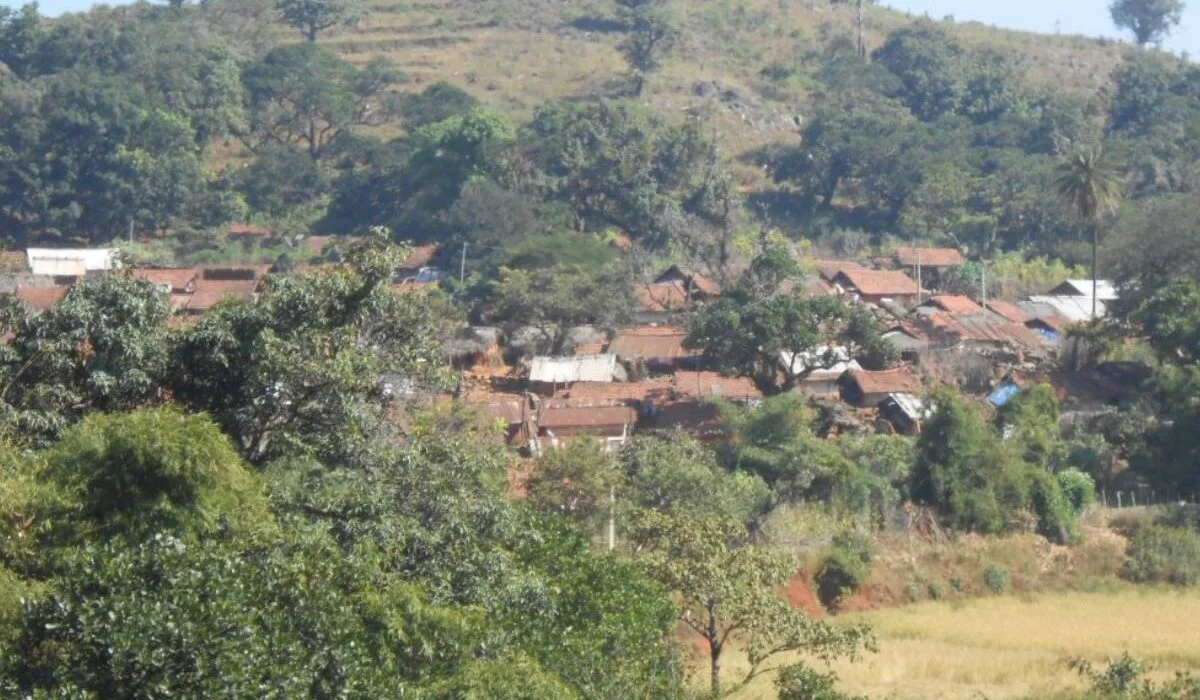
Malkangiri — Odisha's Remotest Frontier, Where a Temple Sleeps Beneath a Reservoir
Introduction
At the far southwestern tip of Odisha, where the state brushes against both Andhra Pradesh and Chhattisgarh, lies a district that feels genuinely apart from the rest of India. Malkangiri takes its name from Malyabantagiri, and legend holds it was once called Mallika Nagari — the place of Lord Mallikeshwar. Somewhere beneath the still waters of the Chitrakonda Reservoir, an ancient Shiva temple once known as the "Second Lingaraja" now lies submerged, a haunting reminder of how much history this remote corner holds. Home to the primitive Bonda and Didayi tribes, ringed by hydroelectric reservoirs, and covered in dense Eastern Ghats forest, Malkangiri remains one of India's most genuinely untouched travel frontiers.
History
Malkangiri's name is drawn from the mythological Malyabantagiri, though local tradition also holds it was once known as Mallika Nagari — "the city of Lord Mallikeshwar" — reflecting a district long devoted to Shiva worship. During the Ganga dynasty, Malkangiri flourished as a hilly kingdom known as "Kumbudri," and from roughly 1400 AD to 1872 AD, at least twenty-six rulers governed the region, with the state later divided into four administrative Muthas: Mout, Podia, Korukonda, and others.
One of the district's most striking historical footnotes lies underwater — an ancient Shiva temple, once celebrated as the "Second Lingaraja," now sits submerged beneath the Chitrakonda Reservoir, a physical reminder of the region's older religious landscape before modern hydroelectric development reshaped its geography. Administratively, Malkangiri was originally a tahasil within Koraput district after Odisha's formation in 1936, becoming a subdivision on 1st January 1962. Between 1958 and 1988, the area also played a role in the Dandakaranya Project, resettling refugees from East Pakistan over a 30-year period. Malkangiri finally became its own independent district, carved out of Koraput, on 2nd October 1992.
Geography
Malkangiri is the southwesternmost district of Odisha, spanning 5,791 sq km at an elevation of roughly 195 metres, bordered by both Andhra Pradesh and Chhattisgarh. Major rivers including the Sileru, Kolab, Potteru, Saberi, and Machkund define the district's landscape, with most valley areas clustering near the Machkund River.
The terrain descends from plateaus in the north at roughly 900 feet toward low-lying tracts in the southwest, broken up by isolated rocky and wooded hills including Tulasi at Mathili, Chitrakuta at Chitrakonda, and Goi at Malkangiri town itself. The district's highest point lies in its northeastern corner, close to the thundering Duduma Falls. Malkangiri's Köppen Aw climate brings intense summer heat, with average temperatures reaching a scorching 47°C, contrasted by cooler winters around 13°C, and substantial annual rainfall of 1,700 mm, making the cooler months by far the most comfortable for travel.
Culture and Traditions
Malkangiri holds the distinction of being one of Odisha's most tribal-dominated districts, with tribal communities making up roughly 58% of the population. Odia serves as the official language, alongside regional tongues including Desiya, Koya, Kuvi, Gutob, and Halbi, reflecting the district's remarkable ethnic diversity.
The district is home to some of India's most distinctive primitive tribal groups, including the Bonda and Didayi, alongside more widely known communities like the Bhumia, Kandha, Paraja, and Gadaba — together representing nearly 62 distinct tribal groups across Malkangiri and the wider undivided Koraput region. This deep tribal heritage shapes nearly every aspect of local life, from craft and dress to festival and custom, giving Malkangiri a genuinely distinct cultural identity even within Odisha's already tribal-rich southern belt.
Architecture
Malkangiri's architecture is shaped as much by what has vanished as by what remains. The district's older Shiva temples, once numerous enough to earn Malkangiri its alternate name of Mallika Nagari, are now largely gone or submerged, with the most striking example being the ancient temple now resting beneath the waters of Chitrakonda Reservoir.
Surviving religious architecture includes the Vairabi (Bhairabi) Temple and Mallikeswar Temple in Malkangiri town, alongside the Jagannath Temple at Motu. Modern engineering architecture is well represented by the district's hydroelectric infrastructure, including the Balimela Dam, an earth-cum-rock fill structure forming the second stage of the Machkund-Sileru river development project, and the Chitrakonda Dam, both reflecting Malkangiri's significant role in regional power generation.
Famous Places
Balimela Reservoir and Dam
Located roughly 30 km from Malkangiri town, this dam and eco-tourism park is fed by the Sileru River and stands as the district's second-most visited tourist spot. Established jointly by the governments of Odisha and Andhra Pradesh, it forms the second stage of the Machkund-Sileru hydroelectric project and includes a dedicated viewpoint for taking in the reservoir's natural beauty.
A Hub for Winter Picnics
The reservoir draws large numbers of visitors during winter for weekend outings and boating, with the surrounding hilly, forested landscape adding to its appeal.
Best Time to Visit
Winter months offer the most comfortable conditions for boating and picnicking at Balimela, avoiding both the district's intense summer heat and monsoon rains.
Quick Tip
Combine your visit here with nearby Chitrakonda Dam, just 22 km away, for a fuller day exploring the district's major hydroelectric and scenic sites.
Chitrakonda Dam and Reservoir
Built on the Sileru River as part of the Balimela hydroelectric project, this dam and its surrounding eco-park have become one of Malkangiri's leading tourist destinations, notable both for its scenic beauty and for the submerged ancient Shiva temple resting beneath its waters.
Bonda Ghati
Home to the Bonda tribe, one of India's most distinctive and primitive tribal communities, this valley offers visitors a genuine window into one of the country's most culturally unique indigenous groups, best explored respectfully and with local guidance.
Satiguda Dam and Eco-Tourism Park
Located just 8 km from Malkangiri town, this reservoir provides irrigation to surrounding agricultural land and offers boating facilities alongside a temple dedicated to Lord Shiva, surrounded by small hills and forest that make it a popular local attraction.
Vairabi (Bhairabi) Temple
Located roughly 3 km from Malkangiri town, this hill deity temple is worshipped by travelers from Jeypore seeking a safe journey, with the remnants of the old Malkangiri king's castle still visible on Raja Rani Hill directly in front of the temple.
Ammakunda Waterfall
Located about 70 km from Malkangiri near Khairput, this hilly, perennial waterfall creates a crystal-clear pool believed to house fish considered sacred as forms of Lord Vishnu's Matsya Avatar, drawing significant picnic crowds during the winter season.
Famous Dishes
Pakhala
A fermented rice dish eaten with vegetables and curd, cherished across Malkangiri for its cooling effect during the district's intensely hot summer months.
Dalma
A hearty lentil and vegetable stew, forming a comforting staple of everyday Odia meals found throughout Malkangiri's local eateries.
Bonda and Tribal Forest Specialties
Given Malkangiri's remarkable concentration of tribal communities, indigenous forest-based ingredients and traditional preparations from the Bonda, Didayi, and Koya communities offer visitors a genuinely distinct culinary experience found nowhere else in Odisha.
Fresh River Fish
Given the district's abundance of rivers and reservoirs, freshwater fish dishes remain a genuine local specialty, particularly around Balimela and Chitrakonda.
Famous Personalities
Laxman Gouda
Born in Malkangiri, Laxman Gouda was a politician and social worker who served as a Member of the Odisha Legislative Assembly, representing the Malkangiri constituency from 1952 to 1957 and the Padwa constituency from 1957 to 1961, playing a notable role in the district's early post-independence political representation.
Early Political Representation for a Remote District
Gouda's tenure in the Odisha Legislative Assembly during the 1950s came at a formative time for Malkangiri's political identity, well before the district gained its own independent administrative status in 1992.
Connection to Malkangiri
Born and politically active within the district, Gouda remains one of the earliest documented elected representatives specifically tied to the Malkangiri constituency.
Fast Fact
He represented two different constituencies across consecutive Assembly terms, reflecting the shifting political boundaries of the wider Koraput region during that era.
Tribal Freedom Movement Participants
Malkangiri's tribal communities, including the Bhumia, Koya, Kandha, Paraja, and Gadaba, played a documented role in India's freedom movement, with local historical research highlighting the participation of tribal leaders from the district in various rebellions and resistance activities during the independence struggle.
Festivals
Nuakhai
An important harvest festival celebrated across Malkangiri district, marking the arrival of the new rice crop with community feasting and traditional rituals tied to the region's agricultural identity.
Mahashivaratri
Celebrated with particular devotion at the Goi Hill Shiva temple in Malkangiri, this festival draws large religious crowds, reflecting the district's older identity as a center of Shiva worship.
Tribal Community Festivals
Given Malkangiri's remarkable concentration of primitive tribal groups, including the Bonda and Didayi, indigenous festivals rooted in nature worship and community tradition add a genuinely distinct cultural layer to the district's festival calendar.
Things to Do
- Visit Balimela Reservoir, Malkangiri's most popular winter picnic destination.
- Explore Chitrakonda Dam, home to the legend of a submerged ancient temple.
- Visit Bonda Ghati, respectfully experiencing one of India's most distinctive tribal cultures.
- Relax at Satiguda Dam and Eco-Tourism Park, close to the district headquarters.
- Pay respects at Vairabi Temple, near the ruins of the old Malkangiri king's castle.
- Trek to Ammakunda Waterfall, a scenic hilly cascade near Khairput.
- Explore Duduma Falls, near the district's northeastern high point.
Where to Eat, Shop, and Stay
Eat: Local eateries across Malkangiri town serve authentic Odia staples like Dalma and Pakhala, alongside distinct tribal forest specialties and fresh river fish from the district's reservoirs.
Shop: Malkangiri's local markets offer tribal handicrafts and forest produce, giving visitors a genuine taste of the district's rural and indigenous commerce.
Stay:
- Budget: Simple guesthouses and small hotels in Malkangiri town cover most short-stay needs for travelers passing through.
- Mid-range: A handful of comfortable hotels near the district headquarters offer better amenities for a more relaxed stay.
- Luxury: For upscale stays, travelers often base themselves in nearby Jeypore or Visakhapatnam, both well connected to Malkangiri by road.
What is Malkangiri Famous For?
Malkangiri is best known for its remote, tribal-dominated geography, its major hydroelectric reservoirs at Balimela and Chitrakonda, and its home to primitive tribal groups including the Bonda and Didayi. It's also recognized for its ancient submerged Shiva temple legend and its dense forests along the borders of Andhra Pradesh and Chhattisgarh.
Best Time to Visit
October to February is the ideal window to visit Malkangiri, offering the most comfortable temperatures for exploring dams, waterfalls, and tribal villages. Summers turn extremely hot, with temperatures climbing as high as 47°C, and the monsoon brings substantial rainfall, both best avoided for outdoor sightseeing.
How to Reach
By Air: The nearest airport is in Visakhapatnam, connected to Malkangiri by road, with Bhubaneswar also accessible for travelers coming from further within Odisha.
By Rail: The nearest major railway connections are through Koraput and Jeypore, both accessible by road from Malkangiri.
By Road: Malkangiri is well connected by road to Jeypore, roughly 105 km away, with regular buses and taxis serving the district from neighboring Koraput.
Nearby Places
Jeypore
Located roughly 105 km away, Jeypore was the former capital of the solar dynasty and remains one of the region's most important towns, offering additional heritage sites, markets, and connectivity for travelers.
Why It Complements a Malkangiri Trip
Given Jeypore's own royal history and its role as a regional transport hub, visiting the town provides an easier connectivity base for exploring Malkangiri's more remote attractions.
Getting There
Jeypore is well connected to Malkangiri by road, making a same-day or short extension trip easy.
Quick Tip
Combine a Malkangiri visit to Balimela Reservoir with a stop in Jeypore for its own heritage sites and better travel connectivity.
Koraput
The neighboring district from which Malkangiri was carved in 1992, Koraput offers Deomali, Odisha's highest peak, and Duduma Waterfall, extending Malkangiri's own Eastern Ghats and tribal heritage.
Khordha
Home to Bhubaneswar, Odisha's capital and "Temple City," anchored by the magnificent Lingaraj Temple. Khordha lies far to the northeast, roughly 450 km from Malkangiri, so it's best treated as a separate leg of a longer Odisha itinerary rather than a short side trip.
Araku Valley (Andhra Pradesh)
Just across the state border, Araku Valley offers its own coffee plantations, scenic hills, and tribal heritage, making it a natural cross-state extension for travelers interested in the wider Eastern Ghats region.
Best Duration for a Trip
2 to 3 days is generally sufficient to comfortably explore Malkangiri's dams, temples, and tribal areas. Travelers wanting a deeper exploration of Bonda Ghati and the district's more remote sites can extend this into a fuller 4-day trip.
Travel Tips
- Visit between October and February for the most comfortable sightseeing weather.
- Respect tribal communities and their customs when visiting Bonda Ghati and other indigenous areas.
- Carry cash, as smaller markets and eateries may not accept digital payments.
- Hire a local taxi or guide for reaching remote sites like Ammakunda Waterfall and Bonda Ghati.
- Stay hydrated and plan outdoor visits for cooler parts of the day, especially given the district's intense summer heat.
- Check local travel advisories before visiting more remote parts of the district, given its historical association with security-sensitive areas.
Why Visit Malkangiri?
Malkangiri offers a genuinely rare glimpse into one of India's most remote and tribally diverse corners — a district where hydroelectric reservoirs, primitive tribal cultures, and the legend of a temple sleeping beneath still waters combine into a travel experience unlike anywhere else in Odisha. It rewards travelers seeking authentic, off-the-beaten-path exploration far from the state's more familiar circuits.
Conclusion
Malkangiri may be Odisha's most remote district, but it holds a genuinely rich blend of natural beauty, tribal heritage, and quiet historical mystery. From the still waters of Chitrakonda Reservoir, hiding an ancient temple beneath its surface, to the cultural richness of Bonda Ghati, and from its Ganga-dynasty "Kumbudri" kingdom origins to its role in India's freedom movement, this southwestern frontier district rewards travelers willing to venture far beyond Odisha's usual destinations. A short visit here, paired with a plate of fresh river fish and a boat ride across Balimela Reservoir, offers a genuinely unforgettable glimpse into one of India's most untouched travel frontiers.
"Travel is the only thing you buy that makes you richer."