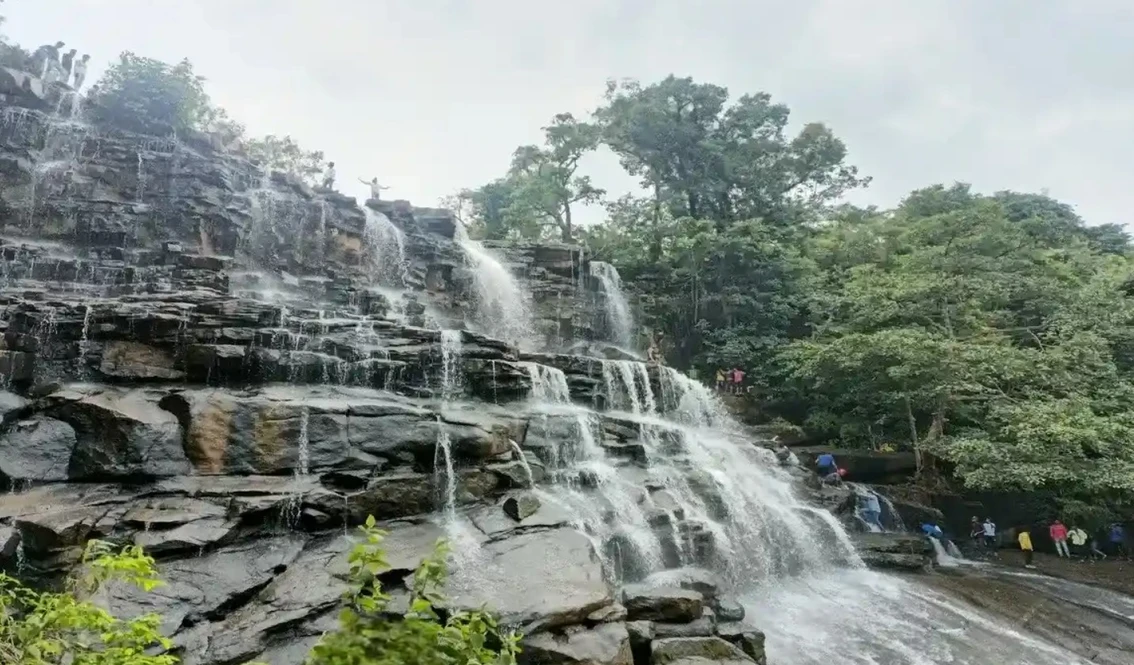
Nabarangpur — Odisha's Maize Capital, Where 19 Martyrs Fell on the Tuni's Banks
Introduction
Nabarangpur rarely appears on any conventional Odisha travel map, and that's precisely what makes it worth discovering. This is India's largest producer of maize grown in Odisha, a district so overwhelmingly tribal and forested that the government once listed it among the country's most backward — and yet, on the quiet banks of the Tuni River, nineteen ordinary villagers gave their lives in a single afternoon during the Quit India Movement, a sacrifice still honored today at the Sahid Smruti Stamba. Ringed by the Eastern Ghats, watered by the sacred Indravati River, and home to living folk dance traditions like Ghumura and Dhemsha, Nabarangpur offers travelers an unfiltered, genuinely rural slice of tribal Odisha.
History
Nabarangpur's early history remains scarcely documented, though the Mauryas are believed to have exercised some control over the region, then under the wider authority of Kalinga. The great Kalinga emperor Kharavela referenced this territory as Vidyadhara in his own inscriptions, using troops drawn from the region during his military campaigns — placing Nabarangpur firmly within one of ancient India's most consequential political narratives.
By the medieval period, the Nala dynasty established a capital near present-day Umerkote, at a site now known as Podagada, whose surviving caves, inscriptions, and rock structures remain a tangible link to this earlier era. Nabarangpur's most defining modern historical moment, however, arrived on 24th August 1942, during the height of the Quit India Movement, when nineteen freedom fighters were killed by British soldiers while marching toward Dabugam under the leadership of local leader Madhab Pradhani. Several other residents of Nabarangpur were founders of the Congress party chapter in the erstwhile Koraput district, actively participating in the wider civil disobedience movement. The modern district itself was formally established on 2nd October 1992, carved out of undivided Koraput district.
Geography
Nabarangpur sits in southwestern Odisha, bordering Kalahandi to the north, Rayagada to the east, Koraput to the south, and Jagdalpur in Chhattisgarh to the west, at an average elevation of 572 metres. The district forms a relatively flat, forested plateau, with thick forest cover concentrated in its north and east, while the west rises into low hills reaching up to 1,000 metres.
The southern reaches of the district are defined by the plains of the Indravati River, which forms much of the natural border with Koraput district, while the district's easternmost edge, close to Rayagada, extends into the Eastern Ghats. In the northeast lies the Panabeda Mutta tract around Chandahandi, sitting at roughly 150 metres above sea level. The district's climate follows a typical inland Odisha pattern, with the cooler months from October to February offering the most comfortable conditions for exploring its forests, waterfalls, and ancient sites.
Culture and Traditions
Nabarangpur carries a genuine, deep-rooted tradition of art and craft, historically displayed as part of the erstwhile Koraput district. A community of artisans based on a dedicated street in Nabarangpur town continues age-old handicraft work, manufacturing boxes, toys, sticks, chains, and pedestals for Hindu deities, alongside pooja articles and decorative pieces of genuinely exemplary craftsmanship.
The district's linguistic diversity is remarkable, with Bhotra, Gond, Kandha, Paraja, Odia, Hindi, and Telugu all widely spoken across its communities. This tribal richness is expressed vividly through folk dance forms including Rinjodi, Dhemsha, Sailodi, Gond, Geet Kudia, Ghumura, and Madhia, performed at festivals and community gatherings throughout the year. A unique craft tradition also survives in Dabugaon, where artisans create "Dhanya Laxmi" — pedestal figures of Goddess Laxmi crafted entirely from paddy — alongside the exquisite earthen work produced by craftspeople near Tonda, close to Papadahandi.
Architecture
Nabarangpur's architecture is defined less by grand monuments and more by ancient ruins, rural temples, and solemn memorials. Podagada, near Umerkote, preserves the remains of the ancient Nala dynasty, including caves, inscriptions, and rock structures that offer a genuine window into the region's medieval political history.
Religious architecture is represented by the Shaiva shrine at Papadahandi, an ancient temple dedicated to Lord Shiva set beside a champa garden filled with hundreds of flowering trees. Memorial architecture holds particular significance here — the Sahid Smruti Stamba, standing on the banks of the Tuni River, commemorates the nineteen freedom fighters killed during the 1942 Quit India Movement, remaining one of the district's most solemn and historically important structures.
Famous Places
Papadahandi
Located just 12 km from Nabarangpur town, this small settlement is home to an ancient Shaiva shrine and its accompanying champa garden, alongside the historically significant Sahid Stamba. Devotees gather here in large numbers during Kartika Purnima, Shivaratri, and Shravana Purnima.
A Dual Identity of Devotion and Sacrifice
Papadahandi uniquely combines deep religious tradition with genuine historical weight, its Shiva shrine sitting close to the memorial honoring the district's 1942 freedom martyrs.
Best Time to Visit
Major Hindu festival dates like Kartika Purnima and Shivaratri offer the fullest devotional experience, while cooler months generally provide the most comfortable overall visiting conditions.
Quick Tip
Combine your visit here with the Sahid Smruti Stamba on the banks of the Tuni River, just a short distance away, for a fuller historical and spiritual experience.
Sahid Smruti Stamba
Situated on the banks of the River Tuni near Papadahandi, this memorial honors nineteen freedom fighters who died on 24th August 1942 while marching toward Dabugam under the leadership of Madhab Pradhani, resisting British forces during the Quit India Movement.
Podagada
Located near Umerkote, roughly 11 km away, this site preserves the remains of the ancient Nala dynasty, including caves, inscriptions, and rock structures, offering history enthusiasts a genuine window into Nabarangpur's medieval past.
Chandan Dhara Waterfall
A natural waterfall situated in Jharigam Block, roughly 90 km from Nabarangpur, notable for a natural Shiva Lingam and considered an ideal spot for outings and picnics amid genuine forest scenery.
Hirli Dangar
Located at Gandhinagar in Nabarangpur town, this site is home to an ancient statue of Lord Tirupati, discovered locally and now actively worshipped, with the nearby Kusumjhar reserve adding further scenic appeal.
Kusumjhar Reserve
Adjacent to Hirli Dangar, this reserve is celebrated for its natural scenic beauty, with watch towers and a hilltop park constructed by the district administration to make it a genuinely enjoyable picnic destination.
Famous Dishes
Pakhala
A fermented rice dish eaten with vegetables and curd, cherished across Nabarangpur for its cooling effect during the district's warmer months.
Dalma
A hearty lentil and vegetable stew, forming a comforting staple of everyday Odia meals found throughout Nabarangpur's local eateries.
Maize-Based Dishes
Given Nabarangpur's status as Odisha's largest maize-producing district, dishes built around locally grown maize remain a genuine regional specialty, reflecting the area's dominant agricultural identity.
Tribal Forest Specialties
Given Nabarangpur's significant Gond, Kandha, and Paraja tribal population, indigenous forest-based ingredients and traditional preparations offer visitors a genuinely distinct culinary experience.
Famous Personalities
Madhab Pradhani
A local freedom fighter and community leader, Madhab Pradhani led a march of nineteen fellow freedom fighters toward Dabugam on 24th August 1942, during the height of the Quit India Movement. The group was confronted and killed by British soldiers on the banks of the Tuni River near Papadahandi, a sacrifice now permanently commemorated at the Sahid Smruti Stamba.
A Leader Who Paid the Ultimate Price
Pradhani's leadership during one of the most dangerous phases of India's independence struggle reflects the deep, genuine participation of Nabarangpur's rural communities in the national freedom movement.
Connection to Nabarangpur
His march and subsequent martyrdom took place entirely within Nabarangpur district, permanently tying his legacy to the region through the memorial that continues to honor him and his fellow fighters today.
Fast Fact
The Sahid Smruti Stamba remains an active site of remembrance, drawing visitors and local schoolchildren who continue to learn about the sacrifice made on the banks of the Tuni that August afternoon in 1942.
Founders of the Koraput Congress Chapter
Several residents of Nabarangpur were instrumental in founding the Congress party chapter in the erstwhile Koraput district, playing an active role in the broader civil disobedience movement that swept the region during India's independence struggle.
Festivals
Mondei
A distinctive local festival widely celebrated across Nabarangpur district, derived from the Hindi word "Mondi" meaning a small market. Large numbers of people gather to worship a common deity through pre-historic rituals, with fairs, folk dances, and tribal opera performances continuing through the night.
Dussehra
One of the major festivals celebrated in Nabarangpur district during the month of Ashvina, drawing genuine community participation across towns like Papadahandi.
Rath Jatra and Mahashivaratri
Celebrated together by communities across Nabarangpur district, these Hindu festivals bring shared community celebration alongside Holi and Dussehra throughout the year.
Things to Do
- Visit Papadahandi, exploring its Shaiva shrine and champa garden.
- Pay respects at Sahid Smruti Stamba, honoring the district's 1942 freedom martyrs.
- Explore Podagada, tracing the ancient Nala dynasty's rock-cut remains.
- Visit Chandan Dhara Waterfall, a scenic picnic spot with a natural Shiva Lingam.
- See Hirli Dangar, home to an ancient worshipped statue of Lord Tirupati.
- Relax at Kusumjhar Reserve, enjoying its watch towers and hilltop park.
- Attend the Mondei festival, if your visit timing allows, for genuine tribal folk performance.
Where to Eat, Shop, and Stay
Eat: Local eateries across Nabarangpur town serve authentic Odia staples like Dalma and Pakhala, alongside maize-based dishes reflecting the district's dominant agricultural identity.
Shop: Nabarangpur town's dedicated artisan street offers genuine handicrafts including carved boxes, toys, and religious pedestals, alongside the unique paddy-craft "Dhanya Laxmi" figures from Dabugaon and earthen work from Tonda near Papadahandi.
Stay:
- Budget: Simple guesthouses and small hotels in Nabarangpur town cover most short-stay needs for travelers passing through.
- Mid-range: A handful of comfortable hotels near the district headquarters offer better amenities for a more relaxed stay.
- Luxury: For upscale stays, travelers often base themselves in nearby Jeypore or Koraput, both well connected to Nabarangpur by road.
What is Nabarangpur Famous For?
Nabarangpur is best known as Odisha's largest maize-producing district and for its genuine tribal handicraft traditions, including the unique paddy-craft Dhanya Laxmi figures. It's also recognized for the Sahid Smruti Stamba, commemorating nineteen freedom fighters martyred in 1942, and the ancient Nala dynasty remains at Podagada.
Best Time to Visit
October to February is the ideal window to visit Nabarangpur, offering pleasant, comfortable weather perfect for exploring temples, waterfalls, and historical sites. Summers can turn hot, and the monsoon brings substantial rainfall, both best avoided for outdoor sightseeing.
How to Reach
By Air: The nearest airport is in Visakhapatnam, connected to Nabarangpur by road, with Bhubaneswar also accessible for travelers coming from further within Odisha.
By Rail: The nearest major railway connections are through Jeypore and Koraput, both accessible by road from Nabarangpur.
By Road: Nabarangpur is well connected by road, with National Highway 201 passing through Papadahandi, linking the district to Koraput, Jeypore, and neighboring Chhattisgarh.
Nearby Places
Koraput
The neighboring district from which Nabarangpur was carved in 1992, Koraput offers Deomali, Odisha's highest peak, and Duduma Waterfall, extending Nabarangpur's own Eastern Ghats and tribal heritage.
Why It Complements a Nabarangpur Trip
Given both districts' shared undivided Koraput history and tribal culture, visiting Koraput deepens the same regional narrative that Nabarangpur begins.
Getting There
Koraput is well connected to Nabarangpur by road, making a same-day or short extension trip easy.
Quick Tip
Combine a Nabarangpur morning at Podagada with a Koraput afternoon at Deomali for a well-rounded regional day trip.
Kalahandi
Kalahandi is a neighboring district known for its own ancient archaeological heritage at Asurgarh and Junagarh, offering further depth to a southwestern Odisha heritage circuit.
Jagdalpur (Chhattisgarh)
Just across the state border, Jagdalpur offers its own tribal heritage and natural attractions, making it a natural cross-state extension for travelers exploring the wider Bastar-Koraput tribal belt.
Best Duration for a Trip
1 to 2 days is generally sufficient to comfortably explore Nabarangpur's temples, memorials, and local markets. Travelers wanting to include Podagada and Chandan Dhara Waterfall can extend this into a fuller 3-day trip.
Travel Tips
- Visit between October and February for the most comfortable sightseeing weather.
- Respect tribal communities and their customs when visiting villages and craft workshops.
- Carry cash, as smaller markets and eateries may not accept digital payments.
- Hire a local taxi for easier movement between Nabarangpur's scattered temples and natural sites.
- Time your visit around Mondei for a genuine tribal festival experience.
- Support local artisans directly by purchasing handicrafts from Nabarangpur's dedicated craft street.
Why Visit Nabarangpur?
Nabarangpur offers a genuinely rare, unfiltered glimpse into rural tribal Odisha — a district defined by maize fields, ancient dynasty ruins, and the solemn memory of nineteen freedom fighters who gave their lives on a quiet riverbank. It rewards travelers seeking authentic, off-the-beaten-path exploration far from Odisha's more visited circuits.
Conclusion
Nabarangpur may be one of Odisha's least-traveled districts, but it holds a genuinely meaningful blend of agricultural identity, ancient history, and quiet sacrifice. From the ancient rock structures of Podagada to the solemn memorial of Sahid Smruti Stamba, and from its living Ghumura and Dhemsha folk traditions to its genuinely exquisite tribal handicrafts, this southwestern Odisha district rewards travelers willing to venture far beyond the state's usual destinations. A short visit here, paired with a plate of warm Dalma and a walk along the banks of the Tuni River, offers a genuinely humbling glimpse into one of Odisha's most overlooked and historically significant corners.
"Travel is the only thing you buy that makes you richer."