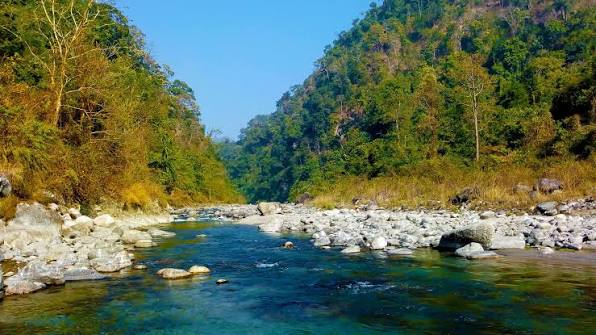
Baksa, Assam: Where Wildlife, Bodo Culture and Himalayan Foothills Meet
Baksa, Assam, is a destination where lush forests, tea gardens, rivers, wildlife and vibrant Bodo culture come together. Located along the foothills of Bhutan, Baksa offers a quieter and more immersive side of Assam, making it an interesting choice for travellers looking beyond the state's better-known tourist destinations.
The biggest attraction is Manas National Park, a UNESCO World Heritage Site known for its rich biodiversity and spectacular Himalayan foothill landscape. Beyond Manas, visitors can explore Bogamati, Manas Soushi Khongkhor, Moinapukhuri, Daragaon, tea estates and traditional Bodo villages.
Whether you are interested in wildlife safaris, nature photography, local food, cultural experiences or peaceful weekend escapes, Baksa offers plenty to discover at a relaxed pace.
History of Baksa
Baksa has a long historical connection with the wider Kamrup region and the foothills of Bhutan. Historical records and local traditions associate the area with the old Bhutanese Duars, which served as important gateways between the Bhutanese hills and the plains of Assam.
The origin of the name Baksa is not completely settled. One explanation connects it with the Bhutanese term “Bagsa Duar”, while a Bodo tradition associates “Bagsa” with a type of rice. Official historical records note that there is no conclusive evidence establishing one definitive origin of the name.
Modern Baksa emerged as one of the new districts of Assam following the formation of the Bodoland Territorial Council. The district was officially notified in October 2003 and began functioning administratively in 2004.
Today, Mushalpur serves as the headquarters of Baksa district, which forms part of the Bodoland Territorial Region.
Geography of Baksa
Baksa lies in northern Assam along the foothills of Bhutan. The district is bordered by Bhutan to the north, Udalguri to the east, Chirang to the west, and Kamrup, Nalbari and Barpeta districts towards the south.
The landscape changes from plains and agricultural areas in the south to forests, hills and riverine environments towards the Bhutan foothills. This geographical variety gives Baksa its distinctive combination of green forests, tea gardens, rivers, grasslands and hill views.
The region is also closely connected with the Manas landscape, one of India's most important wildlife habitats. The Manas River and other streams contribute to the area's scenic and ecological character.
Culture and Traditions of Baksa
Baksa is strongly associated with Bodo culture, one of the important indigenous cultural traditions of Assam. The district's villages, festivals, music, dance, food and agricultural traditions provide visitors with an opportunity to experience the cultural diversity of Bodoland.
Traditional Bodo life has a close relationship with agriculture and nature. Visitors may encounter traditional houses, handwoven textiles, folk music, dance and local customs while exploring villages and cultural events.
Bodo Music and Dance
Traditional music and dance are an important part of Bodo celebrations. Cultural performances are especially visible during festivals and community gatherings, giving visitors a colourful introduction to the region's heritage.
Traditional Bodo Villages
Exploring traditional villages can provide a more personal experience of Baksa. Visitors can observe local lifestyles, crafts, food traditions and the everyday rhythm of rural Assam while travelling respectfully through the communities.
Architecture of Baksa
Baksa is not primarily known for large palaces or monumental colonial buildings. Its architectural character is better experienced through traditional village homes, rural settlements, religious spaces, forest lodges and community structures.
Traditional Bodo homes and village layouts reflect the region's agricultural lifestyle and close relationship with the surrounding environment. Eco-resorts and forest accommodation around the tourism areas also blend naturally with the landscape.
For travellers interested in architecture, Baksa is therefore more about vernacular and rural architecture than grand monuments.
Famous Places to Visit in Baksa
Manas National Park
Manas National Park is the star attraction of Baksa and one of Assam's most important wildlife destinations. Located in the Himalayan foothills, the park is a UNESCO World Heritage Site and is known for its remarkable biodiversity, scenic grasslands, forests and river systems.
Wildlife enthusiasts may look for species such as elephants, tigers, wild buffalo, golden langurs and rare birds. Jeep safaris and other permitted wildlife experiences make Manas one of the best places to visit in Baksa for nature lovers.
Manas Soushi Khongkhor
Located near the Pagladia River, Manas Soushi Khongkhor is an eco-tourism destination surrounded by greenery and views towards the Bhutan hills. It is particularly popular as a picnic and nature destination during the cooler months.
Bogamati
Bogamati is a scenic destination near the Bhutan foothills known for its riverside setting, greenery and outdoor atmosphere. It is popular for picnics and nature-based activities and has also become associated with adventure experiences such as rafting.
Moinapukhuri
Moinapukhuri is a forested destination with religious significance and trekking opportunities. The journey through the natural surroundings adds to the experience, making it suitable for travellers who enjoy nature, hiking and offbeat destinations.
Daragaon
Daragaon is a picturesque picnic destination surrounded by greenery, hills and streams. Located near the Dihira Reserve Forest area, it is a good option for travellers looking for a peaceful outdoor experience.
Baksa Tea Estates
Tea gardens are an important part of Baksa's landscape. Estates such as Nagrijulie, Doomni, Menoka and Fatemabad add a distinctly Assamese character to the countryside and offer beautiful scenery for travellers interested in tea landscapes and photography.
Famous Dishes to Try in Baksa
Baksa's food culture reflects the wider culinary traditions of Assam as well as the local Bodo community. Rice, vegetables, fish, meat and locally available ingredients form an important part of traditional meals.
Oma Bedor
Oma Bedor is a traditional Bodo pork preparation associated with the region's food culture. It is a dish worth looking for when exploring authentic Bodo cuisine.
Narzi
Narzi is a traditional Bodo preparation made using dried jute leaves. It has a distinctive flavour and is an example of how locally available ingredients are incorporated into Bodo cooking.
Maasor Tenga
Maasor Tenga is a popular Assamese fish preparation known for its light, tangy flavour. It is traditionally served with rice and is a familiar part of Assamese home-style cuisine.
Khar
Khar is a traditional Assamese alkaline preparation generally eaten with rice. It is an important part of Assamese cuisine and offers visitors a taste of the state's distinctive culinary traditions.
Pitha
Pitha is a traditional rice-based Assamese delicacy commonly associated with festivals and special occasions. Different varieties are prepared using rice flour and local ingredients.
Famous Personalities Connected with Baksa
Biswajit Daimary
Biswajit Daimary is a prominent political figure associated with the Bodoland region. He was born in Suagpur in the Baksa area and has represented Assam in the Rajya Sabha and served in state politics.
Pwilao Basumatary
Pwilao Basumatary was a noted Bodo singer, comedian, cine-artist, radio artist and cultural worker. His birthplace, Laokhata in Shimla, is in Baksa district, and he contributed to Bodo and Assamese cultural life.
Festivals Celebrated in Baksa
Bwisagu
Bwisagu is one of the major festivals of the Bodo community. It marks the beginning of the Bodo New Year and is celebrated with traditional music, dance, rituals and community gatherings.
Kherai Puja
Kherai Puja is an important Bodo religious and cultural tradition closely connected with agriculture, nature and community well-being. Traditional dances and rituals form an important part of the celebration.
Bihu
Bihu is widely celebrated across Assam and is also an important part of the cultural calendar in Baksa. The festival brings together music, dance, traditional food and community celebrations.
Magh Bihu
Magh Bihu, also known as Bhogali Bihu, celebrates the harvest season with food, community gatherings and traditional festivities. Picnic destinations around Baksa can become particularly lively during this period.
Things to Do in Baksa
- Go on a wildlife safari in Manas National Park.
- Enjoy nature and photography around Manas.
- Visit Bogamati for riverside views and outdoor activities.
- Explore Manas Soushi Khongkhor for an eco-tourism experience.
- Trek around Moinapukhuri and enjoy its forest surroundings.
- Spend time at Daragaon for a peaceful picnic.
- Explore tea gardens and photograph Baksa's green landscapes.
- Experience Bodo culture through local villages and festivals.
- Try traditional Assamese and Bodo food.
- Enjoy birdwatching in the forest and wetland habitats.
Where to Eat, Shop and Stay in Baksa
Where to Eat
For food, visitors can explore local eateries around major towns and tourism areas. Around Manas, several lodges, resorts, camps and homestays provide meals for tourists, including options featuring Assamese and local cuisine.
Where to Shop
Baksa is better suited to shopping for local handicrafts, handwoven textiles, traditional products and regional food items than for large-scale commercial shopping. Local markets and village-based sellers are worth exploring when available.
Where to Stay
Travellers visiting Manas can choose from forest lodges, eco-camps, resorts and homestays. Options include properties around the Bansbari and Manas tourism areas, making it convenient to combine accommodation with wildlife experiences.
| Stay Type | Best For |
|---|---|
| Budget Homestay | Local experience and economical travel |
| Eco Camp | Nature and wildlife trips |
| Jungle Lodge | Comfortable Manas experience |
| Resort | Families and relaxed stays |
What is Baksa Famous For?
Baksa is best known for its combination of wildlife, forests, Bodo culture and scenic landscapes.
- Manas National Park and its rich wildlife
- Bodo culture and traditions
- Tea gardens
- Bogamati and riverside landscapes
- Manas Soushi Khongkhor
- Moinapukhuri and its forest trails
- Daragaon picnic spot
- Traditional Assamese and Bodo cuisine
Best Time to Visit Baksa
The best time to visit Baksa is generally from October to April, particularly if wildlife and outdoor sightseeing are the main priorities. The weather is more comfortable for exploring forests, picnic spots, tea gardens and cultural attractions.
| Season | Months | Travel Experience |
|---|---|---|
| Winter | October–February | Cooler weather and excellent conditions for sightseeing |
| Spring | March–April | Good for wildlife and outdoor activities |
| Monsoon | May–September | Heavy rainfall can affect outdoor travel and wildlife activities |
If Manas National Park is the main reason for your trip, November to April is particularly suitable, as recommended by Assam Tourism and the Assam Forest Department.
How to Reach Baksa
By Air
Guwahati's Lokpriya Gopinath Bordoloi International Airport is the main practical airport for travellers visiting Baksa and the Manas region. From Guwahati, the journey can be continued by road.
By Train
Rail access depends on the part of Baksa you are visiting. For the Manas tourism area, Barpeta Road Railway Station is a convenient railhead, while other parts of the district can be approached through nearby railway stations such as Tihu and New Bongaigaon.
By Road
Road travel is one of the most practical ways to explore Baksa. Visitors can travel from Guwahati and nearby Assam towns by car, taxi or other road transport. A hired vehicle is particularly useful if you plan to visit several attractions in different parts of the district.
Nearby Places to Visit from Baksa
Manas National Park
For visitors staying around central Baksa, the Manas landscape is the main nearby attraction and should be included in any wildlife-focused itinerary.
Barpeta
Barpeta is known for its cultural and Vaishnavite heritage, particularly the historic Barpeta Satra. It can complement a Baksa trip with a different cultural experience.
Nalbari
Nalbari is another nearby Assam destination that can be combined with Baksa for travellers exploring Lower Assam.
Udalguri
Udalguri lies to the east of Baksa and offers additional opportunities to explore the landscapes and cultural attractions of the Bodoland region.
Chirang
Chirang borders Baksa to the west and is another destination worth considering for travellers interested in the forests, wildlife and cultural landscape of Bodoland.
Best Duration for a Trip to Baksa
2–3 days is a good duration for a first trip to Baksa if Manas National Park is included in the itinerary.
| Duration | Suggested Plan |
|---|---|
| 1 Day | Manas or one major nature attraction |
| 2 Days | Manas + Bogamati or another nearby attraction |
| 3 Days | Manas + nature spots + Bodo cultural and local experiences |
If you want a relaxed wildlife and cultural holiday rather than a rushed sightseeing trip, 3 days is the better choice.
Travel Tips for Baksa
- Plan wildlife activities in advance: Safari availability and timings can vary, so check the latest arrangements before visiting Manas.
- Carry comfortable footwear: Nature trails and outdoor attractions may involve walking on uneven terrain.
- Carry rain protection: Assam receives substantial monsoon rainfall.
- Keep cash with you: Smaller markets and rural areas may have limited digital payment facilities.
- Respect local communities: Ask permission before photographing people, homes or cultural activities.
- Follow wildlife rules: Maintain distance from animals and follow instructions from forest officials and guides.
- Dress comfortably: Lightweight clothing and practical footwear are useful for outdoor sightseeing.
- Carry basic essentials: Water, sunscreen, insect repellent and necessary medicines can be useful.
- Keep the environment clean: Avoid plastic waste and litter around forests, rivers and picnic areas.
- Don't rush the itinerary: Baksa is best experienced slowly, especially when combining wildlife, nature and cultural experiences.
Why Visit Baksa?
Baksa is worth visiting for travellers who want to experience Assam beyond the conventional tourist circuit. Its biggest strength is the combination of wildlife, nature and culture in one destination.
A visit to Manas National Park can bring you close to one of India's remarkable wildlife landscapes, while places such as Bogamati, Moinapukhuri and Daragaon offer a quieter connection with nature.
At the same time, Baksa's Bodo villages, traditional food, festivals and cultural practices provide a deeper understanding of the people and traditions of the Bodoland region.
If your idea of a holiday includes forests, wildlife, tea gardens, local culture and peaceful landscapes, Baksa deserves a place on your Assam travel itinerary.
Conclusion
Baksa, Assam, is a destination where wildlife and culture come together against the backdrop of the Bhutan foothills. From the globally recognised Manas National Park to riverside picnic spots, tea gardens, forest trails and Bodo cultural experiences, the district offers much more than a conventional sightseeing trip.
Whether you spend a weekend exploring Manas or plan a longer journey through the Bodoland region, Baksa offers an opportunity to slow down and experience a greener, quieter and culturally rich side of Assam.
For travellers looking for an offbeat Assam experience, Baksa is a destination worth discovering.
"Travel is the only thing you buy that makes you richer."