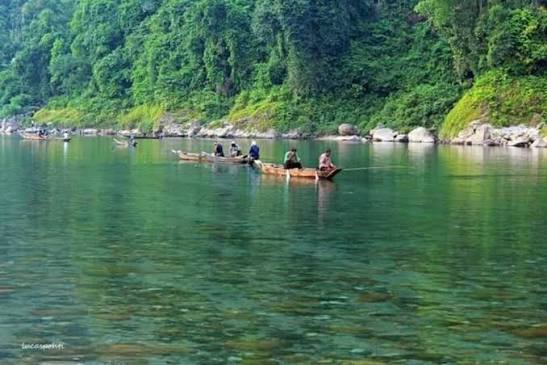
Darrang, Assam: Where History, Wildlife and Assamese Culture Come Together
Darrang, Assam, is a fascinating destination in the northern part of the Brahmaputra Valley where history, wildlife, wetlands and Assamese cultural traditions come together. The district headquarters, Mangaldai, is located around 70 kilometres from Guwahati.
Darrang offers a quieter travel experience compared with Assam's more famous destinations. Its attractions range from the wildlife-rich Orang National Park and bird-filled wetlands to historic satras, temples and memorials.
The district is particularly interesting for travellers who want to explore the cultural heritage of Assam while also experiencing its natural landscapes.
From the spiritual atmosphere of Khatara Satra to the historical significance of Patharighat and the peaceful waters of Batha Beel, Darrang offers plenty of reasons to slow down and explore.
History of Darrang
Darrang has a long historical association with the wider region of Kamrup and Assam. Assam Tourism notes that the area was once part of the Hindu Kingdom of Kamrup.
The modern administrative district of Darrang was formed in 1983, when the former Mangaldai subdivision was converted into a separate district.
Over time, the boundaries of Darrang changed as new districts were created from its former territory. Despite these administrative changes, the region has retained an important place in the history and cultural landscape of Assam.
Patharighat and the Peasant Uprising
One of the most significant chapters in Darrang's history is associated with Patharighat.
Patharighat is remembered for the historic peasant uprising of 1894, when local peasants protested against increased land revenue imposed by the colonial administration.
The incident is remembered as an important chapter in Assam's history of resistance against British policies.
The Patharughat Swaheed Minar commemorates the people who lost their lives during the 1894 incident.
Geography of Darrang
Darrang lies in the northern part of Assam's Brahmaputra Valley. The district's landscape includes fertile plains, rivers, wetlands, agricultural areas and wildlife habitats.
The mighty Brahmaputra River and its associated wetlands have played an important role in shaping the geography and livelihood patterns of the region.
The district's natural environment also supports a variety of birds and wildlife, particularly around wetlands and the Orang National Park landscape.
| Geographical Feature | Importance |
|---|---|
| Brahmaputra River | Major river system influencing the region |
| Wetlands and Beels | Important habitats for resident and migratory birds |
| Orang Landscape | Important habitat for wildlife and biodiversity |
| Agricultural Plains | Support farming and rural livelihoods |
Culture and Traditions of Darrang
Darrang is deeply connected with the broader Assamese cultural tradition. Its culture can be experienced through satras, religious institutions, folk traditions, festivals, music, dance and traditional handloom.
Vaishnavite Culture
The Satras of Darrang represent the influence of the Neo-Vaishnavite movement associated with Srimanta Sankardeva.
These institutions are not simply places of worship. Historically, satras have also played an important role in preserving music, dance, drama, literature and religious traditions.
Bihu
Bihu is celebrated across Darrang with music, dance, traditional food and community gatherings.
Bohag Bihu, celebrated in April, is particularly important as it marks the Assamese New Year and the beginning of the agricultural cycle.
Traditional Handloom
Handloom is another important part of local Assamese culture. Traditional textiles such as the gamosa, mekhela chador and woven fabrics represent the craftsmanship of the region.
Folk and Devotional Traditions
Naam, devotional music and traditional cultural performances remain closely connected with the satra and community traditions of Darrang.
Architecture of Darrang
Darrang's architectural heritage is closely connected with its religious institutions, historic ponds, temples, satras and memorial structures.
Khatara Satra
Khatara Satra is one of Darrang's most important cultural landmarks. Assam Tourism states that the satra was founded in 1568.
The site provides an opportunity to understand Assam's Vaishnavite traditions and the role of satras in Assamese cultural history.
Dhalpur Shiva Mandir
Dhalpur Shiva Mandir is located on Dhalpur Hill, around 25 kilometres from Mangaldai. Assam Tourism describes it as an ancient temple and highlights its hilltop setting.
Patharughat Swaheed Minar
The Patharughat Swaheed Minar is a memorial dedicated to the people who died during the 1894 peasant uprising.
It is more than a monument; it represents an important chapter of Assam's resistance history.
Historic Ponds
Darrang also has several historic water bodies, including Batha Beel and Jaypal Pukhuri, which combine historical importance with natural beauty.
Famous Places to Visit in Darrang
Orang National Park
Orang National Park and Tiger Reserve is the most prominent wildlife attraction associated with Darrang.
The protected area covers approximately 78.80 square kilometres and lies on the northern bank of the Brahmaputra. It is known for wildlife including the greater one-horned rhinoceros, tiger, elephant, hog deer, wild pig and Gangetic dolphin.
The Assam Forest Department also records more than 200 bird species in the park, making it an attractive destination for birdwatchers.
The official forest department identifies November to April as the best season for visiting the park.
Khatara Satra
Khatara Satra is a major cultural attraction and one of the best places to experience the Vaishnavite heritage of Assam.
Founded in 1568, the satra provides a glimpse into the religious and artistic traditions that have shaped Assamese society for centuries.
Batha Beel
Batha Beel is one of Darrang's important wetlands and a good destination for travellers interested in birdwatching and peaceful natural surroundings.
Several wetlands in the district attract migratory birds, particularly during the cooler months.
Dhalpur Shiva Mandir
Dhalpur Shiva Mandir sits on Dhalpur Hill and is one of the prominent religious attractions around Mangaldai.
The combination of the temple and hill setting makes it an interesting destination for visitors looking for both spirituality and scenery.
Patharughat Swaheed Minar
Located around 16 kilometres from Mangaldai, the Patharughat Swaheed Minar commemorates the victims of the historic 1894 peasant uprising.
It is an important stop for travellers interested in Assam's colonial history and local resistance movements.
Gandhi Smriti Park
Gandhi Smriti Park is located in Mangaldai town and provides a simple green space for relaxation and family outings.
It is a convenient stop for visitors exploring the district headquarters.
Jaypal Pukhuri
Jaypal Pukhuri is a historic water body associated with local history and is also used as a recreational and picnic destination.
Its calm surroundings make it suitable for visitors who enjoy quiet outdoor spaces.
Kamakshya Devalaya
Kamakshya Devalaya is a historic religious site associated with the region's temple traditions.
Its architectural and religious character makes it an interesting addition to a heritage-focused Darrang itinerary.
Famous Dishes to Try in Darrang
Darrang's cuisine reflects the wider food culture of Assam, where rice, fish, vegetables, herbs and locally available ingredients form the foundation of many traditional meals.
Masor Tenga
Masor Tenga is one of Assam's most popular fish dishes. Its light and tangy flavour makes it a must-try for visitors interested in Assamese cuisine.
Khar
Khar is a traditional Assamese preparation made with an alkaline ingredient. It is commonly served as part of a traditional Assamese meal.
Pitika
Pitika refers to simple mashed preparations made with ingredients such as potatoes, vegetables or fish and seasoned with mustard oil, onions and chillies.
Duck with Ash Gourd
Duck with ash gourd is another traditional Assamese preparation that visitors may encounter in local eateries and traditional households.
Rice-Based Meals
Rice remains the foundation of everyday Assamese food. Traditional meals are commonly accompanied by vegetables, dal, fish, meat and local herbs.
Pitha
Pitha is a traditional Assamese rice-based delicacy, particularly popular during Bihu and other cultural celebrations.
Famous Personalities Connected with Darrang
Srimanta Sankardeva
Srimanta Sankardeva is one of the most influential cultural and spiritual figures in Assam. His Neo-Vaishnavite movement profoundly influenced Assamese literature, music, drama, art and religious life.
The satras of Darrang are part of this wider cultural tradition.
Local Freedom and Peasant Movement Leaders
The history of Darrang is also closely associated with the farmers and community leaders involved in the Patharighat uprising of 1894.
Their resistance against colonial land-revenue policies remains an important part of the district's historical identity.
Local Artists and Cultural Practitioners
Darrang's cultural life continues to be shaped by local singers, performers, religious scholars, weavers and folk artists who preserve Assamese traditions through community activities and festivals.
Festivals Celebrated in Darrang
Bohag Bihu
Bohag Bihu is one of the most important festivals celebrated in Darrang. It marks the Assamese New Year and the arrival of spring.
Traditional Bihu songs, dance, feasting and community celebrations form an important part of the festival.
Magh Bihu
Magh Bihu celebrates the harvest season and is associated with community feasts, traditional food and bonfires.
Kati Bihu
Kati Bihu is associated with agriculture and prayers for a successful harvest. Traditional lamps are lit in homes and agricultural fields.
Durga Puja
Durga Puja is celebrated with religious ceremonies, decorations and community gatherings across the district.
Raas Mahotsav
Vaishnavite cultural traditions associated with Raas and devotional performances are observed in religious institutions and communities across Assam.
Things to Do in Darrang
- Go wildlife spotting at Orang National Park and look for rhinos, elephants, deer and birds.
- Visit Khatara Satra to experience Assamese Vaishnavite heritage.
- Explore Batha Beel for birdwatching and peaceful surroundings.
- Visit Patharughat Swaheed Minar and learn about the 1894 peasant uprising.
- Visit Dhalpur Shiva Mandir for a combination of spirituality and hill scenery.
- Spend time at Gandhi Smriti Park in Mangaldai.
- Explore historic ponds such as Jaypal Pukhuri.
- Visit local temples and satras to understand the district's religious heritage.
- Try traditional Assamese cuisine including fish, pitika, khar and pitha.
- Explore local markets for handloom products and everyday Assamese goods.
- Go birdwatching around wetlands during the winter months.
- Experience Bihu celebrations if visiting during the festival season.
Where to Eat, Shop and Stay in Darrang
Where to Eat
Mangaldai is the most convenient base for finding restaurants and local eateries in Darrang.
Visitors can find everyday Assamese meals as well as Indian and multi-cuisine options. For a more authentic experience, look for local preparations featuring rice, fish, vegetables, herbs and traditional Assamese flavours.
Where to Shop
Local markets around Mangaldai and other major settlements are useful for experiencing everyday life in Darrang.
Visitors can look for Assamese handloom textiles, gamosas, traditional clothing, bamboo and cane products and local food items.
Where to Stay
Mangaldai is the most practical base for exploring Darrang. Assam Tourism notes that the district headquarters has several hotels suitable for visitors.
For travellers visiting Orang National Park, the Assam Forest Department also lists a forest dormitory and tourist lodge near the park entrance, with advance reservation required for the tourist lodge.
| Stay Type | Best For |
|---|---|
| City Hotel | Travellers exploring Mangaldai and Darrang |
| Budget Hotel | Short stays and road trips |
| Forest Accommodation | Visitors planning an Orang National Park trip |
| Guest House | Budget-conscious travellers |
What is Darrang Famous For?
Darrang is famous for its wildlife, Assamese cultural heritage, historic sites and wetlands.
- Orang National Park
- Khatara Satra
- Batha Beel
- Dhalpur Shiva Mandir
- Patharughat Swaheed Minar
- Gandhi Smriti Park
- Jaypal Pukhuri
- Assamese Vaishnavite culture
- Bihu celebrations
- Birdwatching and wetlands
Best Time to Visit Darrang
The best time to visit Darrang is generally from November to April, particularly if wildlife and outdoor sightseeing are your priorities.
The Assam Forest Department specifically identifies November to April as the best season for visiting Orang National Park.
Winter is also a comfortable period for exploring Mangaldai, historical sites, temples and wetlands.
| Season | Months | Travel Experience |
|---|---|---|
| Winter | November–February | Best for wildlife, sightseeing and birdwatching |
| Spring | March–April | Good for cultural and outdoor experiences |
| Summer | May–June | Hot; early morning and evening outings are preferable |
| Monsoon | June–September | Green landscapes but higher rainfall and possible flooding |
Best overall choice: November to April, especially for travellers combining Darrang with an Orang National Park visit.
How to Reach Darrang
By Air
The nearest major airport for travellers heading to Mangaldai is Lokpriya Gopinath Bordoloi International Airport in Guwahati.
Assam Tourism places Guwahati approximately 60–70 kilometres from Mangaldai, depending on the reference point used.
By Train
Travellers can use railway stations in and around the Darrang region, while Guwahati Railway Station provides a major rail connection for onward travel.
For visitors coming from other parts of India, Guwahati is generally the most convenient major railway gateway.
By Road
Road travel is one of the easiest ways to reach Darrang. Mangaldai is connected with Guwahati and neighbouring parts of Assam through regular bus services.
Assam Tourism notes that NH 52 passes through Mangaldai, providing road connectivity with surrounding areas.
| Mode | Recommended Access |
|---|---|
| Air | Guwahati International Airport |
| Train | Guwahati Railway Station and nearby rail connections |
| Road | Bus, taxi or private vehicle via Mangaldai |
Nearby Places to Visit from Darrang
Orang National Park
Orang National Park is the most important wildlife destination to combine with a Darrang trip. The park is located on the northern bank of the Brahmaputra and offers opportunities for wildlife and birdwatching.
Tezpur
Tezpur is another important destination that can be combined with Darrang, especially for travellers interested in history, temples, gardens and the Brahmaputra landscape.
Guwahati
Guwahati is the major urban gateway to Darrang and can easily be included at the beginning or end of a Darrang itinerary.
Sonitpur
The neighbouring Sonitpur region provides opportunities to explore additional wildlife, cultural and natural attractions of northern Assam.
Baksa
Baksa lies towards the western/northwestern side of the wider region and can be included in a longer Assam road trip.
Best Duration for a Trip to Darrang
2 days are enough for a quick Darrang experience covering Mangaldai, one or two heritage sites and a nearby wetland.
A 3-day itinerary is better if Orang National Park is included, as wildlife sightseeing requires dedicated time.
| Duration | Suggested Plan |
|---|---|
| 1 Day | Mangaldai + Gandhi Smriti Park + local sightseeing |
| 2 Days | Mangaldai + Khatara Satra + Patharighat + Batha Beel |
| 3 Days | Darrang heritage + Orang National Park + wetlands |
| 4 Days | Darrang + Orang + Tezpur and nearby attractions |
Travel Tips for Darrang
- Visit during the cooler months: November to April is particularly suitable for sightseeing and wildlife trips.
- Plan Orang National Park separately: Wildlife visits require appropriate timing and arrangements.
- Book forest accommodation in advance: The Forest Department requires prior reservations for its tourist lodge.
- Carry binoculars: They are useful around wetlands and birdwatching areas.
- Carry comfortable footwear: Useful for temples, memorials and outdoor attractions.
- Carry mosquito protection: Especially when visiting wetlands and wildlife areas.
- Respect wildlife: Never feed animals or attempt to approach them.
- Respect religious customs: Follow local rules regarding footwear, clothing and photography.
- Keep wetlands clean: Avoid plastic and litter around beels and natural areas.
- Carry some cash: Smaller establishments outside Mangaldai may have limited payment options.
- Check weather conditions: Heavy monsoon rainfall can affect travel.
- Try local cuisine: Include Assamese dishes in your itinerary.
Why Visit Darrang?
Darrang is worth visiting because it offers a more intimate view of Assam's history, culture and wildlife.
Instead of relying on a single attraction, the district brings together several different experiences. You can explore the wildlife of Orang National Park, discover centuries-old Vaishnavite traditions at Khatara Satra, visit the historic Patharighat memorial and spend time around peaceful wetlands.
The district is especially appealing to travellers who enjoy heritage tourism, birdwatching, wildlife, religious sites and authentic regional culture.
Its proximity to Guwahati also makes Darrang a convenient destination for a short Assam getaway or as part of a longer northeastern road trip.
Conclusion
Darrang, Assam, is a destination where history and nature exist side by side. From the wildlife-rich landscape of Orang National Park to the spiritual atmosphere of Khatara Satra and the historical significance of Patharighat, the district offers a diverse travel experience.
The wetlands of Batha Beel, the hilltop setting of Dhalpur Shiva Mandir and the peaceful surroundings of Mangaldai add further variety to the journey.
With 2 to 3 days, travellers can explore the major attractions comfortably, while a longer itinerary can combine Darrang with Orang, Tezpur and other destinations in northern Assam.
If you want to explore Assam beyond the usual tourist circuit, Darrang is a destination that deserves a place on your itinerary.
"Travel is the only thing you buy that makes you richer."